Hiking Mount Yufu in Oita, Japan:
A Rewarding Day Hike with an Onsen Finish
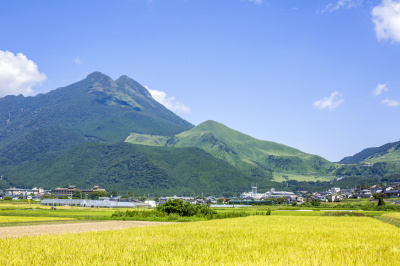
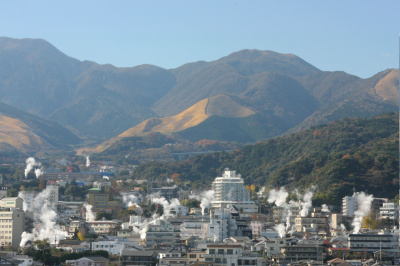
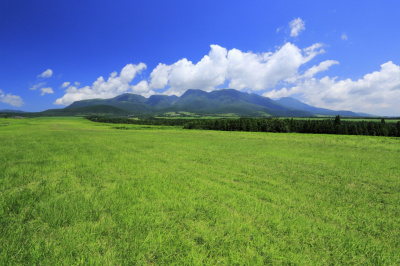
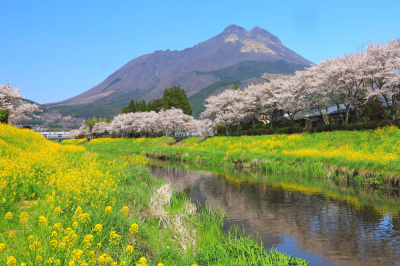
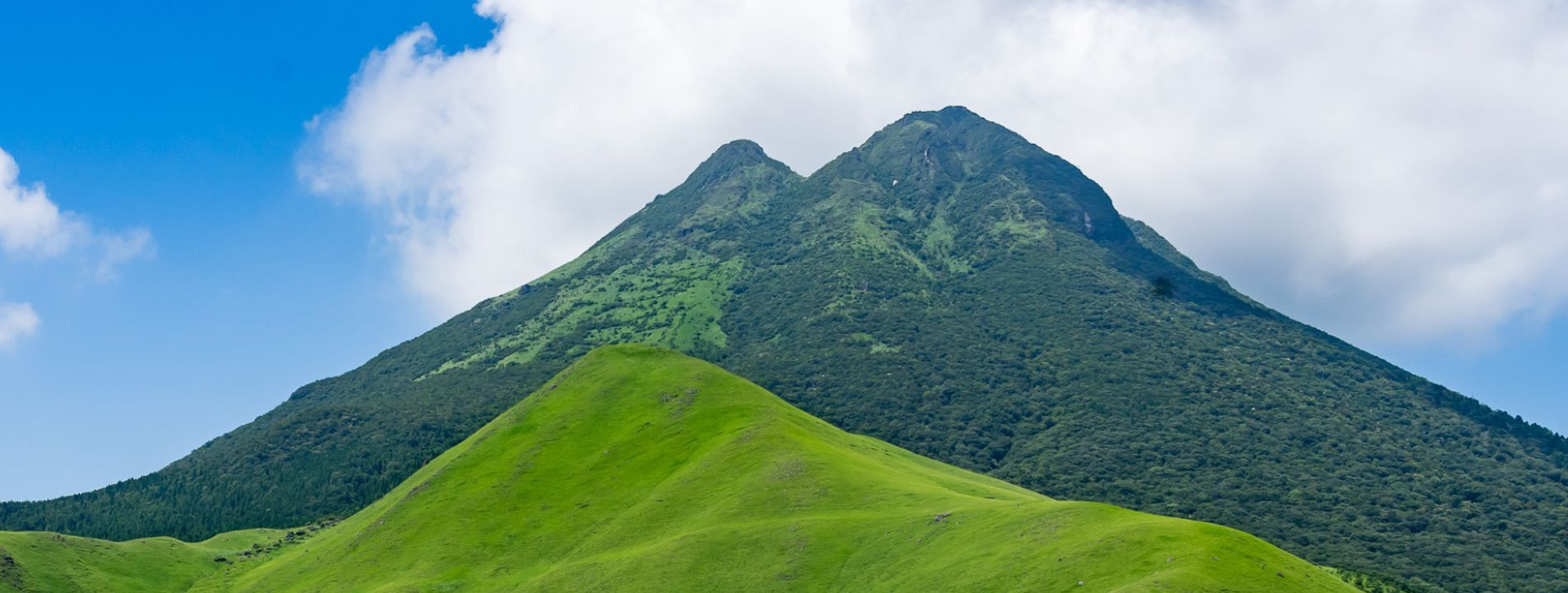
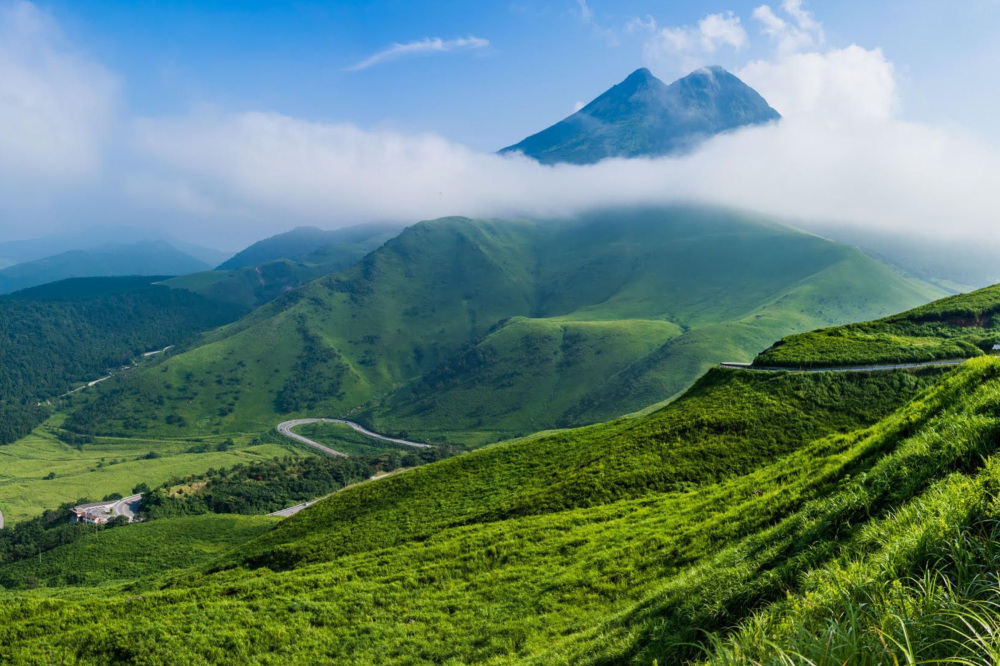
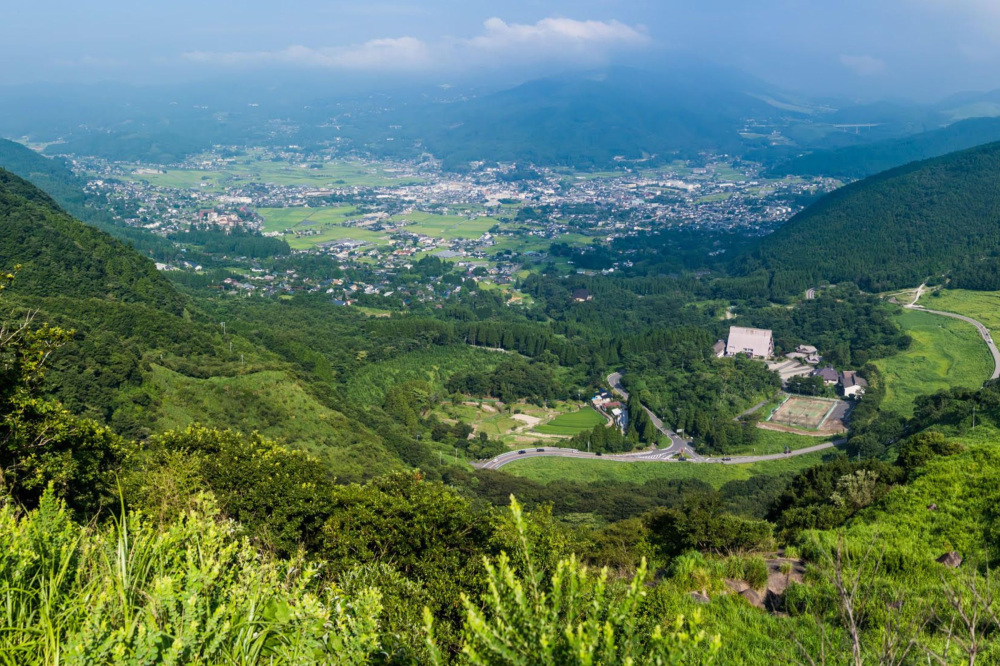
Rising gracefully behind the hot spring town of Yufuin, Mount Yufu, known locally as Yufu-dake, is one of Oita’s most iconic mountains. With its twin peaks, volcanic landscape and sweeping views over the Yufuin Basin, Beppu Bay and the Kuju mountain range, it offers one of the most rewarding day hikes in Kyushu.Also known as “Bungo Fuji” for its elegant shape, Mount Yufu stands at 1,583 meters and is located within Aso-Kuju National Park. The hike combines open grasslands, forest trails, rocky volcanic terrain and, best of all, the chance to finish the day with a relaxing soak in one of Yufuin’s famous hot springs.
* Please note that the text shown on this page includes machine translations.
Contents
Why Hike Mount Yufu?
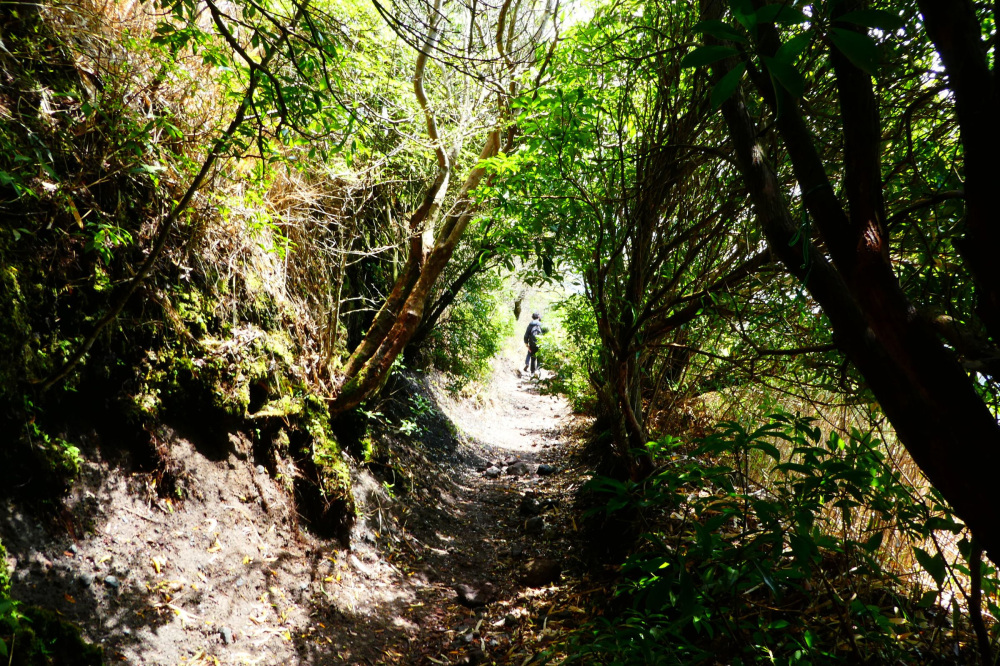
Mount Yufu is not just a scenic backdrop to Yufuin. For active travelers, it offers a proper
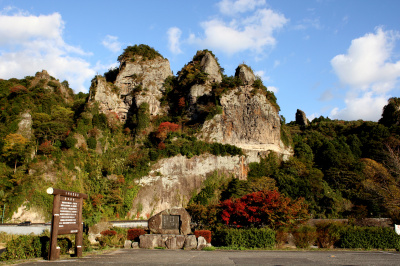
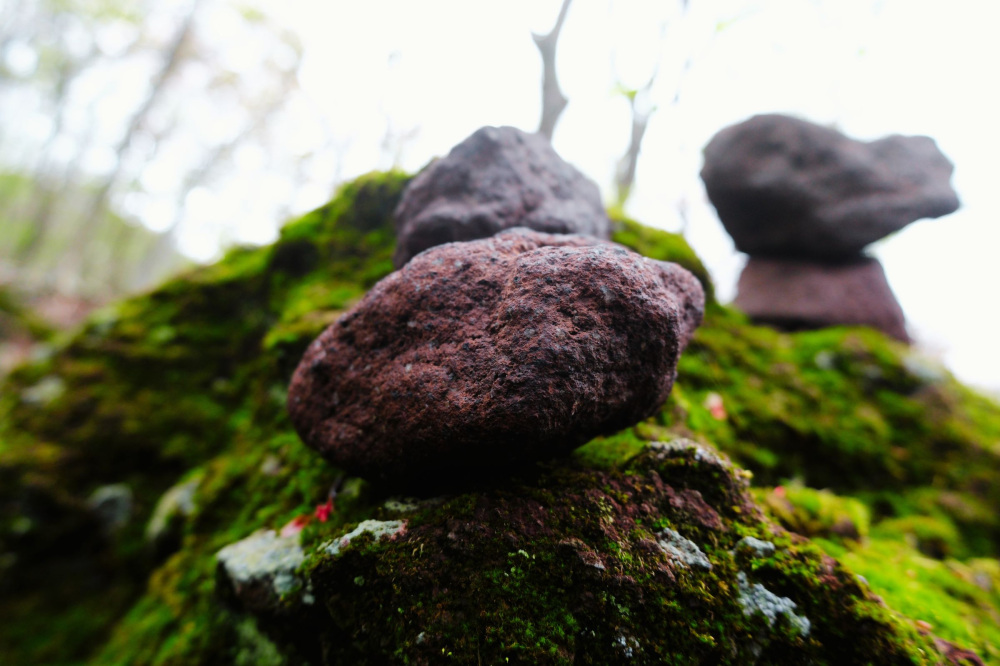
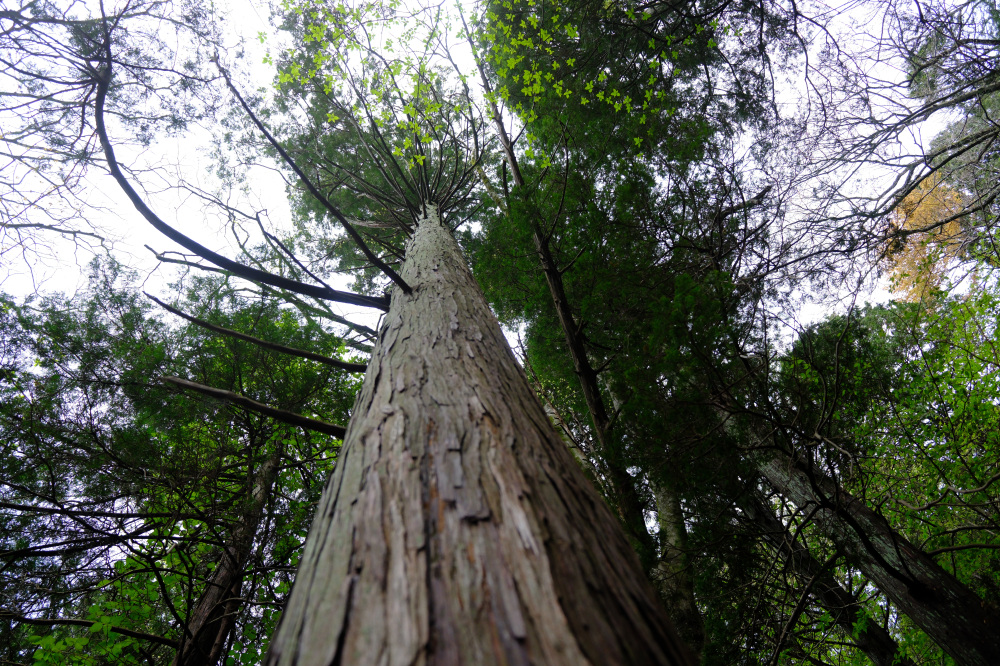
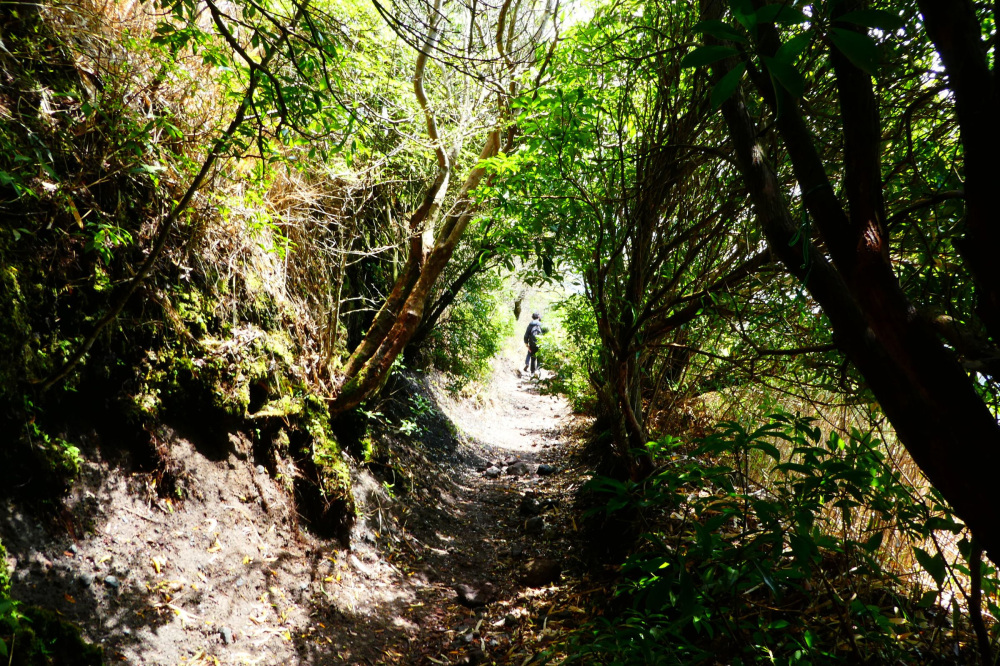
hiking experience.The standard trail begins at the Yufu-dake Main Trailhead. From there, hikers pass through open grassland before entering forested sections with tree roots and volcanic rocks underfoot. As the trail climbs higher, the trees get lower and the views open up, revealing Mount Yufu’s unique rugged volcanic character.
On a clear day, hikers can enjoy views of:
- ・Yufuin town and its surrounding countryside
- ・The Kuju mountain range
- ・Beppu Bay
- ・The mountains and sea beyond Oita
Even in cloudy weather, Mount Yufu has a striking atmosphere. The mist drifting across its slopes, the dark volcanic rocks, and the twin peaks which suddenly emerge through the fog all vividly remind you that you are climbing a volcanic mountain.
Access to the Trailhead
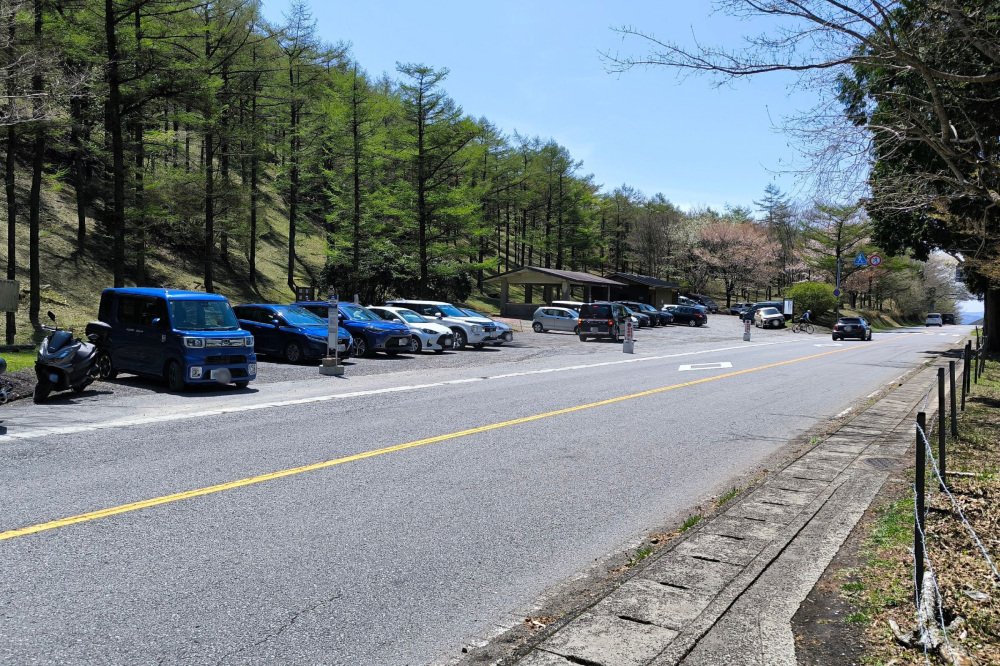
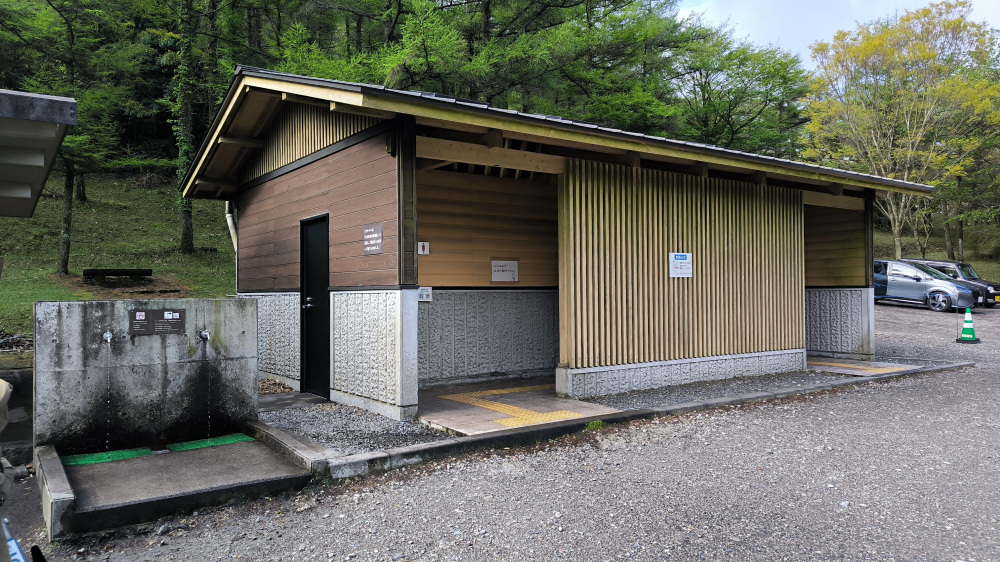
The Yufu-dake Main Trailhead can be reached by local bus or taxi from Yufuin Station. Visitors should check bus schedules in advance, as services may be limited depending on the season and time of day.Walking from Yufuin Station to the trailhead is not generally recommended, as the road includes sections with limited pedestrian space and passing traffic. For most visitors, taking a bus, taxi or rental car is the safer and more practical option.There are toilets at the trailhead, but there are no toilets along the mountain trail. Hikers should use the facilities before starting.
Recommended Route: Main Trailhead to East Peak
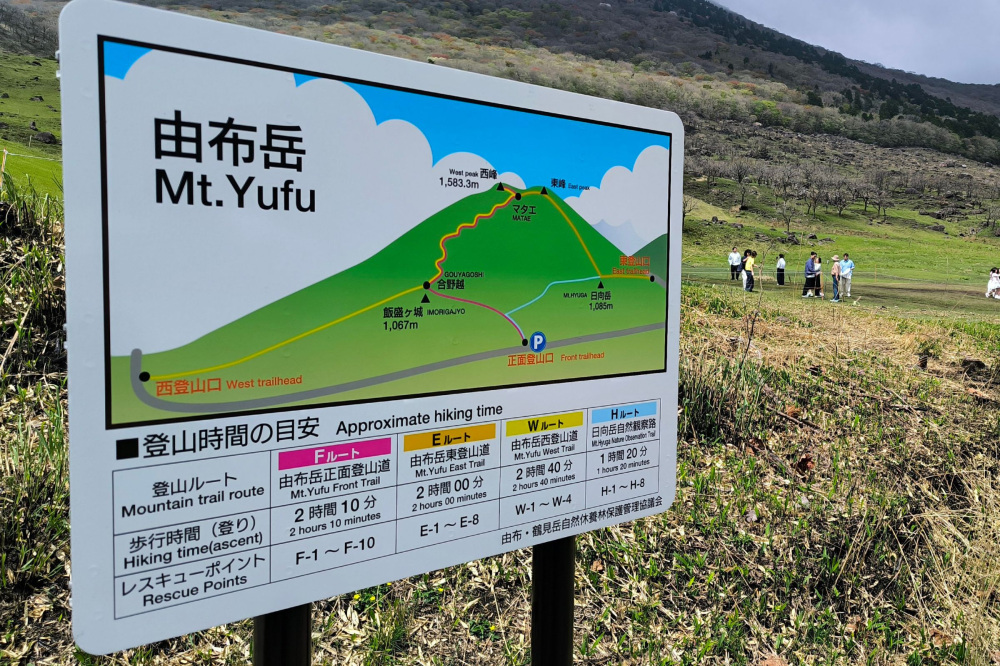
For most visitors, the recommended route is:Yufu-dake Main Trailhead → Hyugadake Junction → Goyagoe Pass → Matae → East Peak
This is the most straightforward and commonly used trail. It is suitable for hikers with a reasonable level of fitness, but it should not be mistaken for a casual walk. The total hike usually takes around five to six hours, including breaks.
Approximate hiking time:
- ・Ascent: around 2 hours 40 minutes
- ・Breaks and lunch: around 50 minutes
- ・Descent: around 2 hours 30 minutes
- ・Total: around 6 hours
Experienced and fast hikers may complete the route more quickly, but visitors should allow ample time, especially if they are unfamiliar with Japanese mountain trails.
Key Points Along the Trail
Hyugadake (日向岳)
About 15 minutes from the trailhead, hikers reach a junction for Hyugadake. For first-time visitors, it is better to stay on the main Mount Yufu route, as the alternative trail can be harder to follow.
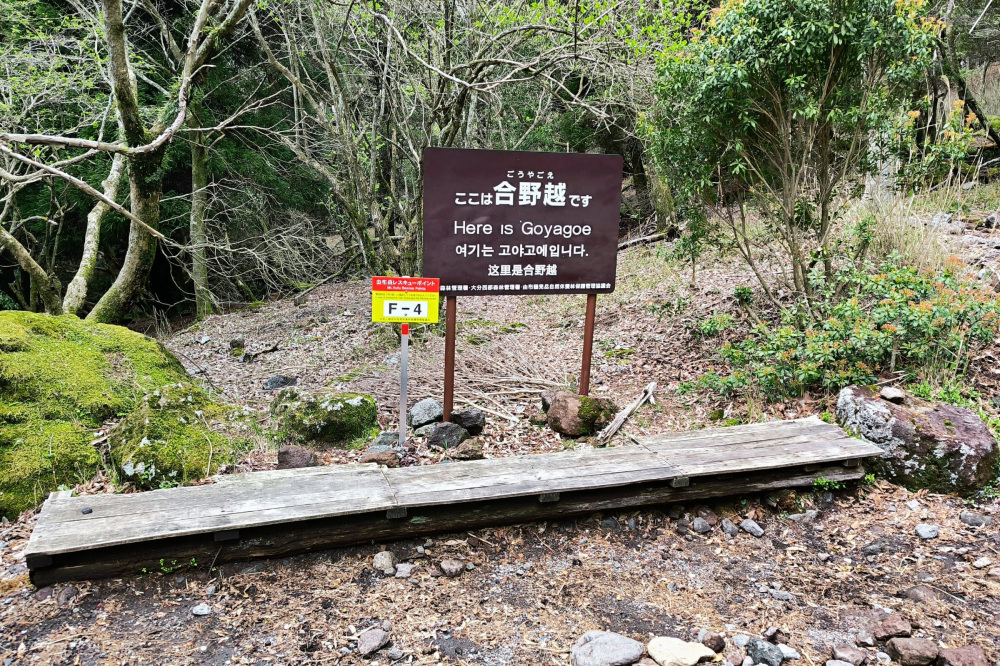
Goyagoe Pass(合野越)
Goyagoe Pass is a good rest point and trail junction. From here, the main route continues toward Mount Yufu, while another trail leads toward Iimorigajo. After this point, the path climbs in a series of zigzags.As the elevation increases, the forest begins to thin out and the views of Yufuin gradually open up.
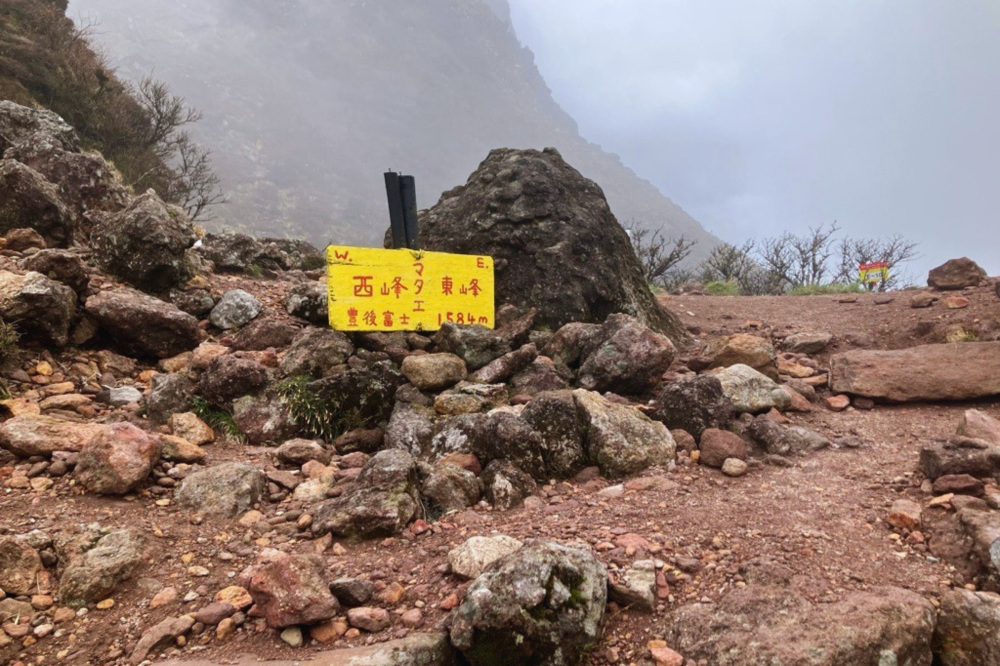
Matae(マタエ)
Matae is the saddle between Mount Yufu’s two peaks. From here, the trail splits toward the East Peak and West Peak.The East Peak is the recommended choice for most hikers. The West Peak has chain-assisted rocky sections and exposed terrain, and should only be attempted by experienced hikers who are confident with scrambling, heights and narrow rocky passages.
East Peak or West Peak?
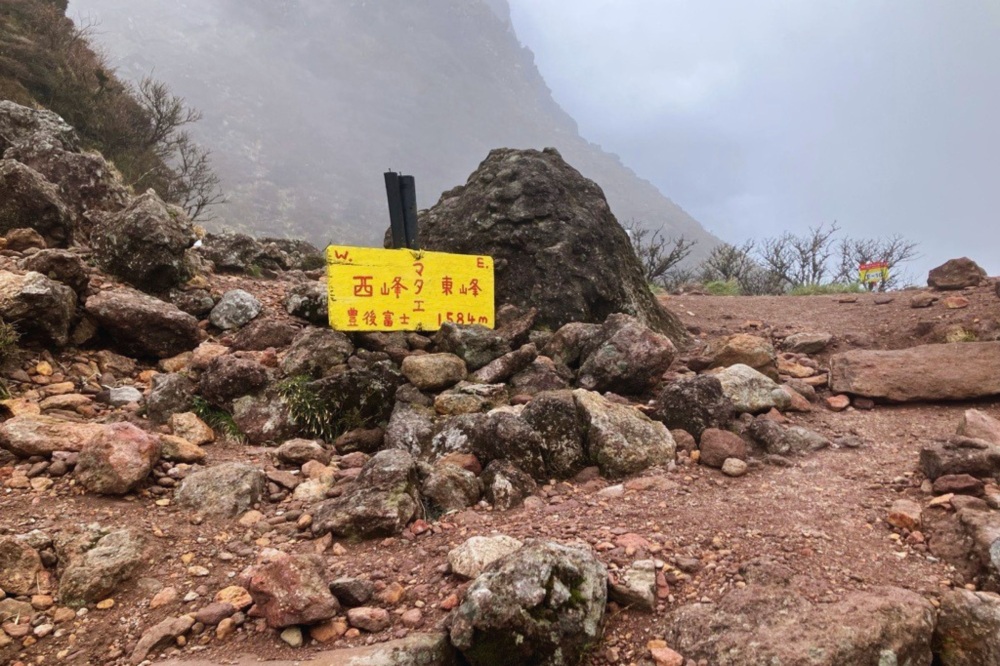
Mount Yufu has two main summits: the East Peak and the West Peak.The East Peak is the safer and more popular choice for general hikers. It still includes rocky sections and large steps, so care is needed, especially when the rocks are wet or unstable.The West Peak is much more technical. It includes steep rocky passages where hikers need to use chains. Accidents can happen here, including slips and falls, so beginners and casual hikers should not attempt the West Peak without proper experience and equipment.For most international visitors, the East Peak offers the best balance of challenge, safety and reward.
What to Bring
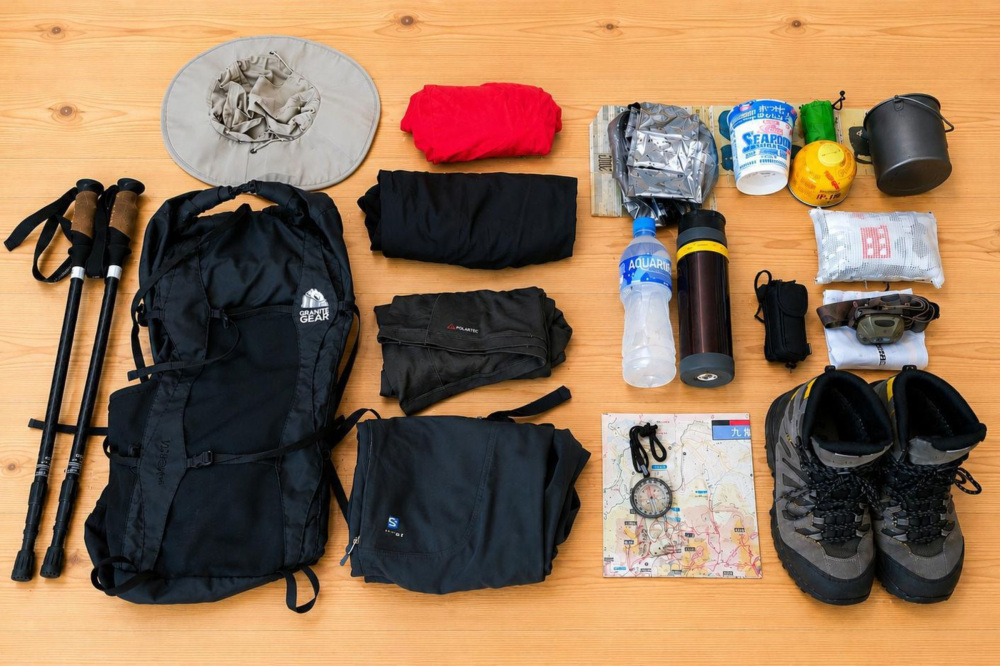
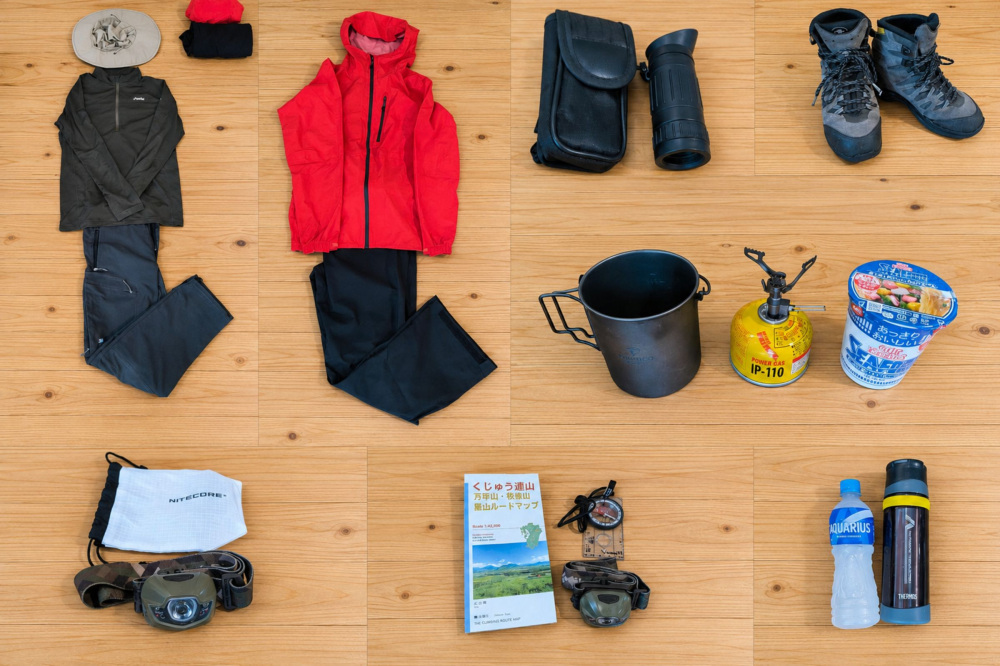
Mount Yufu is a day hike, but proper preparation is essential.Recommended gear:
- ・Hiking boots or sturdy trail shoes
- ・Rainwear that also works as wind protection
- ・Warm layers
- ・Water and trail snacks
- ・Trekking poles
- ・Map or offline navigation app
- ・Mobile phone
- ・Small first aid kit
Weather conditions can change quickly, so hikers should be prepared for wind, mist and lower temperatures near the summit.
Weather and Safety
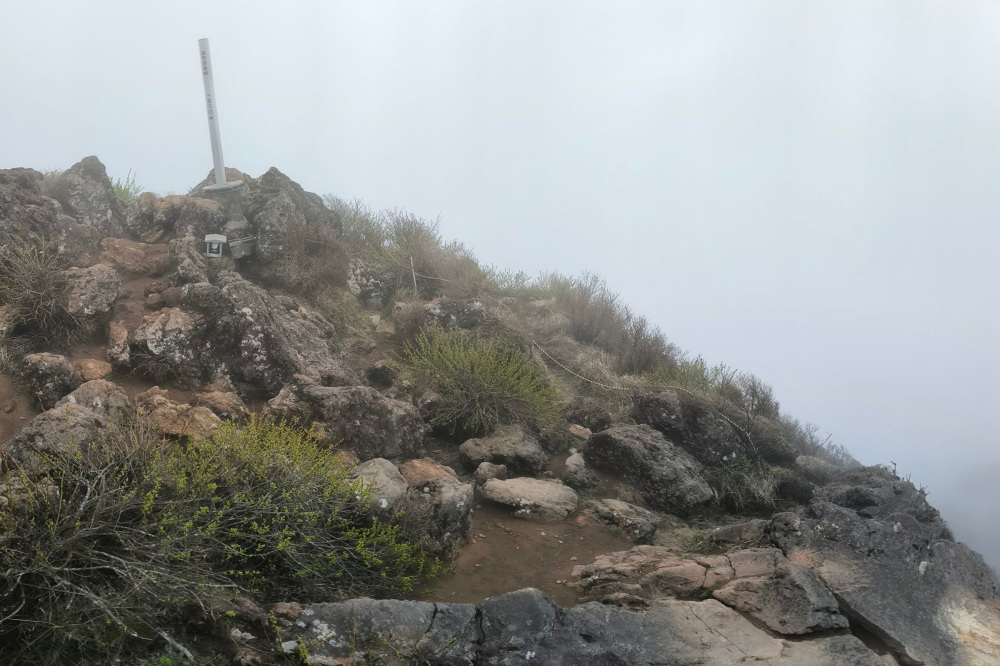
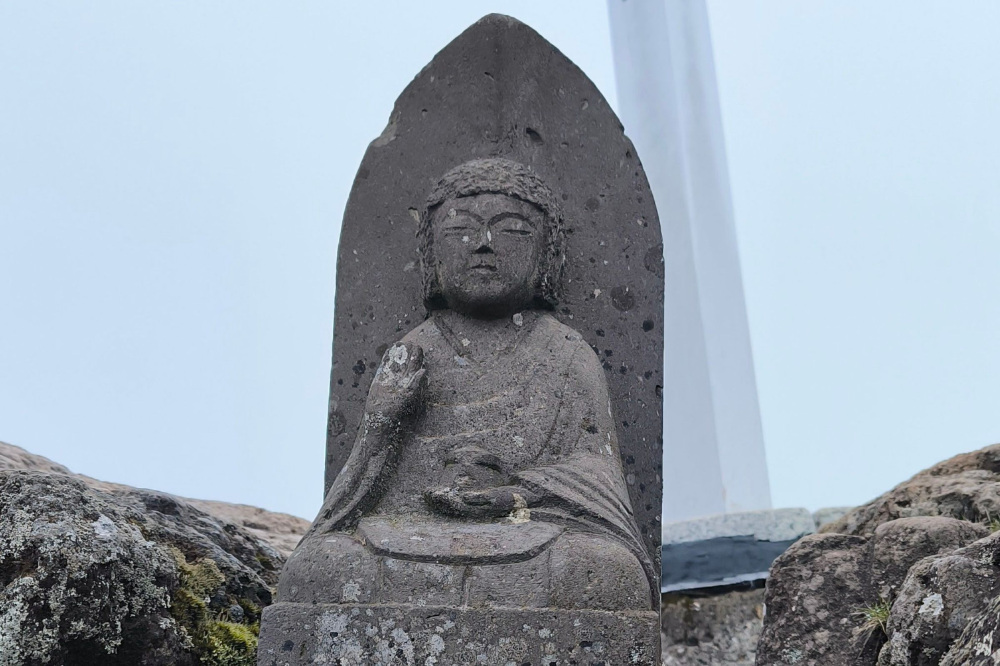
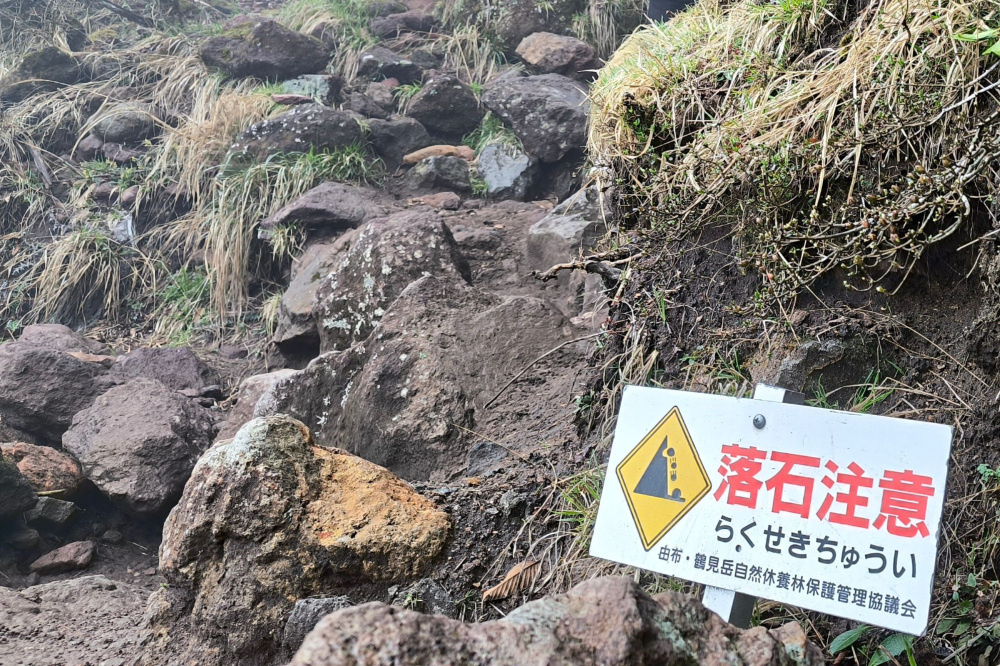
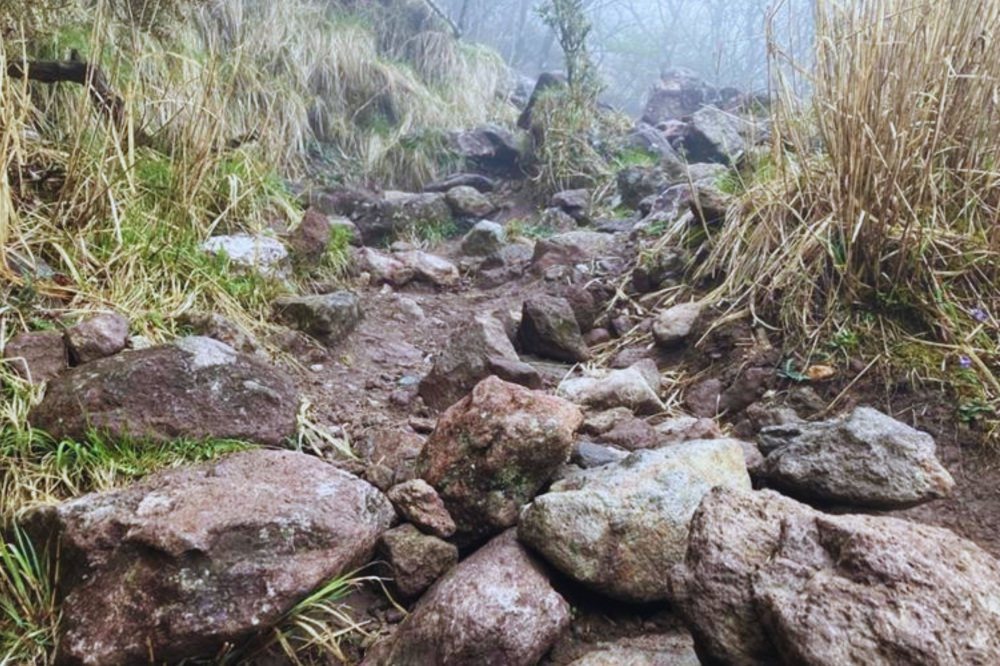
Weather on Mount Yufu can change quickly. Even when it feels warm at the trailhead, the summit area can be windy, cold and covered in mist.Hikers should check the weather forecast before setting out and be ready to turn back if conditions worsen. In fog or strong wind, views may disappear completely, and the rocky upper sections can become more difficult.
Safety tips:
- ・Start early
- ・Stay on the main trail
- ・Avoid hiking alone if possible
- ・Do not continue to the West Peak unless you have suitable experience
- ・Watch your footing on volcanic rocks
- ・Avoid stepping on unstable rocks
- ・Be careful not to dislodge stones onto hikers below
- ・Give priority to uphill hikers
- ・When passing others on narrow trails, step toward the mountain side and wait
- ・Carry all trash back with you
Hiking Etiquette in Japan
Japanese mountain trails have a friendly and respectful atmosphere. When hikers pass each other, it is common to say “Konnichiwa”, meaning hello.This is more than just politeness. Other hikers may share useful information, such as summit conditions, strong wind, poor visibility or slippery sections ahead.On narrow trails, hikers going uphill usually have priority. When giving way, step to the mountain side rather than the outer edge of the trail and wait.
After the Hike: Soak in Yufuin Onsen
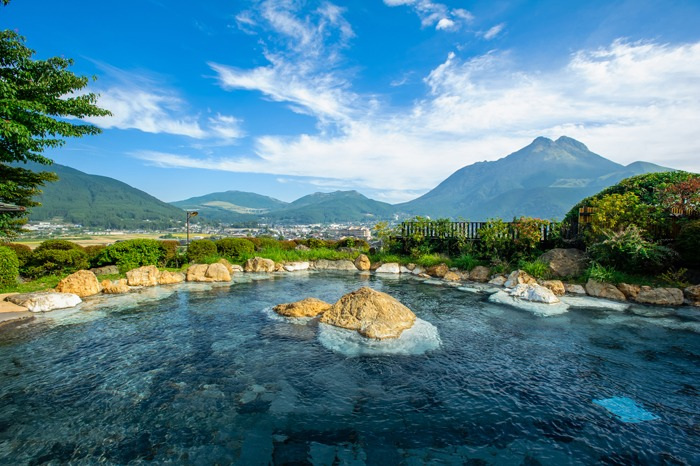
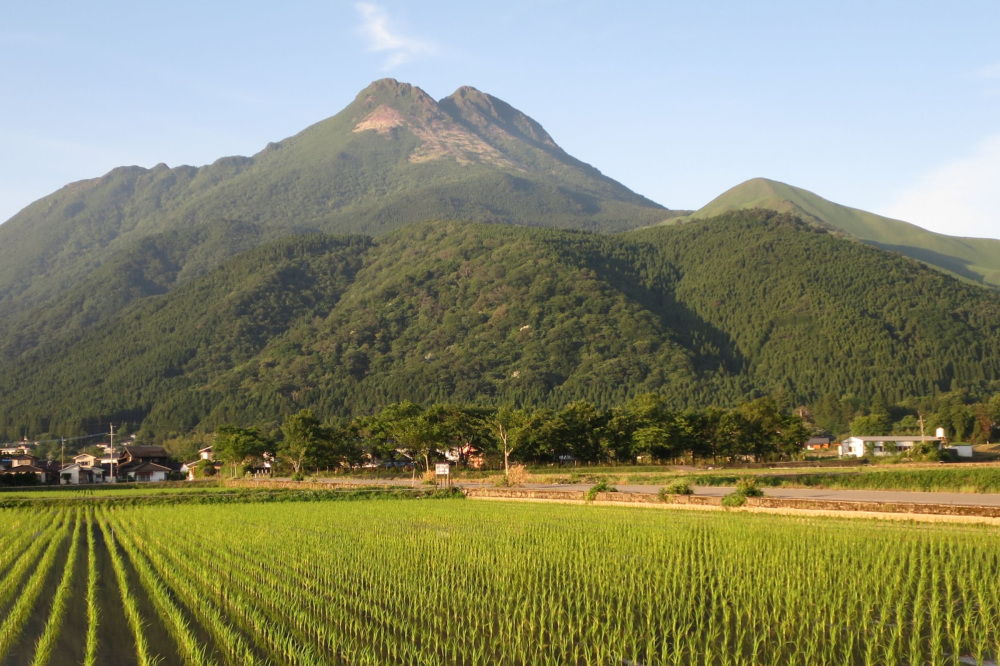
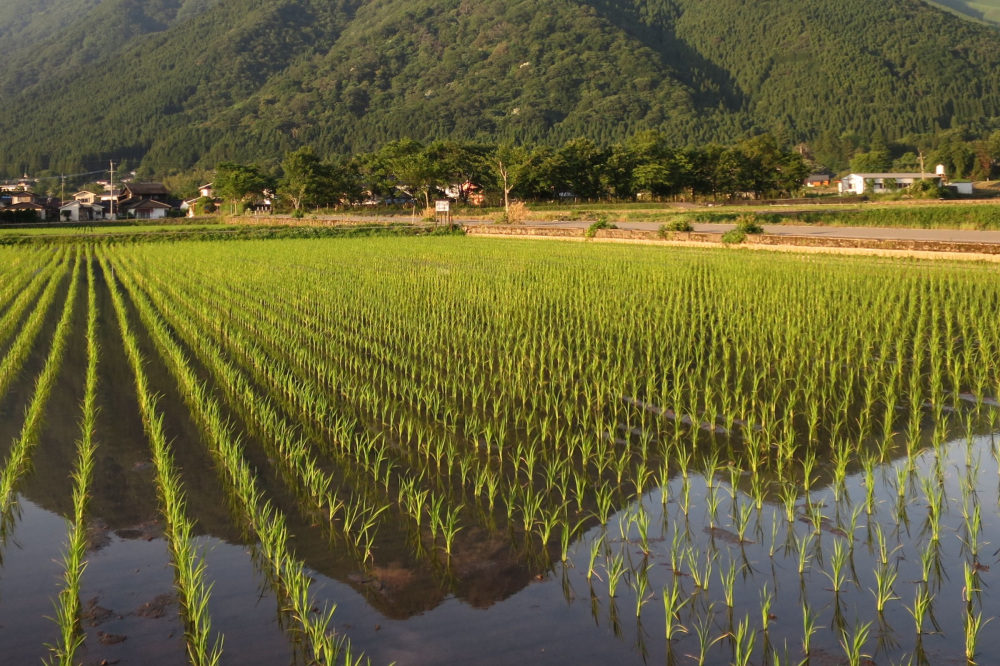
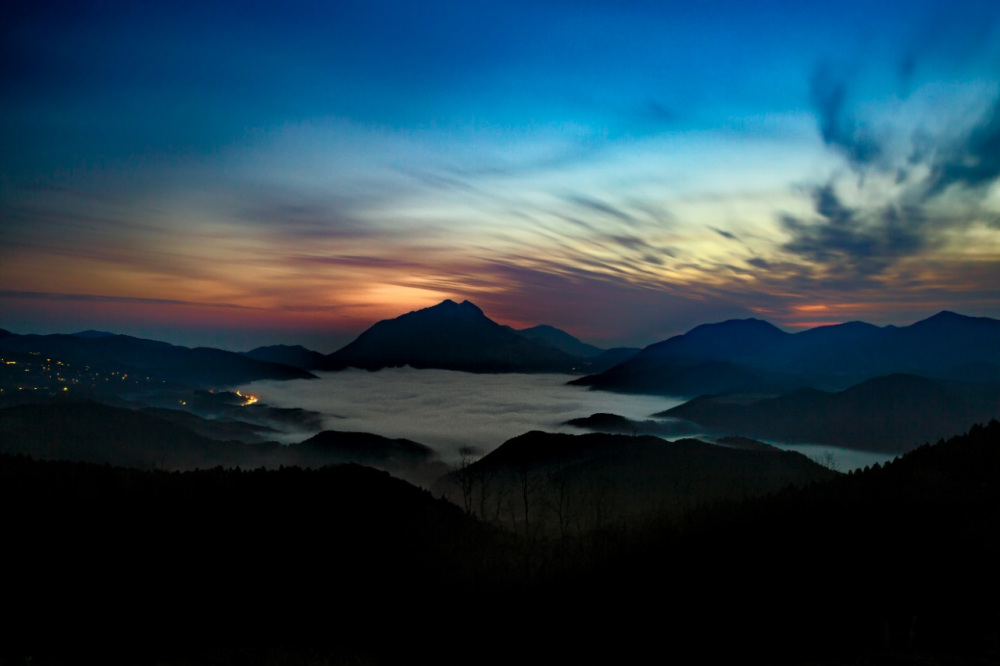
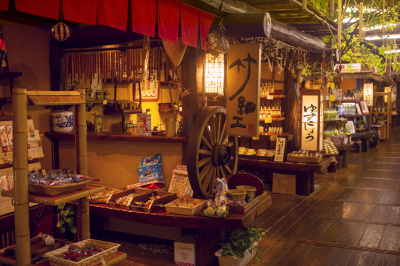
The pleasure of hiking Mount Yufu extends to after your descent too.Soaking your tired legs in a hot spring after your hike is a special experience unique to Mount Yufu. There are not many places where you can so easily combine mountains, beautiful countryside, and hot spring town in a single trip.
A day spent enjoying Mount Yufu might look something like this:
Morning hike → summit views → descent → stroll around Yufuin → onsen → local food
For active travelers visiting Kyushu, this is one of the most memorable ways to experience Oita.
Best Season
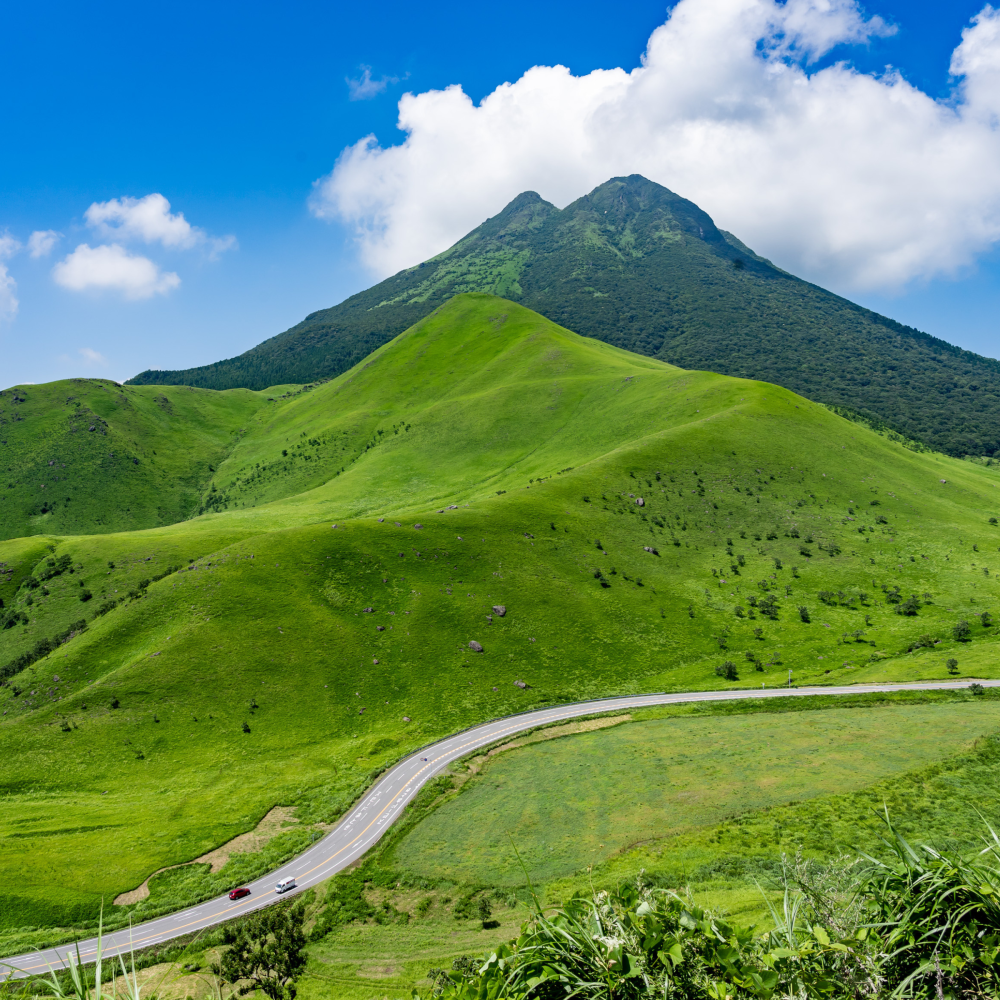
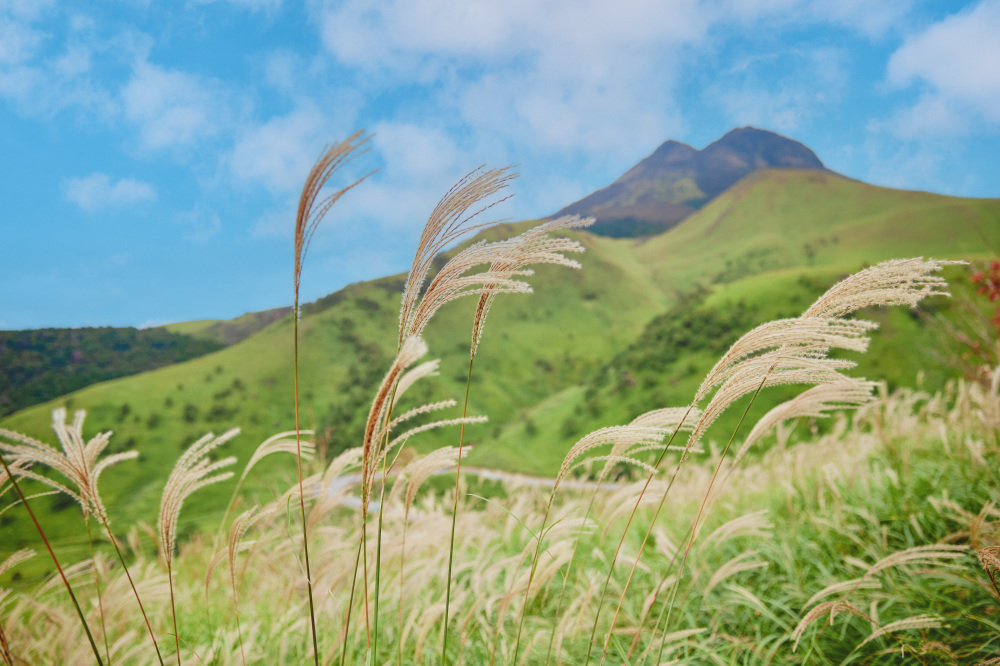
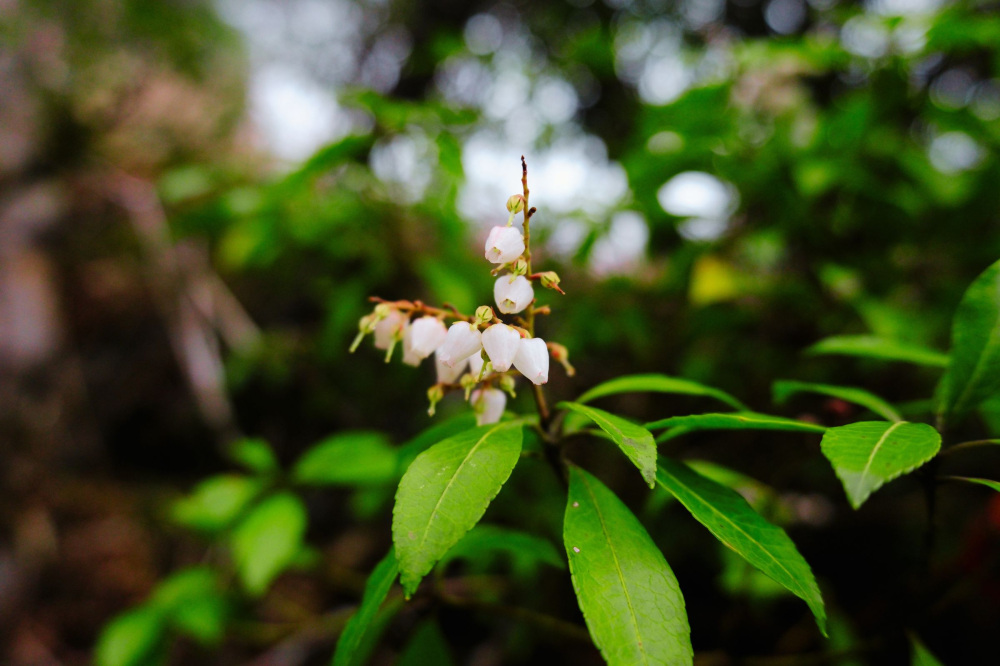
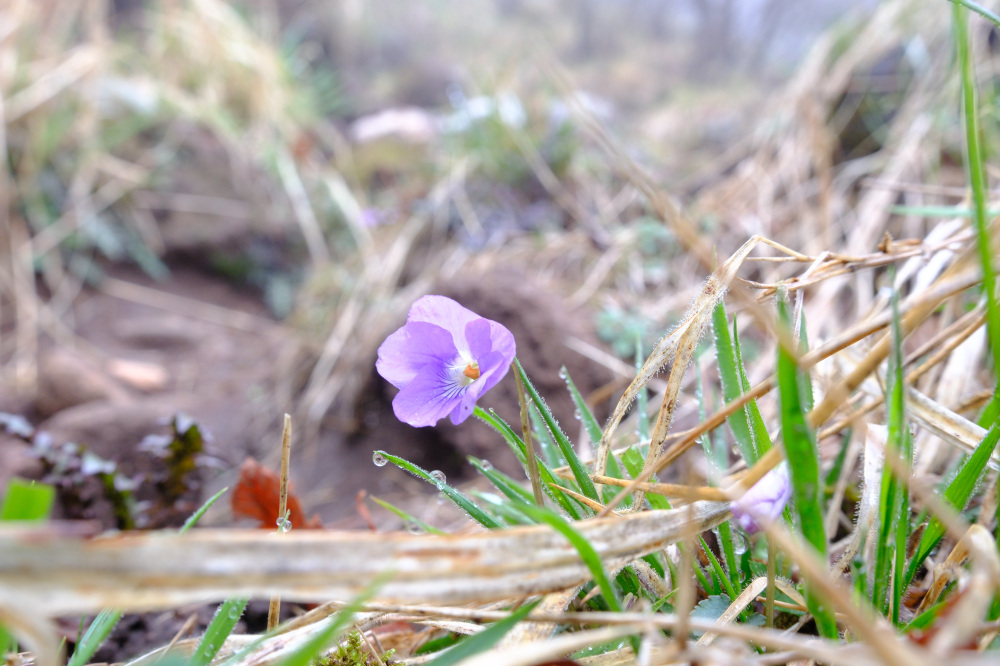
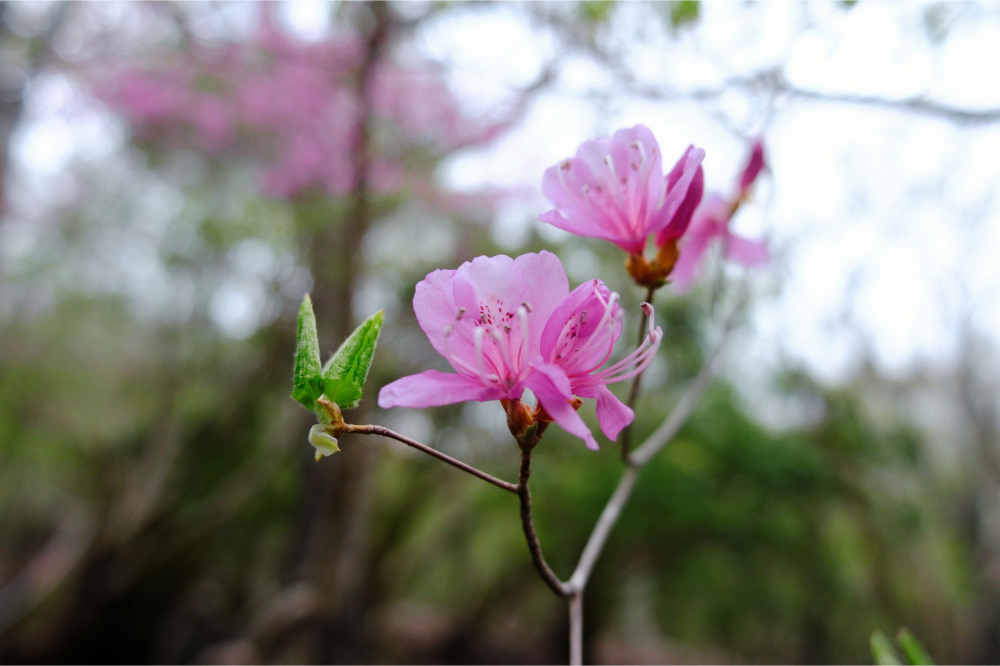
Spring and autumn are especially recommended for hiking Mount Yufu. Spring brings fresh greenery and seasonal flowers, while autumn offers cooler temperatures and clear mountain air.Summer can be hot and humid, especially at lower elevations, so hikers should carry extra water. Winter conditions require more experience and appropriate equipment, as the summit area can be cold, icy and windy.
Final Thoughts
Mount Yufu is a rewarding hike for travelers who want more than a simple sightseeing stop. It offers volcanic scenery, varied hiking trails, a rewarding summit, and hot springs to enjoy after your descent. It is a mountain filled with the unique charms of Oita Prefecture. For travelers who enjoy hiking and are visiting Oita, Mount Yufu is a mountain well worth spending a full day exploring.