New Year in Japan: Discover Oita’s First Sunrise & Hatsumode Traditions
Experience Japan’s New Year traditions in Oita — from watching the first sunrise of the year to joining Hatsumode, the customary shrine or temple visit for good fortune. Discover the best places and cultural insights for an unforgettable start to your year.
*Please note that the information provided may be subject to change.
Before your visit, please check the official websites for the latest updates.
* Please note that the text shown on this page includes machine translations.
Contents
- What Are “Hatsuhinode” and “Hatsumode”?
- Tips for Visiting Hatsuhinode & Hatsumode
- First Sunrise Spots – Beppu Bay Area (Beppu City / Hiji Town)
- First Sunrise Spots – Nippo Coast Area (Saiki City / Usuki City / Tsukumi City)
- First Sunrise Spots – Usa & Kunisaki Area (Kitsuki City / Usa City / Bungotakada City / Kunisaki City)
- First Sunrise Spots – Hita & Nakatsu–Yabakei Area (Nakatsu City / Kusu Town)
- Hatsumode Spots – Beppu Bay Area (Oita City / Beppu City / Hiji Town)
- Hatsumode Spots – Usa Kunisaki Area (Usa City / Bungotakada City / Kunisaki City / Kitsuki City)
- Hatsumode Spots – Hita & Yaba Area (Hita City / Nakatsu City)
- Hatsumode Spots – Oku-Bungo Area (Taketa City / Bungo-ono City)
- Hatsumode Spots – Nippo Coast Area (Usuki City / Saiki City / Tsukumi City)
- Hatsumode Spots – Yamanami Area (Yufu City / Kokonoe Town)
What Are “Hatsuhinode” and “Hatsumode”?
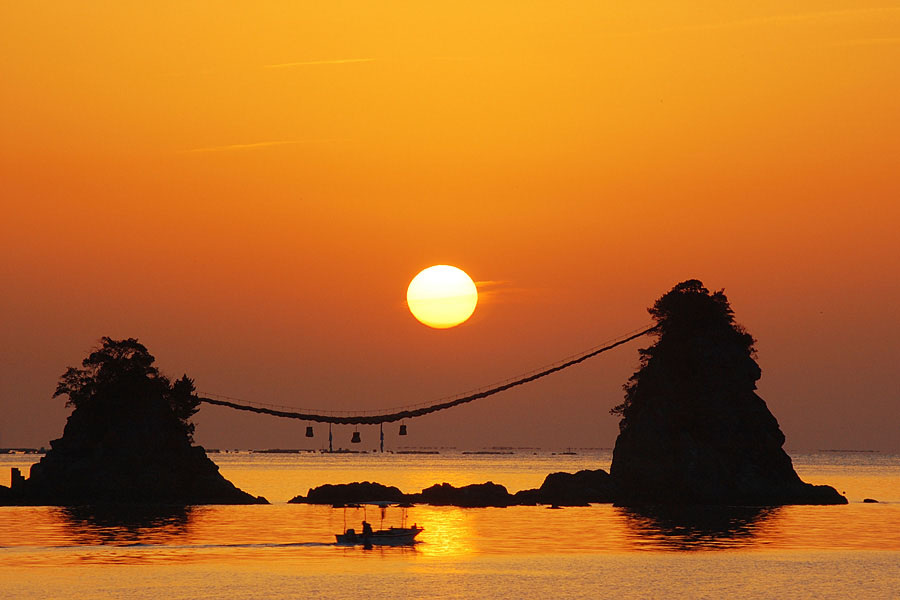
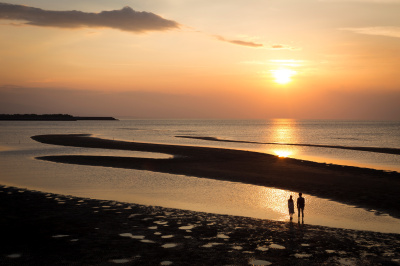
Hatsuhinode refers to the first sunrise of the New Year. In Japan, this first dawn is considered auspicious, and many people go out on the morning of January 1st to witness it. Traditionally, it has been believed that deities arrive together with the sunrise on New Year’s Day.
By greeting the first sunrise, people symbolically welcome these visiting deities. It is also said that watching the first sunrise is a way to pray for blessings in the coming year, such as a good harvest, good health, and good fortune.
Hatsumode is a long-standing Japanese custom in which people visit a shrine or temple for the first time in the New Year to pray for happiness and good fortune in the year ahead. Most people make their Hatsumode visit between January 1st and 3rd.
Here, we introduce some of the best places in Oita Prefecture to experience Hatsuhinode and Hatsumode.
These traditions offer a valuable opportunity to experience authentic Japanese culture.
Tips for Visiting Hatsuhinode & Hatsumode
【Hatsuhinode – First Sunrise】
Warm clothing:
It becomes extremely cold before sunrise. Wear layers, gloves, and a hat to keep warm.
Respect the environment:
Please take all your trash with you. Carrying out everything you bring in is an important rule.
Be considerate of others:
Keep voices low and avoid making loud noises to preserve the peaceful atmosphere.
Safety first:
Paths can be dark or slippery before dawn. Use a flashlight and take extra care when walking.
【Hatsumode – New Year Shrine/Temple Visit】
Follow the route:
Shrines and Temples can become very crowded during New Year. Follow staff instructions and posted signs.
Purification before prayer:
At the temizuya (water basin), lightly rinse your hands and mouth to purify yourself before praying.
How to pray:
At Shinto shrines, offer a coin, then follow the ritual of two bows, two claps, and one final bow.
(Note: Procedures may differ depending on the shrine or temple. Please follow local instructions.)
Photography etiquette:
Some areas—especially inside buildings—may prohibit photography. Follow posted signs and staff guidance.
Crowd etiquette:
Lines for praying, omikuji (fortunes), and amulets may be long. Please wait patiently without pushing or cutting in line.
Do not touch sacred objects:
Unless clearly permitted, avoid touching sacred ropes, statues, or ritual objects.
Cash is useful:
Offerings, omikuji, and amulets usually require cash. Having small coins is recommended.
Check transportation schedules:
Public transportation may operate on special timetables during the New Year holidays. Check schedules in advance.
First Sunrise Spots – Beppu Bay Area (Beppu City / Hiji Town)
- Jumonjibaru Observatory(Beppu City)
- At Beppu Ropeway, you can enjoy a 10-minute aerial ride up to the summit of Mt. Tsurumi (1,375 m) in Aso–Kuju National Park. Every year on January 1, they operate a special “First Sunrise Service”. On New Year’s Day, service normally starting at 9:00 is moved earlier to 5:00 in the morning, allowing visitors to admire the beautiful first sunrise rising over the Oita City side. Please check the official website for details.
DATA
Address: 10-7 Kanbara, Minamitateishi Aza, Beppu City
Inquiries: 0977-22-2278 (Beppu Ropeway) 
- See More
- Beppu Ropeway(Beppu City)
- At Beppu Ropeway, you can enjoy a 10-minute aerial ride up to the summit of Mt. Tsurumi (1,375 m) in Aso–Kuju National Park. Every year on January 1, they operate a special “First Sunrise Service”. On New Year’s Day, service normally starting at 9:00 is moved earlier to 5:00 in the morning, allowing visitors to admire the beautiful first sunrise rising over the Oita City side. Please check the official website for details.
DATA
Address: 10-7 Kanbara, Minamitateishi Aza, Beppu City
Inquiries: 0977-22-2278 (Beppu Ropeway) 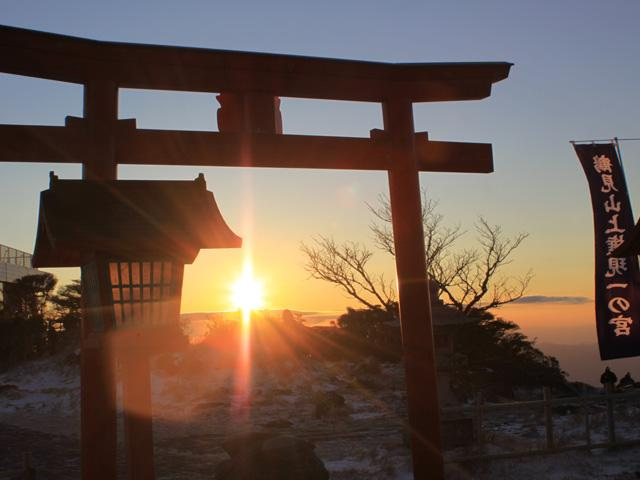
- See More
- Beppu Bay Service Area(Beppu City)
- This service area offers a spectacular panoramic view over Beppu City and the sea. On fine days, you can see as far as Cape Sada in Shikoku. Watching the sun rise over the mountains and the sea glowing red is truly breathtaking. Known as a “Lover’s Sanctuary” and also registered as a “Japan Nightscape Heritage” site, it is a popular rest spot for drivers.
DATA
Address: Ogi-yama, Uchikamado Aza, Beppu City
Inquiries: 0977-27-8118 (Beppu Bay Service Area Information) 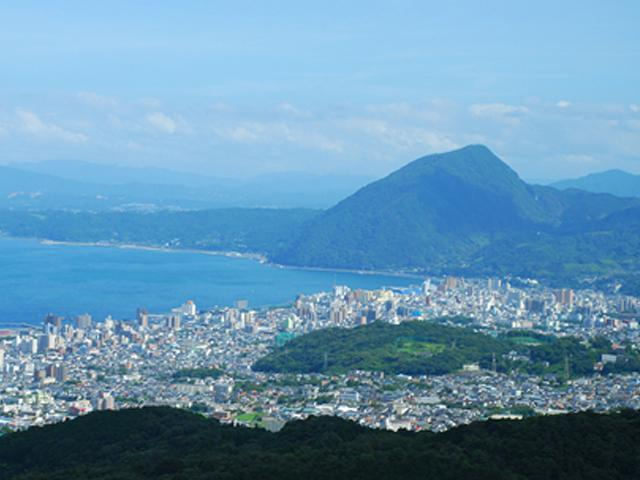
- See More
- Shiroshita Park(Hiji Town)
- Shiroshita Park is located below Yokoku Castle. The view over Beppu Bay with Mt. Takasaki in front is superb, and it is counted among the “Beppu Eight Views” and the “Top 100 Views of Oita.” The coast below the main enclosure is commonly called “Shiroshita Coast,” the namesake of the local specialty “Shiroshita Karei” flounder. You can also find a stone monument inscribed with a haiku by the poet Takahama Kyoshi.
DATA
Address: 2610-1 Hiji Town
Inquiries: 0977-72-4255 (Hiji Town Tourism Association) 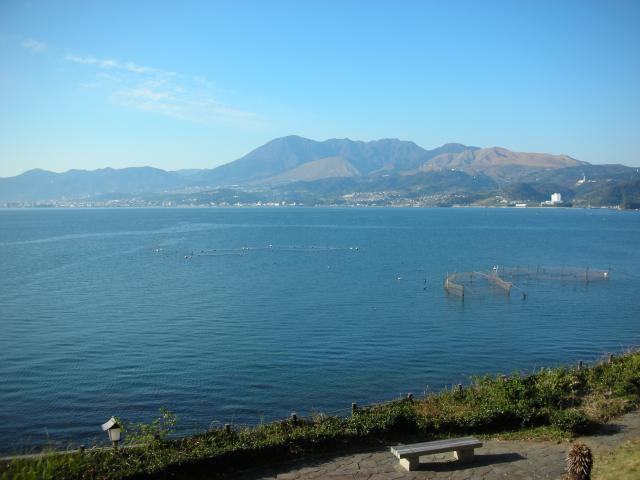
- See More
- Itogahama Seaside Park Observatory(Hiji Town)
- Itogahama Seaside Park is a comprehensive leisure facility centered around a shallow, family-friendly beach, with attached camping facilities and sports grounds. From the observatory on the north side of the park, you can enjoy a beautiful sunrise in the early morning. The sight of the sun rising over the expansive coastline is truly moving.
DATA
Address: Itogahama Seaside Park, 6842 Oga, Hiji Town
Inquiries: 0977-72-4255 (Hiji Town Tourism Association) 
- See More
- Kanawajima(Hiji Town)
- Off the coast near Yashiro Port in the Manai area stand two triangular pyramid-shaped rocks, long cherished by locals as the “Married Couple Rocks” of Kanawajima. Around sunrise, a mystical scene unfolds with Kanawajima at the center. It is considered one of the power spots of Hiji Town.
DATA
Address: Kanawajima, Yashiro Port, Manai, Hiji Town
Inquiries: 0977-72-4255 (Hiji Town Tourism Association) 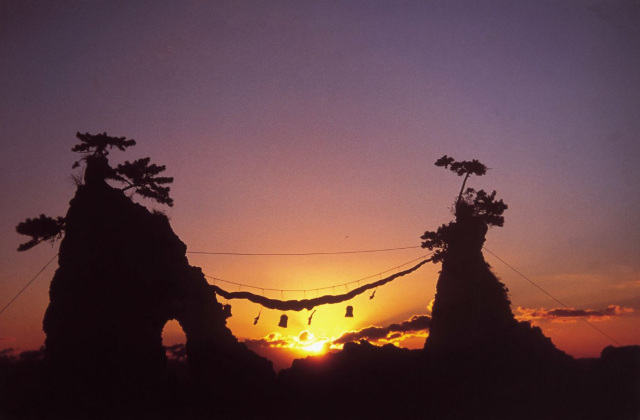
- See More
First Sunrise Spots – Nippo Coast Area (Saiki City / Usuki City / Tsukumi City)
- Bungo Futamigaura(Saiki City)
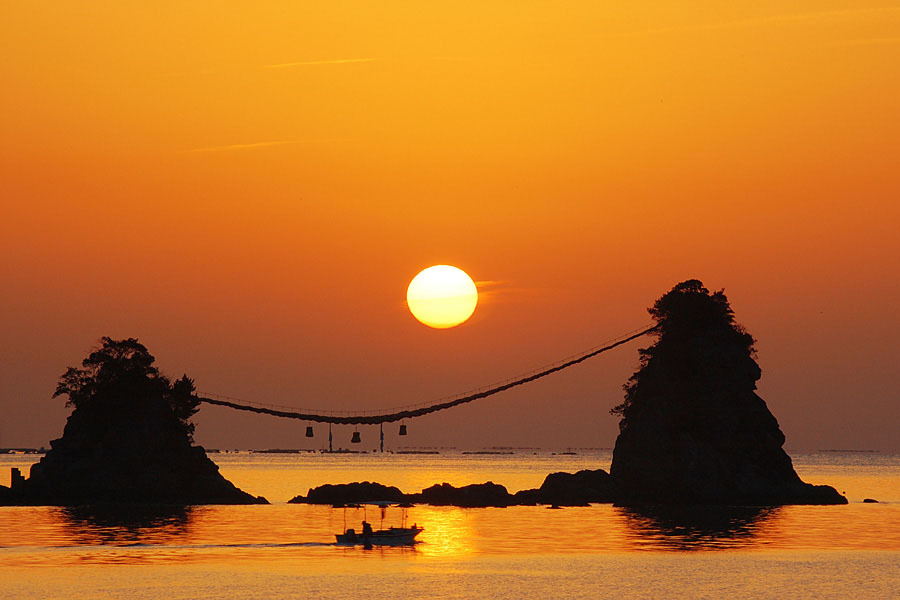
- This is one of Oita’s most famous first sunrise spots and has been designated an “Oita Heritage” site. The massive sacred rope (shimenawa) connecting the pair of “Married Couple Rocks” is about 65 m long, weighs around 2 tons, and has a maximum diameter of about 75 cm. It was featured in the Guinness Book of Records in 1994. The rope is replaced every year on the second Sunday of December by local volunteers.
DATA
Address: 2 Asami-ura, Kamiura Oaza, Saiki City
Inquiries: 0972-32-3111 (Saiki Kamiura Promotion Office) 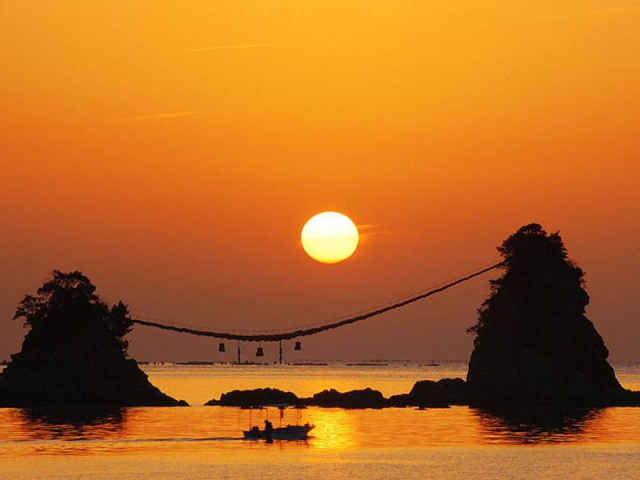
- See More
- Tsurumisaki Lighthouse(Saiki City)
- Located within Tsurumisaki Nature Park on a 200 m high cliff at the easternmost point of Kyushu, this lighthouse offers superb views. There is also an observation deck, and seasonal flowers make it an ideal place for a stroll. Ring the “Bell of Happiness” while enjoying the spectacular scenery—your wish may come true. Come and see the very first sunrise in Kyushu.
DATA
Address: Kajiyoseura, Tsurumi, Saiki City
Inquiries: 0972-33-1111 (Saiki Tsurumi Promotion Office) 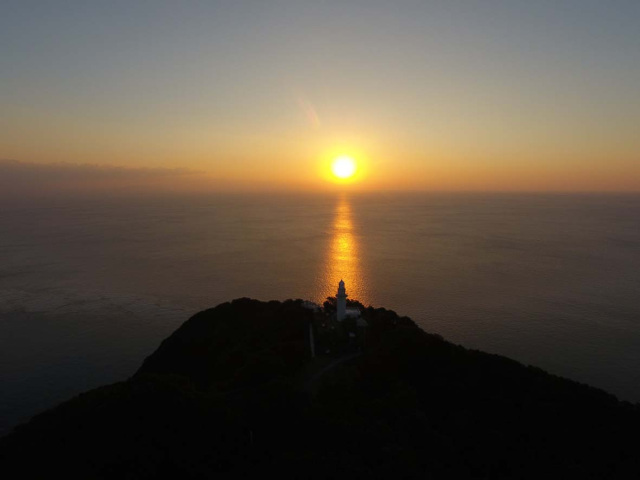
- See More
- Sora no Koen – “Sky Park”(Saiki City)
- As its name “Sky Park” suggests, this is a stunning location where the blue of the sky and the blue of the sea blend together, making the horizon almost indistinguishable. It sits along the scenic Bungo Kuroshio Line drive route at an elevation of about 250 m. From here, you can gaze out over the Pacific Ocean (Hyuga-nada), and on clear days you can even see the mountains of Shikoku.
DATA
Address: Hatanoura, Kamae Oaza, Saiki City
Inquiries: 0972-35-6111 (Saiki Yonozu Promotion Office) 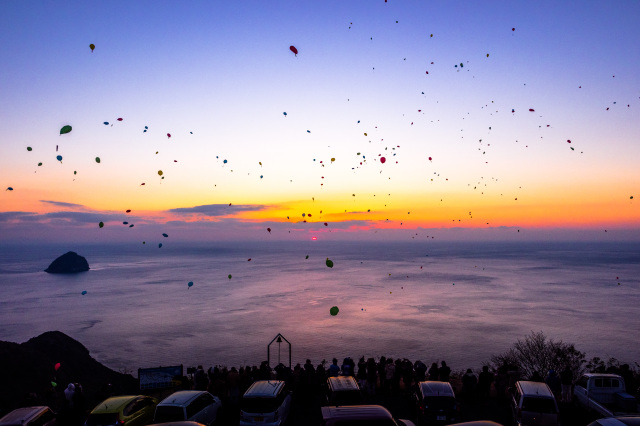
- See More
- Takahira Observatory Park(Saiki City)
- Situated atop a 280 m-high mountain, this “Sato-no-Eki”—a small countryside rest stop offering local hospitality and outdoor activities—features a campground, playground equipment, and other recreational facilities. With cycling roads and walking trails, it serves as a nature-rich observation park. The first sunrise rising from the Pacific Ocean is both solemn and impressive, and many visitors ring the “Bell of Happiness” to welcome the New Year.
DATA
Address: 2156-171 Kouchi, Takeno-ura, Kamae Oaza, Saiki City
Inquiries: 0972-42-1112 (Saiki Kamae Promotion Office) 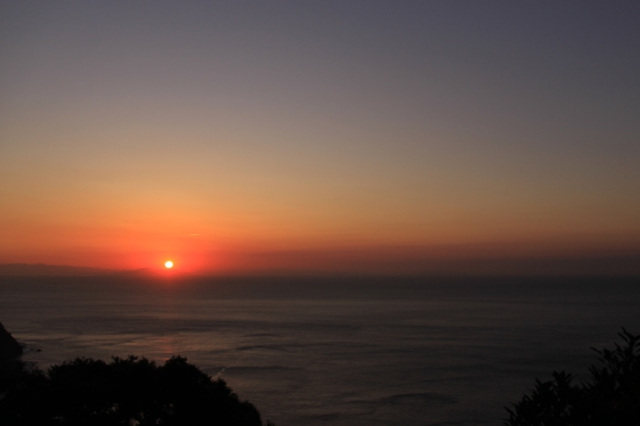
- See More
- Summit of Mt. Katamuki(Saiki City)
- Standing at 1,605 m, Mt. Katamuki is part of the Sobo–Katamuki Quasi-National Park and was registered as a UNESCO Global Geopark area (eco-park) in 2017. From the summit, you can enjoy a 360-degree panorama that includes Takachiho, Mt. Aso, the Kuju mountain range, Mt. Yufu, and Mt. Tsurumi. When conditions are right, a sea of clouds spreads below, creating a fantastical sunrise scene.
DATA
Address: 466-139 Kiurauchi, Ume, Saiki City
Inquiries: 0972-25-4111 (Saiki Ume Promotion Office) 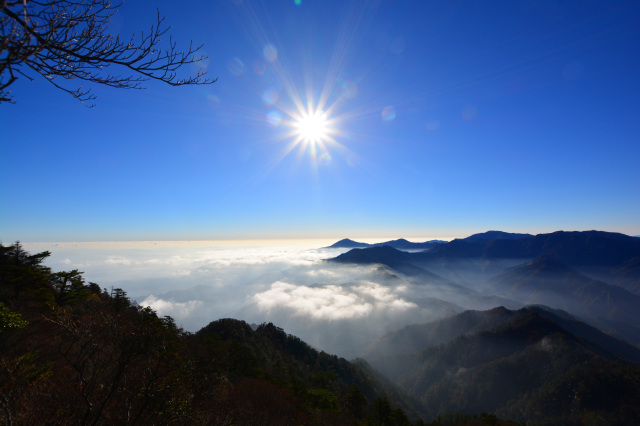
- See More
- Summit of Mt. Shakuma(Saiki City)
- Shakuma Shrine stands at the 645 m summit of Mt. Shakuma and is a popular place to view the first sunrise, attracting many worshippers from New Year’s Eve. The approach to the summit is steep, with stone stairways of either 100 or 400 steps. Normally you can drive up to near the eighth station, but the road is closed to vehicles during the year-end and New Year period.
DATA
Address: Shakuma, Yayoi Oaza, Saiki City
Inquiries: 0972-46-1111 (Saiki Yayoi Promotion Office) 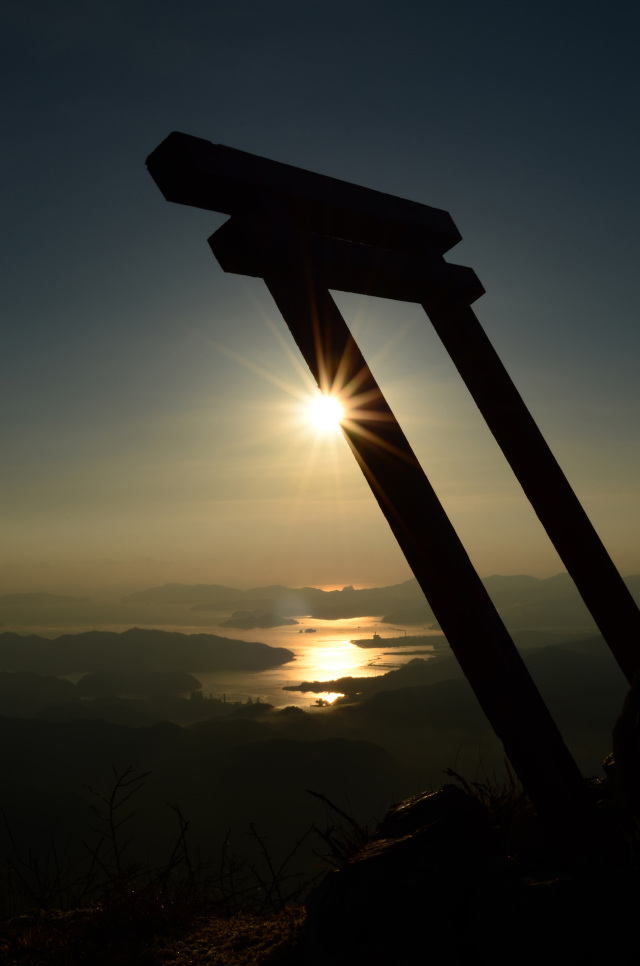
- See More
- Summit of Mt. Motokoshi(Saiki City)
- Mt. Motokoshi, with an elevation of 581 m, is listed among the “100 Famous Mountains of Kyushu.” From the summit, you can enjoy 360-degree views of the surrounding mountains, the Bungo Channel, and the Tsurumi Peninsula. There are two trailheads, and climbing events are held every spring and autumn. The noted writer Doppo Kunikida climbed this mountain twice while staying in Saiki, and he described the views in his novels.
DATA
Address: Kodachi / Yonozu area, Saiki City
Inquiries: 0972-23-3400 (Saiki City Tourist Information Center) 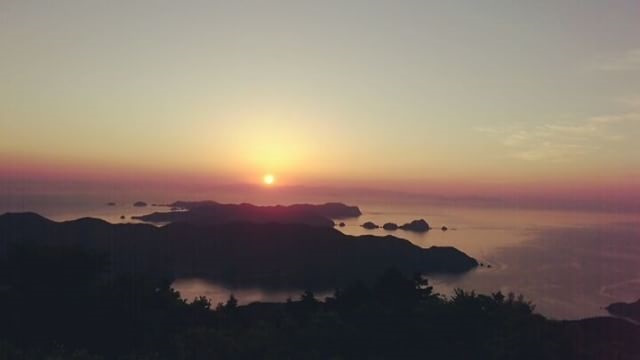
- See More
- Summit of Shiroyama(Saiki City)
- Located in the center of Saiki, Shiroyama rises to 145 m. The castle was built here in 1606 by Takamasa Mouri, but today only the turret gate and stone walls at the summit remain. Beloved by author Doppo Kunikida, Shiroyama is also cherished by locals as a place of comfort. From the summit, you can overlook Saiki Bay, the Banjou River, and the city.
DATA
Address: Otemachi 1-chome, Saiki City
Inquiries: 0972-23-3400 (Saiki City Tourist Information Center) 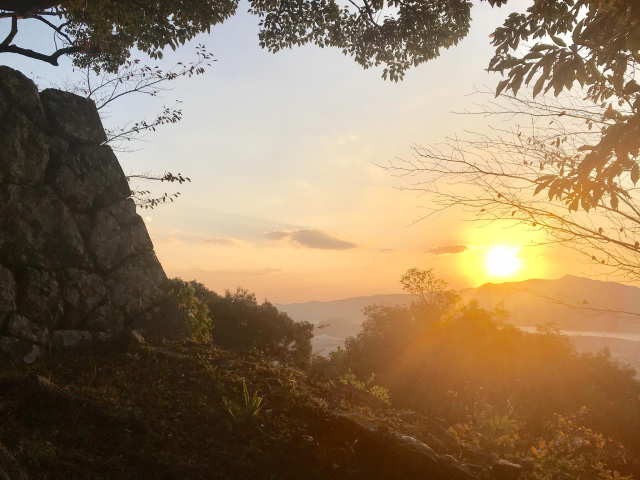
- See More
- Sashiu Coast(Usuki City)
- Located at the eastern edge of Usuki City, on the border with Saganoseki in Oita City, this coast is the only place in Usuki where you can see the sun rise directly from the horizon. The dazzling reflection of the first sunrise on the sparkling sea is truly spectacular. There is also a nearby park where you can relax while gazing at the ocean.
DATA
Address: Border area between Saganoseki (Oita City) and Usuki City
Inquiries: 0972-64-7130 (Usuki City Tourism Association) 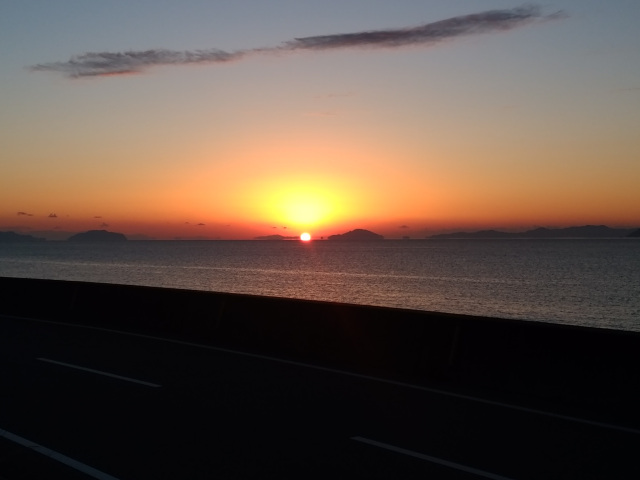
- See More
- Takahama Beach(Tsukumi City)
- Takahama Beach, located near the tip of the Shitsu Peninsula in Tsukumi City, is known for its highly transparent seawater and fine, soft sand. Sea turtles sometimes come here to lay eggs. From this beautiful sandy beach and the emerald-blue sea, you can watch the first sunrise of the year rise over the Bungo Channel.
DATA
Address: Takahama, Youra, Tsukumi City
Inquiries: 0972-82-9521 (Tsukumi City Tourism Association) 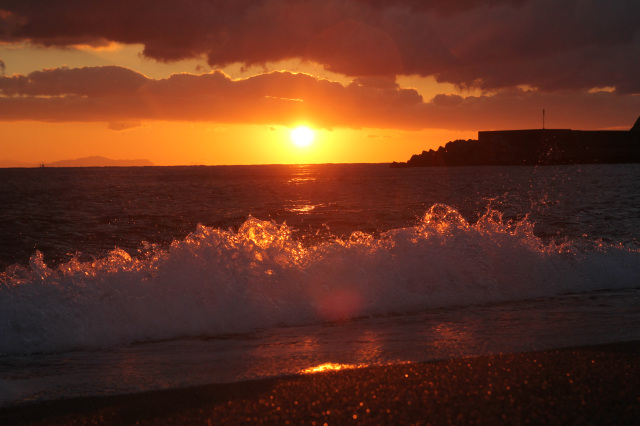
- See More
First Sunrise Spots – Usa & Kunisaki Area (Kitsuki City / Usa City / Bungotakada City / Kunisaki City)
- Nata & Karishuku Coast(Kitsuki City)
- This scenic coastline is lined with beautiful white sand and impressive old black pine trees. Offshore stands an isolated rock called Itsukushima or Ichikishima, said to be the place where the goddess Hime-okami descended. A small torii gate is set on the rock, adding to the sacred atmosphere.
DATA
Address: Nata, Kitsuki City
Inquiries: 0978-63-0100 (Kitsuki City Tourism Association) 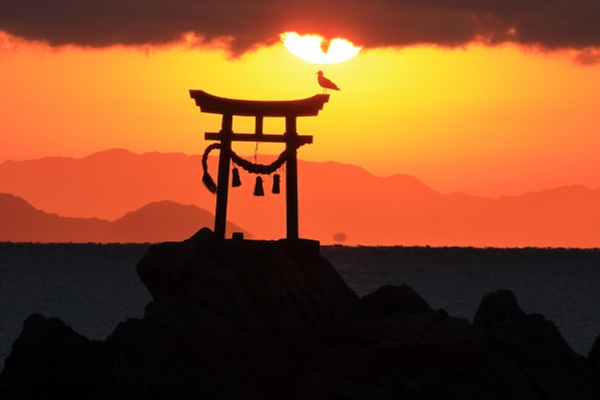
- See More
- Kōzan-ji Temple(Bungotakada City)
- Kōzan-ji was once one of the principal temples of the Rokugō Manzan Buddhist culture. Located near the 643 m summit of Mt. Eiei, it offers views of the surrounding mountains of the Kunisaki Peninsula and is also popular as a spiritual power spot.
DATA
Address: 140-91 Odawara, Bungotakada City
Inquiries: 0978-25-6219 (Bungotakada City Tourism Division) 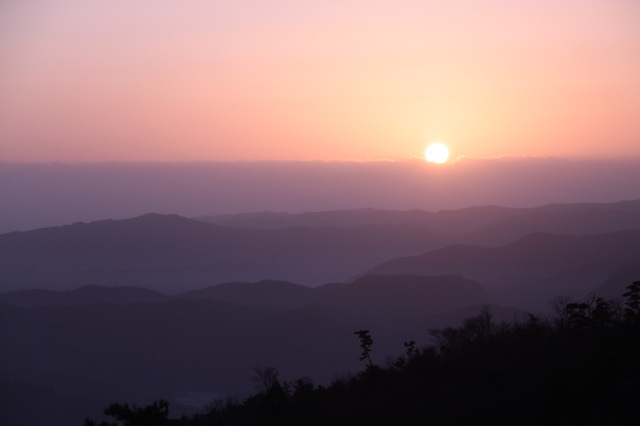
- See More
- Shigefuji Coast(Kunisaki City)
- Shigefuji Coast features a beautiful stretch of sandy beach where you can watch the sun slowly rise over the horizon. On January 1, many people visit here to bathe in the light of the first sunrise and pray for health and safety in the coming year.
DATA
Address: Shigefuji Asahi District, Kunisaki-cho, Kunisaki City
Inquiries: 0978-73-0962 (Kunisaki City Tourism Association) 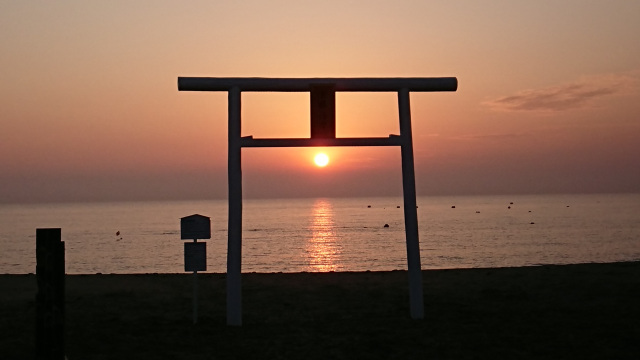
- See More
- Narawara Coast(Kunisaki City)
- Narawara Coast is the closest beach to Konpira Rock, one of Kunisaki’s most famous first sunrise spots. The sight of the morning sun illuminating Konpira Rock, with its small red torii perched on the rocky outcrop jutting into the sea, is truly magical.
DATA
Address: Hama, Kunisaki-cho, Kunisaki City
Inquiries: 0978-73-0962 (Kunisaki City Tourism Association) 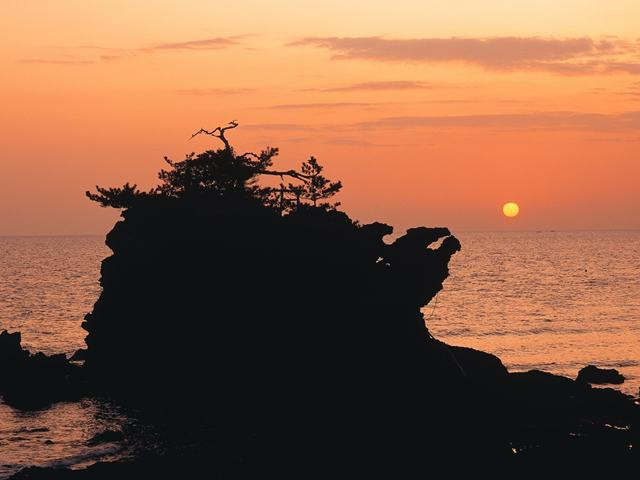
- See More
- Ogi Observatory Park(Kunisaki City)
- This scenic viewpoint on a hilltop is about 7 minutes by car from Oita Airport. On clear days, you can see all the way to Shikoku. The road up to the park is a narrow forest track, so please drive carefully.
DATA
Address: Ogi, Musashi-cho, Kunisaki City
Inquiries: 0978-73-0962 (Kunisaki City Tourism Association) 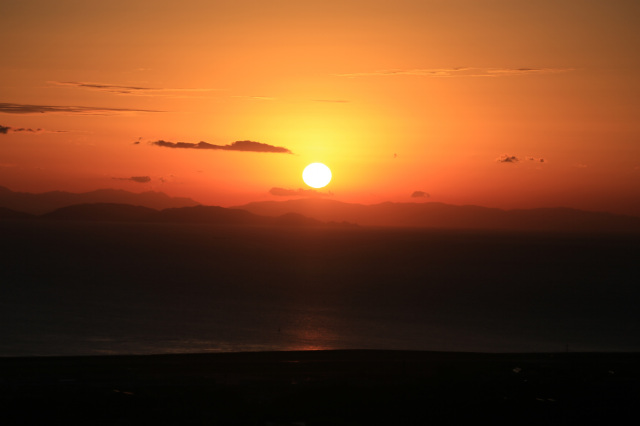
- See More
First Sunrise Spots – Hita & Nakatsu–Yabakei Area (Nakatsu City / Kusu Town)
- Tenku no Michi Observatory(Nakatsu City)
- Mt. Hachimen rises to 659.4 m and is said to have earned its name because it looks nearly the same from all directions. From the observatory, you can overlook the city below, and on clear days you can even see across Suo-nada Bay to Yamaguchi Prefecture. Walking paths and slopes make it easy to enjoy a stroll.
DATA
Address: 3567-2 Mikado, Sankō Taguchi, Nakatsu City
Inquiries: 0979-43-2050 (Nakatsu City Hall Sankō Branch) 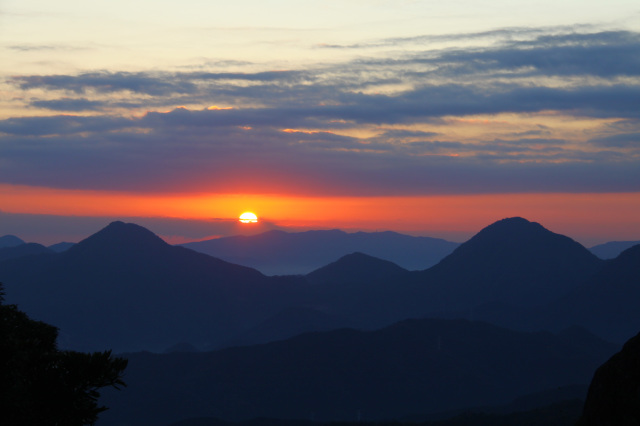
- See More
- Mt. Kirikabu(Kusu Town)
- Mt. Kirikabu (685 m) is a small mesa located south of the Kusu Basin and is familiar to locals as a symbol of the town. Legend says it is the “giant stump of a camphor tree.” You can drive up near the summit, from where you can enjoy a beautiful view of the first sunrise. With a bit of luck, you may also see a sea of clouds spreading below.
Please note that the restrooms at the summit will be closed until March 2, 2026, and KIRIKABU HOUSE will be closed until February 2026.
DATA
Address: Yamada, Kusu Town
Inquiries: 0973-72-7153 (Kusu Town Hall,Planning, Commerce and Tourism Division) 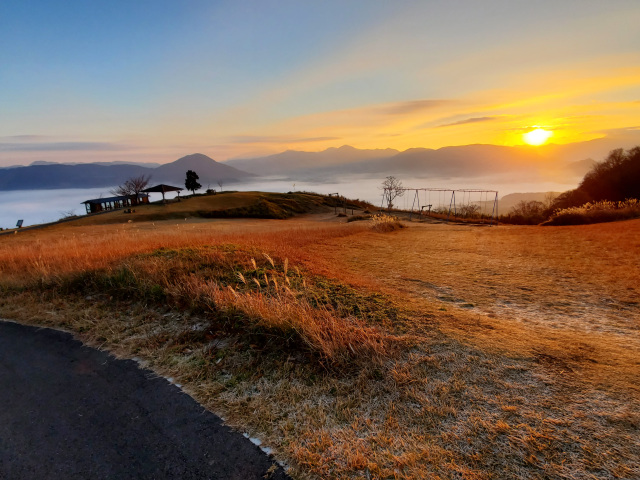
- See More
Hatsumode Spots – Beppu Bay Area (Oita City / Beppu City / Hiji Town)
- Gokoku Shrine(Oita City)
- Founded in 1875, this shrine traces its origins to the Shōkōsha, which was established to honor the spirits of those who sacrificed their lives for Japan. It continues to serve as a place of remembrance and prayer, and is one of the most significant shrines in Oita Prefecture.From the end of the year through the end of March, you can see one of Kyushu’s largest ema votive plaques featuring the Chinese zodiac sign of the year, as well as giant lucky items such as Japan’s tallest decorative arrow, a huge rake for “raking in” good fortune, and special arrows said to help make wishes come true.
DATA
Address: 1371 Maki, Oita City
Inquiries: 097-558-3096 (Gokoku Shrine) 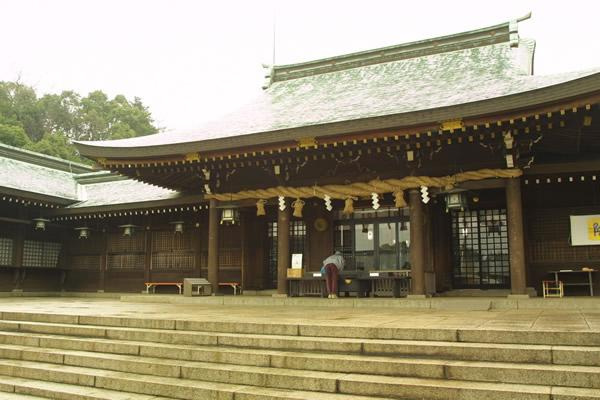
- See More
- Kasuga Shrine(Oita City)
- With a history of over 1,100 years, this is one of Oita Prefecture’s oldest and most important shrines, dating back to the Heian period. At midnight on New Year’s Day, a great drum is struck, and worshippers filling the grounds clap their hands in unison, each offering their wishes for the coming year.
DATA
Address: 4-6-87 Seike-machi, Oita City
Inquiries: 097-532-5638 (Kasuga Shrine) 
- See More
- Yusuhara Hachimangu Shrine(Oita City)
- Established in the early Heian period as a branch of Usa Hachimangu, this shrine has long been revered as the primary shrine (ichinomiya) of the old Bungo Province and was worshipped by provincial governors and samurai families. Within the spacious precincts stands a massive camphor tree with a trunk circumference of 18.5 m, said to be around 3,000 years old.
DATA
Address: 987 Yawata, Oita City
Inquiries: 097-534-0065 (Yusuhara Hachimangu Shrine) 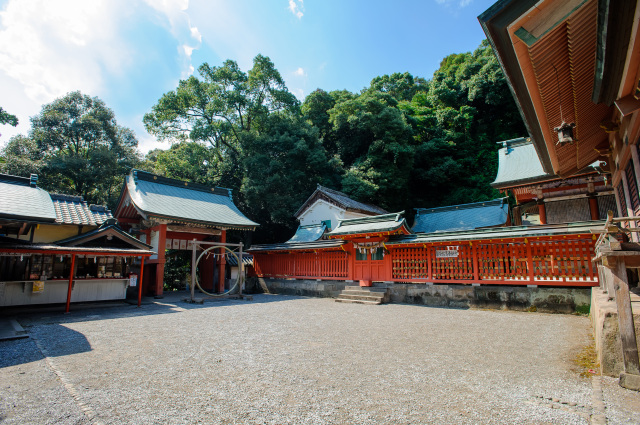
- See More
- Sasamuta Shrine(Oita City)
- Sasamuta Shrine is famous as a viewing spot for beautiful wisteria blossoms that bloom from a single tree. It has long been deeply revered by provincial governors and military leaders, and within Oita Prefecture it is known as the second most important shrine after Usa Jingu. On January 1, the “Gantan-sai” New Year’s Day Festival is held.
DATA
Address: 1644 Sasamuta, Oita City
Inquiries: 097-569-4182 (Sasamuta Shrine) 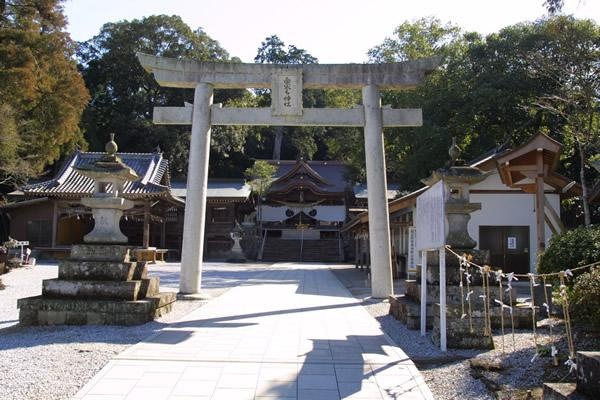
- See More
- Hachiman Asami Shrine(Beppu City)
- From the shrine grounds, you can enjoy a sweeping view over Beppu City, and there is a large sacred camphor tree. Among the paving stones are one shaped like a sake cup and another like a gourd. It is said that stepping on these stones brings good health and good fortune.
DATA
Address: 2-15-19 Asami, Beppu City
Inquiries: 0977-23-1408 (Hachiman Asami Shrine) 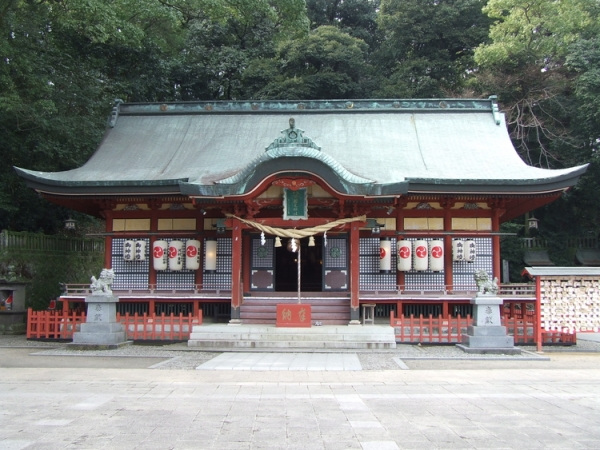
- See More
- Tsurumi Sanjo Gongen Ichinomiya(Beppu City)
- Tsurumi Sanjo Gongen Ichinomiya stands in front of the summit station of the ropeway at an elevation of about 1,300 m. Along the walking paths at the mountaintop, various deities are enshrined at different spots, allowing visitors to enjoy a pilgrimage to sacred sites and a “Shichifukujin Meguri” (tour of the Seven Lucky Gods).
DATA
Address: 10-7 Kanbara, Minamitateishi Aza, Beppu City
Inquiries: 0977-22-2278 (Beppu Ropeway) 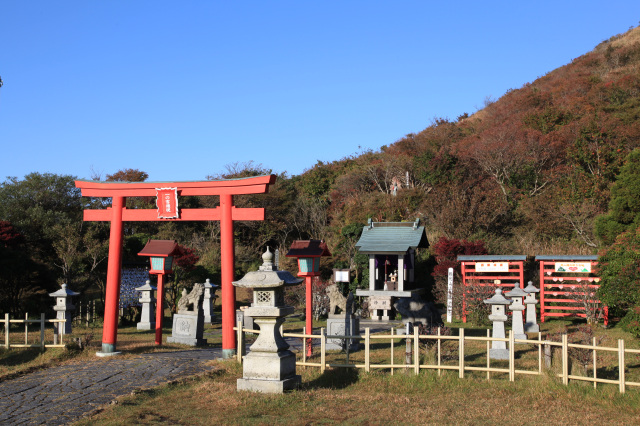
- See More
Hatsumode Spots – Usa Kunisaki Area (Usa City / Bungotakada City / Kunisaki City / Kitsuki City)
- Usa Jingu Shrine(Usa City)
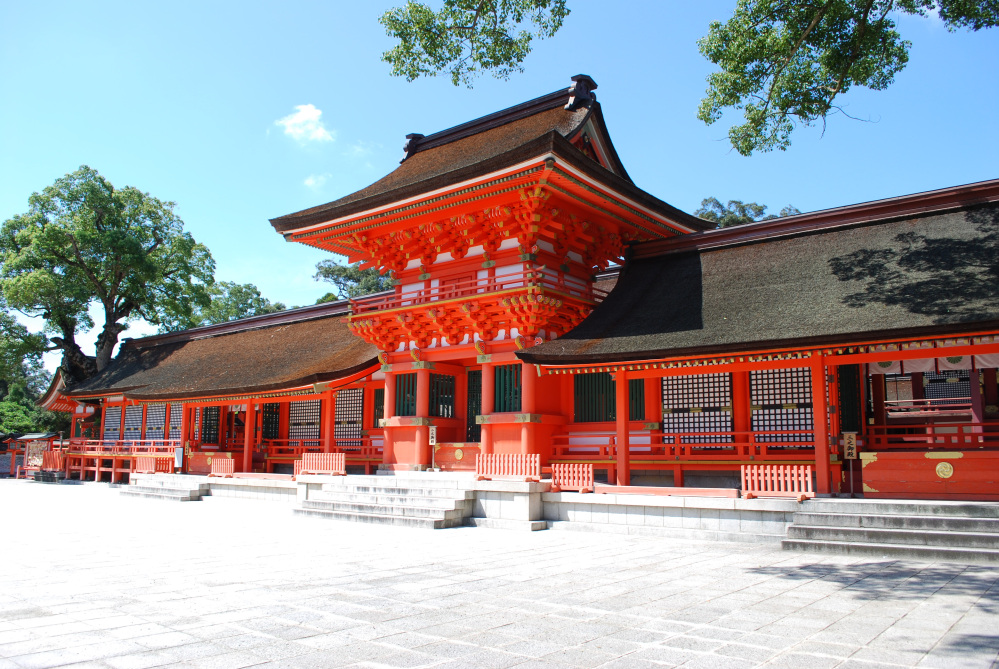
- Usa Jingu is the head shrine of all Hachiman shrines in Japan and is known as the “second grand sanctuary” after Ise Jingu, as well as the ichinomiya of the old Buzen Province. It is famous for a wide range of blessings, including success in battle, family safety, good fortune and prosperity, business success, traffic safety, protection from misfortune, and academic achievement. During the Hatsumode season, it is crowded with worshippers.
DATA
Address: 2859 Minami-Usa, Usa City
Inquiries: 0978-37-0001 (Usa Jingu Shrine) 
- See More
- Wakamiya Hachimangu Shrine(Bungotakada City)
- Wakamiya Hachimangu is a branch shrine of Usa Jingu for the Kurewa District, one of the six historical districts (Musashi, Kunawa, Kunisaki, Tashibu, Aki, and Imi) on the Kunisaki Peninsula. According to tradition, a divine message was given in 824 to Sakai Monshu no Musume, mother of Omiwa no Uzumaro from Usa District in Buzen Province, and the shrine was founded in December 852 based on this oracle.
DATA
Address: 1 Mitama, Bungotakada City
Inquiries: 0978-25-6219 (Bungotakada City Commerce and Tourism Division) 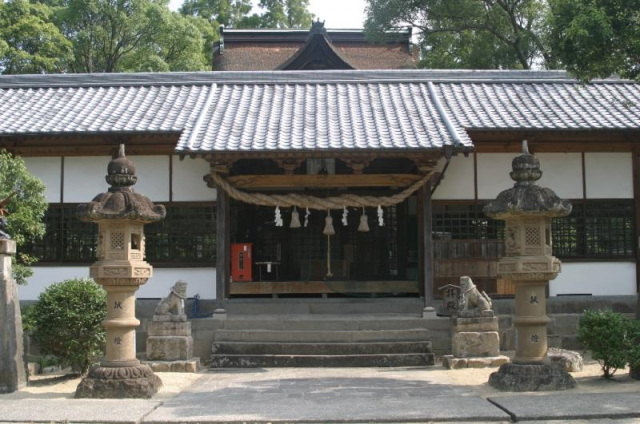
- See More
- Awashima Shrine(Bungotakada City)
- Awashima Shrine is a rare shrine built in a rocky cave projecting out into the sea. The deity was originally worshipped for curing diseases of crops and livestock, but over time came to be revered as a god of matchmaking and safe childbirth. It is especially believed that at least one wish made by a woman will surely be granted.
DATA
Address: 7-10 Usuno, Bungotakada City
Inquiries: 0978-25-6219 (Bungotakada City Commerce and Tourism Division) 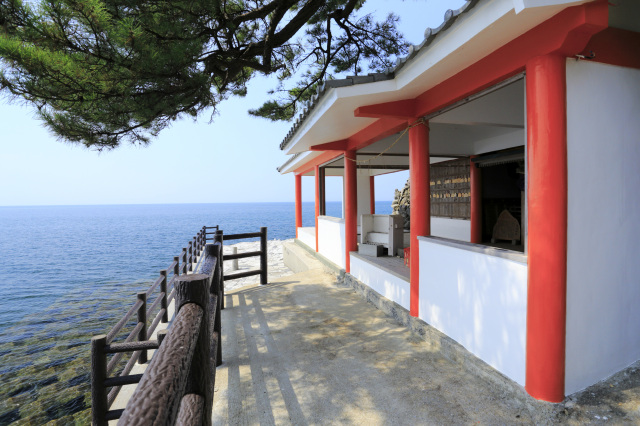
- See More
- Futago-ji Temple(Kunisaki City)
- Futago-ji is one of the main Rokugō Manzan temples located in the center of the Kunisaki Peninsula, said to have been founded in 718 by the monk Ninmon. The pair of guardian Nio statues at the temple gate are the largest on the peninsula, and their finely carved forms are considered representative of Kunisaki’s Buddhist sculpture.
DATA
Address: 1548 Futago, Aki-machi, Kunisaki City
Inquiries: 0978-65-0253 (Futago-ji Temple) 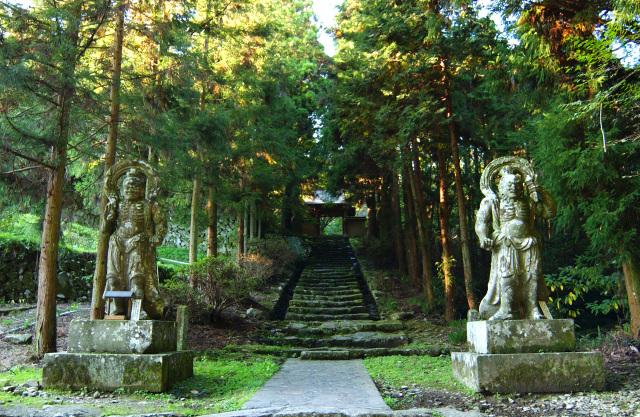
- See More
- Monjusen-ji Temple(Kunisaki City)
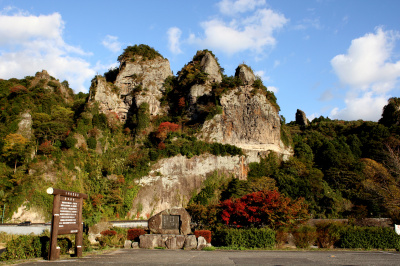
- Counted as one of the “Three Great Monju” temples of Japan, Monjusen-ji is an ancient temple said to have been founded in 648 by the ascetic En no Gyōja. The dramatic rock peaks surrounding the temple are known as “Monju Yaba” and have been designated a national Place of Scenic Beauty.
DATA
Address: 2432 Daonji, Kunisaki-cho, Kunisaki City
Inquiries: 0978-74-0820 (Monjusen-ji Temple) 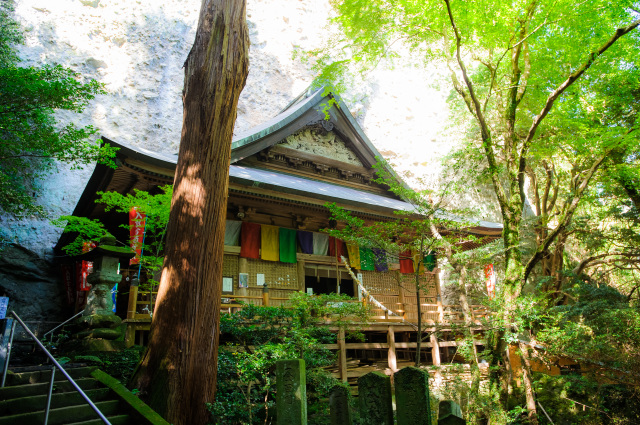
- See More
- Nata Coast – Hachiman Natagu Shrine(Kitsuki City)
- Near the center of Nata Beach stands Hachiman Natagu Shrine, which houses three wooden statues including the Hachiman deity image said to have once been the sacred object of Usa Jingu. About 300 m offshore lies an isolated rock regarded as the original shrine site, with a small torii gate on top.In May 2025, Hachiman Nata Shrine was featured on the cover of National Geographic (Italian edition), one of the world’s most widely read travel and science magazines.
DATA
Address: Nata, Kitsuki City
Inquiries: 0978-63-0100 (Kitsuki City Tourism Association) 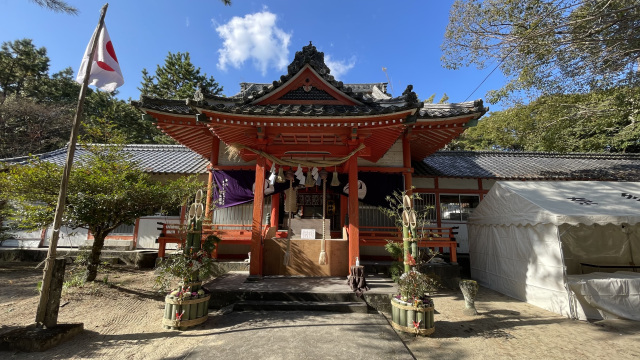
- See More
Hatsumode Spots – Hita & Yaba Area (Hita City / Nakatsu City)
- Ohara Hachimangu Shrine(Hita City)
- Ohara Hachimangu Shrine, one of the largest Hachiman shrines in Oita Prefecture, enshrines the deities Otarashihime no Mikoto (Empress Jingu), Hondawake no Mikoto (Emperor Ojin), and Hime Okami. The shrine is said to have originated in 680, when the Hachiman deity appeared at Iwamatsuga-mine in Yukie no Sato (now Amagase-machi Kurakatao). The oldest structure in the grounds, the sakura-mon gate, dates from 1687, while the worship hall, offering hall, and main hall are believed to have been built in 1794. These structures are considered to be of great historical value.
DATA
Address:184 Tajima, Hita City
Inquiries:0973-23-8951 (Ohara Hachimangu Shrine) 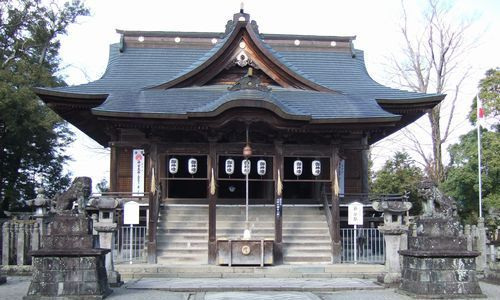
- See More
- Takatsuka Atago Jizō-son(Hita City)
- Affectionately known as “Takatsuka-san,” this temple complex is home to around 2,600 Jizō statues. It is said to have begun over 1,200 years ago, when the monk Gyōki came down to the Chikugo area, carved a Jizō statue, and built a hall to enshrine it. Takatsuka Atago Jizō-son is known as a rare example that preserves the syncretic form of Shinto and Buddhism, and is famous for its reputation of granting Sincere prayers to the divine lead to the fulfillment of one’s wishes.”
DATA
Address: 3740 Mabaru, Amagase-machi, Hita City
Inquiries: 0120-417-381 (Takatsuka Atago Jizō-son) 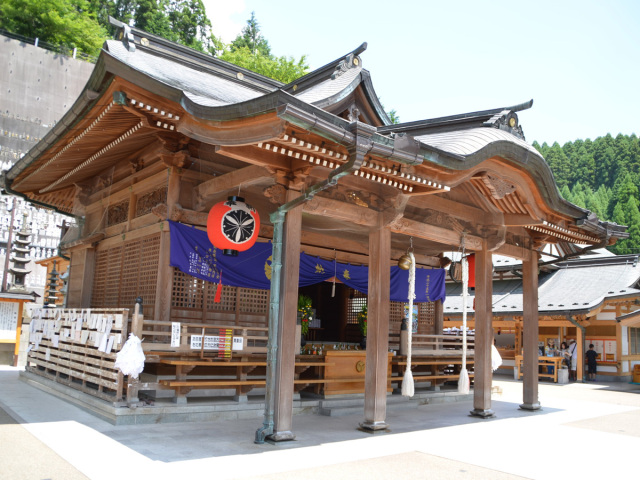
- See More
- Komo Shrine(Nakatsu City)
- Komo Shrine is regarded as the original shrine (motomiya) of Usa Jingu, the head shrine of all Hachiman shrines in Japan. The main shrine buildings are considered the lower shrine, while the triangular pond (Misumi-ike) within the grounds is revered as the inner shrine, making this a unique shrine layout. The sacred light reflected on the surface of Misumi Pond creates a divine atmosphere that seems to fill visitors with energy. The impressive shrine gate, which looks almost like a castle gate, is designated as an Important Cultural Property of Japan.
DATA
Address: 209 Oaza Osada, Nakatsu City
Inquiries: 0979-32-2440 (Komo Shrine) 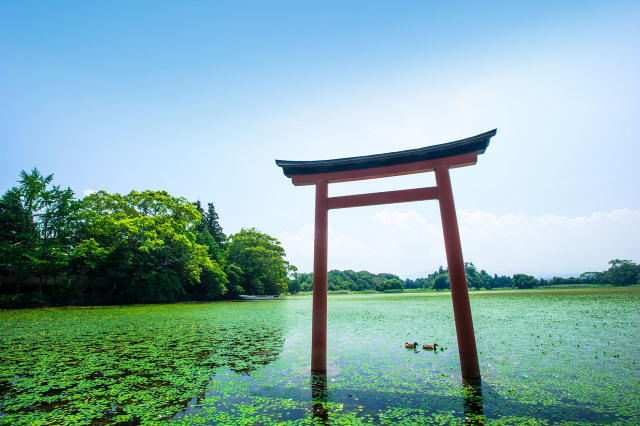
- See More
- Nakatsu Daijingū & Nakatsu Shrine(Nakatsu City)
- Nakatsu Daijingū and Nakatsu Shrine are located within the park area of the former Nakatsu Castle site. Nakatsu Daijingū enshrines the transferred deities of Ise Jingu and is affectionately known as “the Ise Shrine of Buzen Province.” Nakatsu Shrine stands on the site of the former pine palace. In summer, the Nakatsu Gion Festival—one of Nakatsu’s representative festivals—is held here.
DATA
Address: 1273-1 Ninocho, Nakatsu City
Inquiries: 0979-22-0523 (Nakatsu Daijingū) 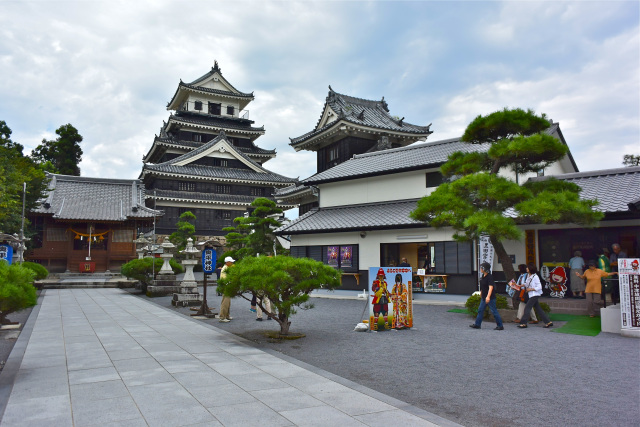
- See More
- Kumo Hachimangu Shrine(Nakatsu City)
- About 500 m downstream from the small river that flows through the main shrine grounds lies a sacred rock called “Kumo-ishi rock.” According to legend, in 703 a childlike deity appeared from clouds rising in seven colors above this rock. The rock is revered as the seat where the deity descends—an ancient sacred rock known as an iwakura—and was worshipped as the “Shrine in the Clouds.” This place is considered the original site of Kumo Hachimangu.
DATA
Address: 407 Miyazono, Yabakei-machi, Nakatsu City
Inquiries: 0979-56-2309 (Kumo Hachimangu Shrine) 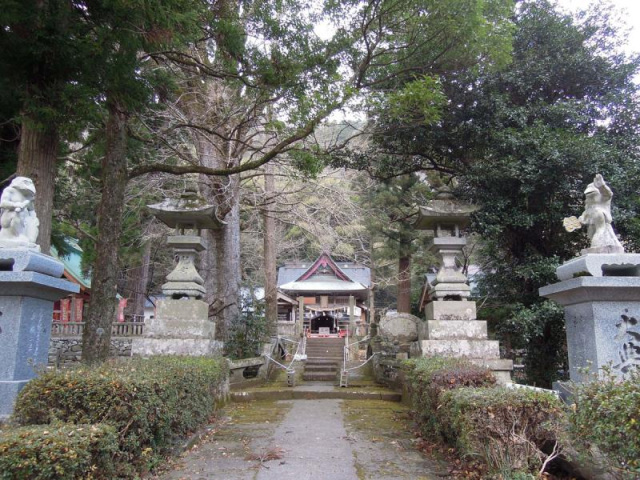
- See More
Hatsumode Spots – Oku-Bungo Area (Taketa City / Bungo-ono City)
- Ougimori Inari Shrine(Taketa City)
- Counted among the “Three Great Inari Shrines of Kyushu,” Ougimori Inari Shrine is a popular power spot that attracts many worshippers from across Japan during New Year and the Hatsuuma Festival (late March). Locals affectionately refer to it by its nickname “Kōtō-sama.”
DATA
Address: 811 Haidabaru Aza Sakuraze, Oaza Haida, Taketa City
Inquiries: 0974-63-1588 (Ougimori Inari Shrine) 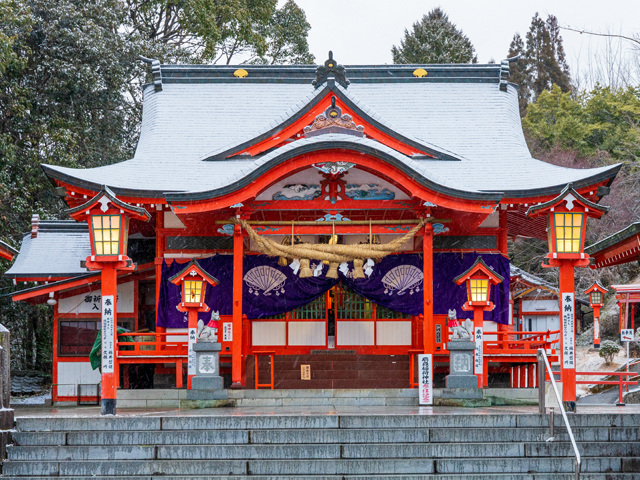
- See More
- Aizendō Hall(Taketa City)
- Aizendō is the oldest existing building in Taketa City and is designated as an Important Cultural Property of Japan. It is said that if you walk around the hall three times in a counterclockwise direction while praying, your wish for love will be fulfilled.
DATA
Address: Teramachi, Oaza Taketa, Taketa City
Inquiries: 0974-63-4807 (Taketa City Hall Commerce and Tourism Division) 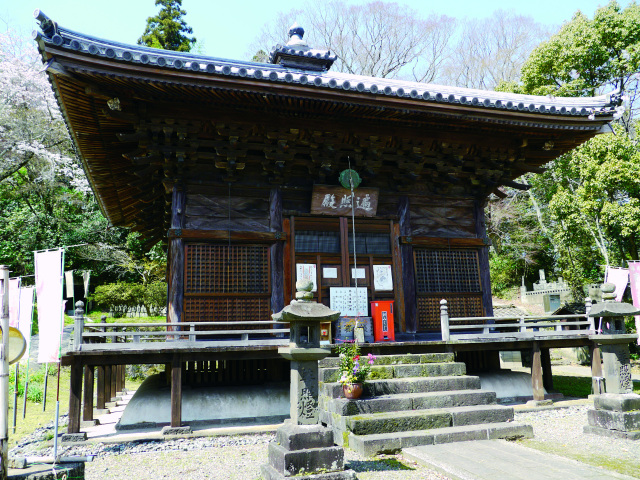
- See More
Hatsumode Spots – Nippo Coast Area (Usuki City / Saiki City / Tsukumi City)
- Reihō Shakuma Shrine(Saiki City)
- Located at the 645 m summit of Mt. Shakuma, long known as a sacred peak, this shrine is also famous as a place to view the first sunrise. By climbing one of the two stone stairway routes of 100 or 400 steps, you can enjoy sweeping views over the Bungo Channel. After a long approach and about a 40-minute walk from the parking area to the shrine, you may feel that your efforts will be rewarded with extra blessings.
DATA
Address: 945 Shakuma, Yayoi Oaza, Saiki City
Inquiries: 0972-46-1413 (Reihō Shakuma Shrine) 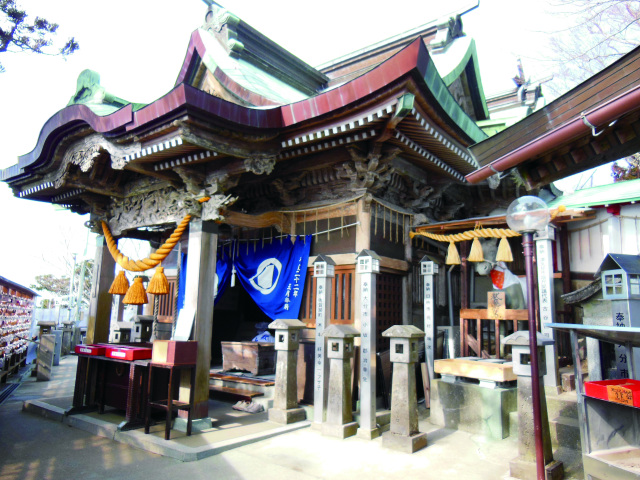
- See More
- Awashima Shrine(Saiki City)
- This coastal shrine in Saiki is known for its charming pale pink main hall and for deities associated with prayers for a safe delivery and love matchmaking. It is said that even in the Edo period, maidservants serving the Mōri domain came here to pray.The ceiling is decorated with about 80 vividly colored paintings depicting natural scenery of plants, trees, and the sea, inviting visitors to gaze at them in detail.
DATA
Address: Koura, Yonouzu, Saiki City
Inquiries: 0972-23-3400 (Saiki City Tourist Information Center) 
- See More
- National Treasure – Usuki Stone Buddhas(Usuki City)
- The Usuki Stone Buddhas, represented by the Dainichi Nyorai of the Furuzono cluster, are believed to have been carved between the late Heian and Kamakura periods.With their impressive scale, number, and artistic quality, they are considered one of Japan’s most important groups of stone Buddha statues. In 1995, they became the first cliff-carved Buddhas in Japan to be designated as a National Treasure, and the first sculptures in Kyushu to receive this status.
DATA
Address: 804-1 Fukata, Oaza Usuki, Usuki City
Inquiries: 0972-65-3300 (Stone Buddha Office) 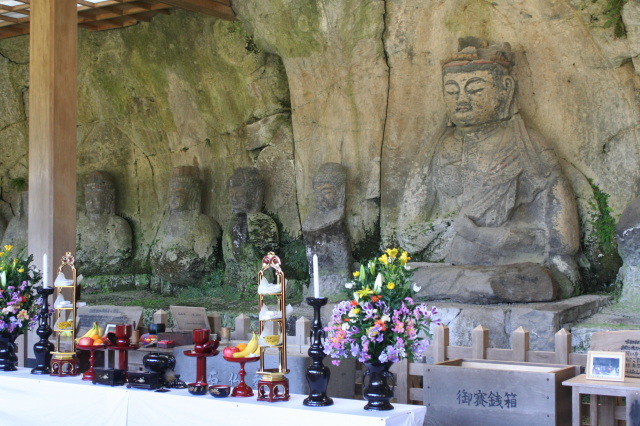
- See More
Hatsumode Spots – Yamanami Area (Yufu City / Kokonoe Town)
- Unagihime Shrine(Yufu City)
- Unagihime Shrine enshrines six deities, including Kuni-no-Tokotachi-no-Mikoto, and is therefore also known by the alternate name “Rokusho-gu” (“Six-Shrine Sanctuary”). It has long been cherished by local residents. The spacious grounds are home to naturally growing cedar trees, and the shrine is one of Yufuin’s notable sightseeing spots.
DATA
Address: 2220 Kawakami, Yufuin-cho, Yufu City
Inquiries: 0977-84-3200 (Unagihime Shrine) 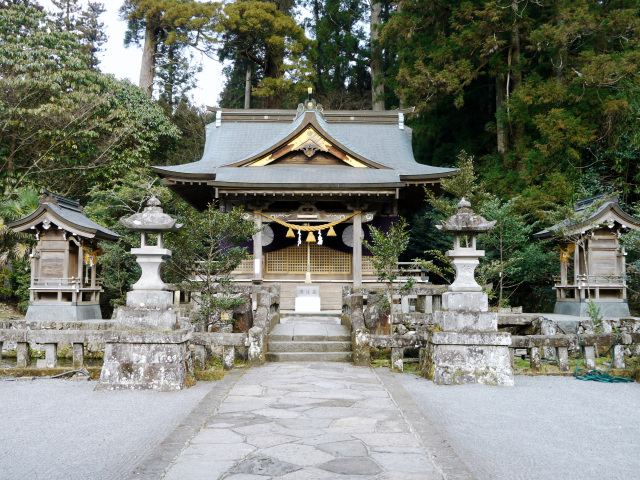
- See More