The History of Christianity and Oita Prefecture: Introducing Christianity-related Historical Sites that Remain Today
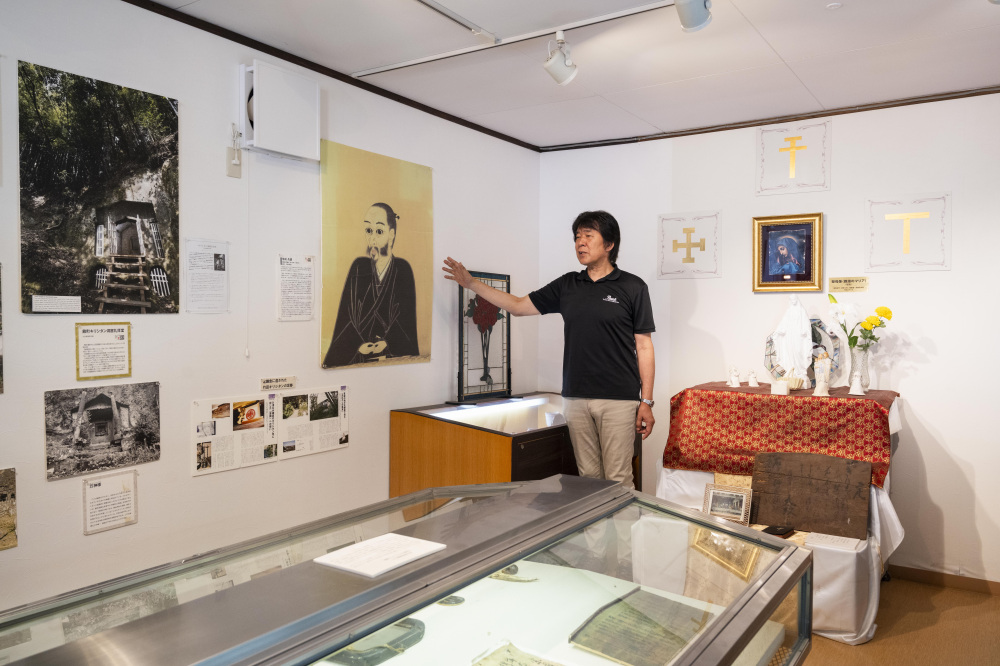
When it comes to well-known Christianity-related sites in Japan, many people might think of Oura Church in Nagasaki Prefecture. However, in reality, places associated with Christianity exist throughout Japan, not only in Nagasaki. In this article, we speak with Mr. Goto, director of the Taketa Christian Museum in Taketa City, Oita Prefecture, to trace the history of Christianity in Japan and to introduce Christian-related spots within Oita Prefecture.
* Please note that the text shown on this page includes machine translations.
Contents
- Why did Christianity come to Japan?
- Oita Prefecture's encounter with Christianity
- Shiga Chikayoshi, a devout Christian castle lord
- Persecution of Christians under the prohibition edict
- A tour of Christian-related historical sites and spots recommended by the director of the Taketa Christian Museum
- Souvenirs and foods born of cross-cultural exchange that remain today
- The relationship between Oita Prefecture and Christianity
Why did Christianity come to Japan?
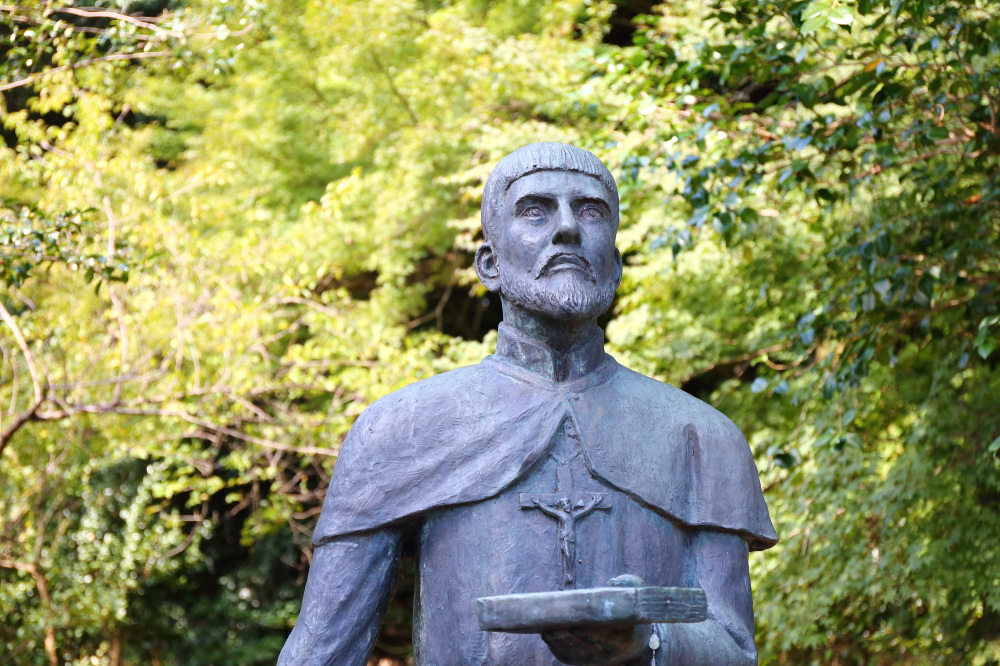
During the Protestant Reformation in the 16th century, Christianity split into Catholicism and Protestantism, and the Catholic Church strengthened its missionary work in East Asia to maintain its influence. Francis Xavier came to Japan in 1549.
Of the East Asian nations, why was Japan, an island nation, chosen? According to confidential Vatican documents that were discovered later, it is believed that they sought to win Japan over to Christianity, which would later make it possible to make inroads with China.
The missionary work in Japan began in Oita Prefecture, where missionary activities was actually permitted more than 15 years earlier than in Nagasaki and Amakusa, areas which are known for their Christian connections.
Oita Prefecture's encounter with Christianity
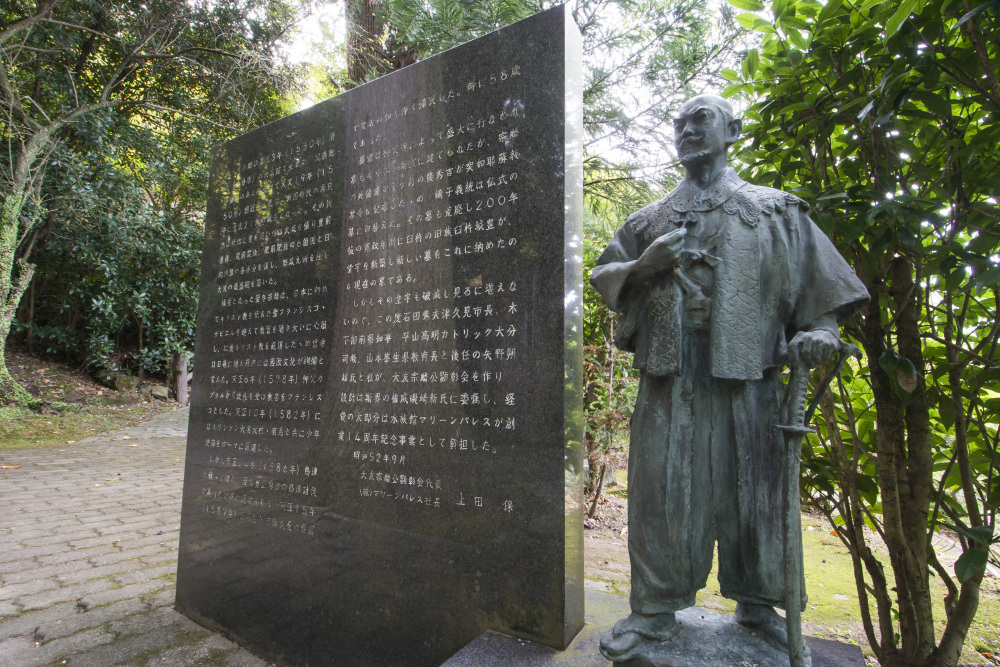
The spread of Christianity in Oita Prefecture began when the feudal lord at the time invited Francis Xavier to Oita City. This feudal lord was none other than Otomo Sorin, who would later become famous as a Christian daimyo.
Why was he able to accept a different culture with such tolerance? It's said that the true reason he was so interested in Christianity wasn't just his faith, but also the enormous economic benefits he could gain from trade with the Portuguese. At the time, trade with the Portuguese generated profits of up to 400 times the value of exported goods, and those in power sought to bring such Portuguese trading ships into their own ports.
During Japan's Sengoku period (around 1467 to 1603), Christianity spread at an astonishing rate in Japan , primarily among the common people. While Buddhism at the time was centered on the wealthy, missionaries performed elaborate funerals for all, provided money and food to the poor, and treated illnesses and injuries. The introduction of cutting-edge European culture, including eyeglasses, music boxes, and harmonic music, also played a major role in the rapid spread of Christianity. The Jesuits would show off items such as crystal beads and crosses, saying "If you become a Christian, we’ll give these to you." In this way, they attracted the interest of women, especially those who loved jewelry and precious stones, and from there the faith spread to the women' families.
Missionary work stalled due to conflict between Otomo Sorin and his wife
Sorin's wife, Lady Nada, was the daughter of the family of the prestigious Hachiman Nadagu Shrine. As such, she vehemently opposed her husband's worship of foreign gods, and drew his vassals into conflict with Sorin. This internal dispute hindered missionary work, and it's said that the missionaries, unable to tolerate it, finally left Oita and relocated to Nagasaki.
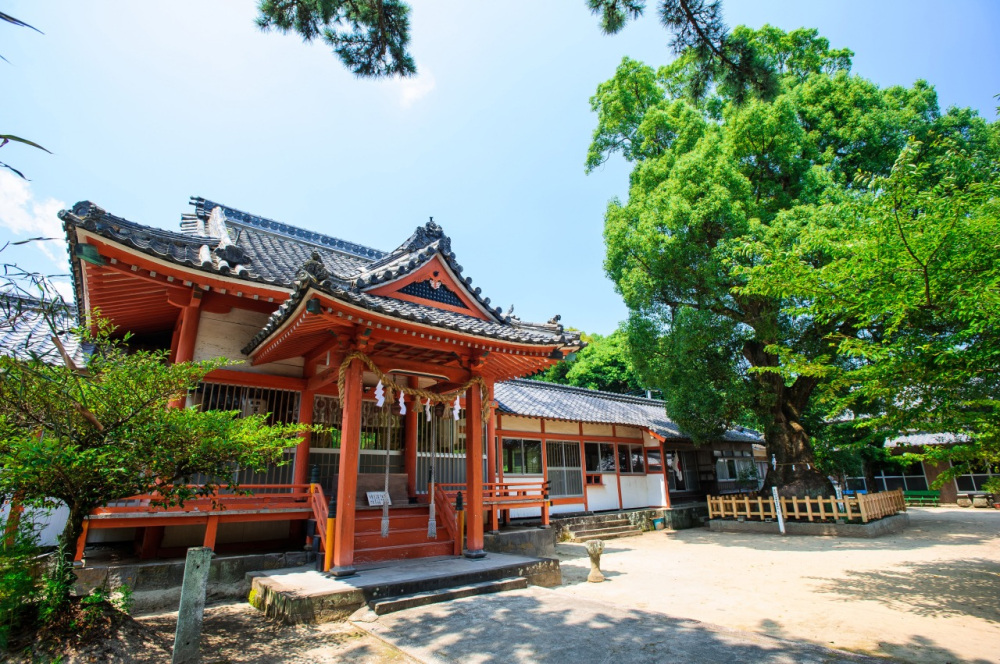
Shiga Chikayoshi, a devout Christian castle lord
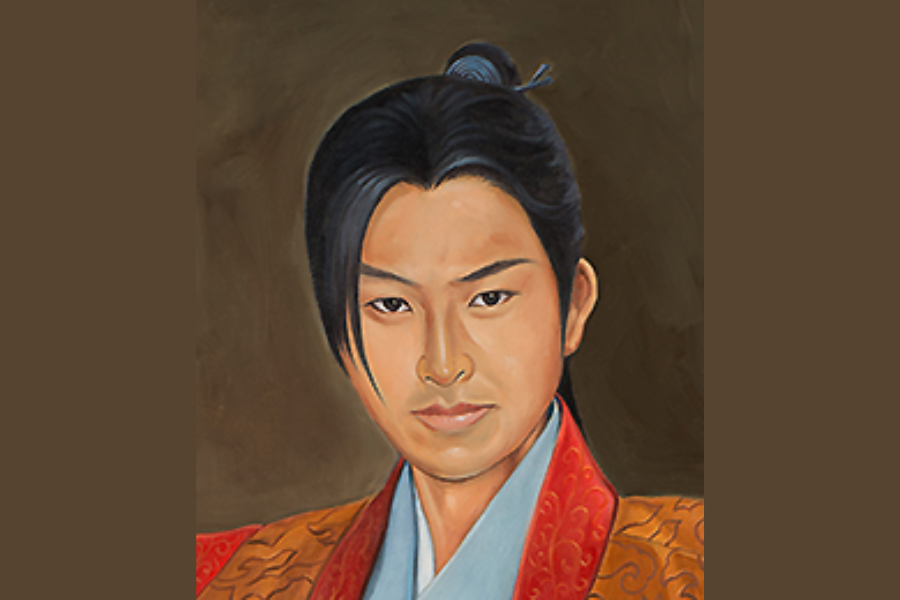
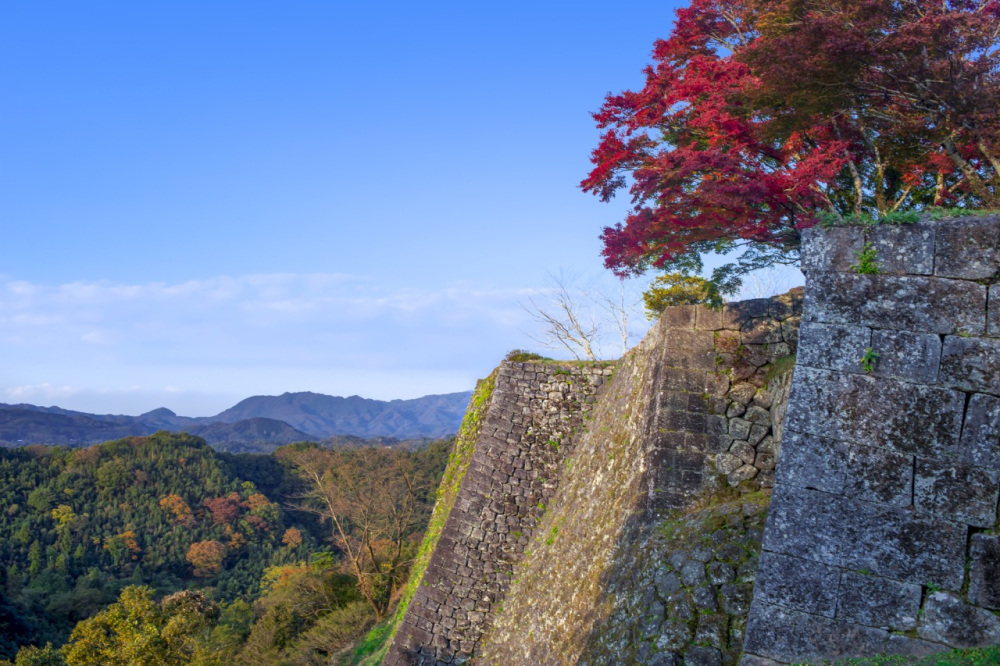
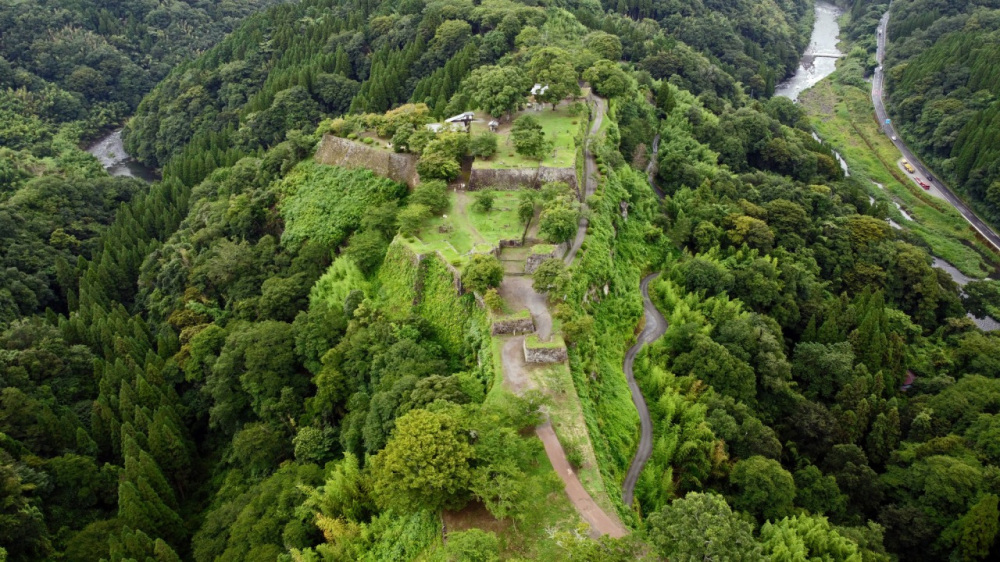
While Sorin was struggling, the area around Taketa City, where the Taketa Christian Museum is located, saw a rapid increase in believers. Shiga Chikayoshi, the feudal lord who ruled over Taketa City at the time, was Otomo Sorin's grandson, though they were not related by blood. He himself was a devout Christian, and reportedly had a cross tattooed on his left hand. There were no opponents of Christianity in the Taketa area, and the number of believers rapidly increased. This period in which Christianity could be practiced freely continued until 1587, when Toyotomi Hideyoshi, the reigning ruler of Japan at the time, issued an edict to expel Christian fathers.
Persecution of Christians under the prohibition edict
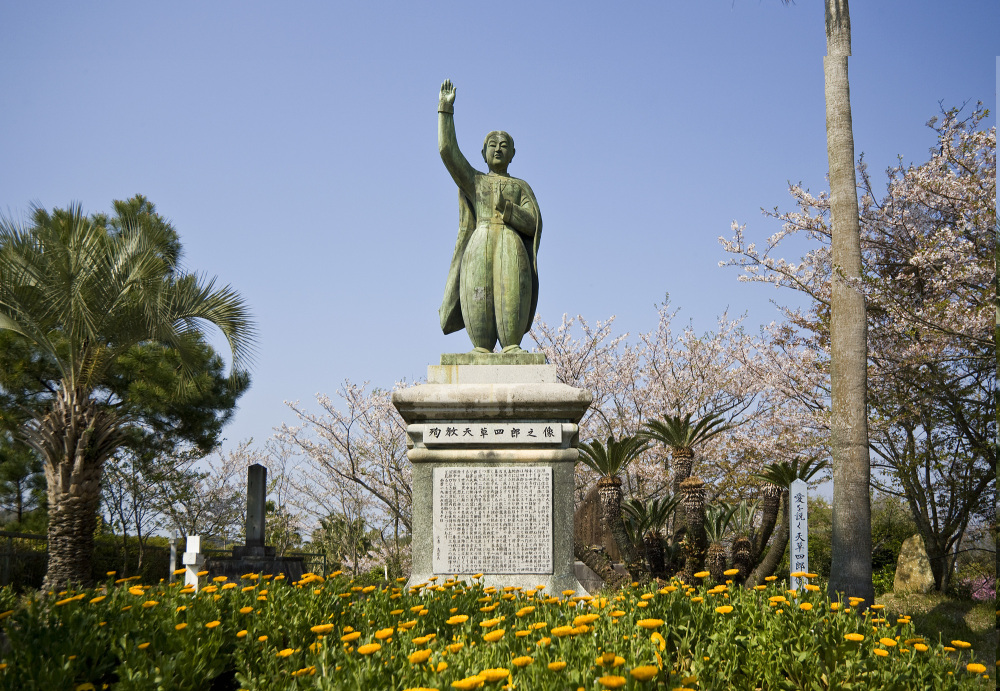
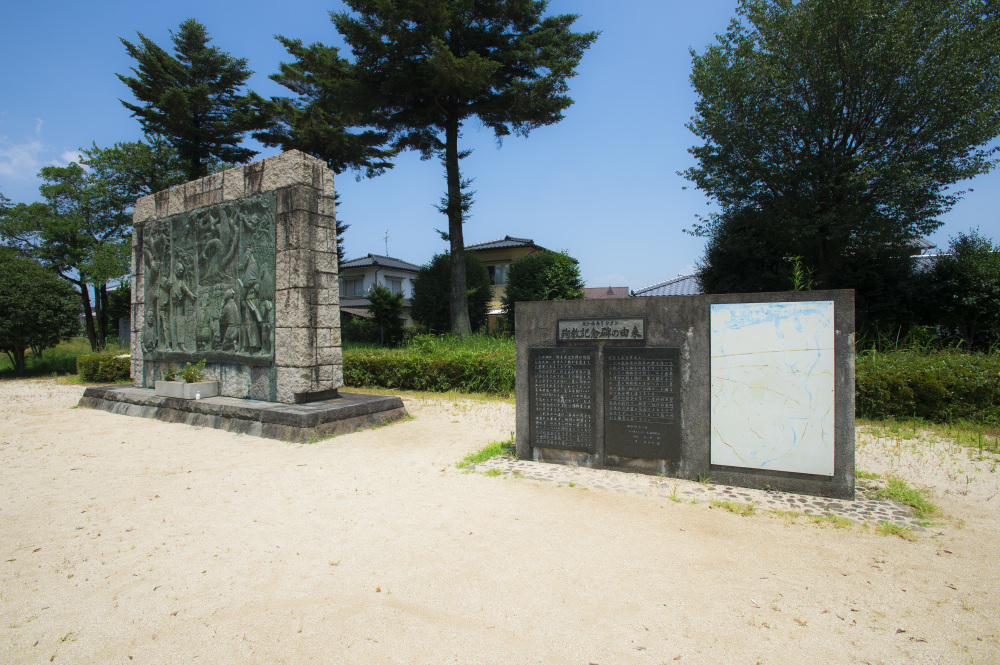
As the Edo period (1603-1868) began, Christianity became a target for oppression.
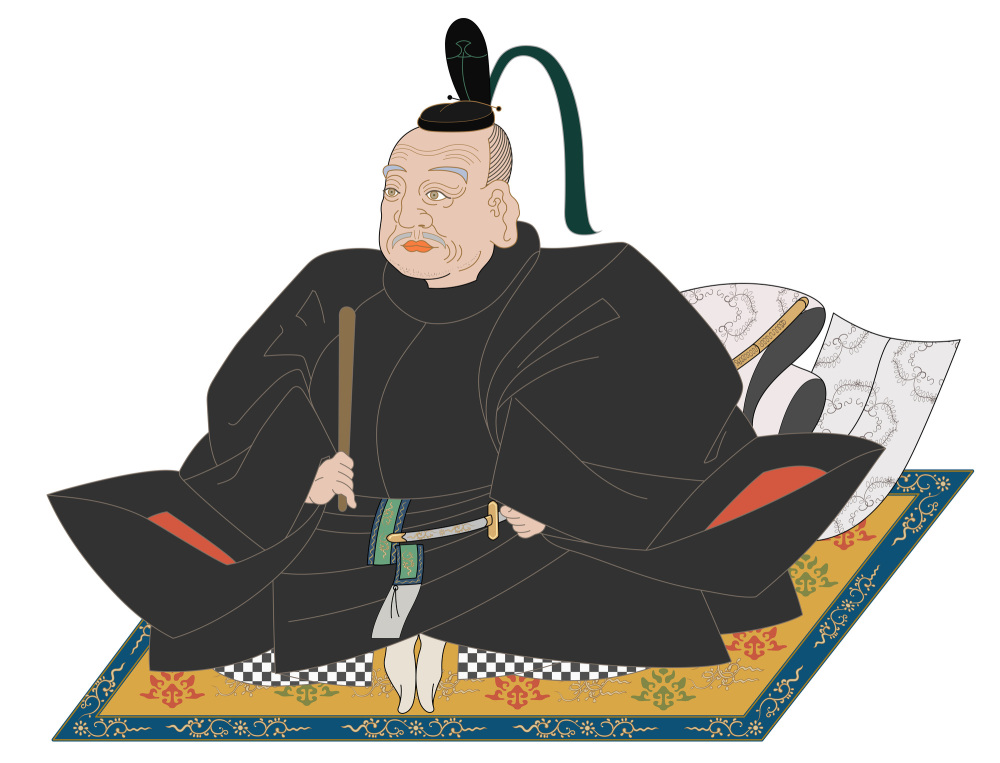
During the period of the edict to expel Christian fathers, Christianity was tacitly tolerated and there were many believers, but in 1614 shogun Tokugawa Ieyasu, who then ruled Japan at the time, issued the "Prohibition Edict," a law that entirely prohibited the religion. It was during this period that the term "Hidden Christians" was coined to refer to those who practiced Christianity without being discovered by the government.
The Shimabara Rebellion, which broke out in Nagasaki in 1637, was sparked by people who rose up against religious oppression of Christians and heavy taxes on peasants. This incident led to Japan embarking on a policy of national seclusion and isolation due to fear of Christianity and European powers.
In Oita Prefecture, the persecution of Christians, known as the "Bungo Crackdown," began in 1659 and continued for 25 years, to the point that it was said that, to surface appearances, all Christians had been wiped out. However, the era of "Hidden Christians" continued, and Christianity continued to be practiced in secret.
Why was Japan so hostile to Christianity at that time?
The reason was that the monotheistic teachings of Christianity denied the authority of the shogun, who was the supreme ruler at the time. Christians who placed God above the shogun's word and faced martyrdom without fear were regarded as a dangerous threat to the shogunate's rule. It is also said that, because rice produced by peasants was paid to the shogunate as tax, there was fear of reduced tax revenue due to the martyrdom of peasant Christians.
A tour of Christian-related historical sites and spots recommended by the director of the Taketa Christian Museum
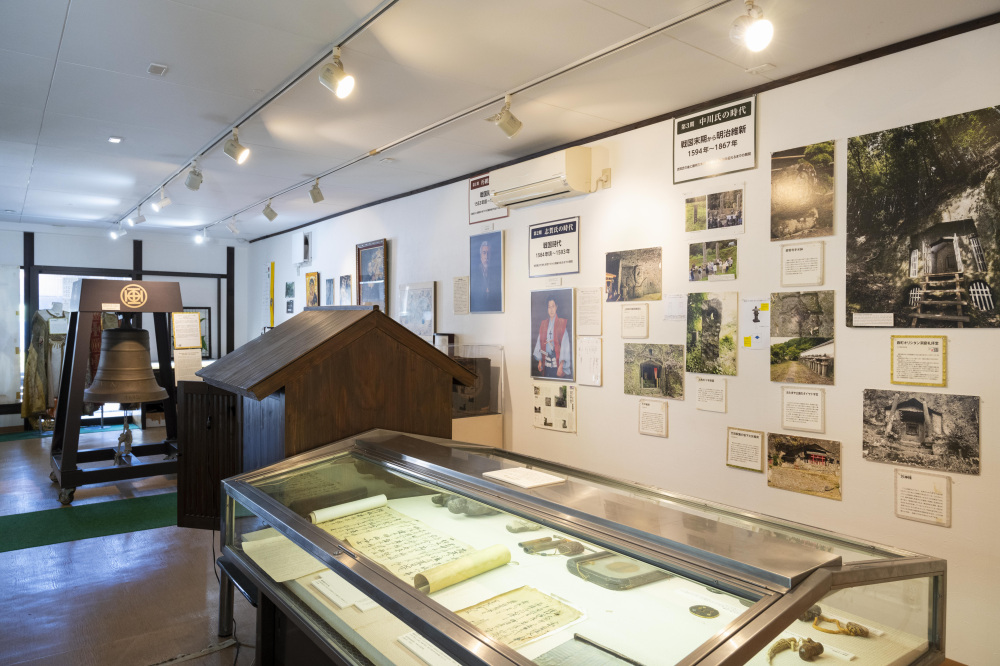
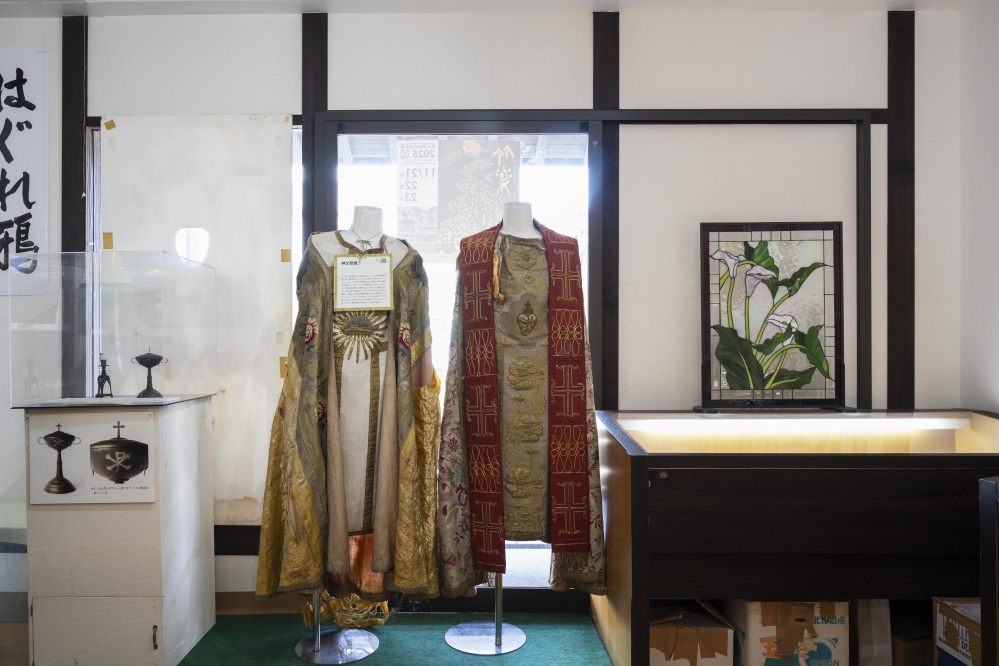
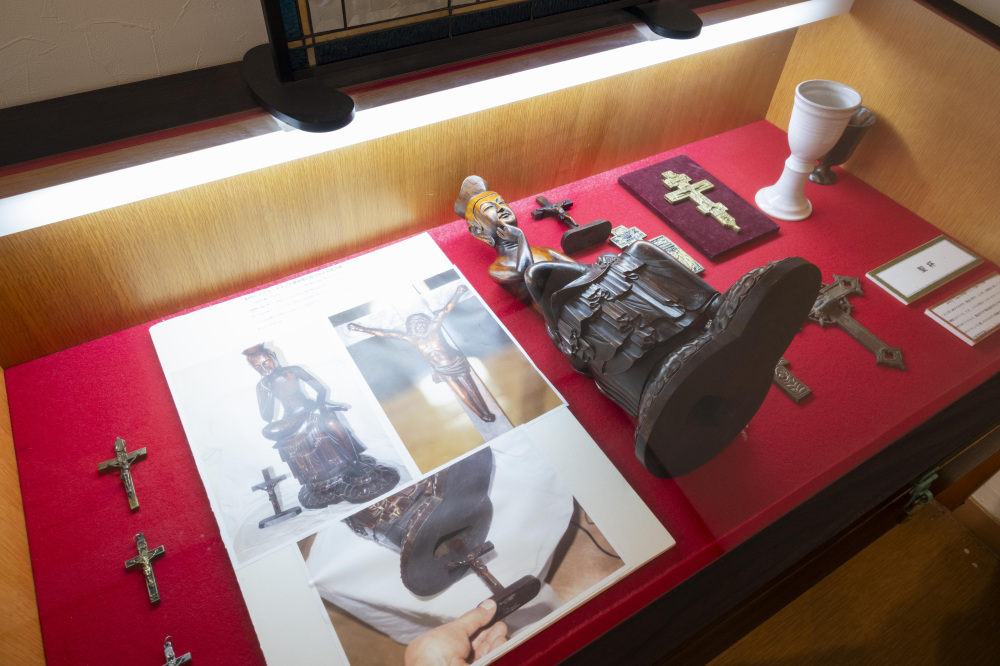
Around Taketa City there remain valuable Christian artifacts from roughly the 16th to 18th centuries. Because very few items from this era survive in Nagasaki or Amakusa, the artifacts in Taketa are extremely rare.
- The Santiago Bell
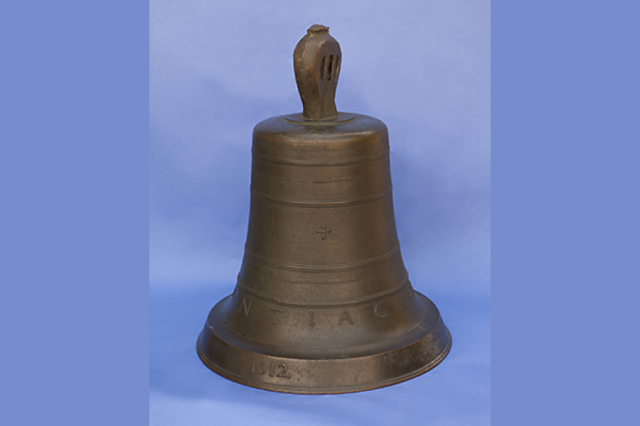
- This bell was made in 1612 as the bell for a church attached to a hospital in Nagasaki. The surface bears the inscription "HOSPITAL SANTIAGO" and the year of manufacture. It disappeared during the ban on Christianity but was found in 1873 within Oka Castle in Taketa City. The fact that this bell has survived to the present suggests the possibility that successive lords of the castle were "Hidden Christians."
- See More
- Statue of St. James
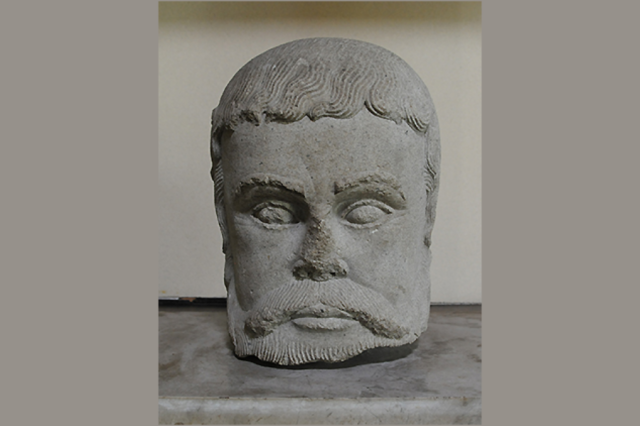
- This statue, discovered at the bottom of a ravine at the Oka Castle site, is said to be a statue of St. James. Made of sandstone from the Mediterranean coast, it is thought to have come to Japan via Portuguese trading ships. Although it was kept at Oka Castle together with the Santiago Bell, it is believed that people who were not Christians did not recognize its value and discarded it in the ravine.
- See More
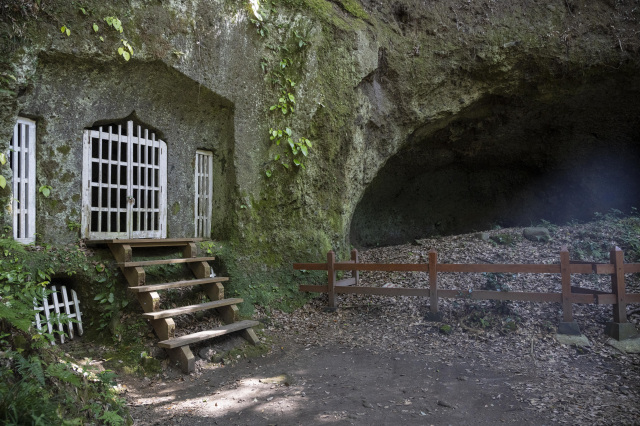
- Christian Cave Chapel
- This is Japan's only man-made cave chapel and a rare heritage site preserving its original form. Hidden Christians are said to have secretly prayed here at night, and missionaries are said to have taken refuge here. A missionary letter from 1617 appears to mention this chapel, suggesting that it has more than 400 years of history.
- See More
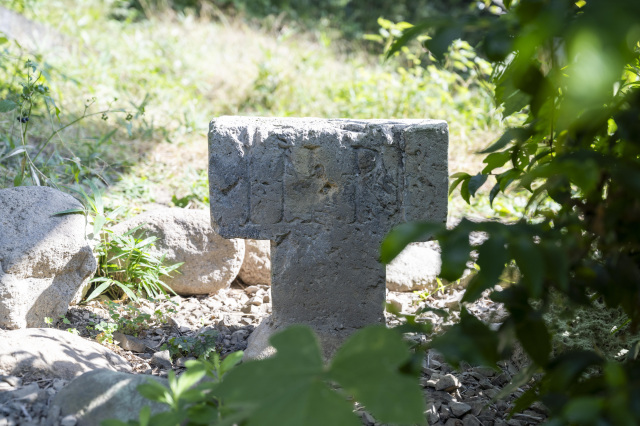
- Hara Christian Gravestone
- This grave marker is presumed to be a fragment of a stone cross that once stood over the grave of a local notable. The T-shaped stone cross inscribed with "INRI" is the only one of its kind in Japan and is a valuable Christian relic. The stele is designated a Cultural Property by Oita Prefecture.
- See More
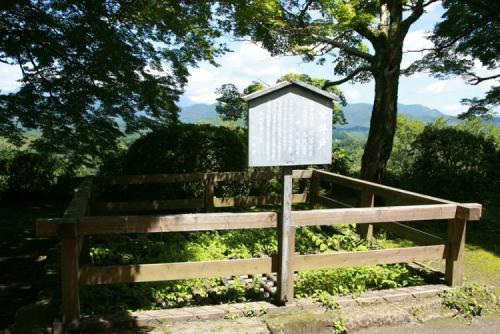
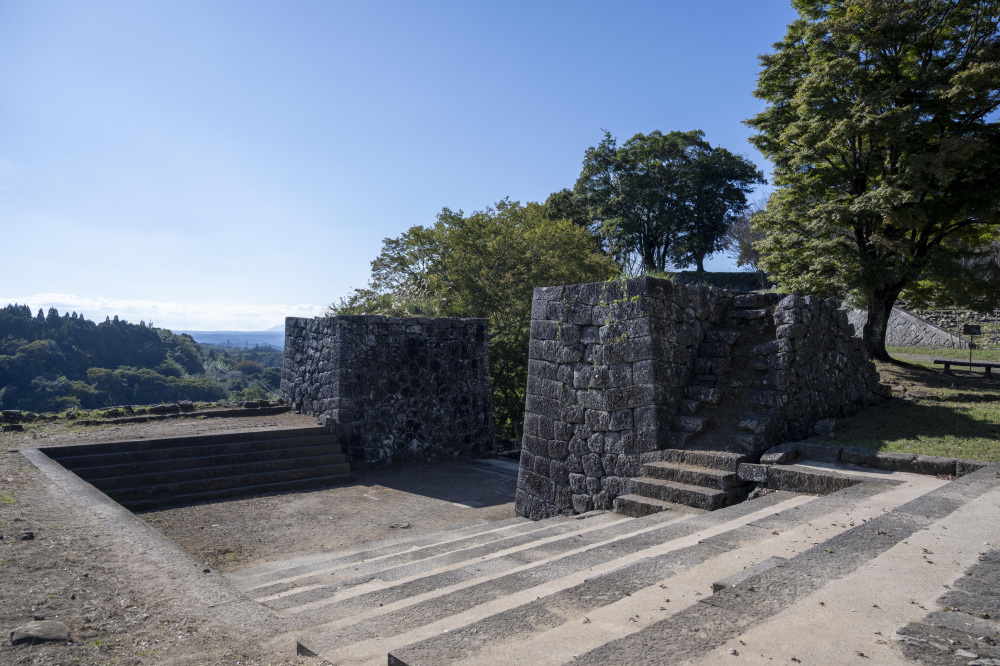
- The dry well at Oka Castle
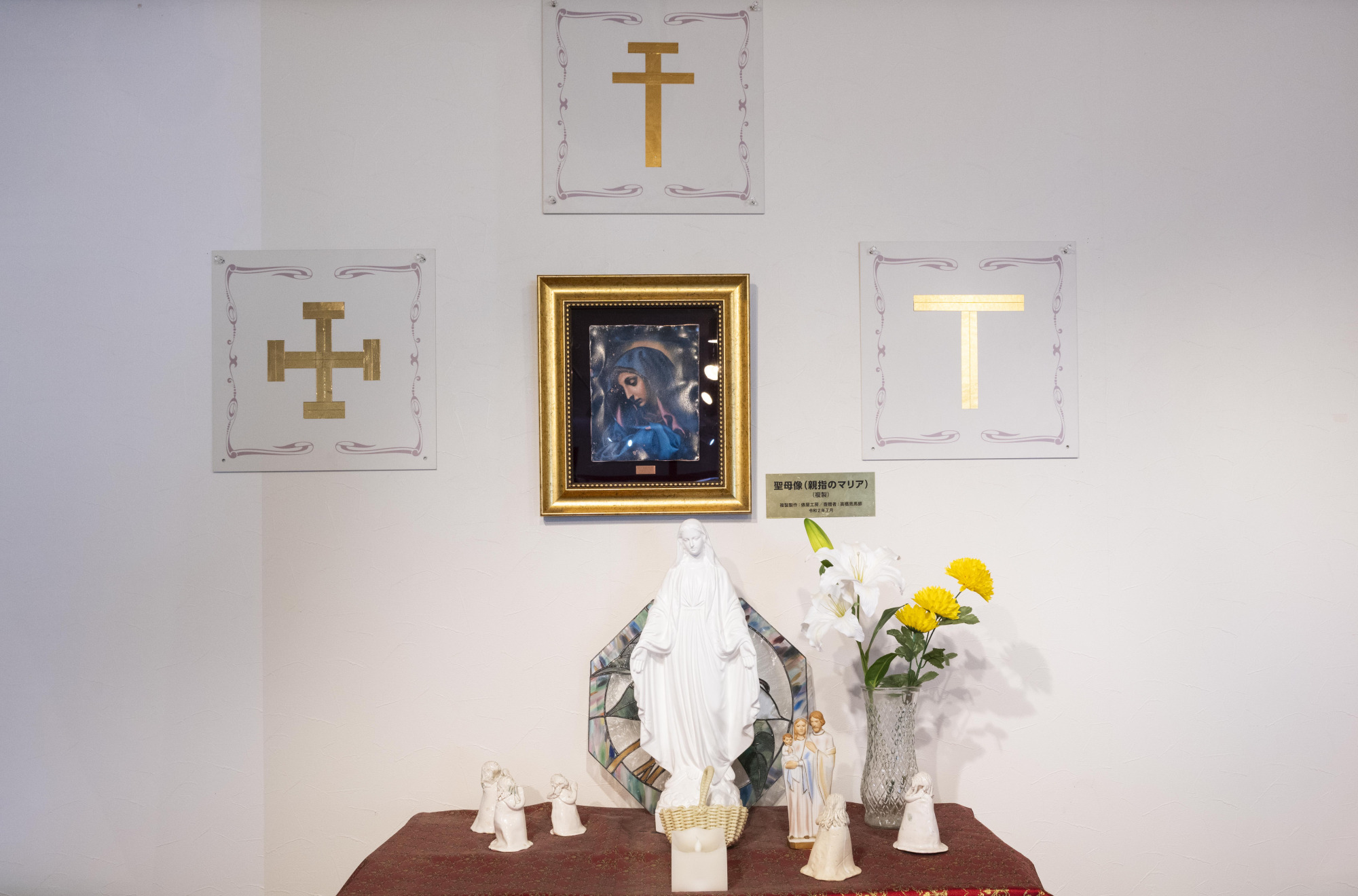
- Records state that in the 1700s, at the bottom of a deep well examined by a peasant, an image resembling Kannon (the Buddhist deity of compassion) was enshrined. However, it is said that the statue was actually the Virgin Mary from the cave chapel, hidden by Christians. A legend also remains that the peasant who investigated the well was poisoned to prevent disclosure.
The relationship between Christianity and the Inari shrines (small Shinto shrines) scattered across Taketa City
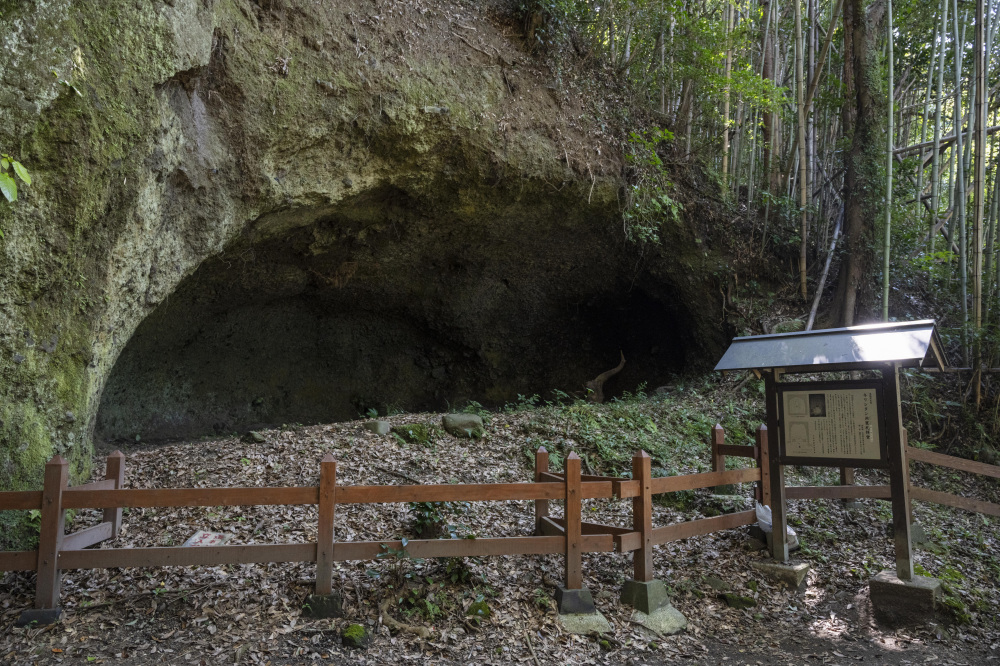
Around the Oka Castle castle town there are a little over forty Inari shrines. Seven of them have structures similar to the Christian cave chapel, leading to the supposition that they functioned as chapels during the period of the ban on Christianity. There are three reasons for this view:
- From the front they look like small shrines, but farther in they take on an altar-like form.
- With the cave as a center, there is a space on one side where people can gather.
- There is spring water, indispensable for Christian rites.
It is also said that the idea gained traction because removing the "A" from the word "INARI" yields "INRI," the letters signifying Christ.
Souvenirs and foods born of cross-cultural exchange that remain today
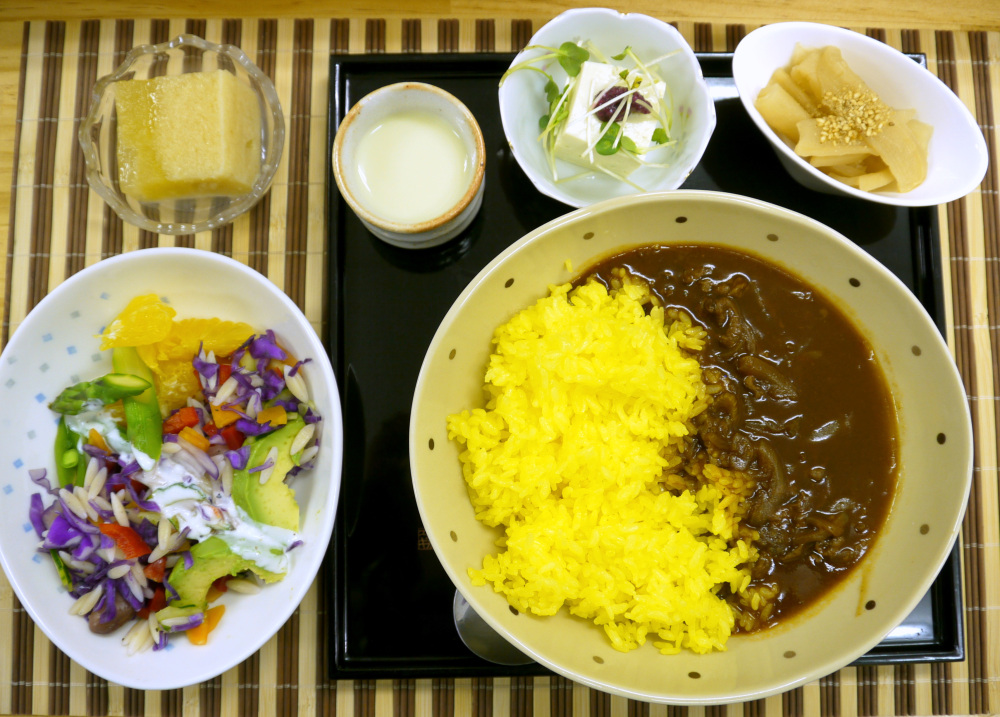
In Oita Prefecture, a distinctive culture born from exchanges with the Portugese trading ships is alive and well. First, saffron cultivation began in Taketa City in the early 1900s, and the region is now the top producer of saffron in Japan, accounting for 80% of the country's production.
Also, Usuki's local dish, "kihan" ("yellow rice") whose roots are said to be the Spanish paella introduced by missionaries, is colored with gardenia instead of costly saffron. Furthermore, new crops such as pumpkins and corn were brought to the area by the Portuguese trading ships, and the traces of these cross-cultural exchanges remain strong in the food culture to this day. There are also souvenirs with Christian and missionary motifs, so why not pick one up?
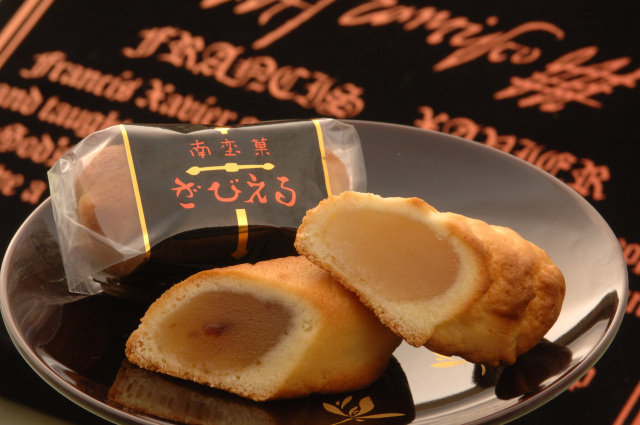
- Xavier
- A confection named after the missionary Francis Xavier, who visited Oita to spread Christianity. Moist cake encloses sweet red bean paste with a rum-raisin flavor. The buttery taste and aroma of rum are exquisite.
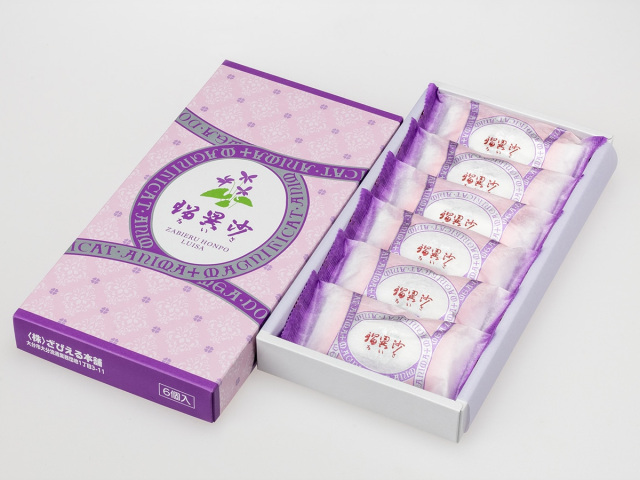
- Ruisa
- The name derives from a Christian cemetery in Saiki City within the prefecture. A gravestone there bears what appears to be the baptismal name "Ruisa" and the year of death. Inspired by "Ruisa," this sweet was created: white bean paste wrapped in soft, butter-flavored castella.
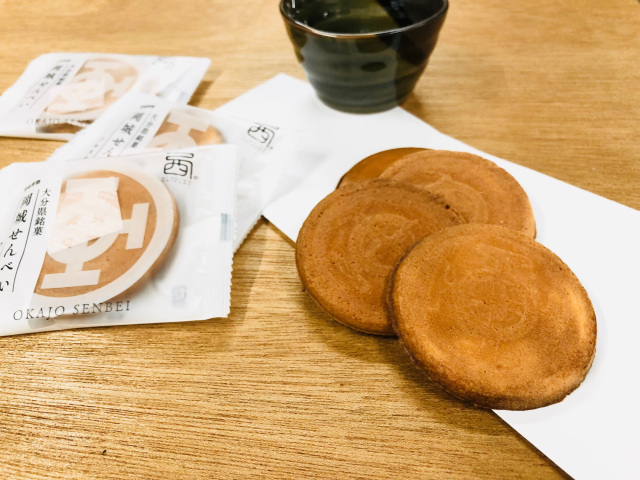
- Oka Castle Senbei
- Senbei rice crackers decorated with the Nakagawa family crest, the "Nakagawa Cross," of the lords of Taketa. The cross shape of this crest is said to suggest a link to Christianity. Enjoy this traditional confection, gently flavored with fresh eggs.
- Don Francisco
- A sweet named for the baptismal name of the Christian daimyo Otomo Sorin. Jam is sandwiched in dough kneaded with almond cream. The jams come in two flavors: blueberry and apple.

The crest of Taketa's leaders during the Hidden Christian era
The Nakagawa family crest is called the "Nakagawa Cross." Initially it lacked the outermost circle, but during the bans on Christianity, when the shogunate criticized it for resembling a cross, an additional circle was added, resulting in the present form. Crests featuring crosses like this are common among families around Taketa.

The relationship between Oita Prefecture and Christianity
Oita Prefecture and Christianity are historically closely connected, and numerous remains and remnants survive even after religious persecution. However, the era of Hidden Christians still contains many mysteries that remain unsolved. We hope you enjoy journeying into this mystery.