【Northern Kyushu Area】A 4-Night, 5-Day Journey Exploring Kyushu's Famous Sites with the JR Rail Pass
A model itinerary for exploring this captivating region over 4 nights and 5 days with the ”JR Kyushu Rail Pass (Northern Kyushu Edition)".
Beginning in a retro port town, you'll relax in one of Japan's premier hot spring resorts, then encounter history through majestic castles and exotic streetscapes. In Nagasaki, deeply engrave the preciousness of peace in your heart. Conclude your journey by visiting a beautiful village renowned for traditional crafts. Enjoy the ever-changing scenery from the train window while fully savoring Kyushu's diverse culture, breathtaking views, and delicious cuisine. Embark on an unforgettable, fulfilling journey.
* Please note that the text shown on this page includes machine translations.
- Spring
- Summer
- Autumn
- Winter
- Days required
- 5 days / 4 night
- Transport Options
- Public transportation
Contents
- JR Mojiko Station
- #270
- Mojiko Retro
- #272
- Beppu Jigoku Tour

- #275
- Kannawa Onsen
- #276
- 【Dinner】jigoku-mushi ("hell-steaming")
- #277
- 【Accommodation】 Kannawa Onsen
- #278
- Lake Kinrin
- #281
- 【Accommodation】Amagase Onsen
- #283
- Kumamoto Castle
- #286
- Suizenji Park
- #288
- Kumamon Square
- #307
- 【Accommodation】Kumamoto City Center
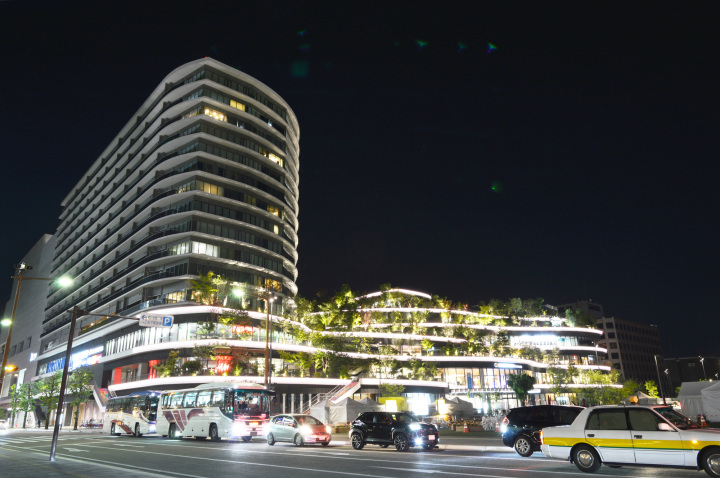
- #308
- Oura Cathedral
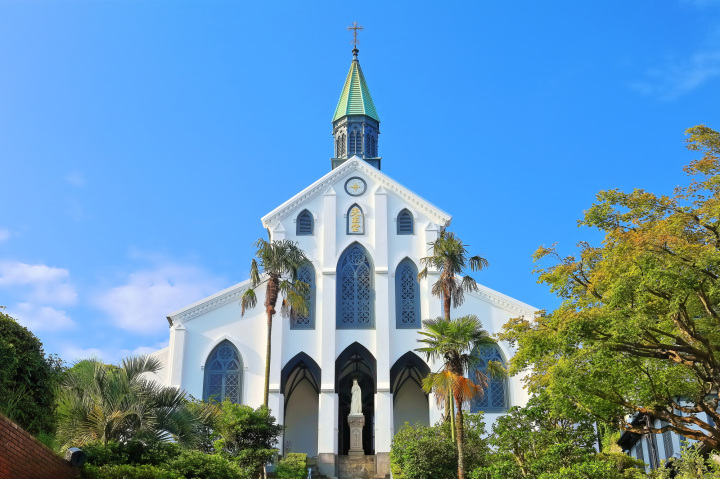
- #311
- Glover Garden
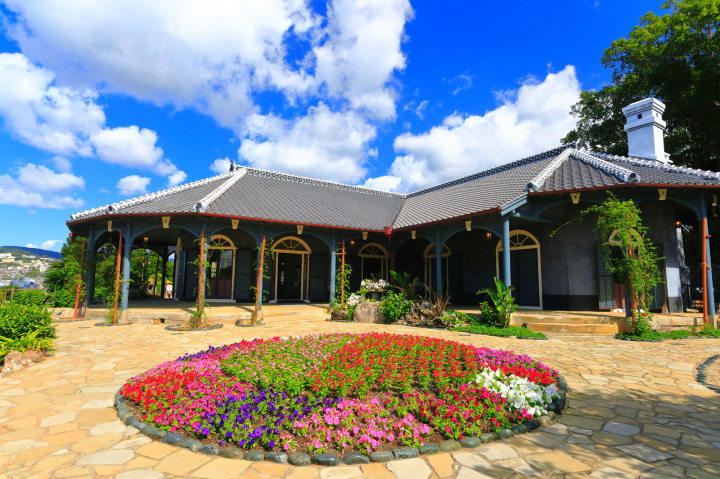
- #314
- Dejima
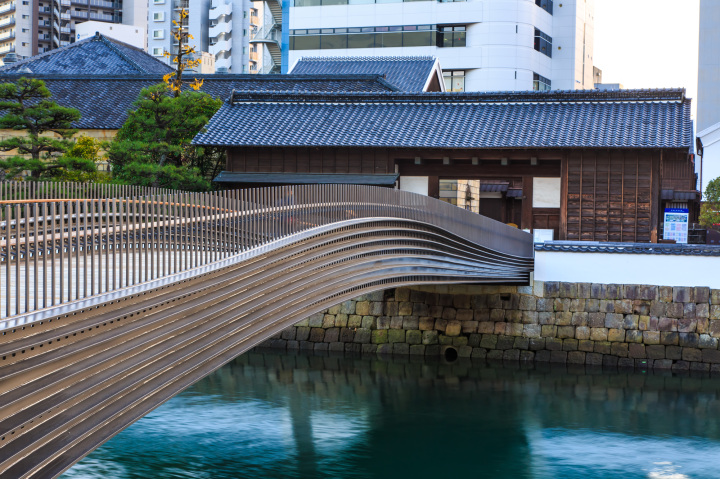
- #319
- 【Stroll + Dinner】Nagasaki Shinchi Chinatown
- #323
- Mount Inasa (Night View)
- #325
- 【Accommodation】Nagasaki City Center
- #327
- Peace Park
- #329
- Nagasaki Atomic Bomb Museum
- #330
- Arita Ceramic Art Museum
- #332
- Toyama Shrine
- #334
- JR Hakata Station
- #336
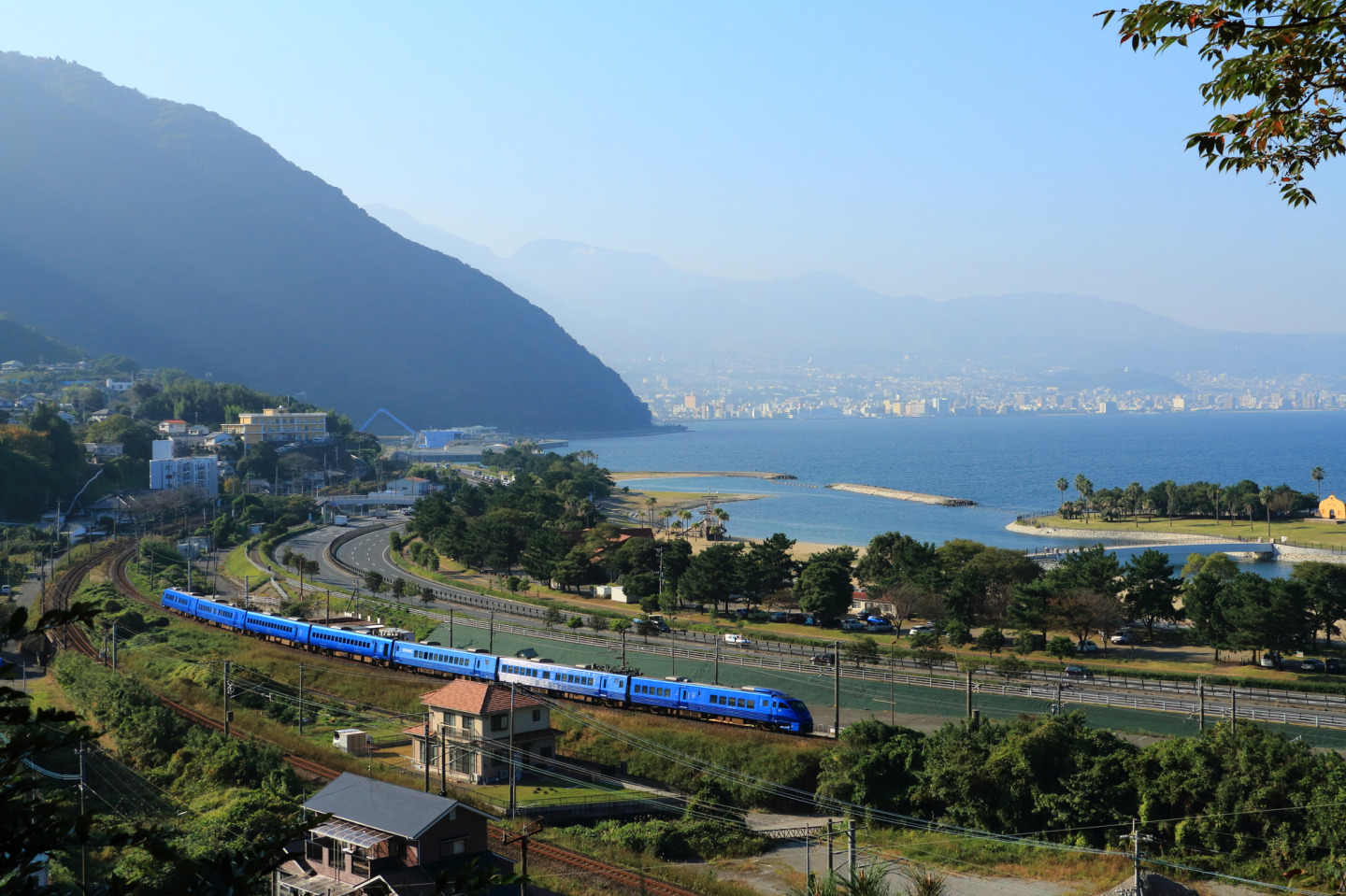
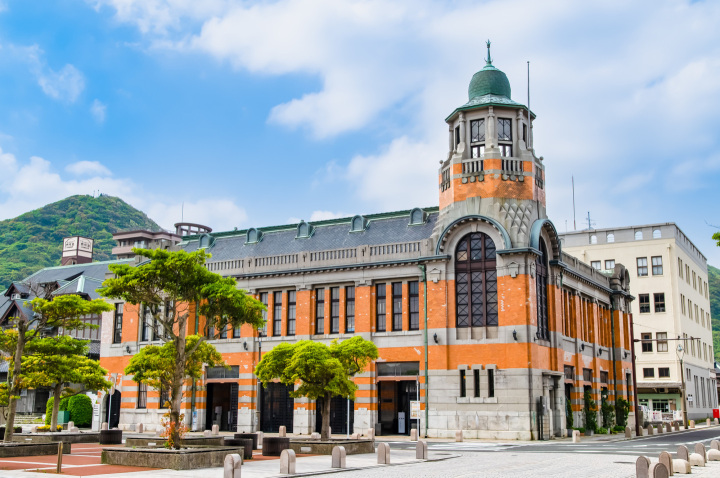
JR Mojiko Station
Begin your journey from this station, also serving as the gateway to an international port!
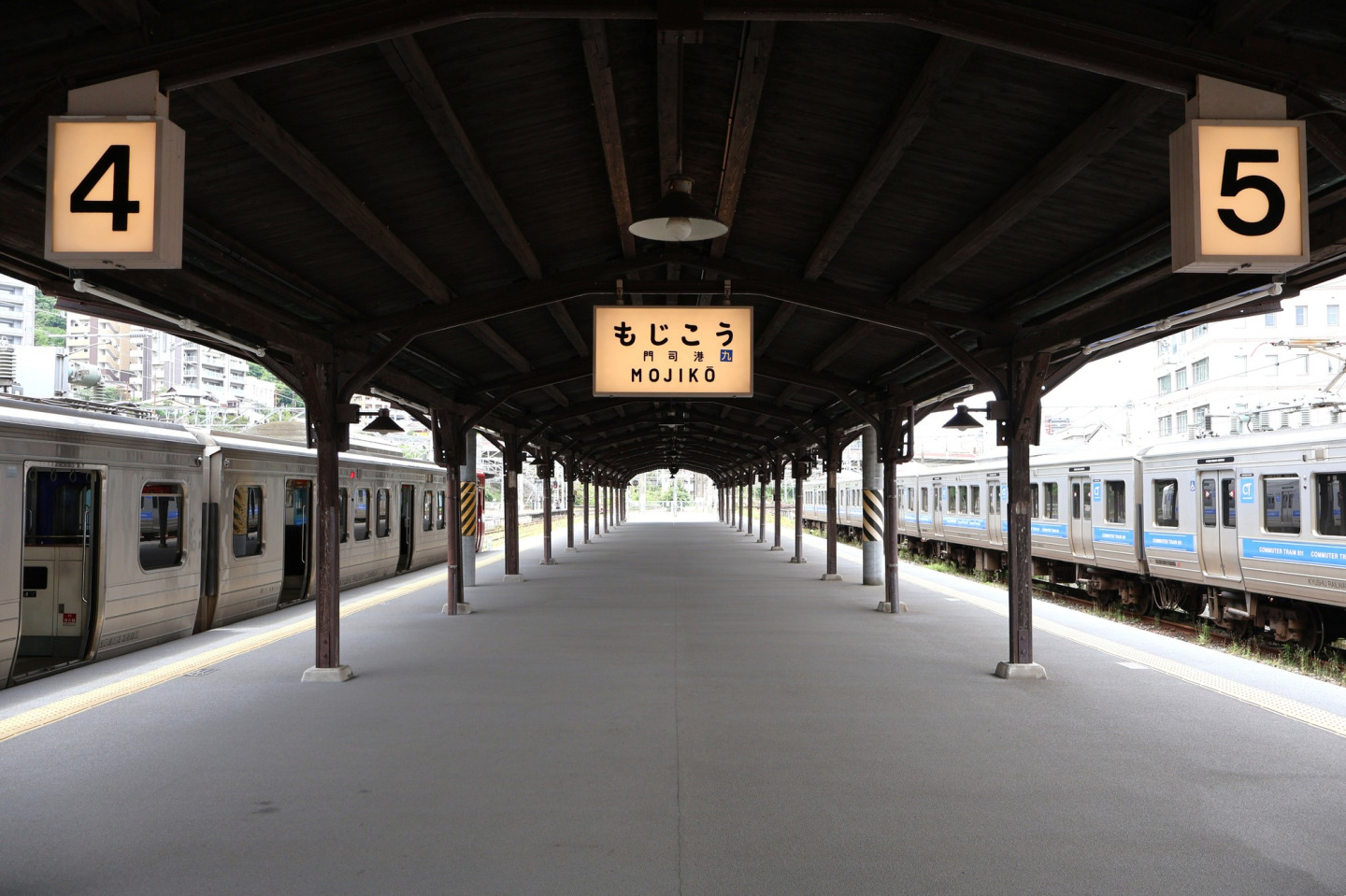
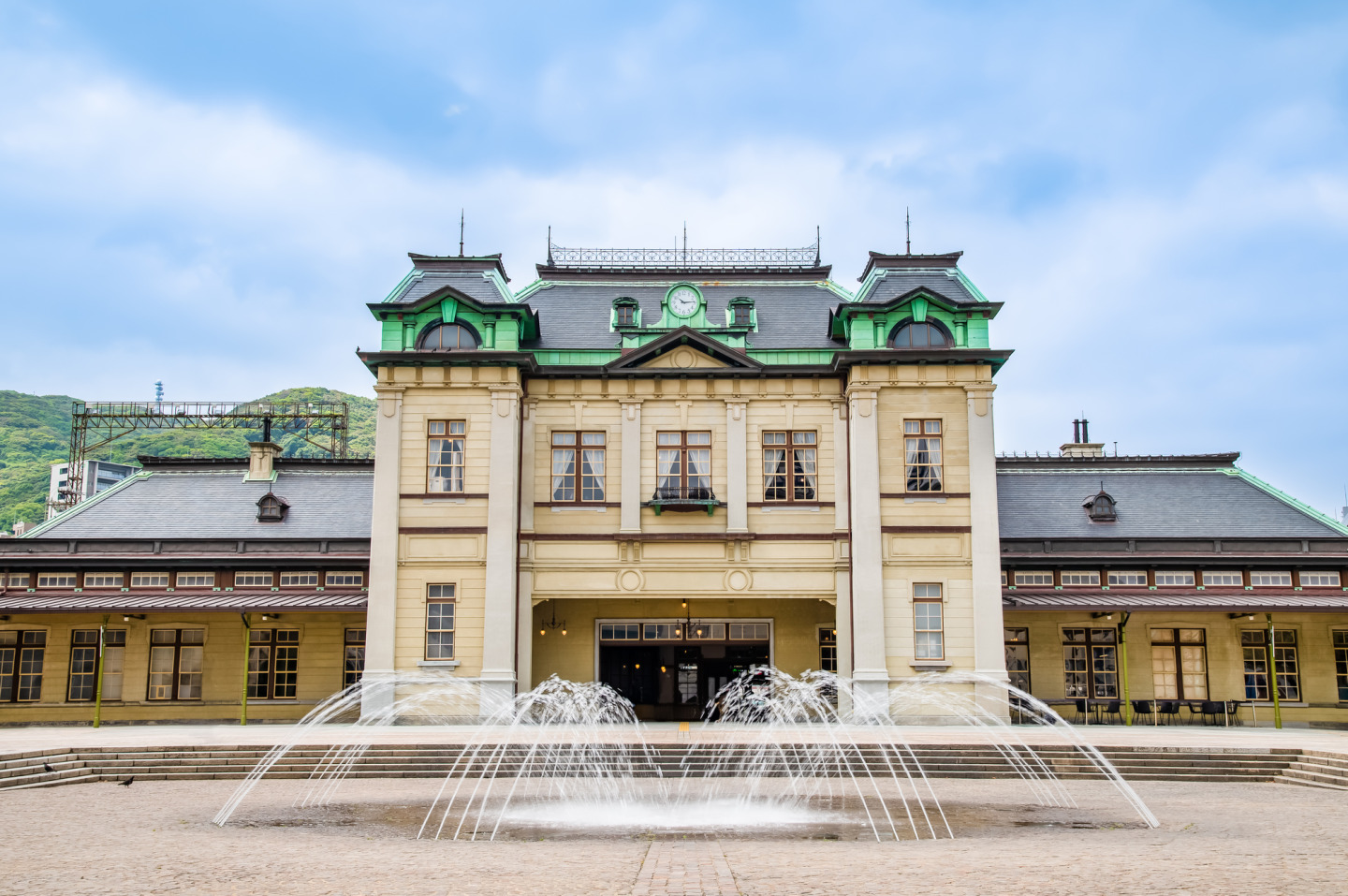
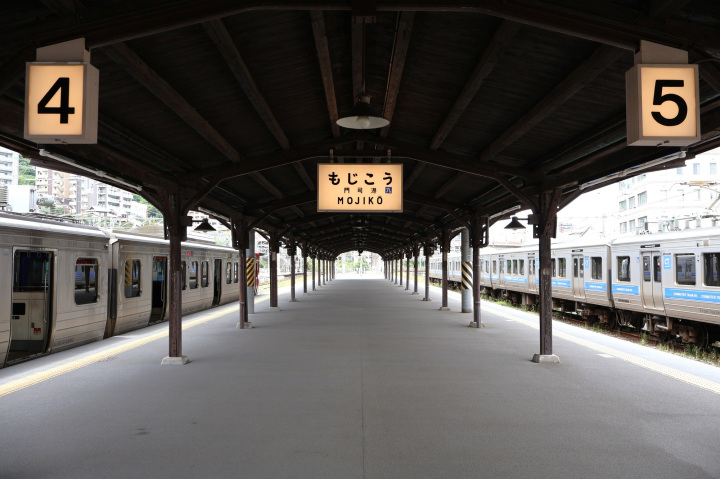
Built in 1914, Mojiko Station was designated Japan's first railway station building to receive Important Cultural Property status in 1988, making it one of Kyushu's most historically significant structures. This station building once served as the gateway to Moji Port, an international trade port connecting Japan and the Asian continent, and was the starting point (and terminus) for Kyushu's railways.
The wooden station building, incorporating Renaissance elements, exudes a magnificent and nostalgic atmosphere that speaks to this history of international exchange.
Mojiko Retro
A nostalgic port town lined with historic buildings
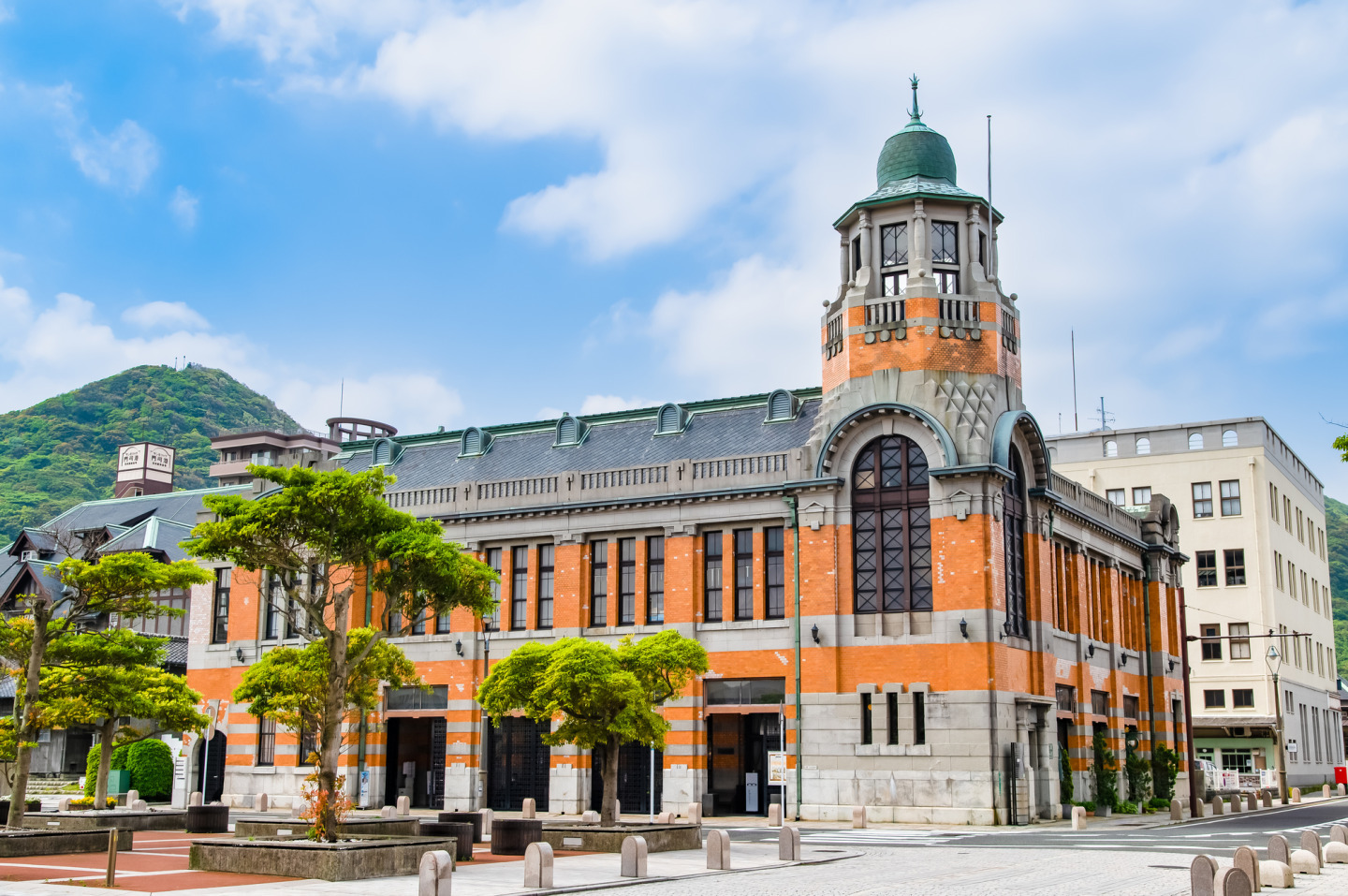
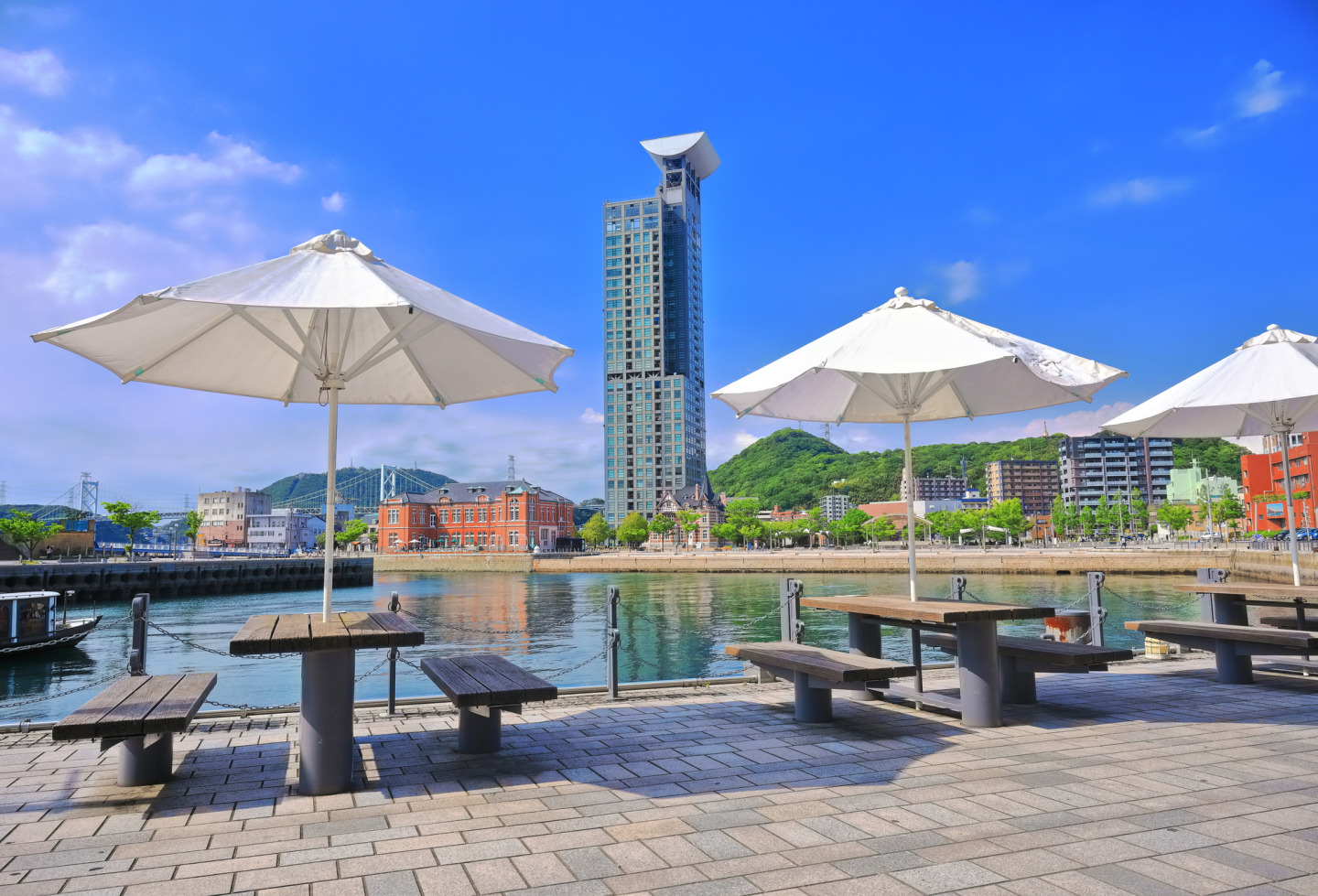
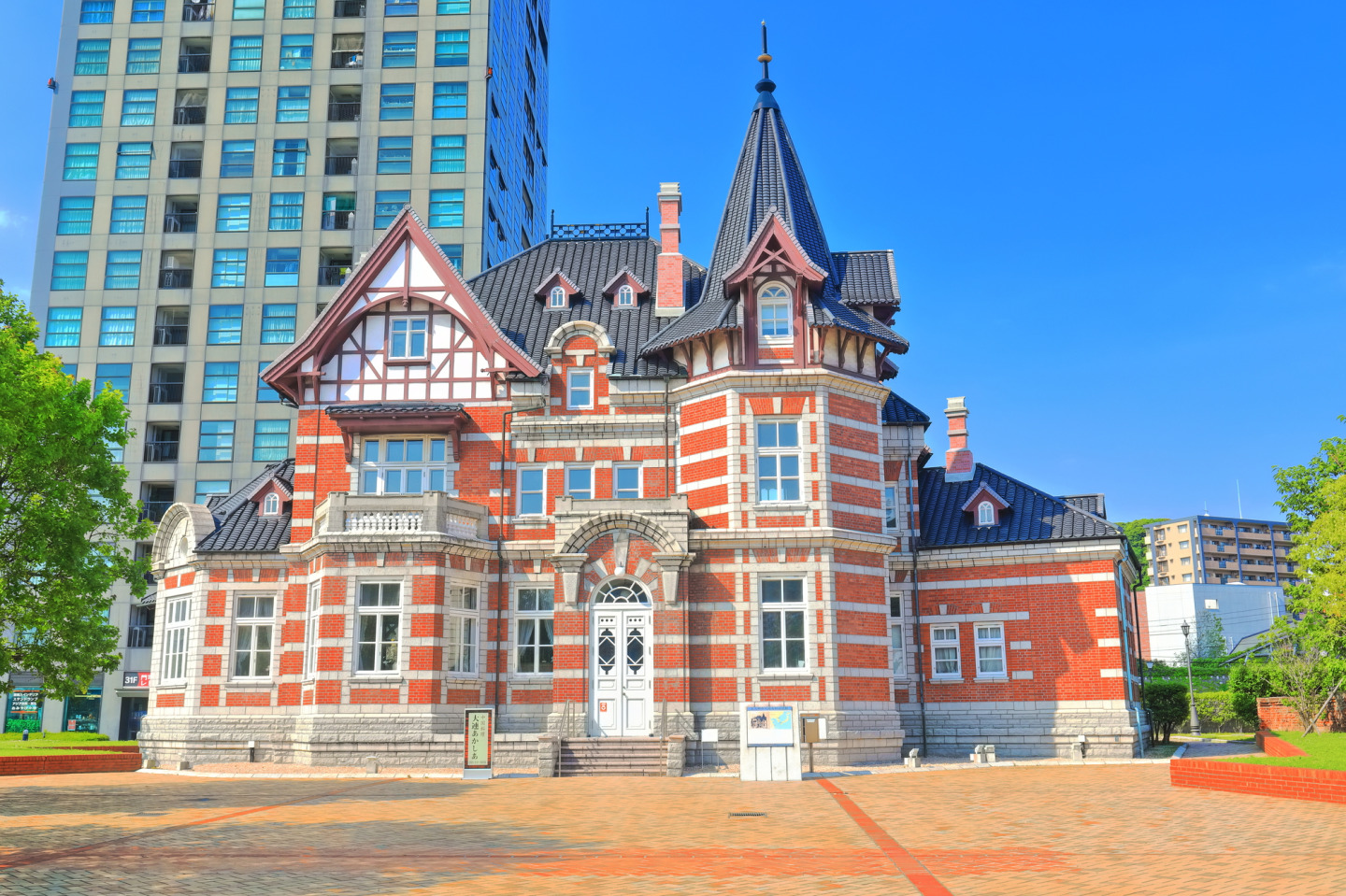
Mojiko Retro faces the Kanmon Straits, characterized by its landscape of retro buildings. Mojiko was once counted among Japan's three major ports alongside Yokohama and Kobe as an international trade port. Must-see spots include the beautiful brick station building, Mojiko Station, where you can experience the atmosphere of that era. At night, the entire area is illuminated, offering a fantastical atmosphere distinct from daytime.
【Lunch】Mojiko Baked Curry
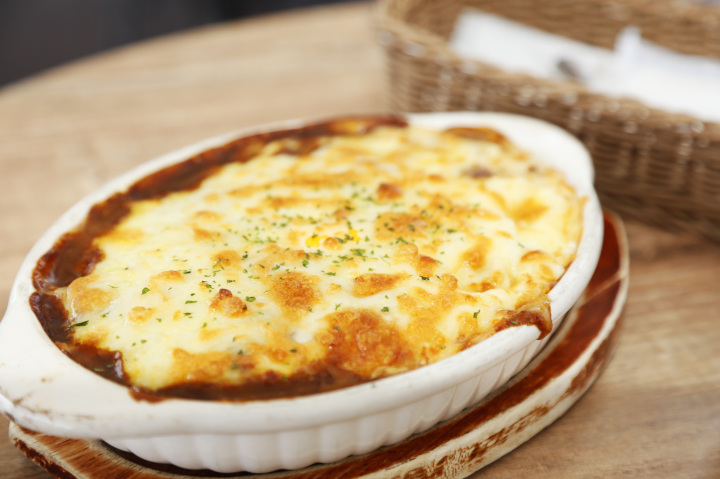
Baked Curry is a dish where curry, cheese, eggs, and other ingredients are layered over rice and baked in an oven. This piping hot, aromatic local specialty originated in Mojiko. This dish embodies the “trendy” atmosphere of Moji Port Retro. Today, a wide variety of Baked Curry dishes have emerged, each shop adding its own unique twist.
(Transfer at Kokura Station)
From Beppu Station: Approximately 30 minutes by bus
Beppu Jigoku Tour
Experience the raw power of onsen energy through seven unique jigoku ("hells")!
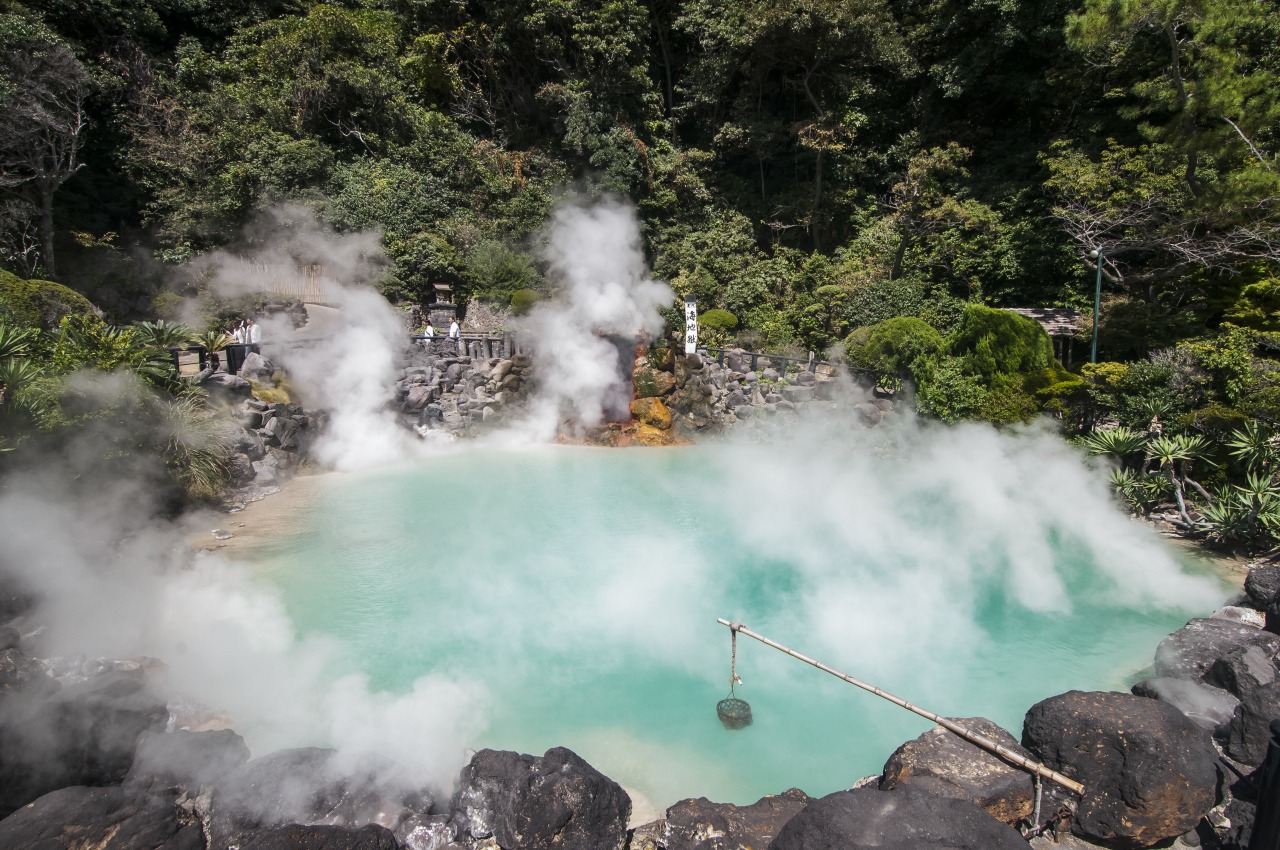
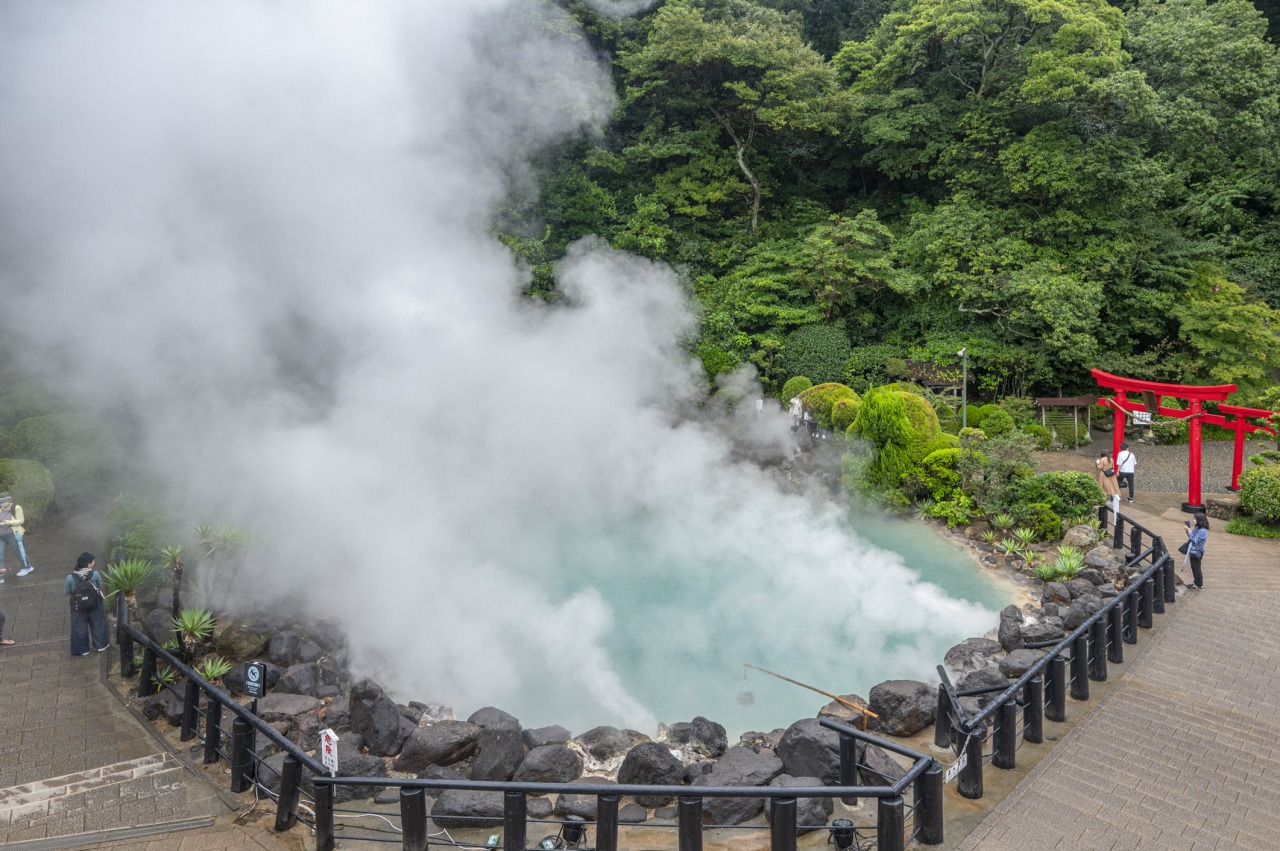
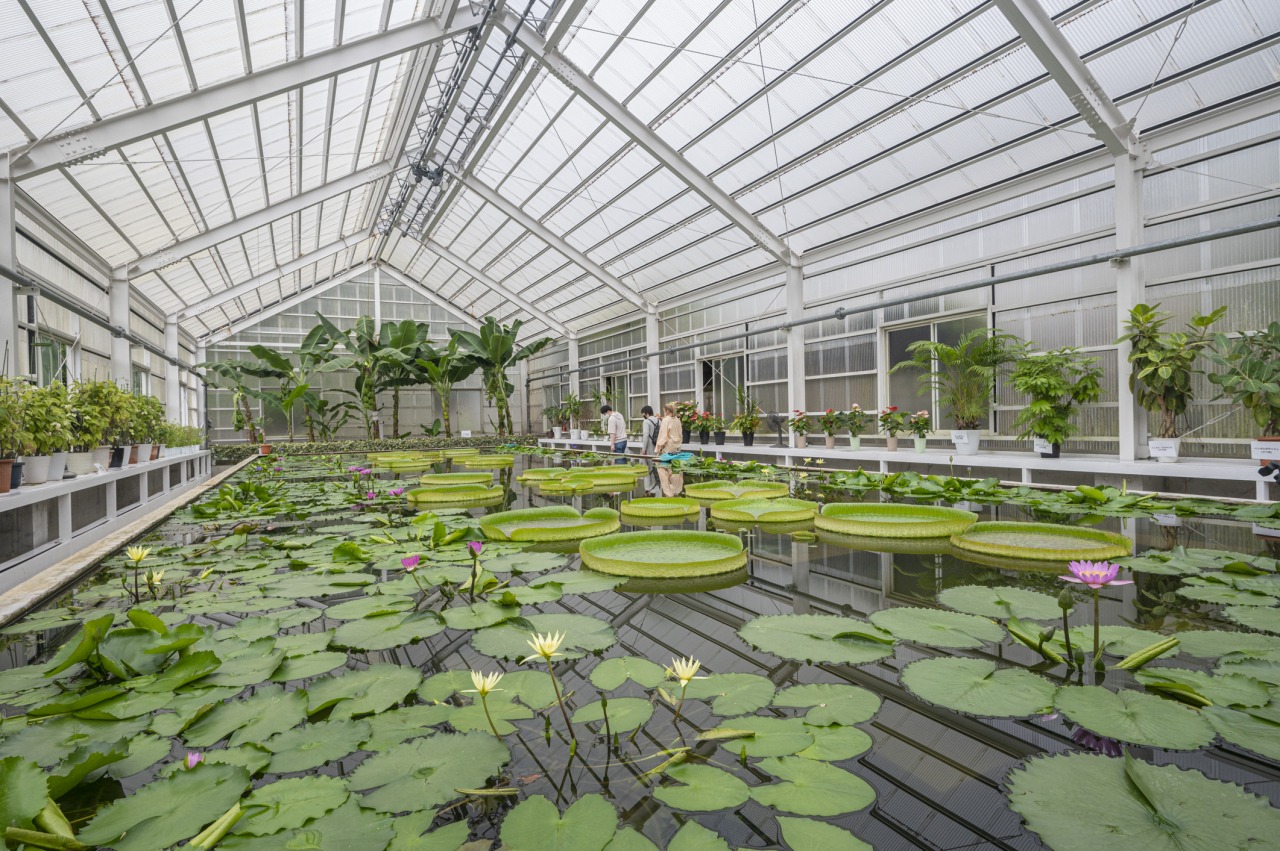
The onsen hot springs at Beppu have been gushing and flowing for more than 1,000 years. In the past, the steam and boiling water from these onsen were considered to be dangerous, which led to them being called jigoku, or "hells". Today, these seven distinct "hells" are popular tourist attractions, and visiting them is known as the "Beppu Jigoku Tour.
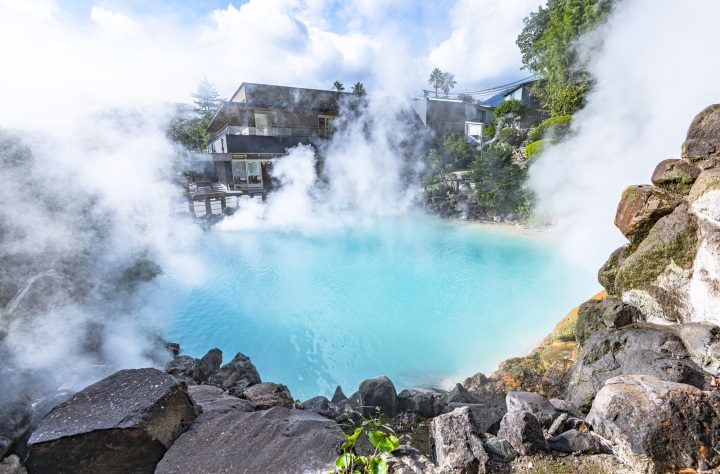
The tour includes Umi Jigoku (Sea Hell), Chinoike Jigoku (Blood Pond Hell), Tatsumaki Jigoku (Tornado Hell), Shiraike Jigoku (White Pond Hell), Oniishi Bozu Jigoku (Monk's Head Hell), Oniyama Jigoku (Demon Mountain Hell), and Kamado Jigoku (Cooking Pot Hell). Four of these – Umi Jigoku, Chinoike Jigoku, Oniishi Bozu Jigoku, and Kamado Jigoku – are designated as Places of Scenic Beauty by the Japanese government. Highlights include the cobalt-blue, 98℃ waters of Umi Jigoku, the striking red pool of Chinoike Jigoku, the alternating bursts of hot water and steam at Tatsumaki Jigoku, and the pale bluish hues of Shiraike Jigoku. Additionally, free foot baths are available at Umi Jigoku, Chinoike Jigoku, Oniishi Bozu Jigoku, and Kamado Jigoku – don’t miss the chance to try them out!
Be sure to indulge in the local gourmet treats, such as onsen tamago (eggs cooked in the hot springs), jigoku-mushi yaki pudding (pudding that has been steamed by using the hot water from the hells), and the uniquely colored chinoike pudding.
To make the most of your Jigoku Tour experience, consider purchasing a shared admission ticket, which allows you to visit all seven hells at a discounted price. Alternatively, you can take a guided sightseeing bus, which efficiently covers all seven sites in about three hours – highly recommended!
Sightseeing Spots Around Jigokumeguri
- Yukemuri Observatory
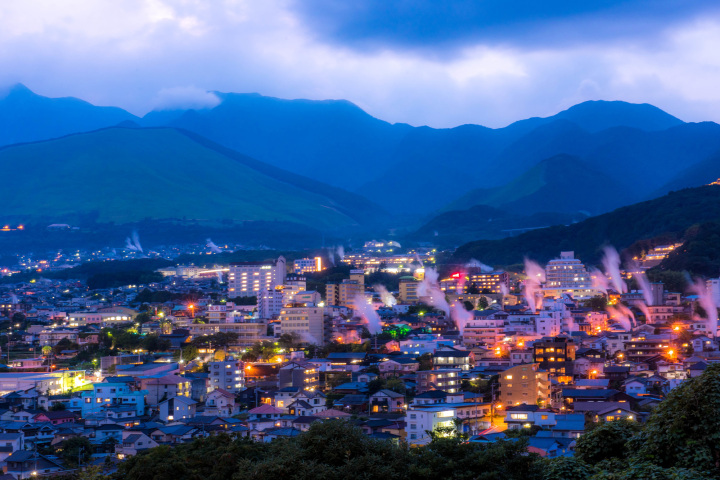
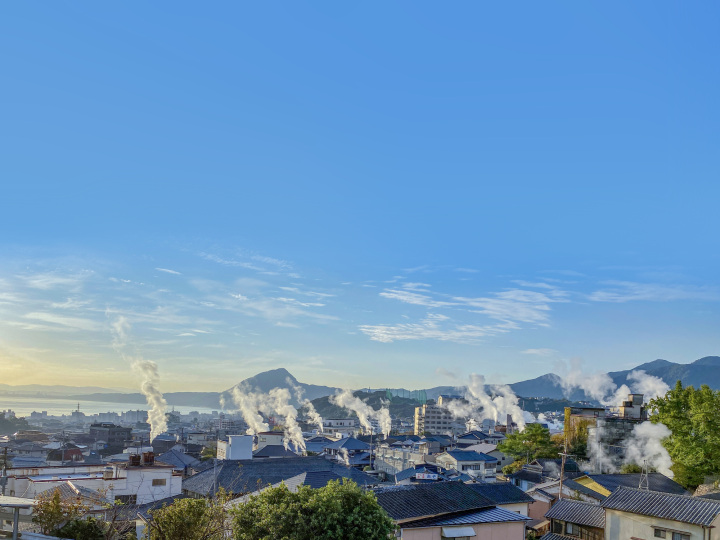
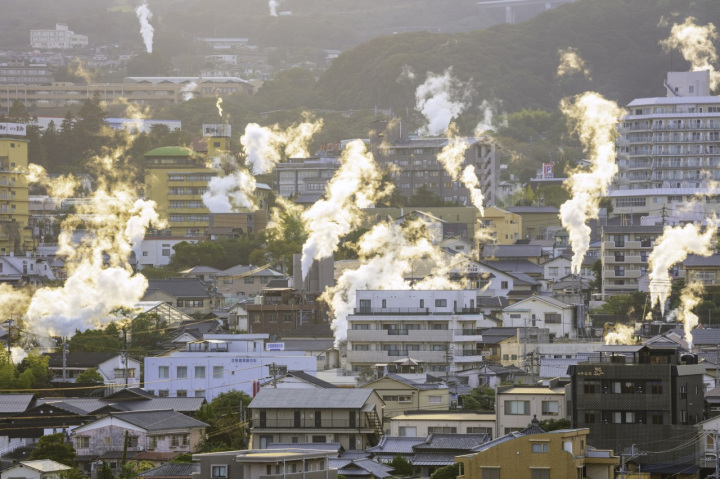
- Perched atop a hill in Beppu, the Yukemuri Observatory offers a magnificent panoramic view of countless wisps of steam rising into the sky from the hot spring towns of Beppu and Kannawa. The majestic silhouettes of Mount Tsurumi and Mount Ohira (Ogiyama) towering behind the hot spring towns are also a highlight. At sunset, the sky's colors change moment by moment, and the steam blends with the shifting light, creating a fantastical scene.
- https://oita-tourism.com/en/attractions/detail_1014.html
- Jigoku Onsen Museum
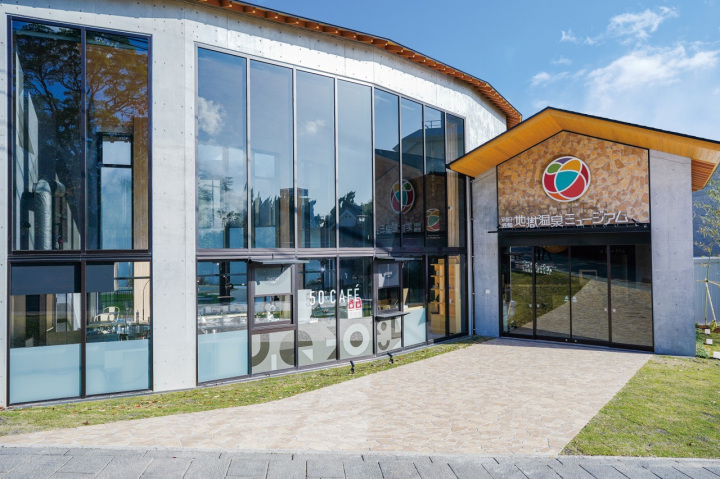
- An experiential facility where you can enjoy learning about the charm of Beppu Kannawa Onsen under the theme “Hot Springs Become Even More Precious.” Visitors become “raindrops,” retracing the approximately 50-year journey rainwater takes through various stages to become hot spring water as they explore four experiential exhibits. Experience the mysteries of nature through projection mapping, a stamp rally, and a theater presentation.
- https://oita-tourism.com/en/attractions/detail_1017.html
- Oita Fragrance Museum
- A unique museum themed around ‘fragrance’. Here you can enjoy exploring the history and culture of scent.
The museum displays an extensive collection of perfumes gathered from around the world. At the fragrance blending workshop, you can learn about fragrance components and blending techniques. 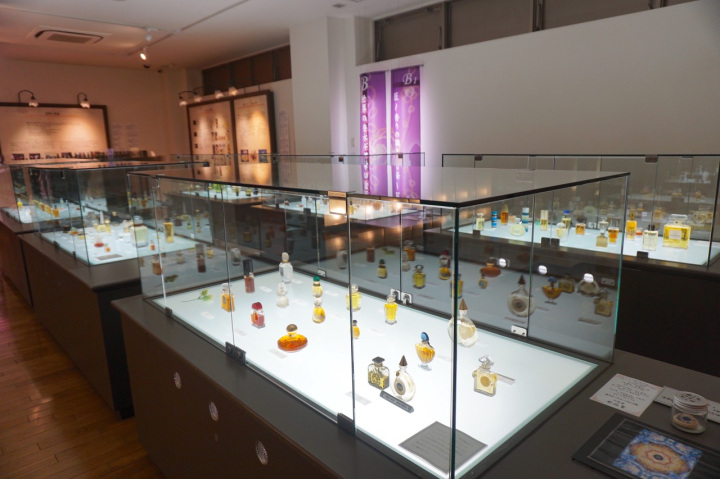
- https://oita-tourism.com/en/attractions/detail_1011.html
Kannawa Onsen
Explore Beppu’s Famous Jigoku Tour and More
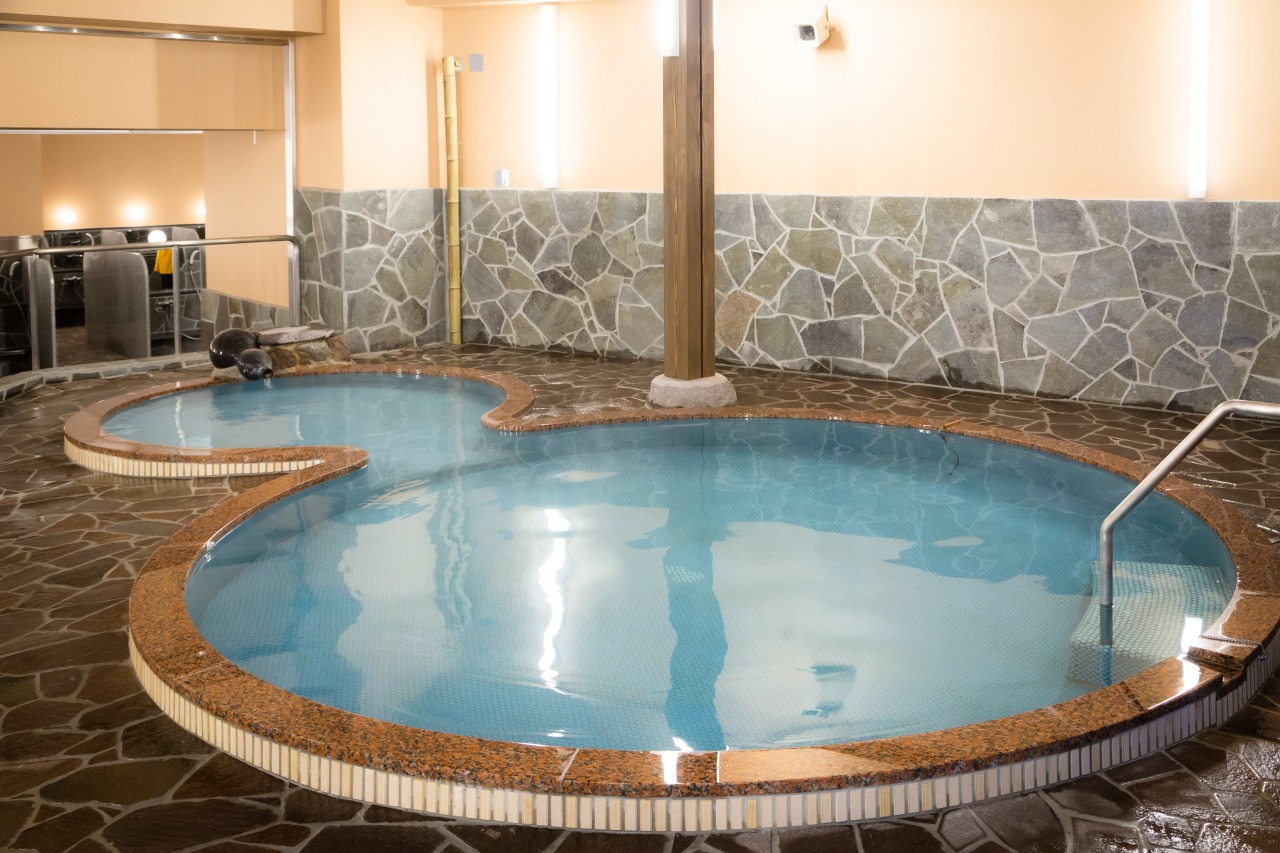
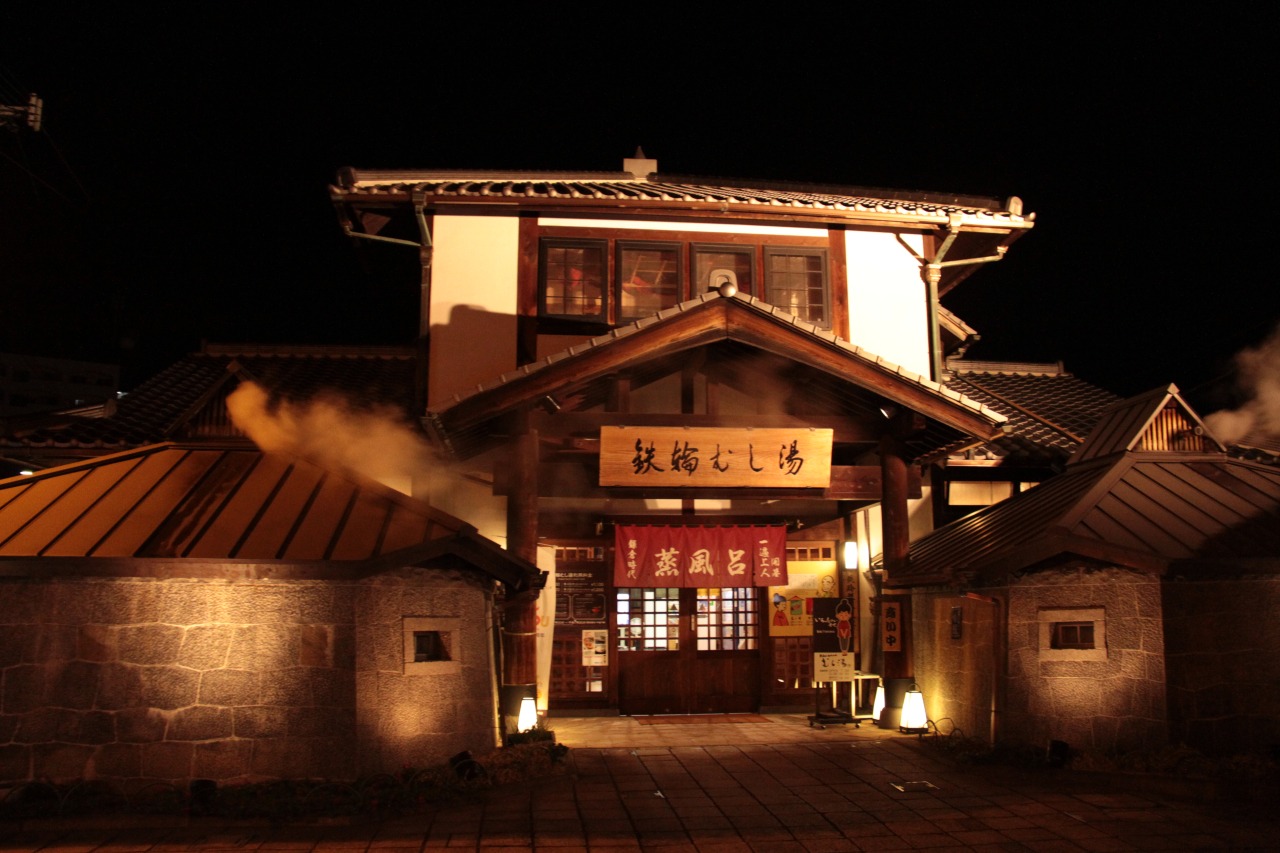
Kannawa Onsen serves as the vibrant heart of Beppu tourism, attracting visitors with iconic attractions like the Beppu Jigoku Tour (Hell Tour). The area is characterized by its unique landscape of billowing steam rising from countless onsen sources and its nostalgic charm that reflects Beppu’s historic ambiance.
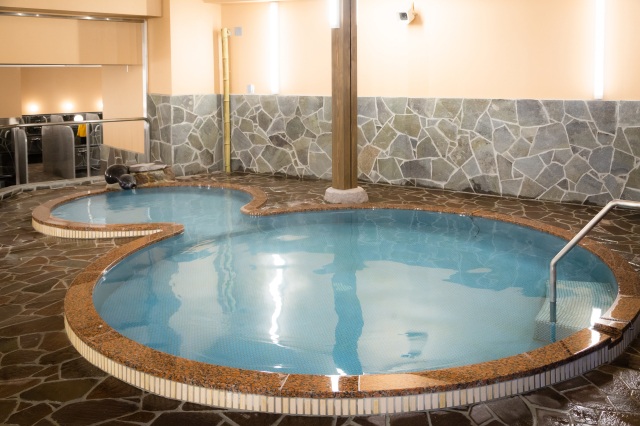
Renowned for its deep-rooted onsen therapy culture, Kannawa Onsen continues to offer a wide array of experiences. Visitors can enjoy day-use onsen facilities or opt for extended stays at traditional inns to fully immerse themselves in the therapeutic waters. The variety of spring types, including chloride springs, simple hot springs, and sulfur springs, ensures there’s something for everyone.
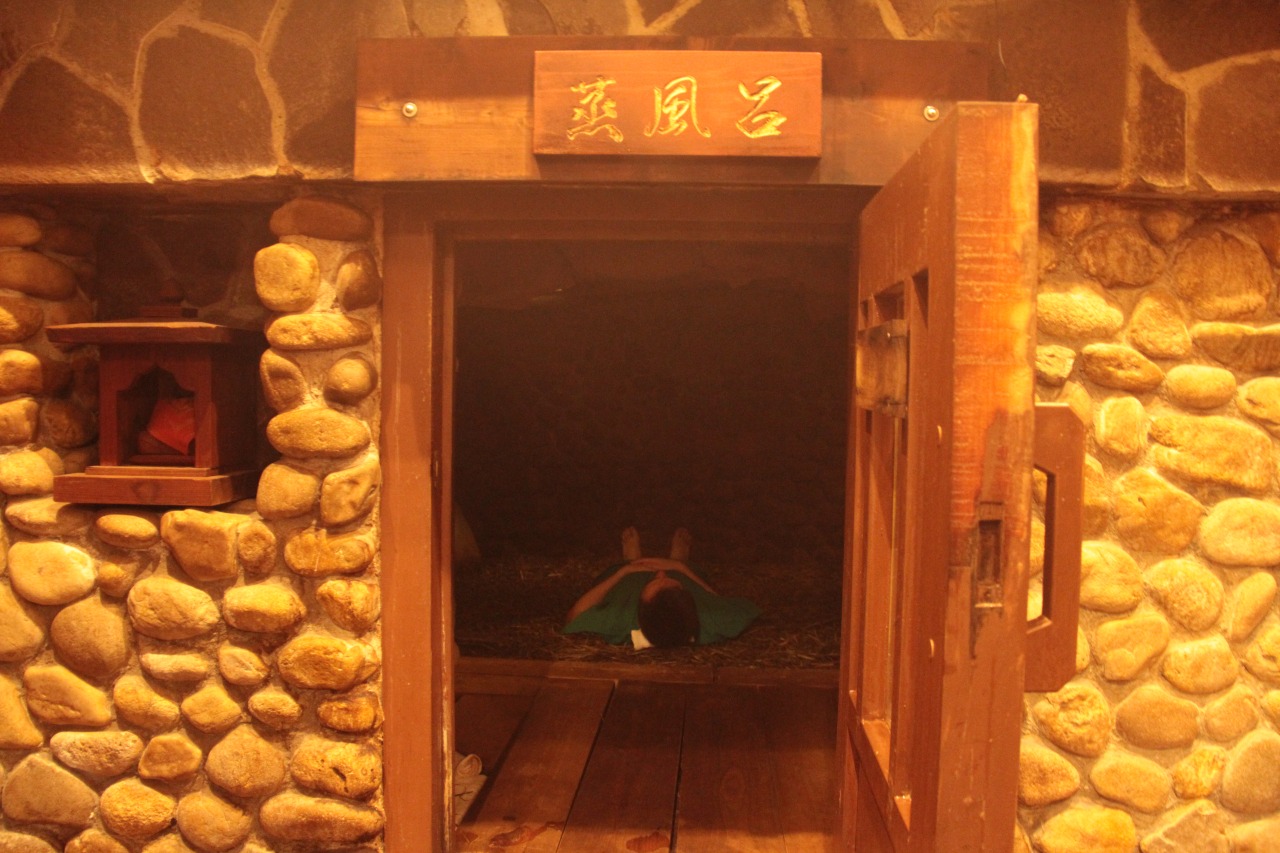
A must-try experience is the Mushi-yu, a natural herbal steam sauna. Participants recline over aromatic stones of shobu (sweet flag) while the therapeutic steam gently envelops their entire body – a rejuvenating and uniquely relaxing activity.
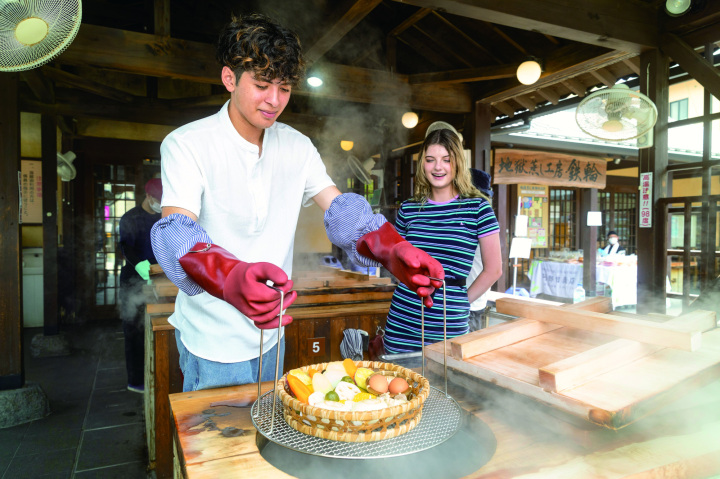
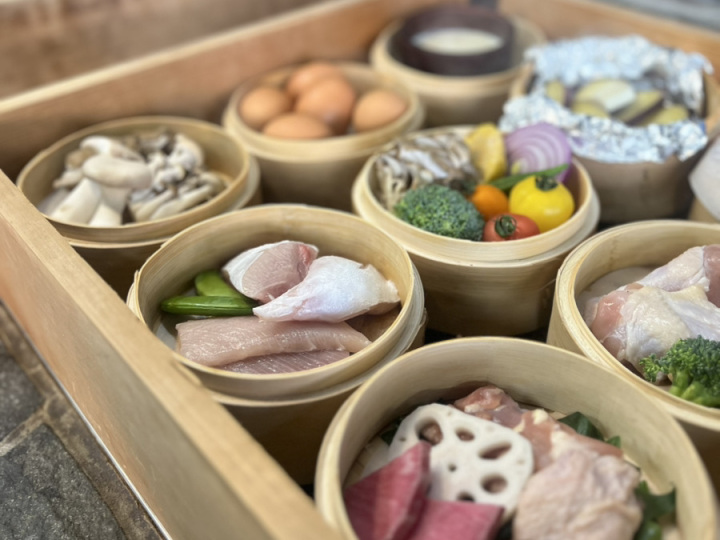
Make sure not to miss the local culinary delight, Jigoku Mushi (Hell Steaming). This traditional cooking method uses onsen steam to prepare vegetables, seafood, and meats, highlighting their natural flavors. At interactive facilities, you can select your own ingredients, place them into steam chambers, and savor the freshly cooked meal. Watching the rising steam as your meal cooks adds an extra layer of fun, making it a memorable part of your journey.
Facilities Offering Kannawa Onsen
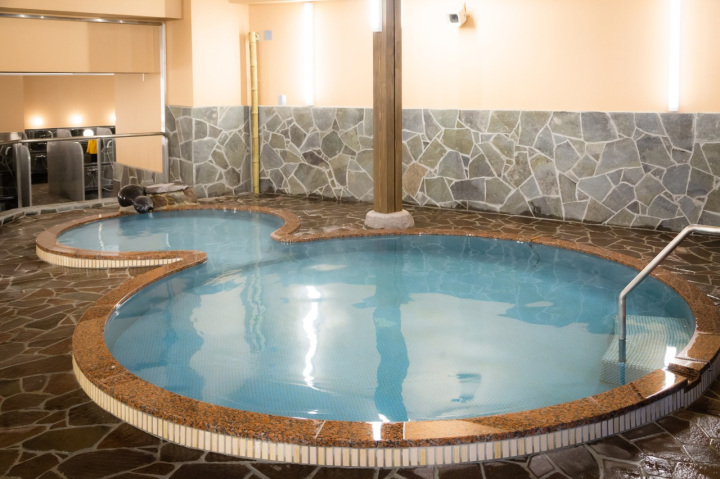
- Hyotan Onsen
- Established in 1922, it is Japan's only hot spring to receive a Michelin three-star rating. Enjoy 100% natural flowing spring water and sand baths using sand from the sea of Beppu. The “Hell's Cauldron Pudding,” made using hot spring steam and available only here, is an exquisite treat.
- https://www.hyotan-onsen.com/english/
- Kannawa Mushi-yu
- Kannawa Mushi-yu is said to have been established around the late 12th century during the Kamakura period.
Herbs are spread over the floor of an around 13 squea meters stone chamber. After lying down and sweating for about 10 minutes, you slowly immerse yourself in the hot spring. Be sure to try the rare ‘foot steam’ treatment, unique even nationwide. 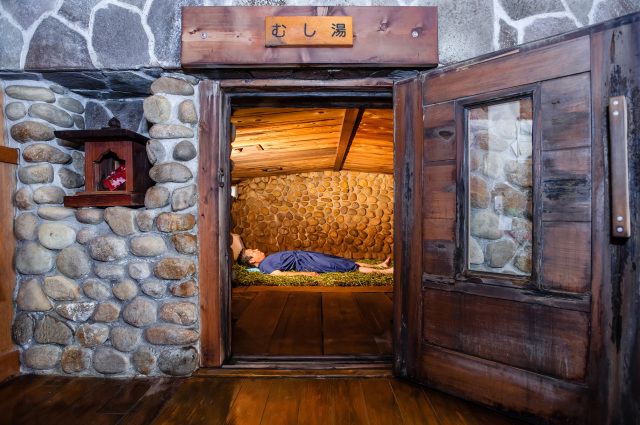
- https://www.google.com/maps/place/%E9%89%84%E8%BC%AA%E3%82%80%E3%81%97%E6%B9%AF/@33.3163444,131.4780083,17z/data=!3m1!4b1!4m6!3m5!1s0x3546a7a1d86a7cb5:0xaa652aea8f07482c!8m2!3d33.3163444!4d131.4780083!16s%2Fg%2F122917h0?entry=ttu&g_ep=EgoyMDI1MTAxNC4wIKXMDSoASAFQAw%3D%3D
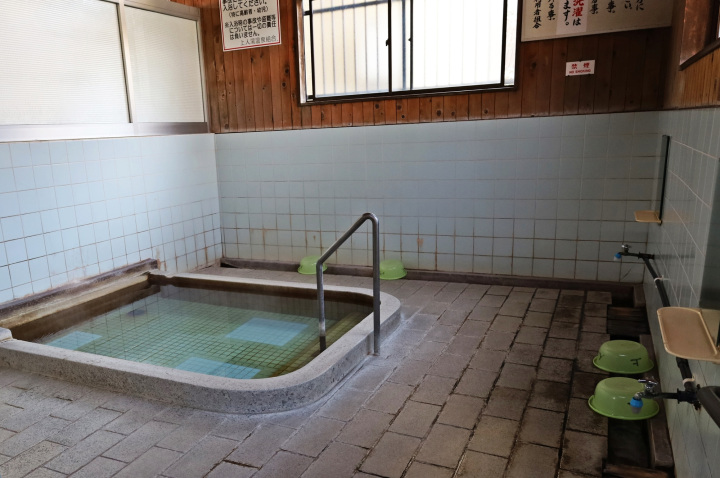
- Other Facilities
- Numerous hot spring facilities offer free or low-cost access to natural flowing springs. Be sure to find the one that suits your preferences!
- https://kannawaonsen.com/onsen/
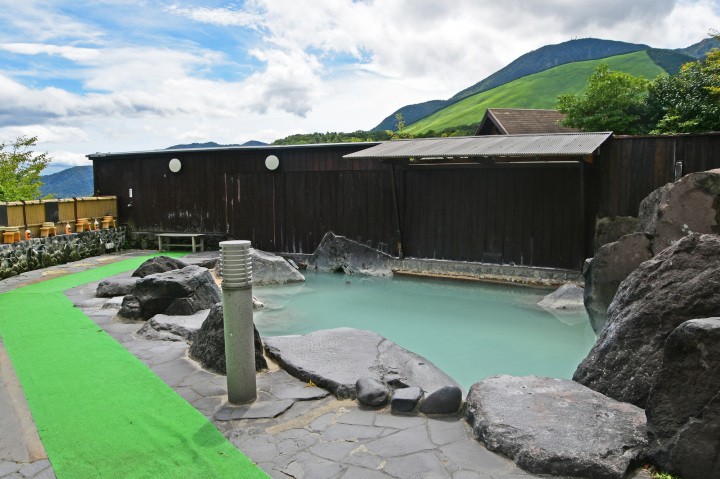
Functional Hot Spring Bathing · 2-Spring Tour
Functional Hot Spring Bathing · 2-Spring Tour refers to an bathing experience where you soak in two hot springs with different mineral compositions in a specific sequence to unlock special synergistic benefits. By combining waters with distinct properties, this approach transcends the simple sum of “1+1,” creating an exceptionally effective and luxurious hot spring experience that yields benefits akin to ‘3’ or even “4.”
【Dinner】jigoku-mushi ("hell-steaming")
Let's try jigoku-mushi!
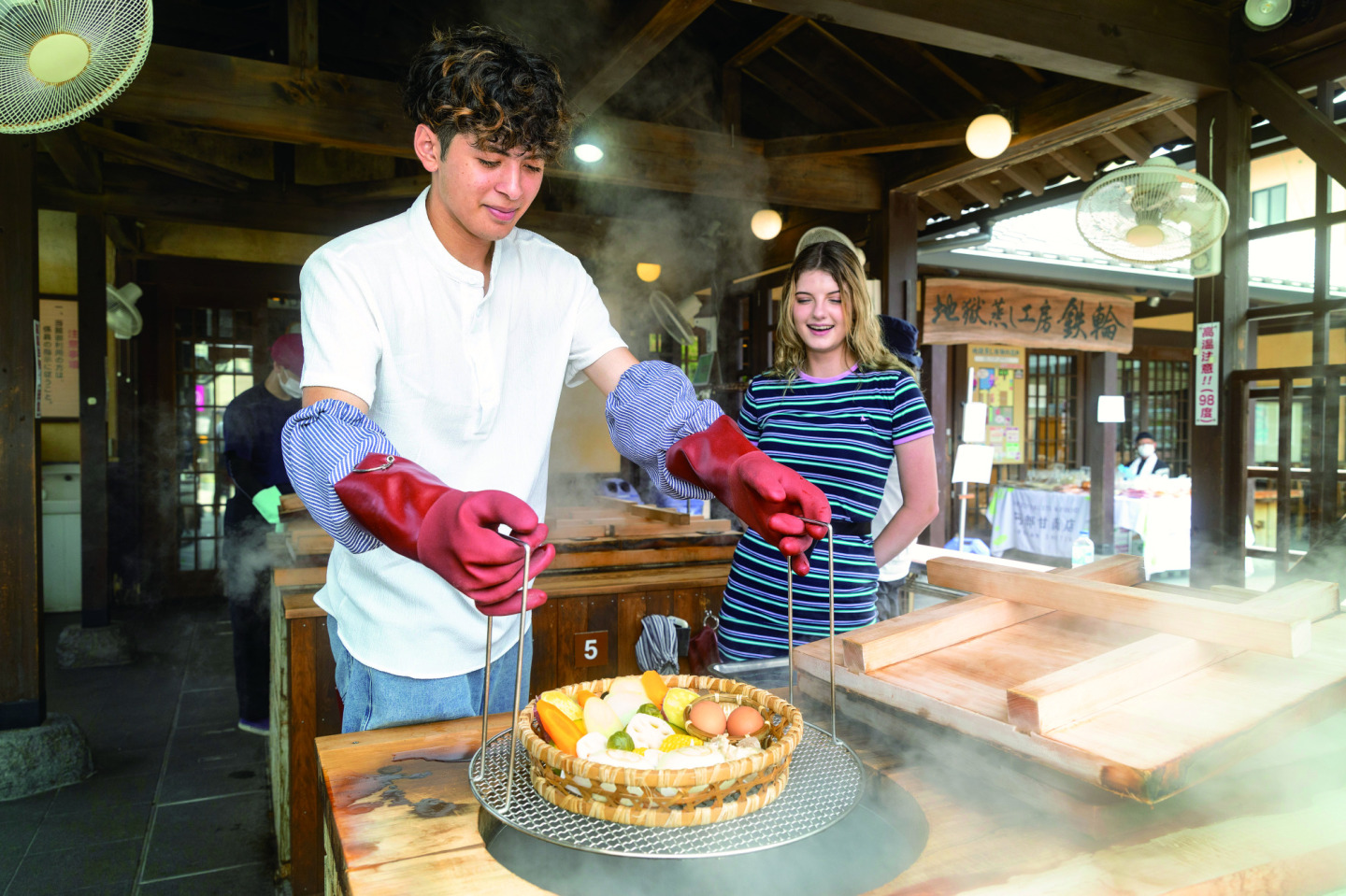
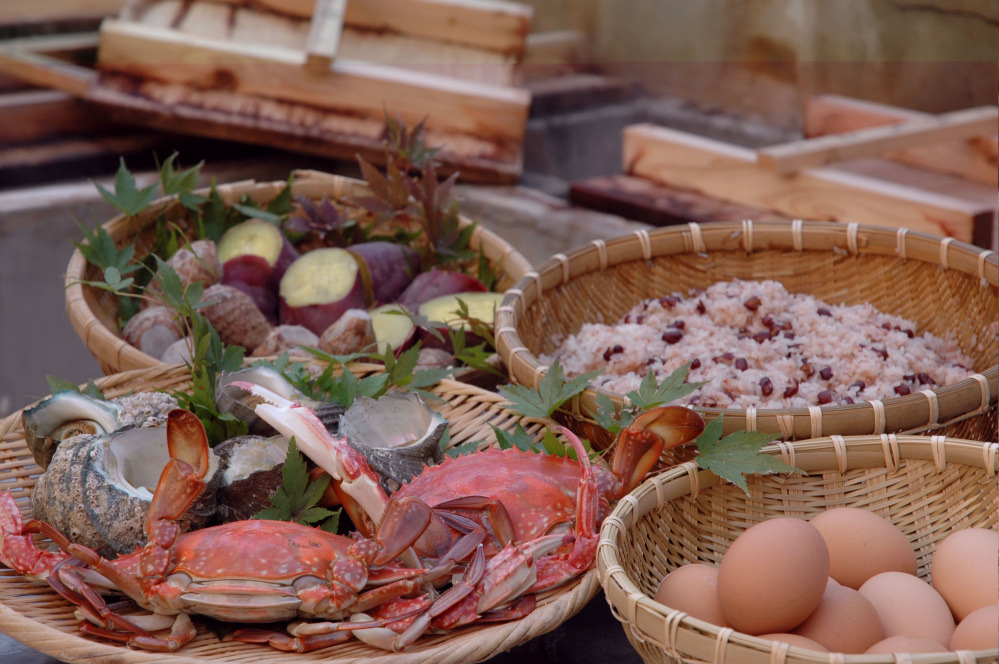
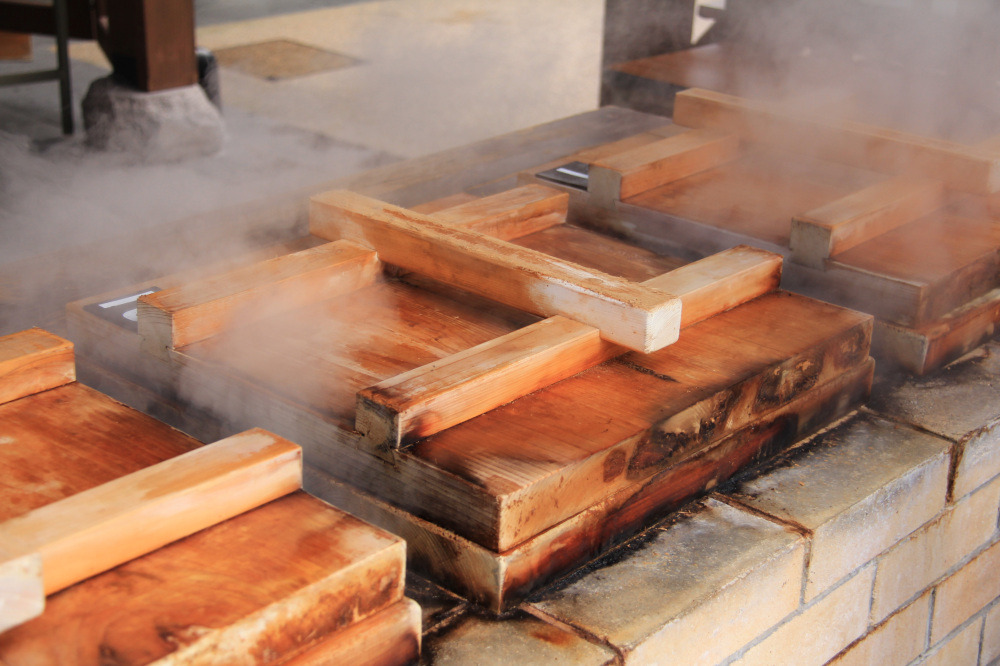
The hell steaming process is simple: place your preferred ingredients on a steaming basket, put it in the hell steaming pot, and wait until they're tender.
Some facilities provide ingredients, while others allow you to bring your own purchased items—choose whichever suits your preference. Steaming times are roughly: - Soft vegetables and fish: 5–15 minutes - Eggs: 10 minutes - Root vegetables like sweet potatoes and lotus root: about 20 minutes We recommend separating your baskets by ingredient and timing them with a timer.
Facilities where you can enjoy hell steaming
Any ingredients work for hell steaming! Find your favorite ingredients. There are also recommended shops for first-time hell steaming experiences.
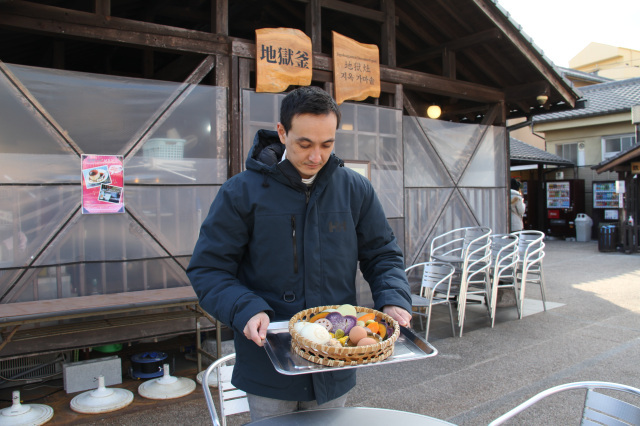
- Jigoku Mushi Workshop Kannawa
- A hell steaming specialty shop easily accessible for groups or individuals. They boast a wide menu, including seafood and meat platters, rice dumplings wrapped in bamboo leaves, dango soup (a hearty miso soup-like dish from Oita Prefecture), mushrooms, sausages, processed foods like shumai, and even sweets like pancakes. Some ingredients can be brought in, so please check in advance.
- https://maps.app.goo.gl/UX3gSaNC5MZuxr8S6
- Hyotan Onsen
- This day-trip hot spring facility offers a variety of bathing experiences, including sand baths (where you're buried in sand), steam baths (similar to saunas), a large public bath, and 14 types of private family baths. The attached dining area serves “hell-steamed” dishes, with basic platters available for beginners.
- https://www.hyotan-onsen.com/english/
【Accommodation】 Kannawa Onsen
Explore Beppu’s Famous Jigoku Tour and More
Kannawa Onsen serves as the vibrant heart of Beppu tourism, attracting visitors with iconic attractions like the Beppu Jigoku Tour (Hell Tour). The area is characterized by its unique landscape of billowing steam rising from countless onsen sources and its nostalgic charm that reflects Beppu’s historic ambiance.
Renowned for its deep-rooted onsen therapy culture, Kannawa Onsen continues to offer a wide array of experiences. Visitors can enjoy day-use onsen facilities or opt for extended stays at traditional inns to fully immerse themselves in the therapeutic waters. The variety of spring types, including chloride springs, simple hot springs, and sulfur springs, ensures there’s something for everyone.
A must-try experience is the Mushi-yu, a natural herbal steam sauna. Participants recline over aromatic stones of shobu (sweet flag) while the therapeutic steam gently envelops their entire body – a rejuvenating and uniquely relaxing activity.
Make sure not to miss the local culinary delight, Jigoku Mushi (Hell Steaming). This traditional cooking method uses onsen steam to prepare vegetables, seafood, and meats, highlighting their natural flavors. At interactive facilities, you can select your own ingredients, place them into steam chambers, and savor the freshly cooked meal. Watching the rising steam as your meal cooks adds an extra layer of fun, making it a memorable part of your journey.
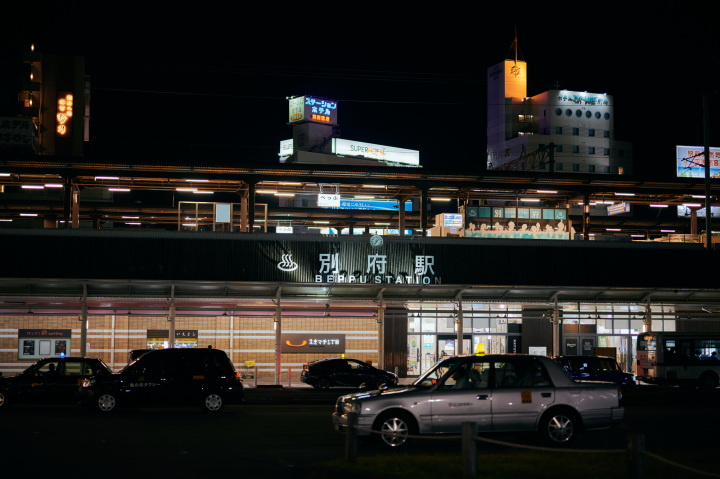
Accommodations near Beppu Station are also recommended.
Staying near Beppu Station, the hub for rail and bus travel, makes sightseeing around the city and next-day travel smooth. A shopping district spreads out in front of the station, and retro public bathhouses like Takegawara Onsen are within walking distance. This is recommended for those who want to enjoy the liveliness of Beppu city, distinct from the atmosphere of Kannawa.
From Yufuin Station: Approximately 20 minutes on foot
Lake Kinrin
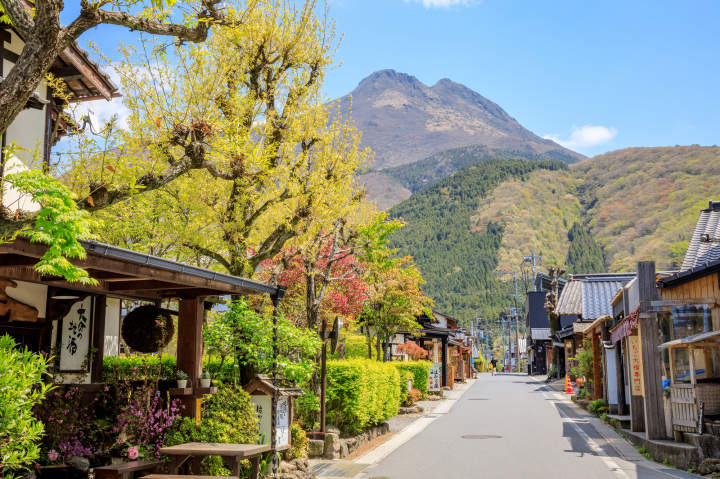
A picturesque lake showcasing Yufuin’s natural beauty
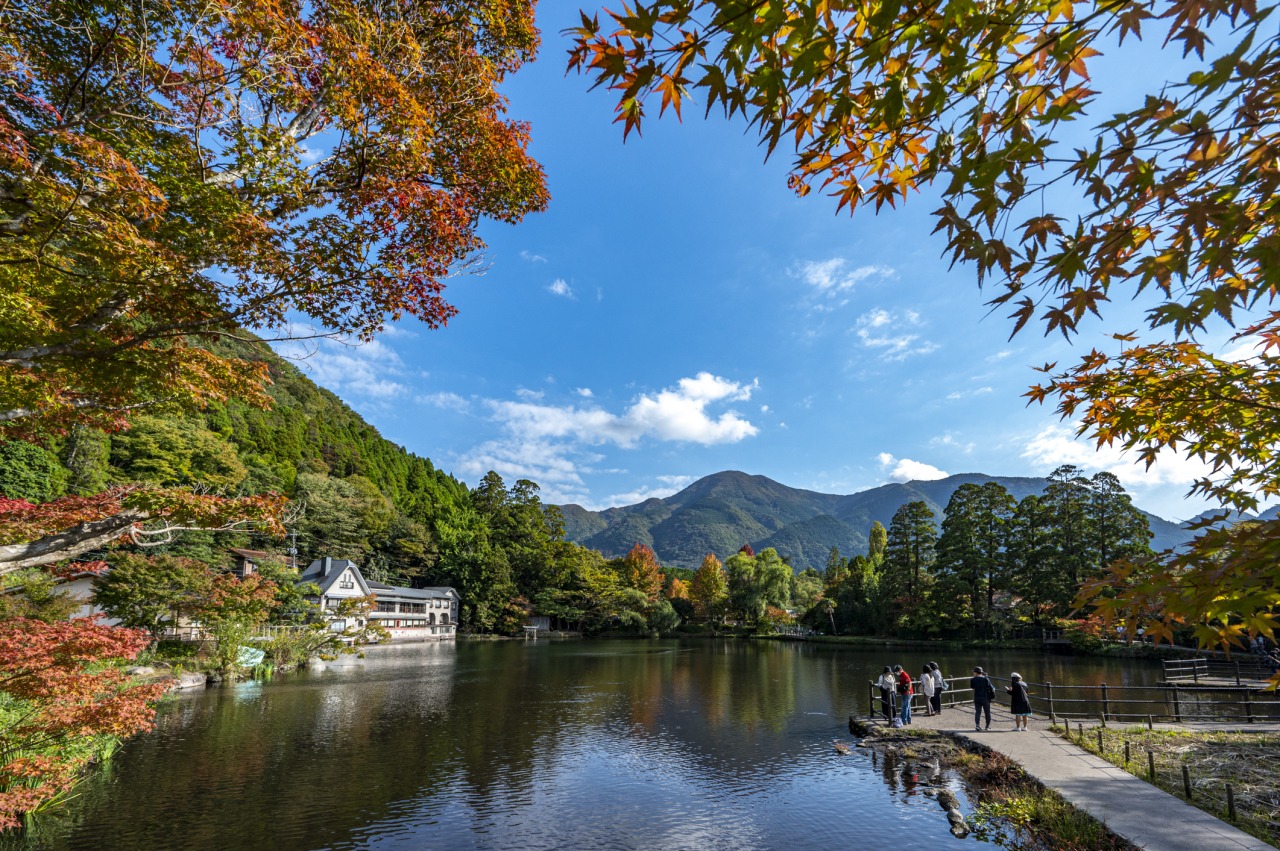
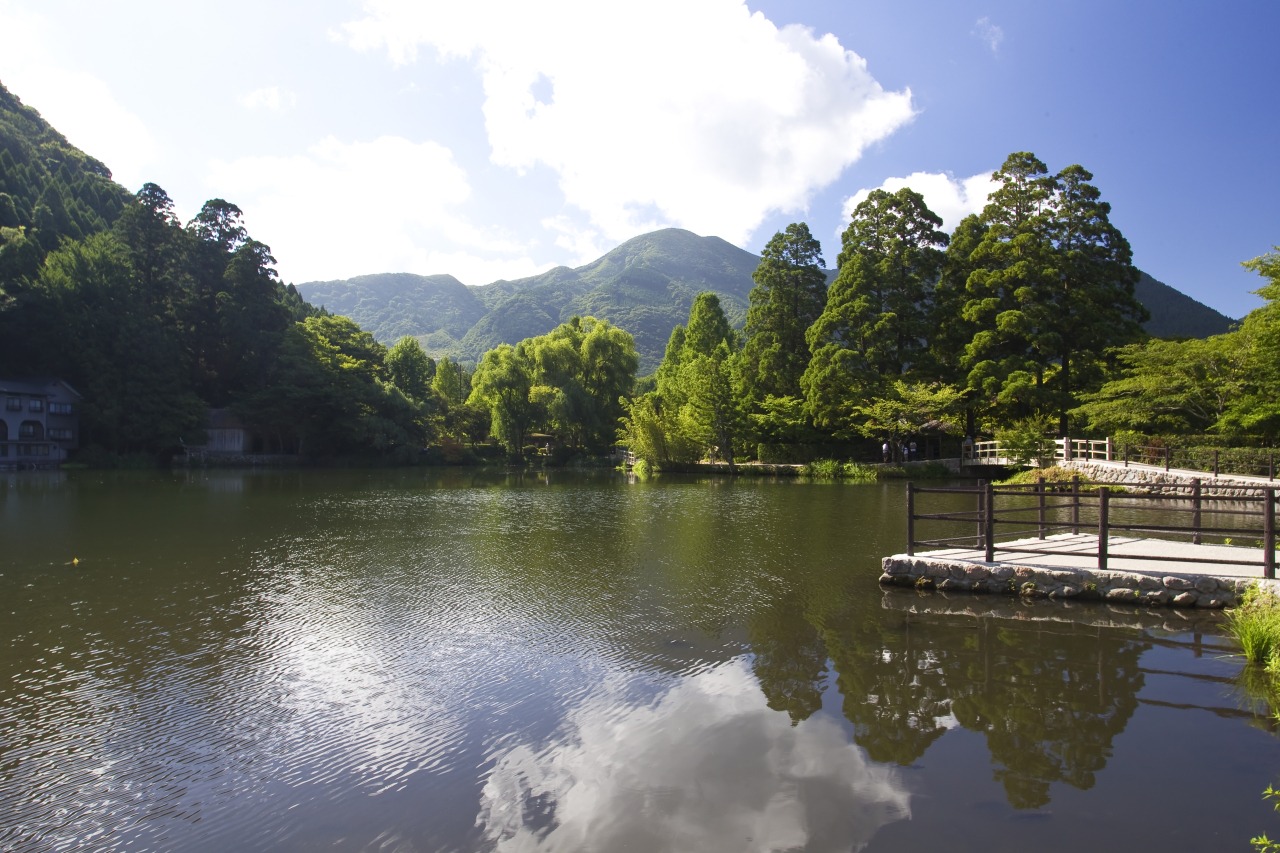
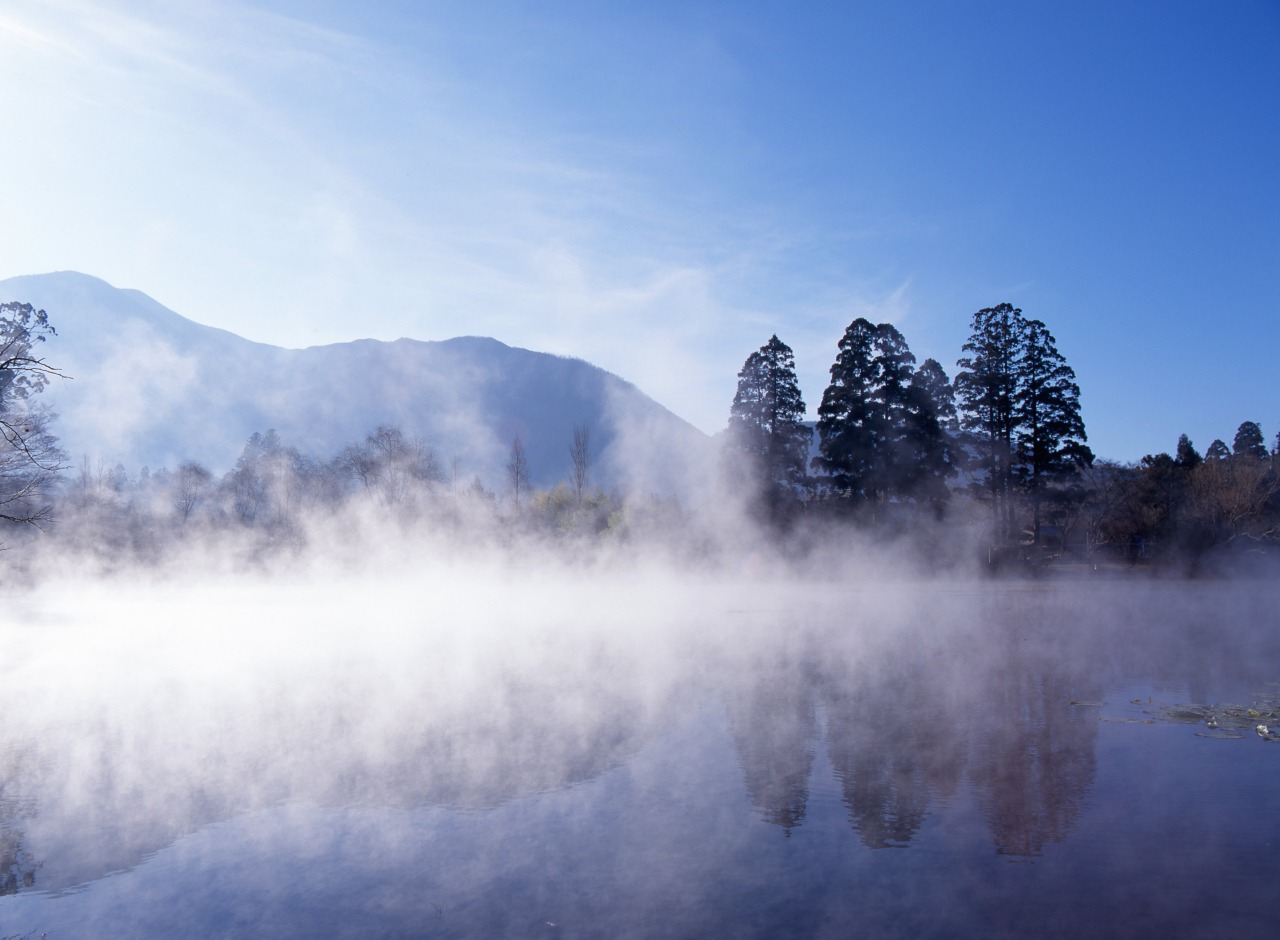
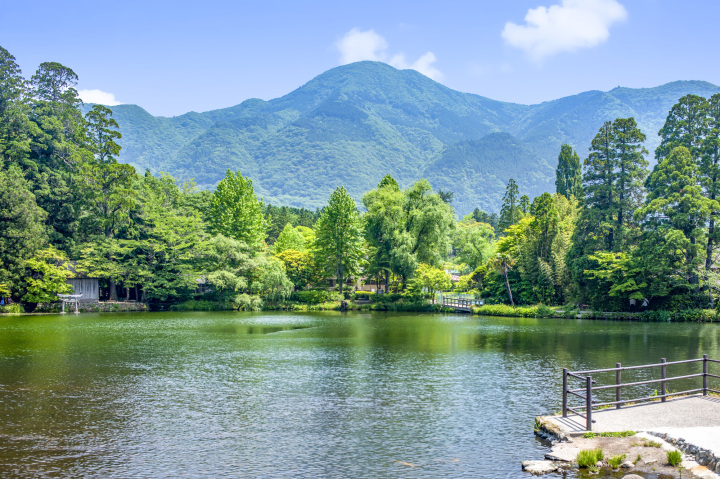
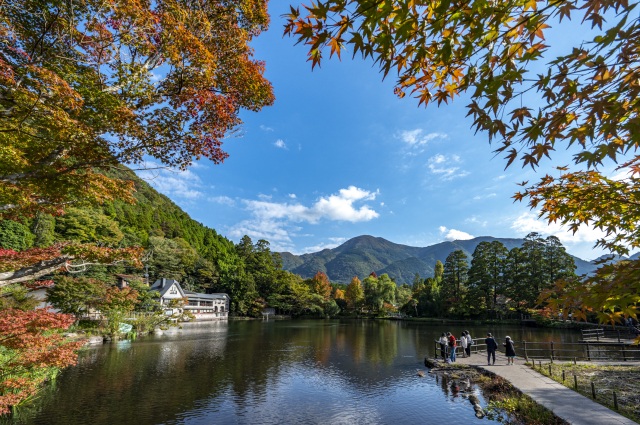
Lake Kinrin, one of Yufuin's most popular tourist destinations, is a serene and beautiful 400 meter circumference lake that is surrounded lush nature. Visitors can stroll along the well-maintained walking paths and enjoy the seasonal scenery. The lake’s surroundings also feature art galleries and cozy cafes, making it an ideal spot for relaxation.
The lake’s water remains warm year-round due to a mix of spring water and natural hot spring inflows. This unique feature creates a magical scene on cold winter mornings, as steam rises from the surface, wrapping the lake in an ethereal mist reminiscent of a traditional sumi-e ink painting.
The lake is about a leisurely 30-minute walk from Yufuin Station. Along the way, take in the charming rural landscapes and immerse yourself in the tranquil atmosphere of the area.
【Lunch】Yufu Mabushi
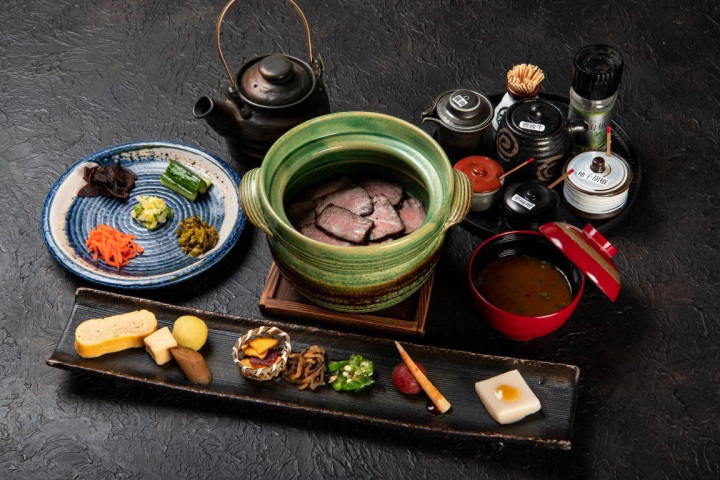
For lunch in Yufuin, we recommend the local specialty “Yufu Mabushi.” This dish features rice cooked in a piping hot earthenware pot topped with a main ingredient charcoal-grilled over an open flame. Standard toppings include Oita's famous “Bungo Beef,” local chicken, and eel. The greatest pleasure of this dish lies in its changing flavors. Enjoy the first bowl plain, the second bowl with condiments like yuzu pepper to alter the flavor, and the third bowl topped with a special broth, savoring it like ochazuke. It's a luxurious lunch where you can enjoy the blessings of Yufuin three times over in one bowl.
From Yufuin Station to Amagase Station: Approximately 60 minutes by train
【Accommodation】Amagase Onsen
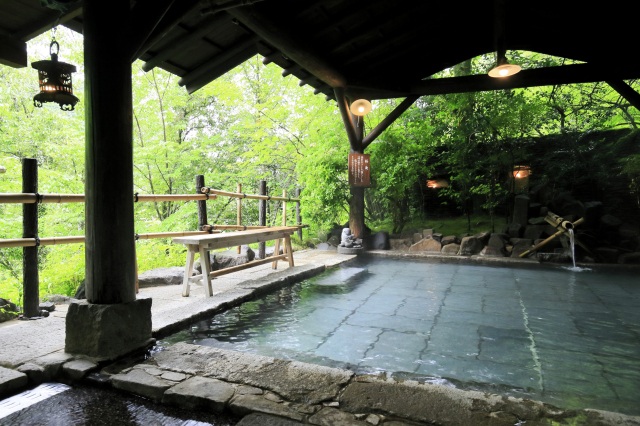
An Onsen Haven with Abundant Waters and Open-Air Riverside Baths

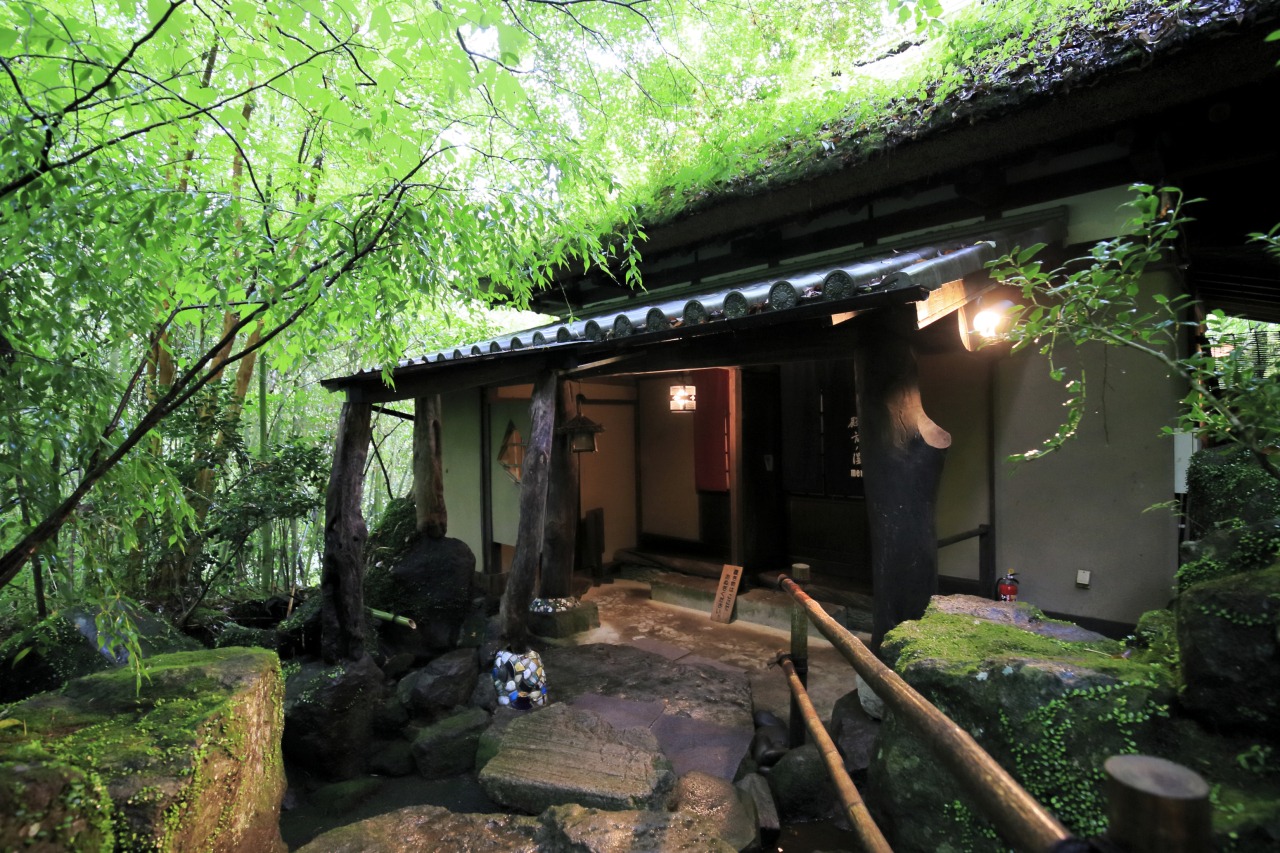
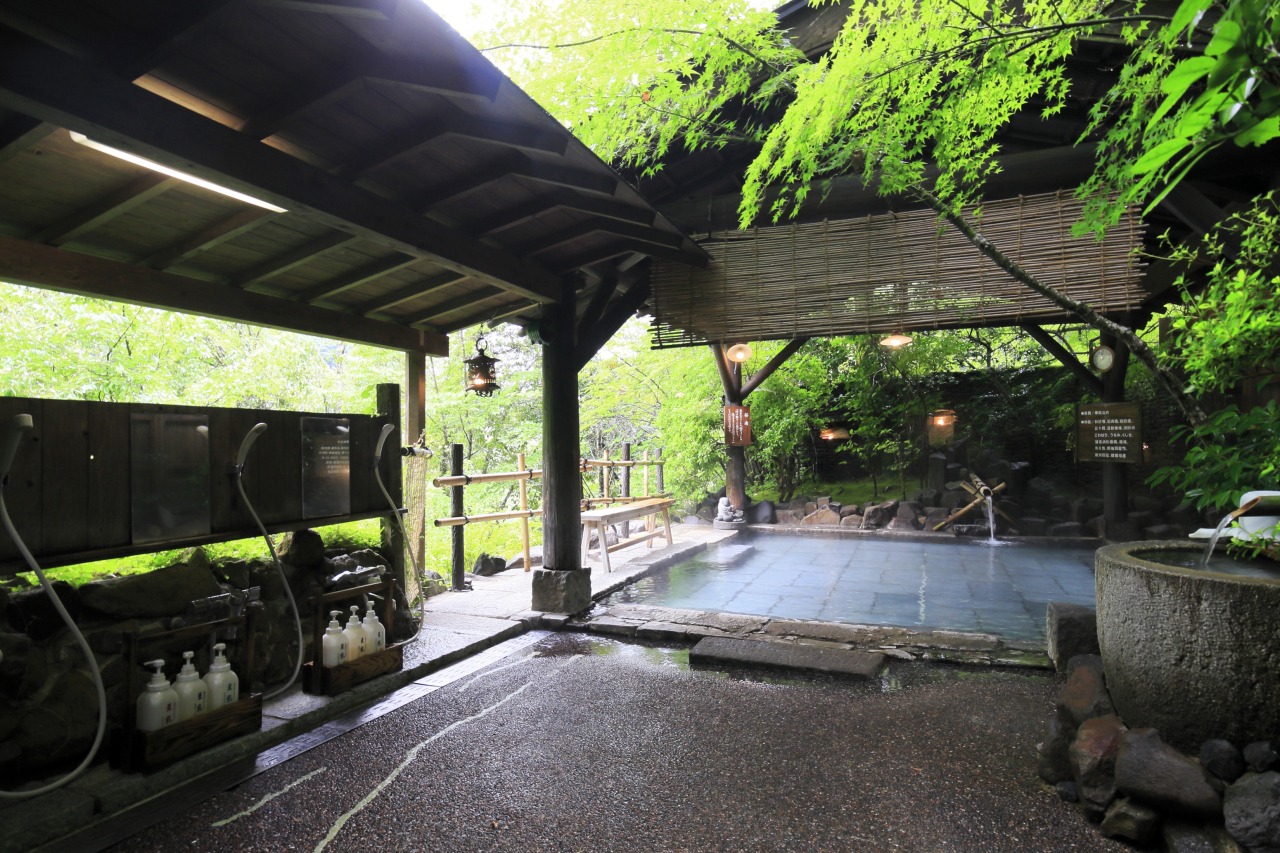
With a history spanning over 1,300 years, Amagase Onsen was once frequented by feudal lords. Nearby, visitors can enjoy the serene landscapes of Amagase Park and the picturesque Kusu River, which transform beautifully with each season. Just a short distance away is the dramatic Jion-no-Taki waterfall, a power site that is popular for relaxation and spiritual rejuvenation.
For those seeking a tranquil escape to enjoy onsen amid natural beauty and history, Amagase Onsen is an ideal choice. Its seasonal charm, cultural richness, and soothing waters make it a perfect retreat for the body and soul.
From Kumamoto Station: Approximately 30 minutes by bus or on foot
Kumamoto Castle
400 Years of Tradition: A Historic Castle of National Importance
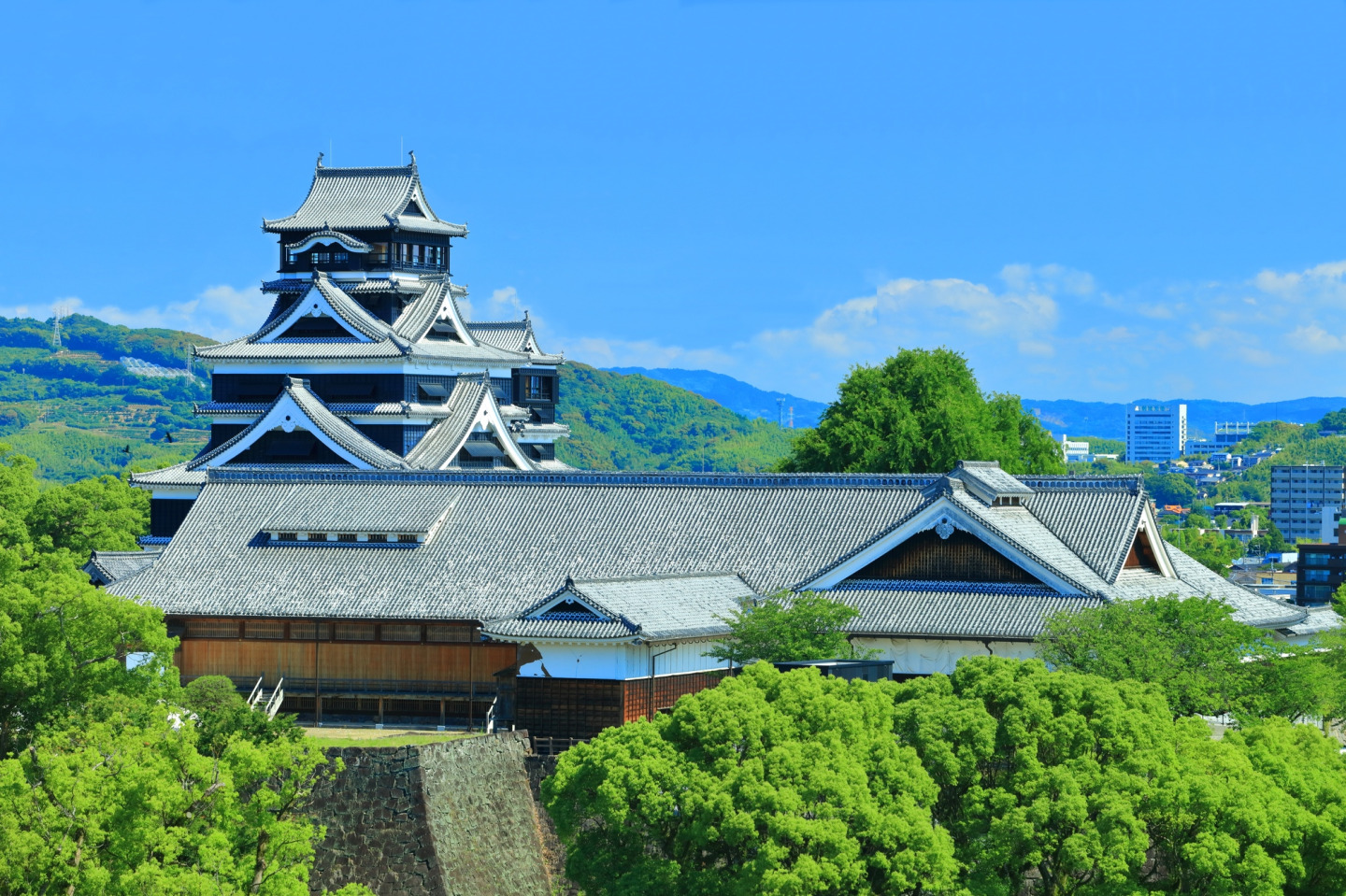
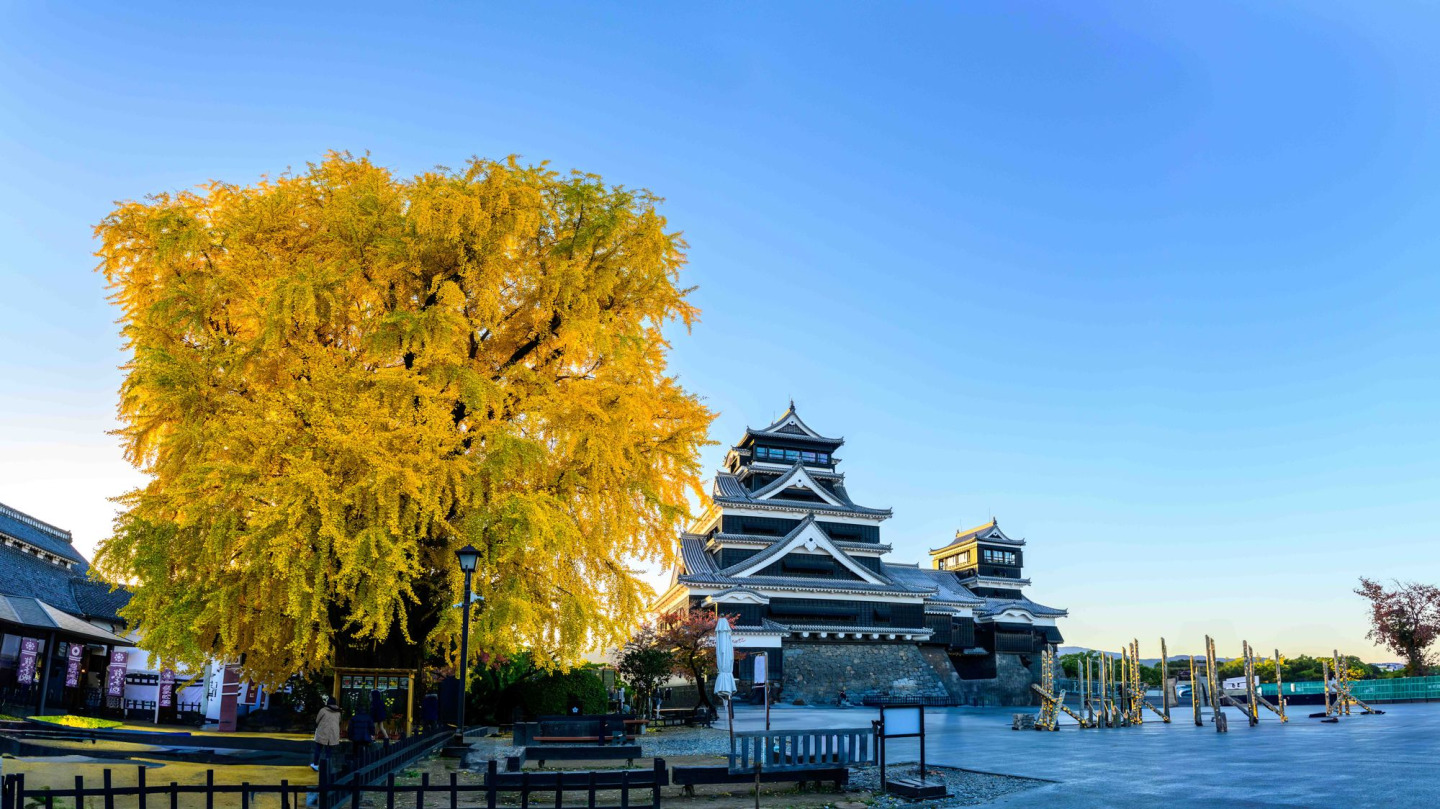
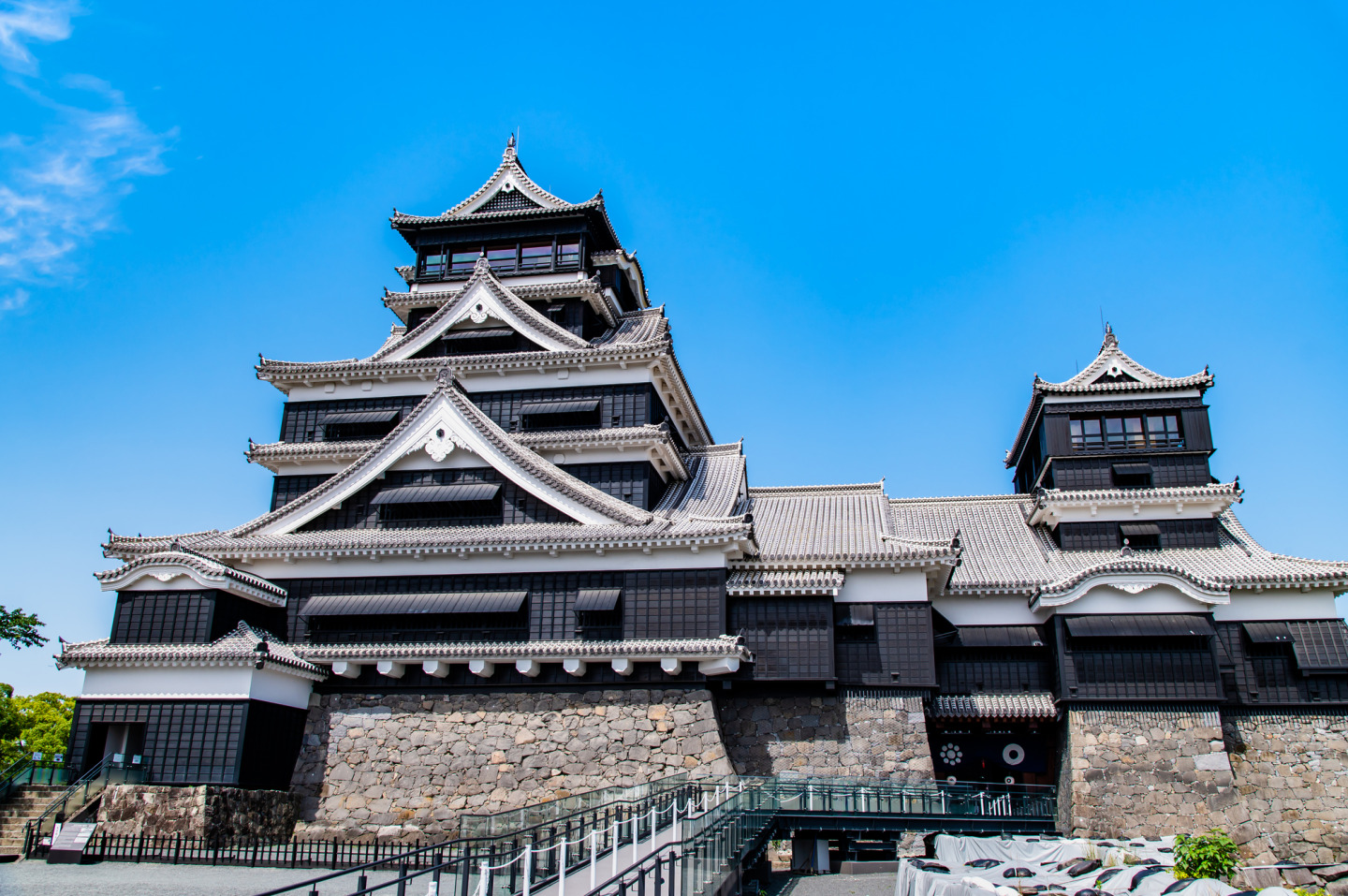
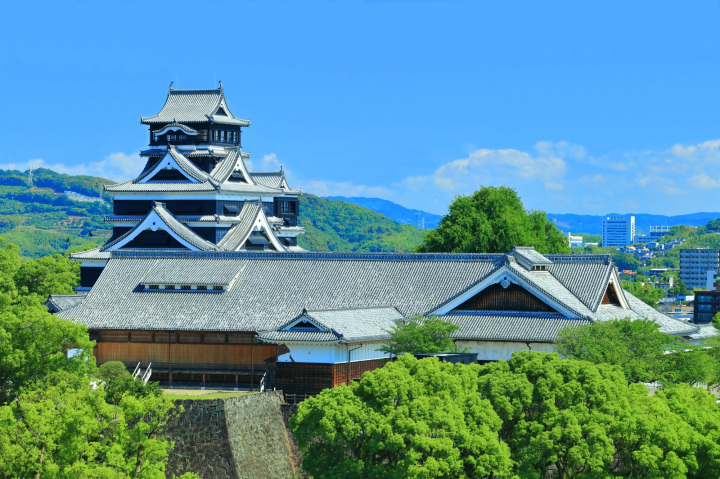
Kumamoto Castle is counted among Japan's Three Great Castles. From the top floor of the main keep, visitors can enjoy a panoramic view of the cityscape and the magnificent Aso mountain range. A large ginkgo tree stands before the keep, turning a vivid golden color in autumn, further enhancing the castle's majestic scenery. Though damaged in the 2016 Kumamoto Earthquake, it has since been restored and now stands as a symbol of recovery and hope, lifting the spirits of the people of Kumamoto.
【Lunch】Taipi En
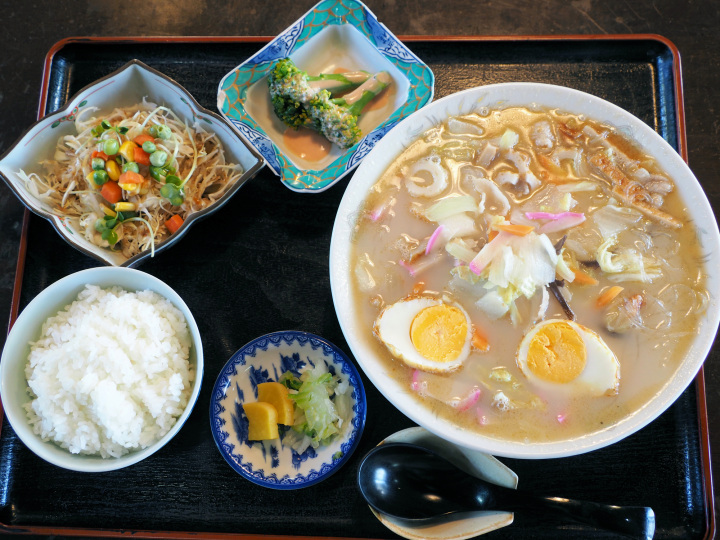
A noodle dish originating from Fujian cuisine in China, born in Nagasaki, and later evolving uniquely in Kumamoto. Its defining feature is the use of low-calorie, healthy glass noodles instead of ramen or udon. Seafood like shrimp and squid, pork, and plenty of vegetables blend with a rich, savory broth made from chicken bones and pork bones. Generously loaded with ingredients for a satisfying meal, yet leaving a light aftertaste. Enjoy this colorful bowl, perfect for lunch.
Suizenji Park
A Japanese Garden Born from Aso's Spring Water
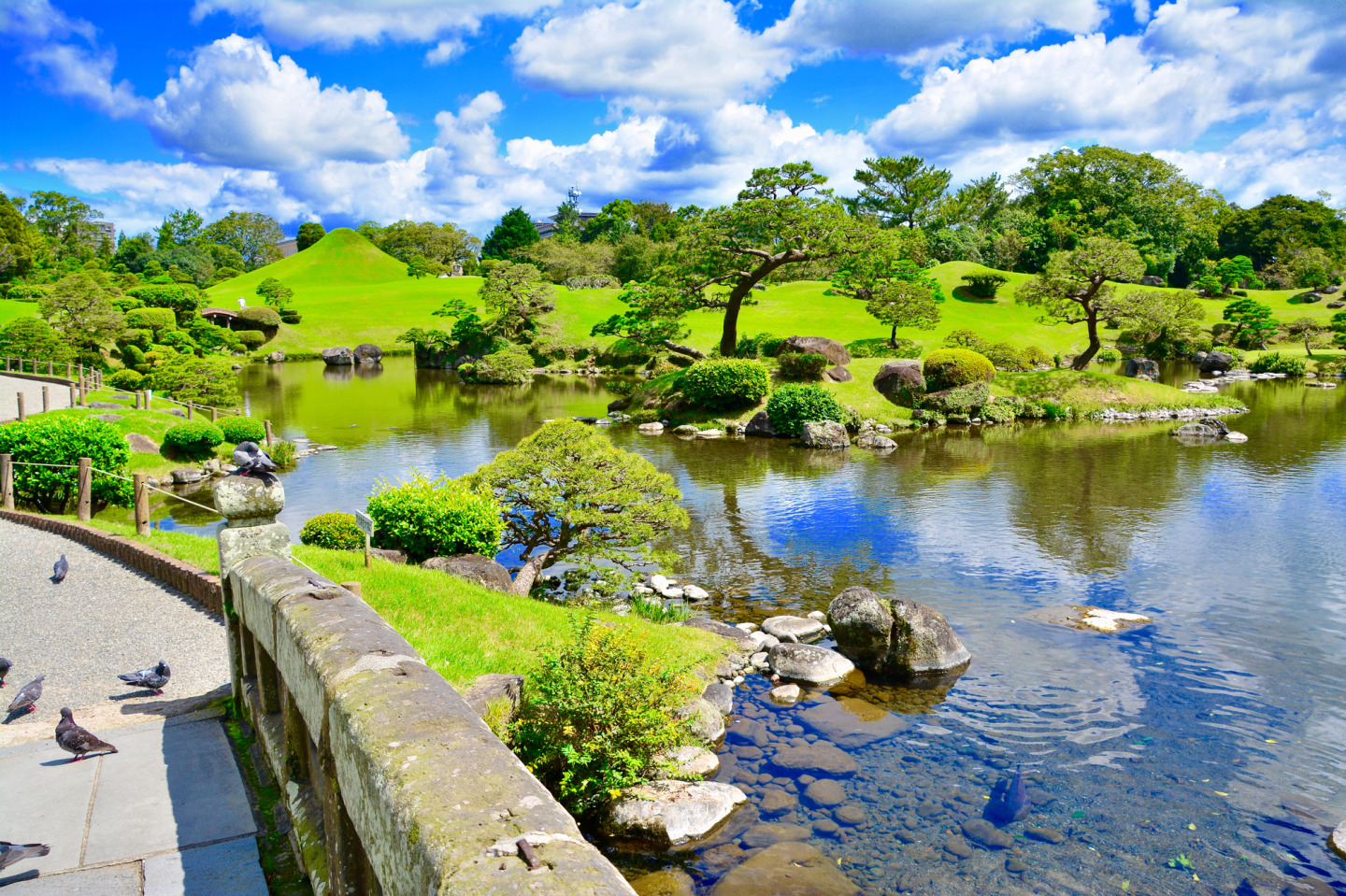
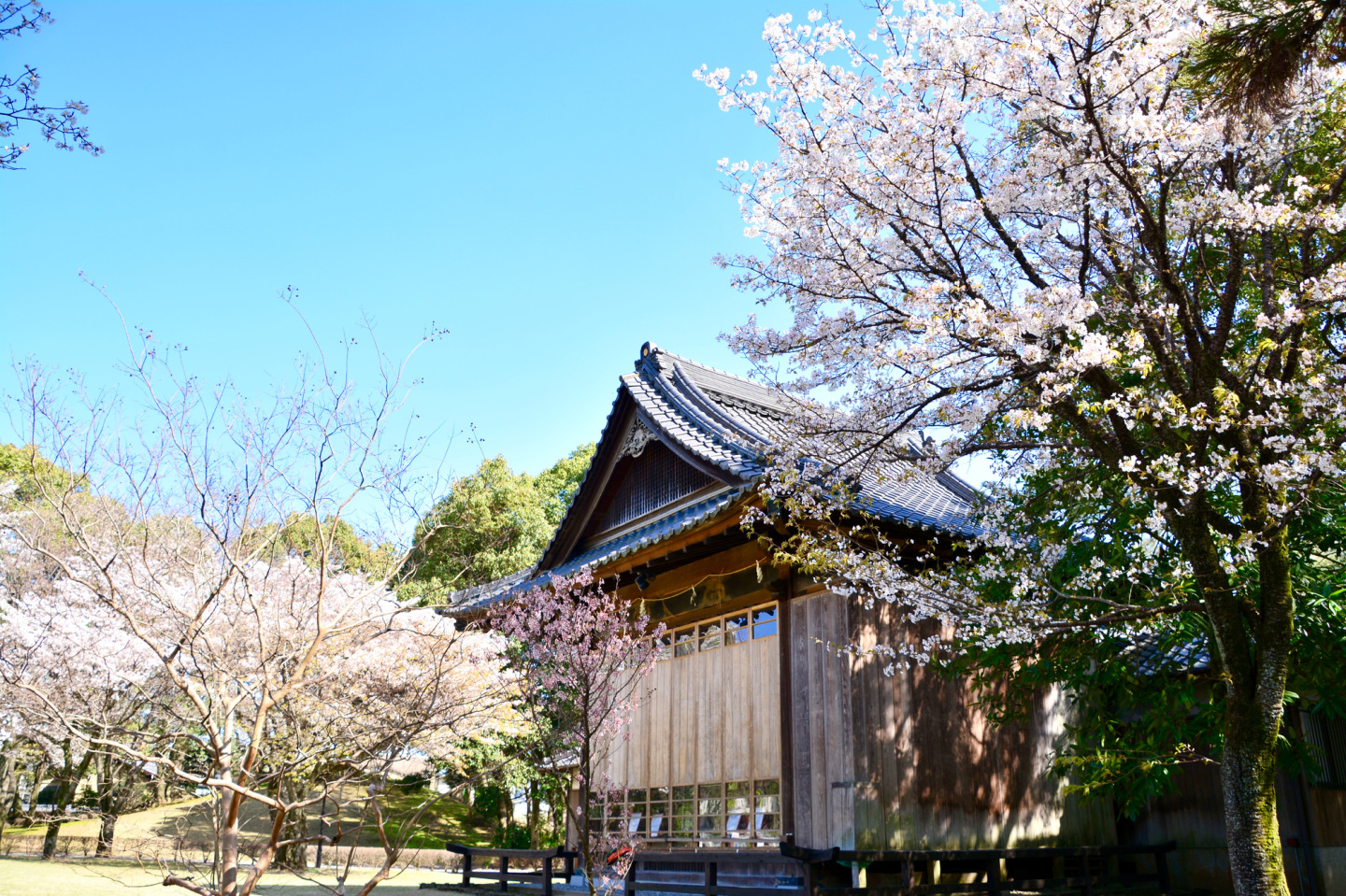
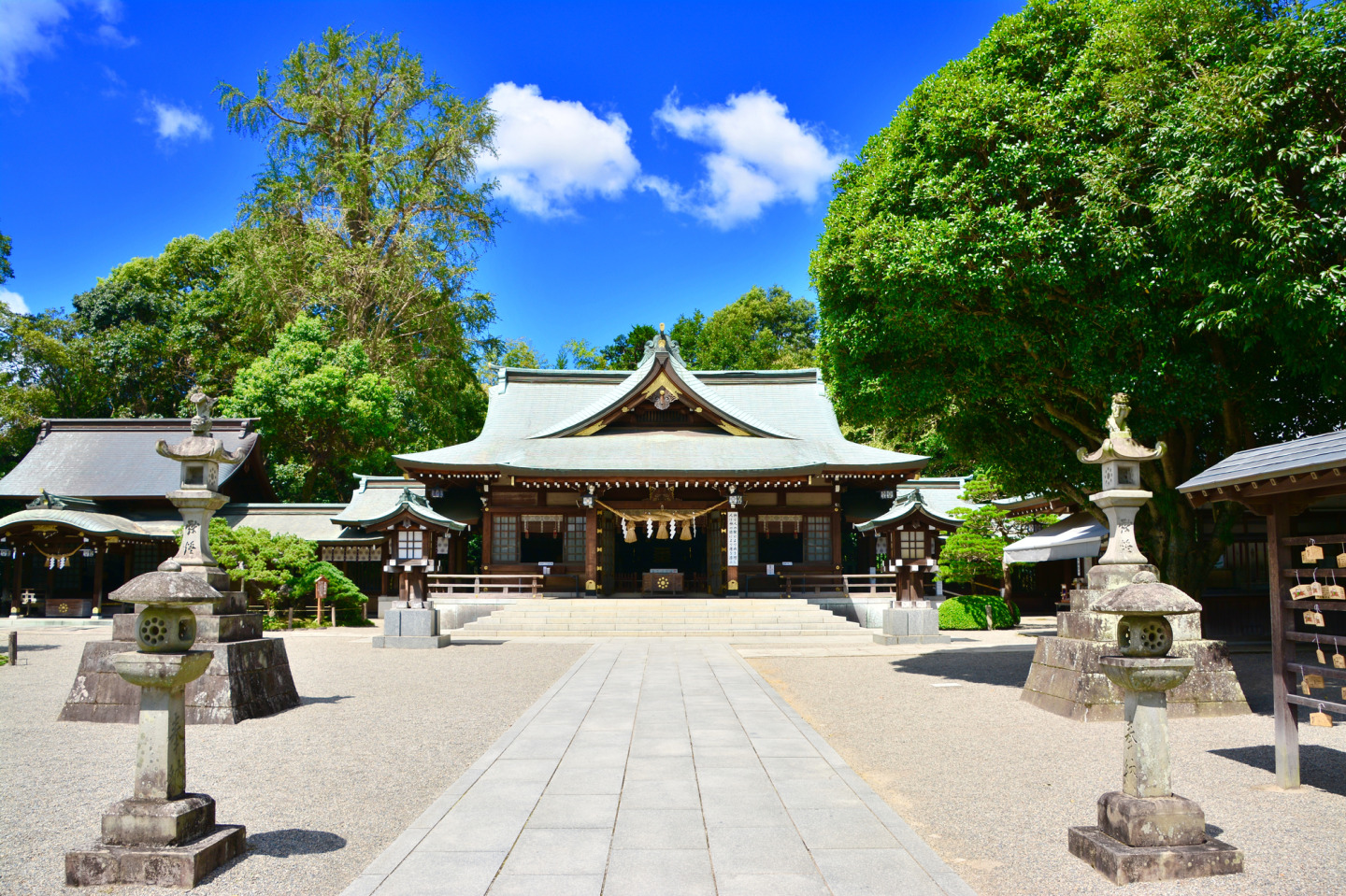
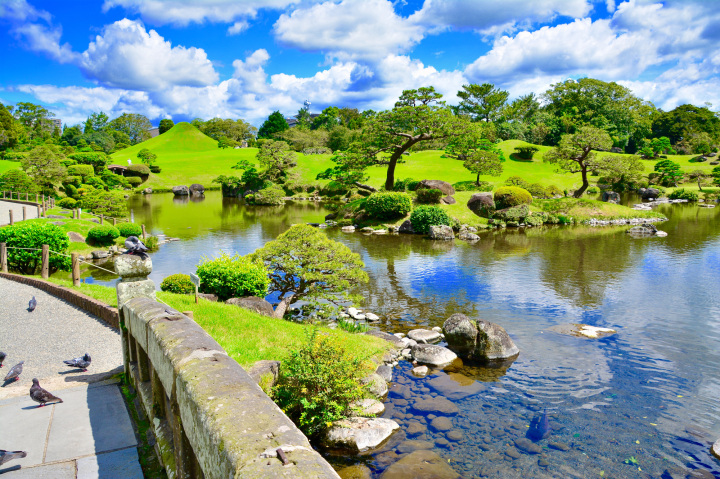
A traditional strolling Japanese garden created by the Hosokawa family, feudal lords of Kumamoto. Centered around a pond fed by abundant underground water flowing from Mount Aso, it offers beautiful scenery throughout the seasons. A green artificial hill resembling Mount Fuji and the tea house “Kokindenju-no-ma” by the pond's edge shape the garden's elegant scenery. Within the grounds stands “Deizumi Shrine,” dedicated to the Hosokawa family, where pure sacred water known as the “Water of Longevity” springs forth. The “Inari Shrine,” with its row of vermilion torii gates, is also a popular photo spot.
Kumamon Square
Where You Can Meet Kumamoto's Favorite Character
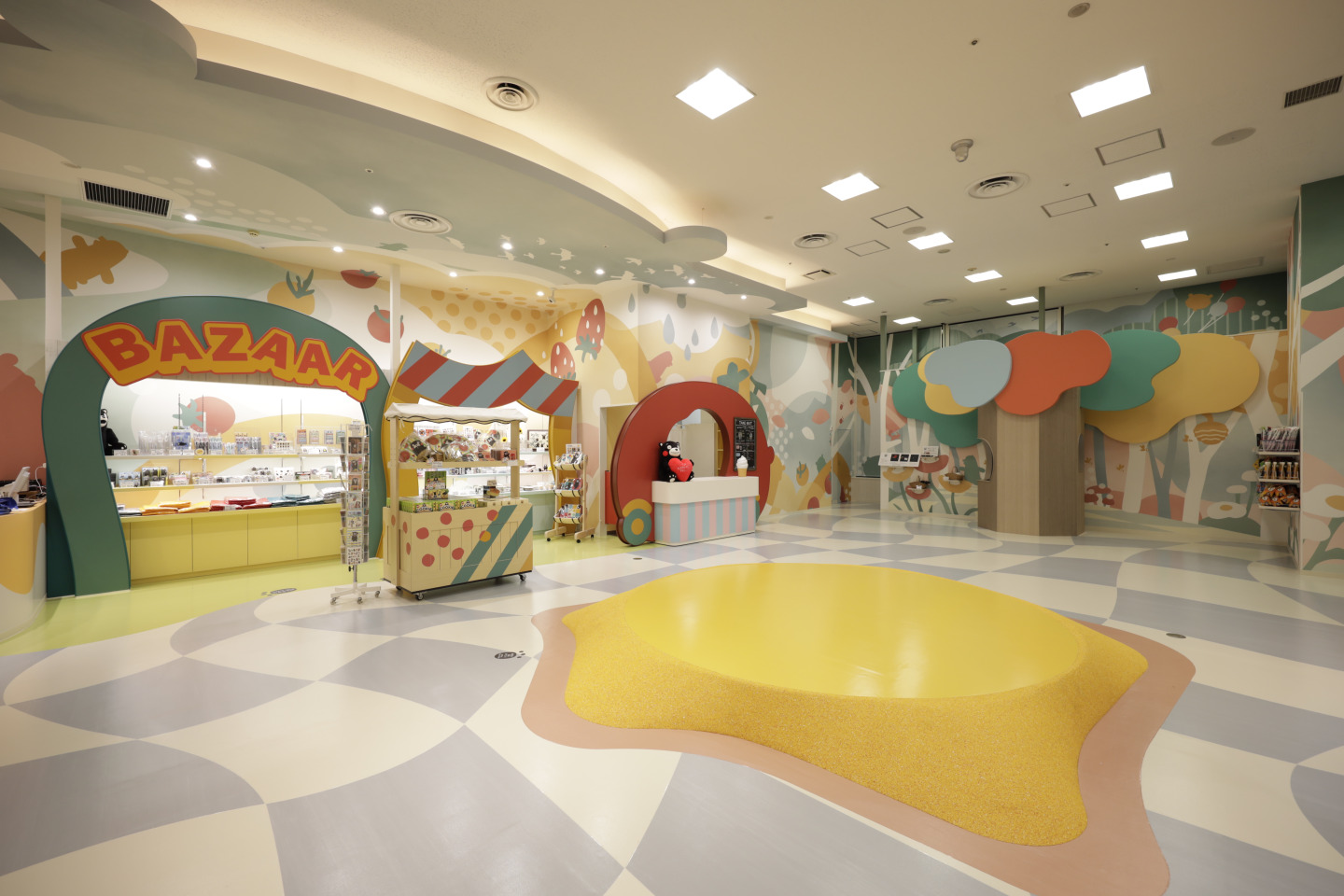
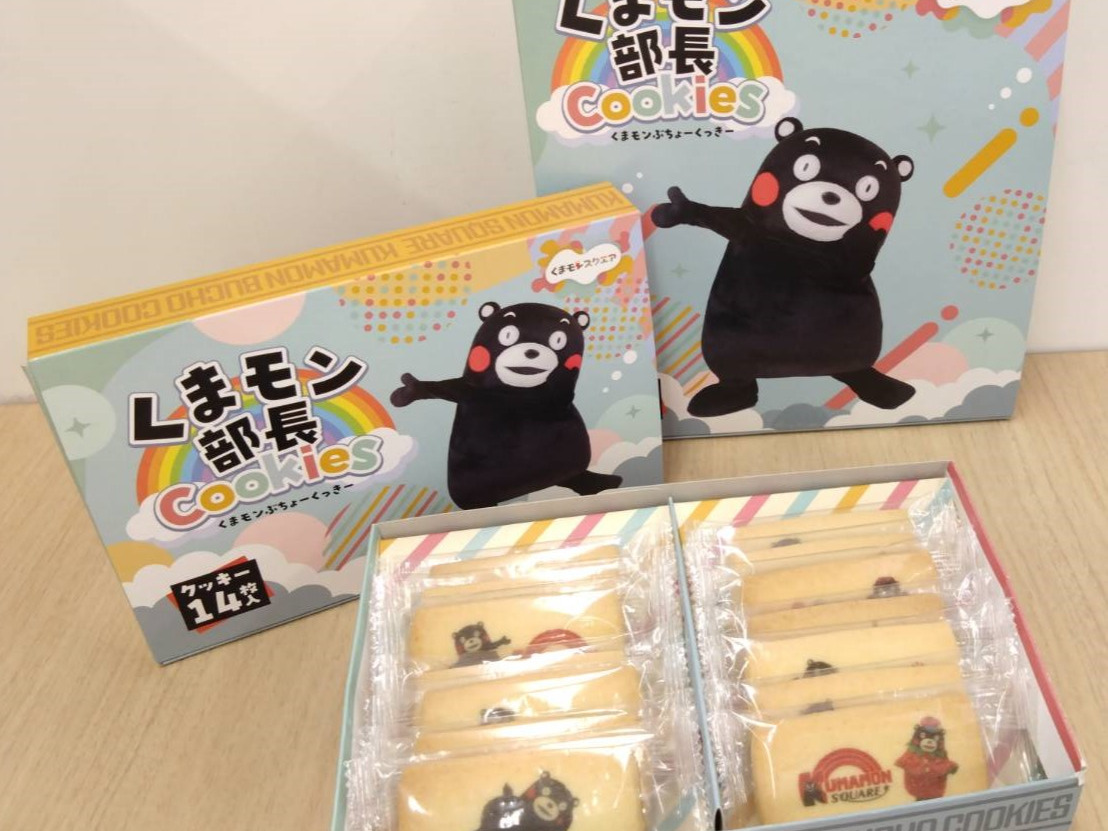

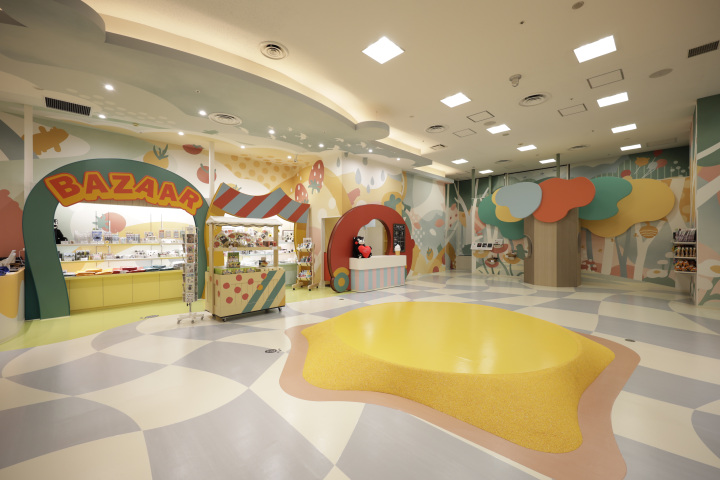
This is the base of operations for Kumamon, who travels both domestically and internationally in his roles as Sales Director and Happiness Director for Kumamoto Prefecture.
Visitors can enjoy a variety of attractions, including the “360-Degree Stage” where Kumamon performs almost every day, photo spots, and AR games using large screens. (Please check the official website for the stage schedule.)
With exclusive merchandise available only at the Square and limited-edition café menu items featuring Kumamoto specialties, this is a place where people of all ages can have a great time.
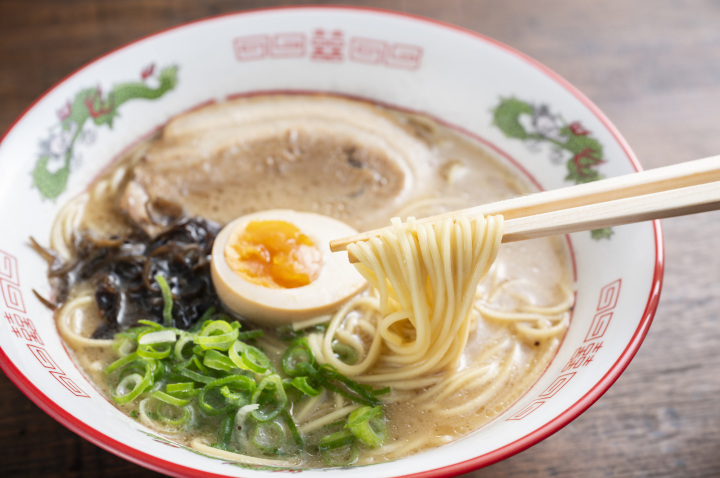
【Dinner】Kumamoto Ramen
Kumamoto ramen features a gentle pork bone broth made by blending pork skulls and chicken bones. Its defining characteristic is the use of black “ma-yu” oil made from charred garlic and fried garlic chips. This adds deep richness and a savory aroma to the soup. The noodles are typically medium-thick, straight, and not too thin, offering a satisfying bite that pairs well with the mild broth. Enjoy a bowl packed with punch and umami—perfect for ending your day in Kumamoto.
【Accommodation】Kumamoto City Center
Rest in the city center with excellent transportation access
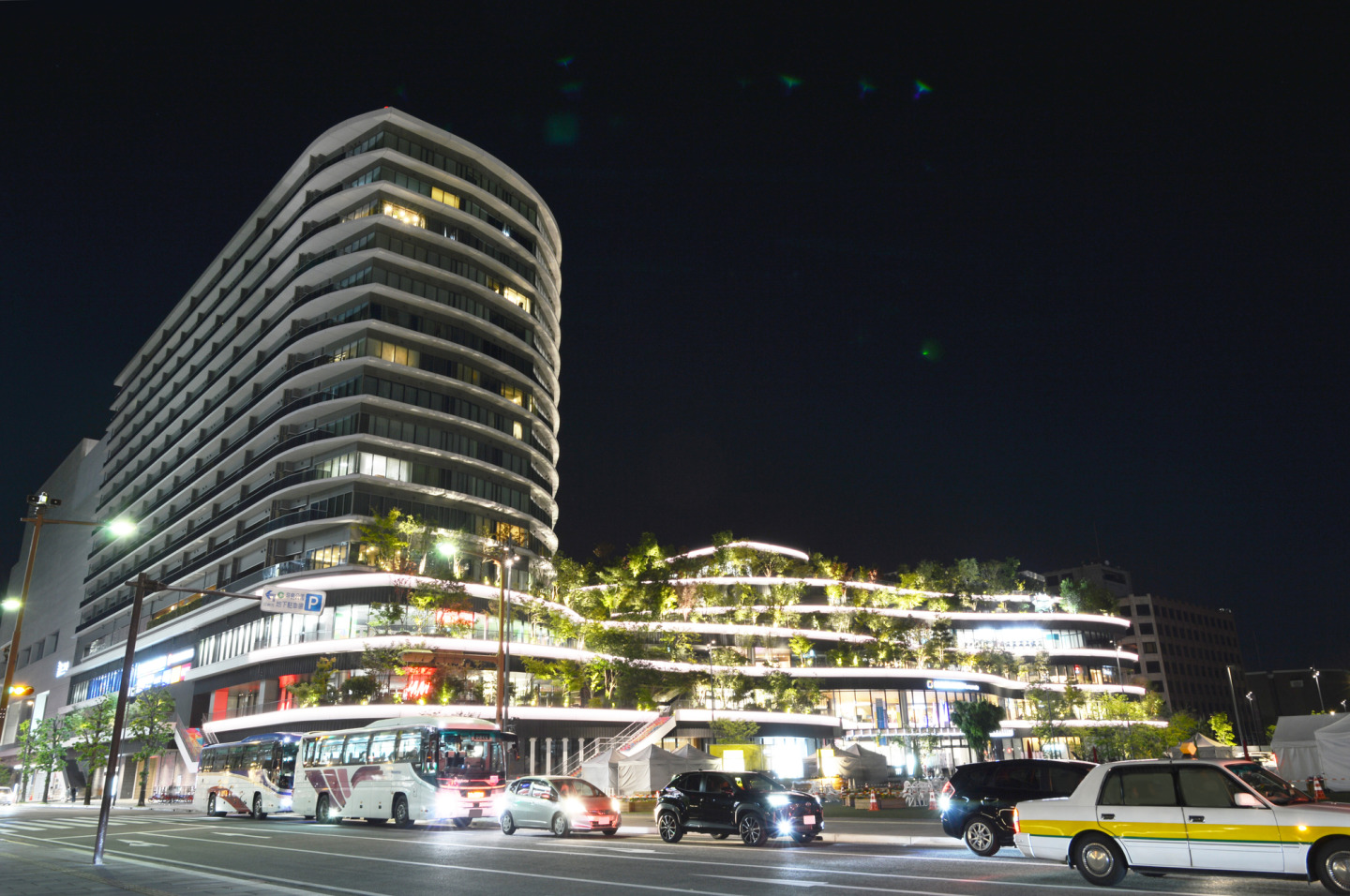
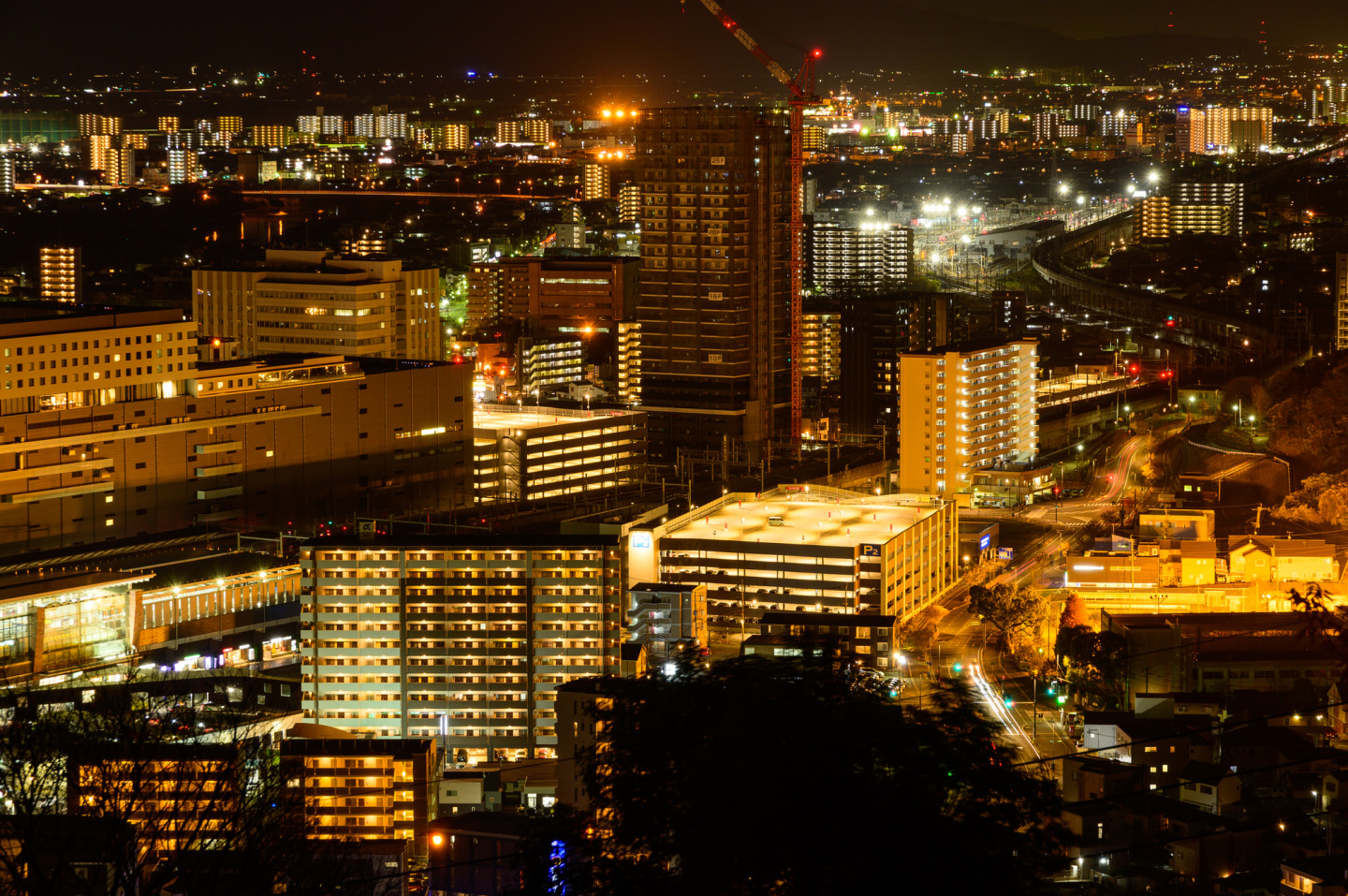
After dinner, relax at a hotel in the city center. The downtown area offers superb access to major tourist spots, shopping arcades, the bus terminal, and the city tram. It's the perfect base whether you want to enjoy the lively nightlife a little longer or return to your hotel to prepare for tomorrow.
From Nagasaki Station: Approximately 30 minutes by bus or on foot
Oura Cathedral
The site of the miraculous discovery of hidden Christians
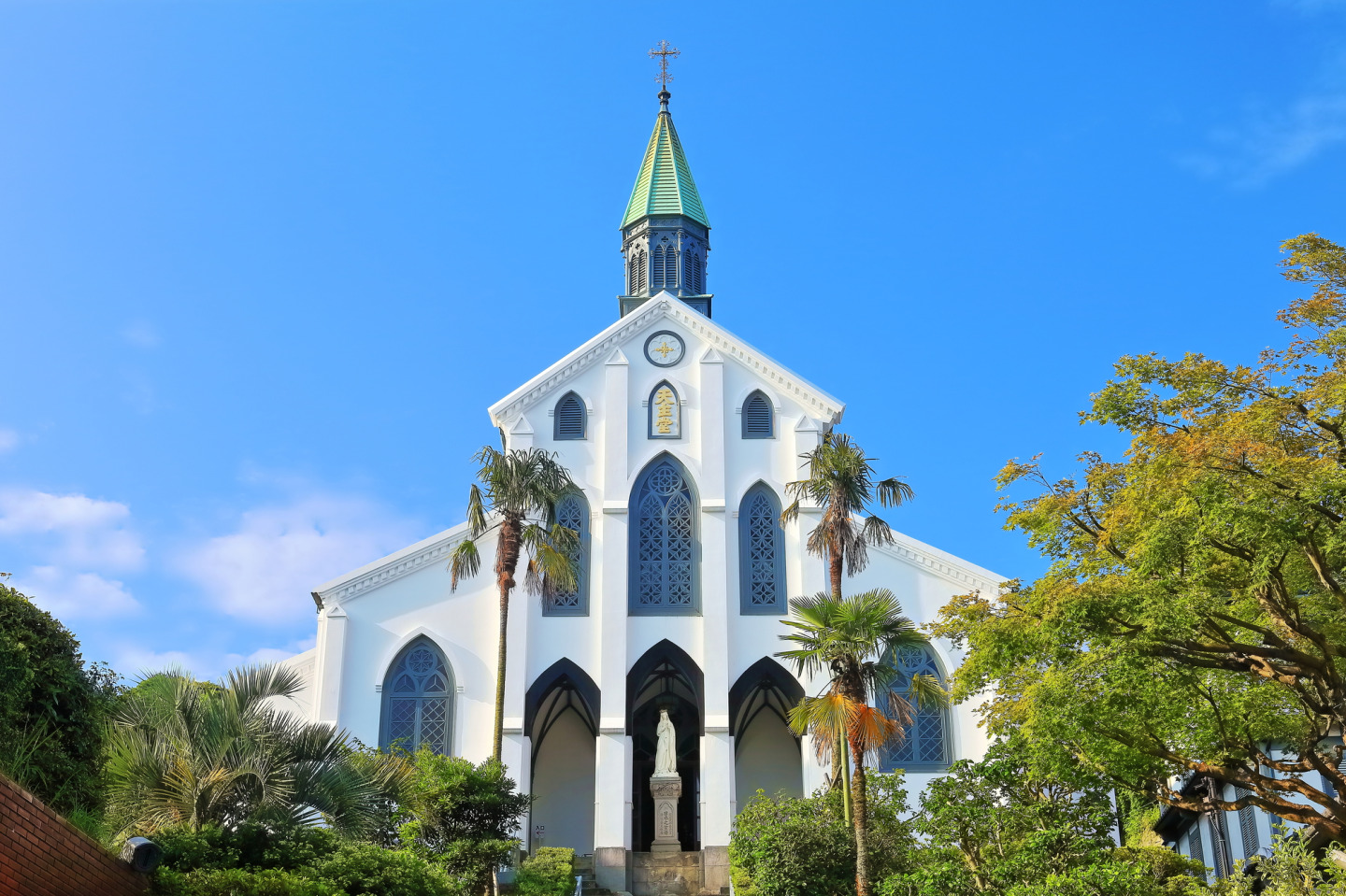
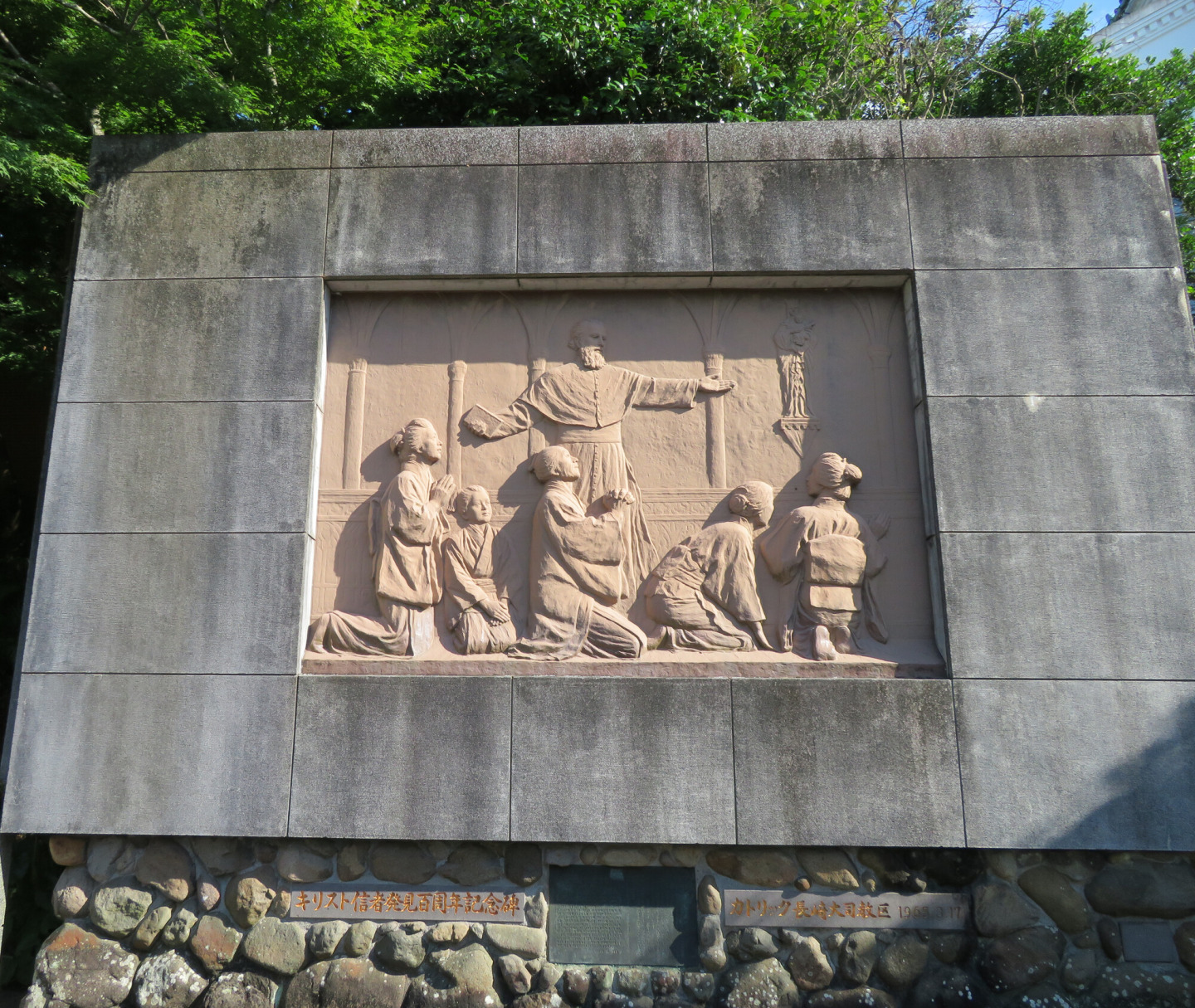
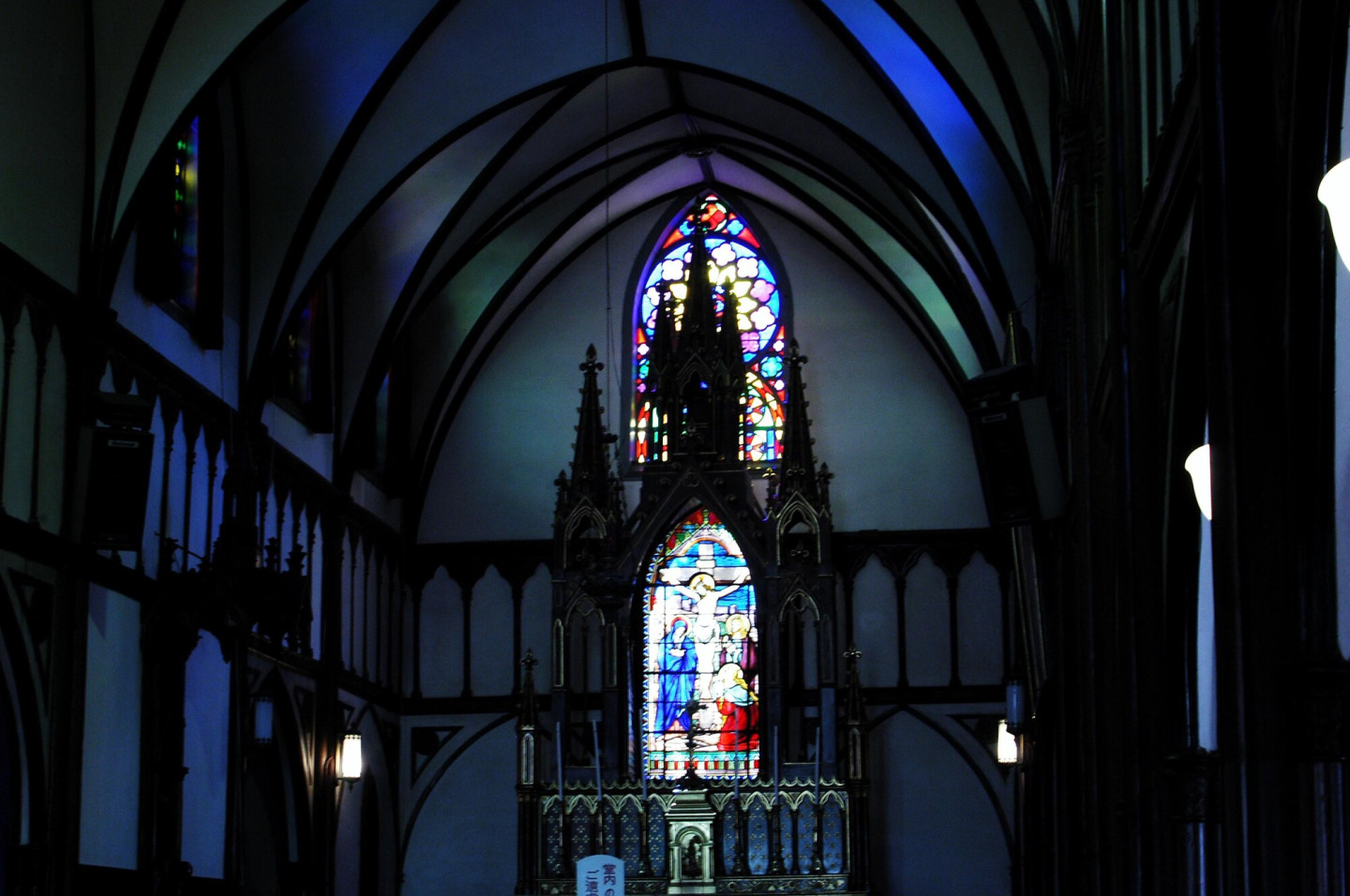
Japan's oldest surviving Christian architecture, a National Treasure, and a component asset of the World Heritage site “Hidden Christian Sites in the Nagasaki and Amakusa Regions.” Originally built for foreign residents during the late Edo period (mid-19th century). Dedicated to the “Twenty-Six Martyrs of Japan,” its façade faces Nishizaka, the site of their martyrdom. Shortly after its completion in 1865, hidden Christians who had concealed their faith for decades visited and confessed their beliefs. This became the miraculous stage for the “Discovery of Hidden Christians,” an event recorded in world religious history. The light filtering through the approximately 100-year-old stained glass windows adorning the interior is also a must-see.
【Lunch】Nagasaki Champon & Sara Udon
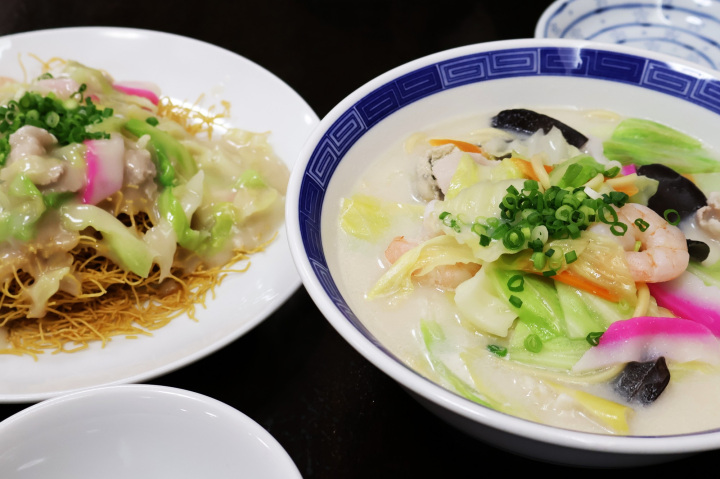
Two signature dishes representing Nagasaki. Champon features a rich, creamy, milky white broth made from pork bone or chicken stock. Shrimp, squid, pork, and plenty of vegetables are simmered together with special thick noodles, blending all the flavors into one. On the other hand, “Sara Udon” features thin noodles fried until crispy, topped with a thick, rich ‘ankake’ sauce also loaded with ingredients. Both are satisfying bowls packed with the umami flavors of the port city of Nagasaki.
Glover Garden
A cluster of historic Western-style buildings overlooking Nagasaki Port
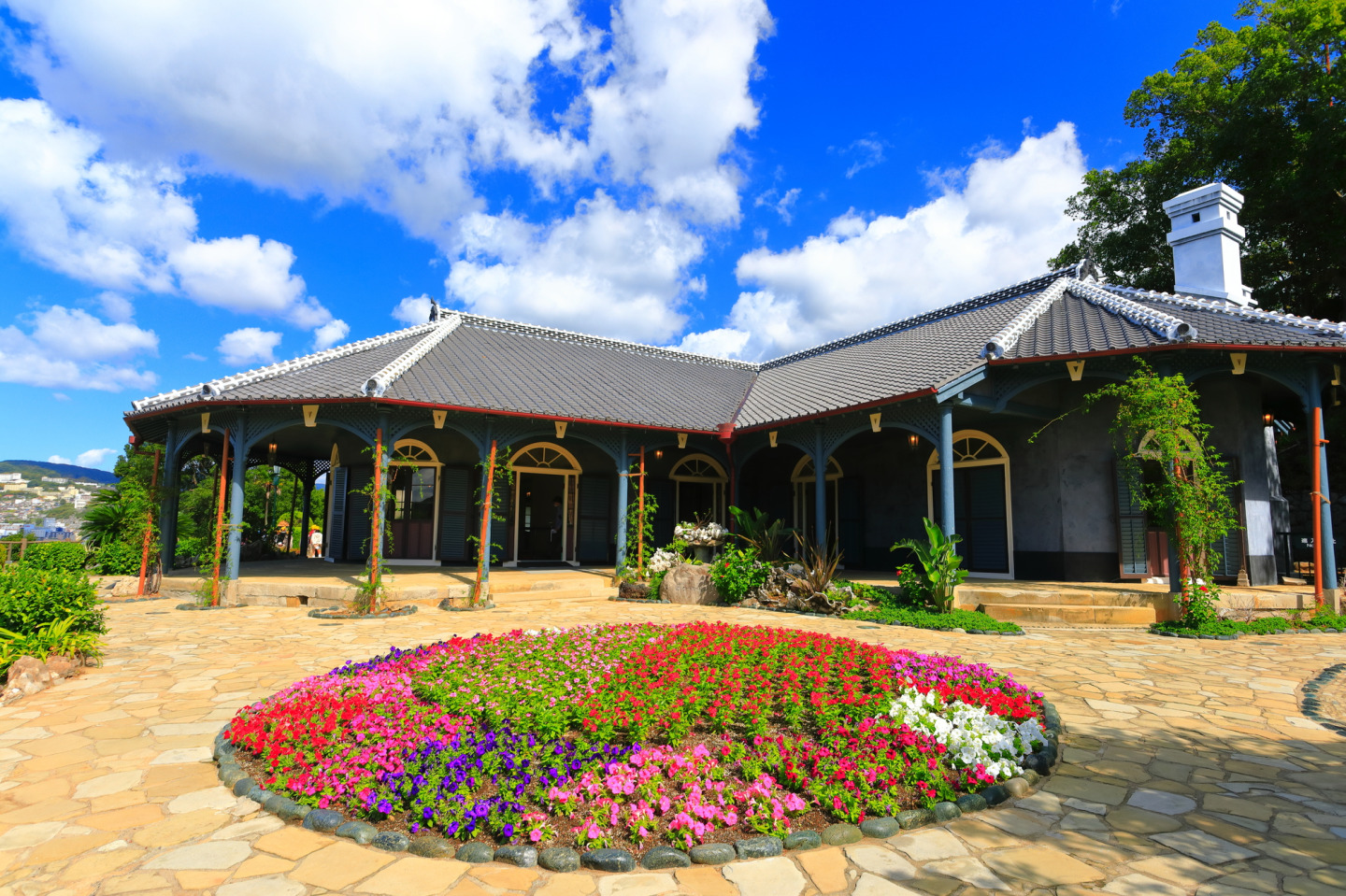
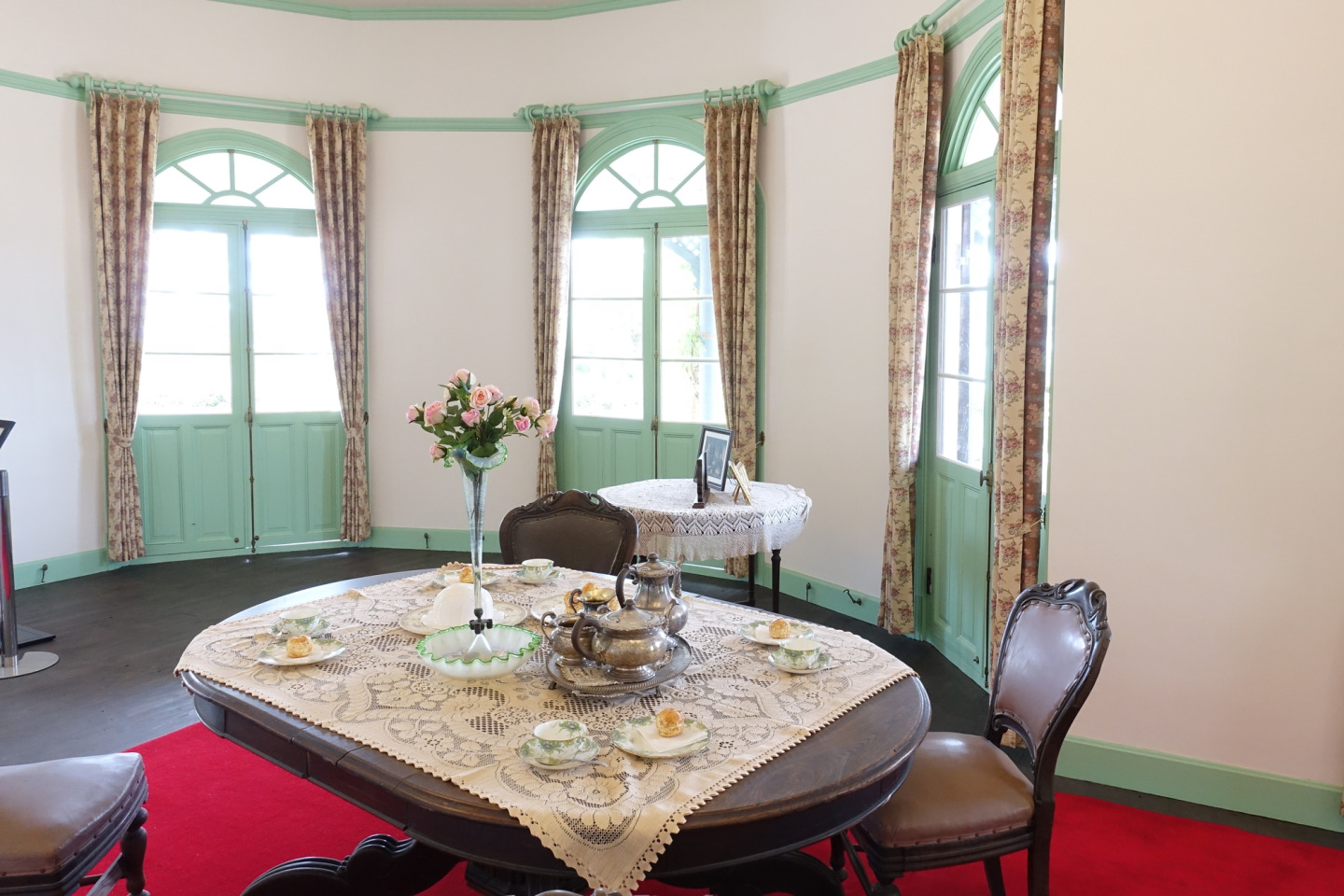
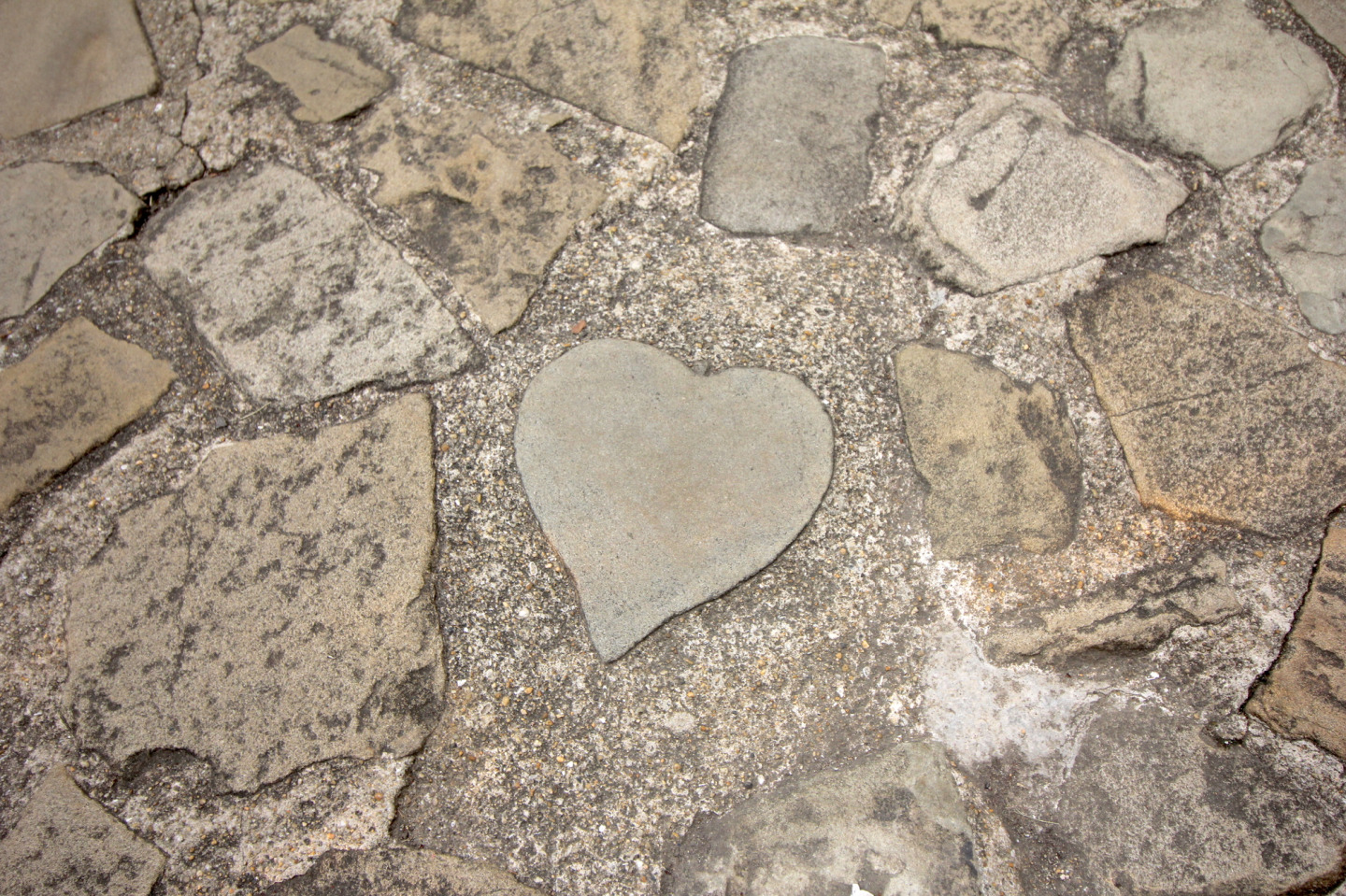
A popular tourist spot brimming with exotic charm, spread across the hills of Minamiyamate offering spectacular views of Nagasaki Port. The garden features relocated and restored historic Western-style buildings designated as Important Cultural Properties by the national government, including the Former Glover Residence—Japan's oldest wooden Western-style building and a component asset of the World Heritage site “Industrial Revolution Sites of Meiji Japan.” Stroll along the stone-paved paths where seasonal flowers bloom, evoking the atmosphere of the past. The view from the hilltop is breathtaking. Legend has it that finding the hidden Heart Stone within the garden makes your love come true. The seasonal nighttime illumination is also romantic and highly recommended.
Dejima
The sole window to the West during Japan's isolation period
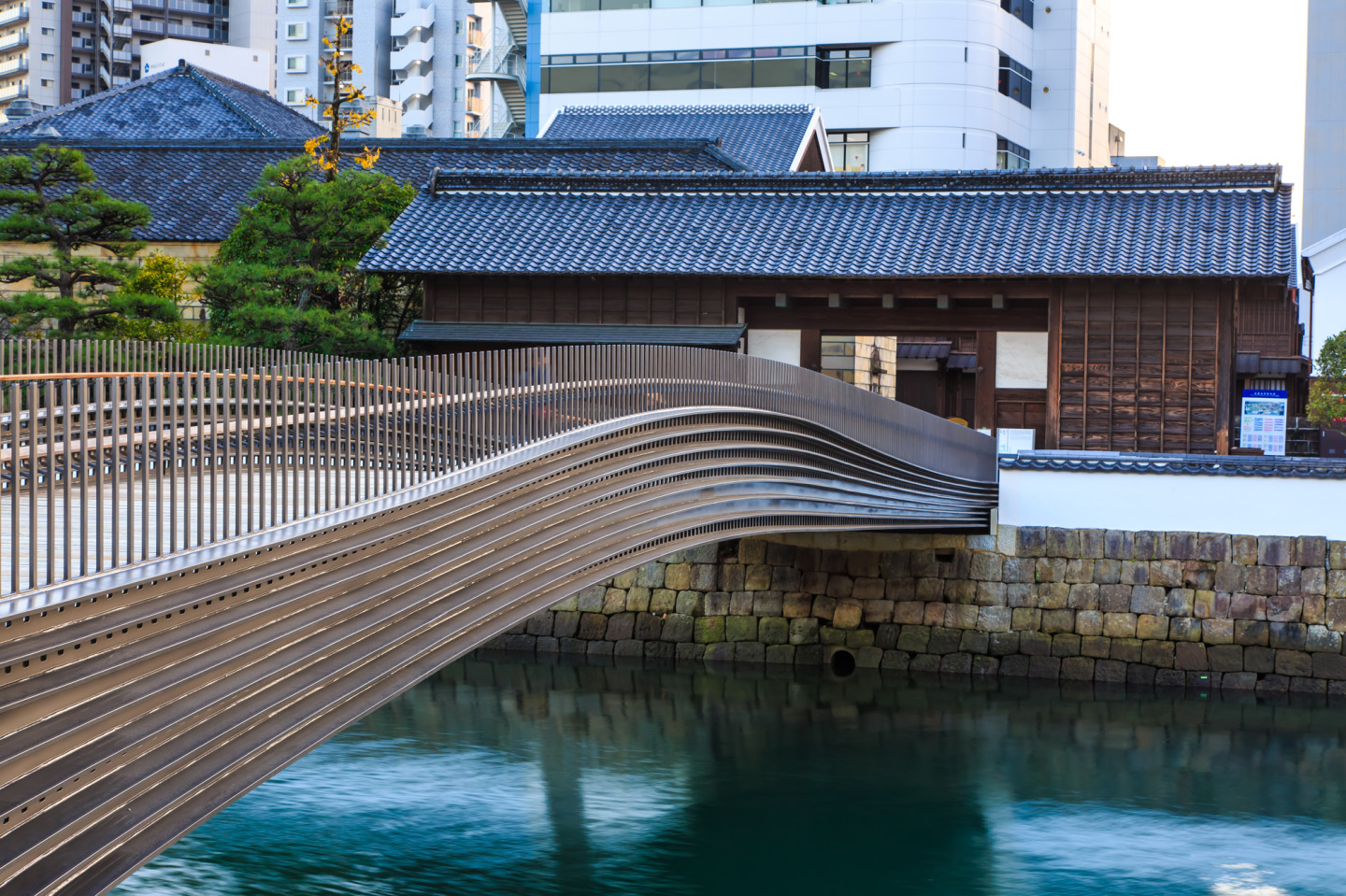
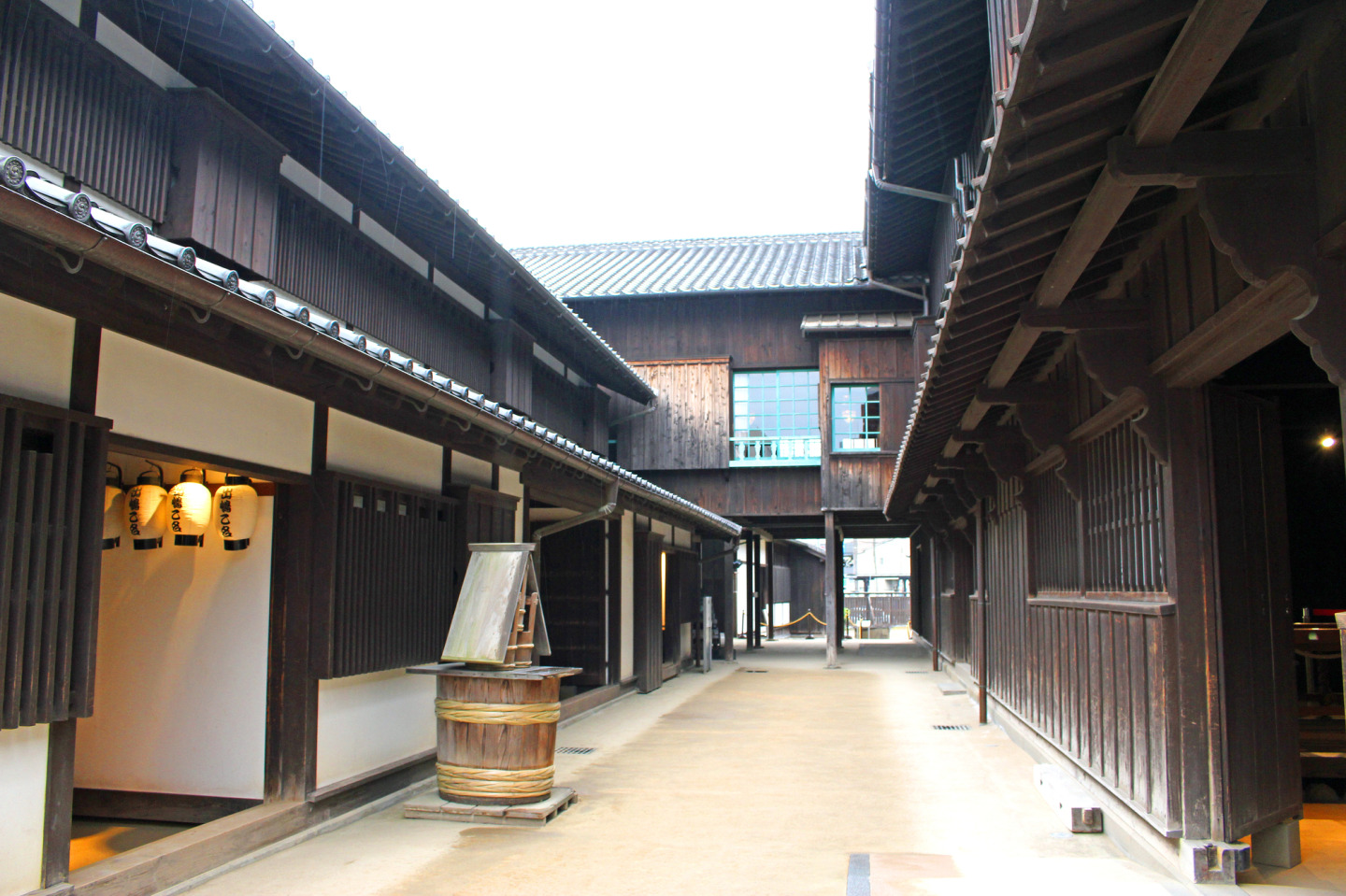
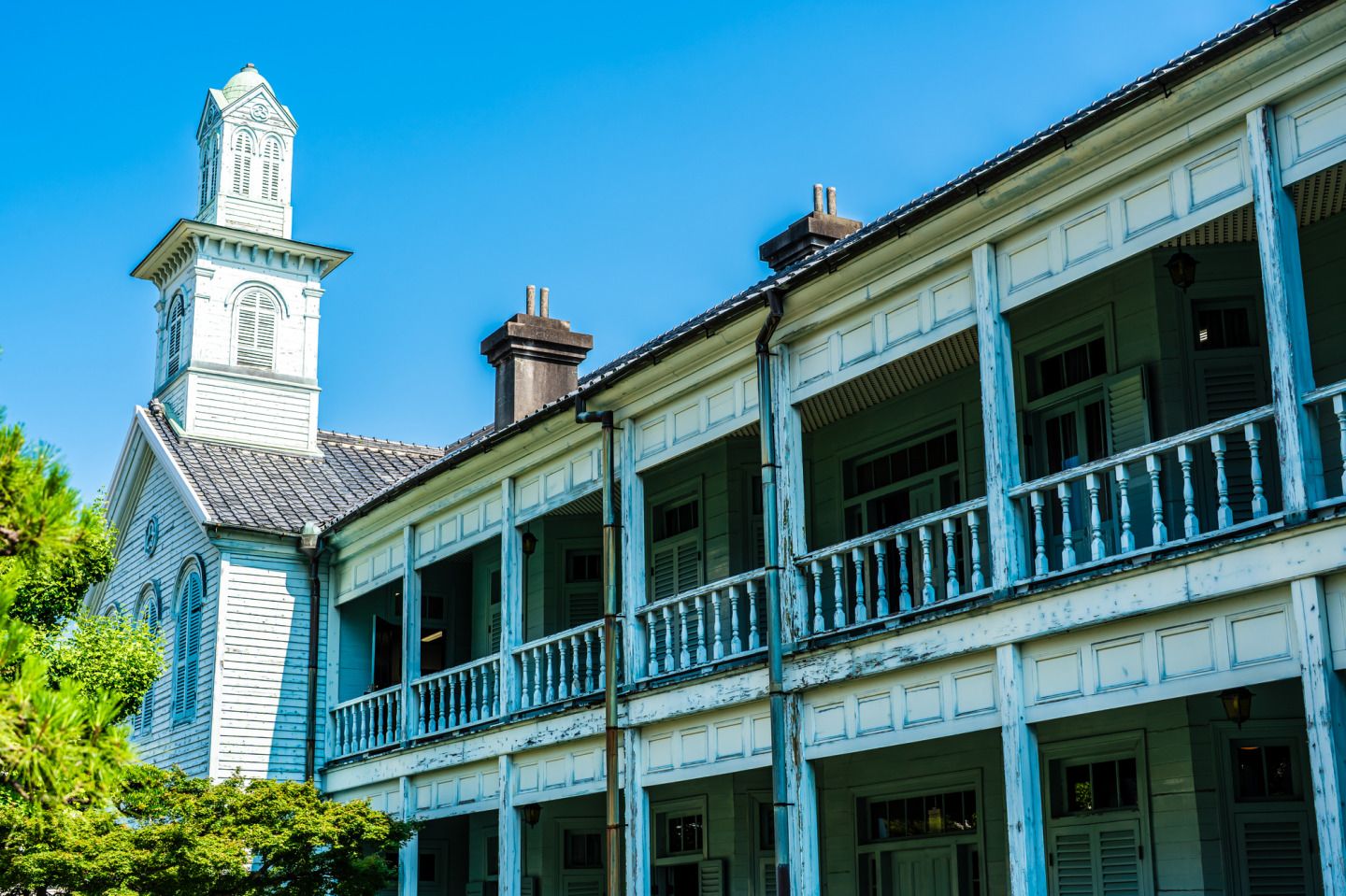
Built in 1636 by order of the Tokugawa shogunate, this artificial island served as Japan's only gateway to Europe for approximately 200 years during the Edo period, becoming the starting point for Japan's modernization. After Japan opened its doors and Dejima's role ended, the surrounding area was reclaimed and connected to the mainland. Today, the early 19th-century streetscape has been meticulously restored based on detailed research. Visitors can tour trading posts and residences, or rent kimonos for a stroll, feeling as if they've slipped back in time. Crossing the “Omotemon Bridge,” completed in 2017, allows entry through the original main gate.
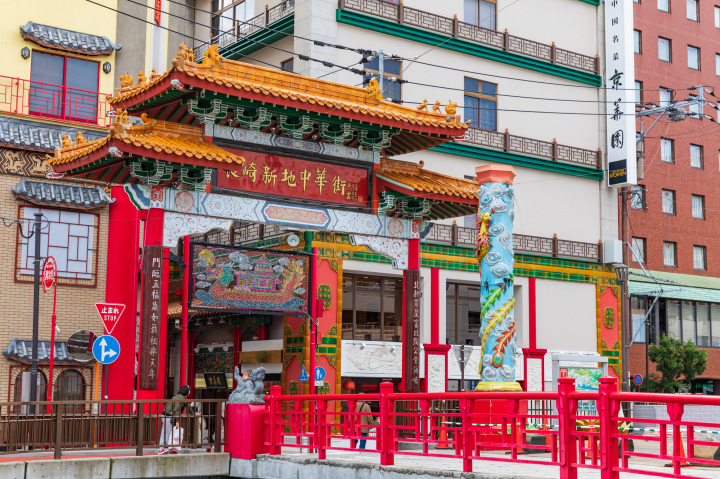
【Stroll + Dinner】Nagasaki Shinchi Chinatown
A bustling gourmet street
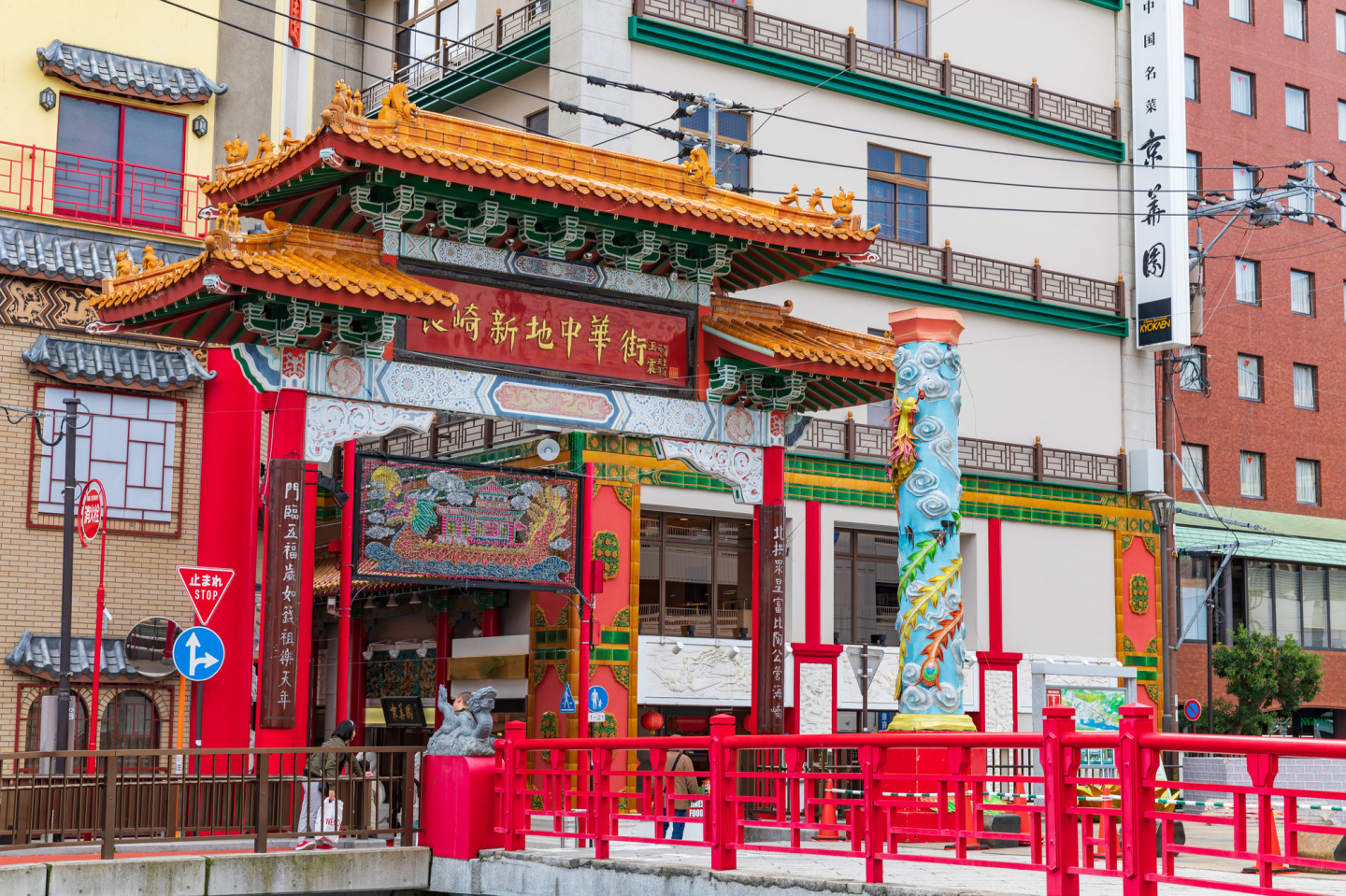
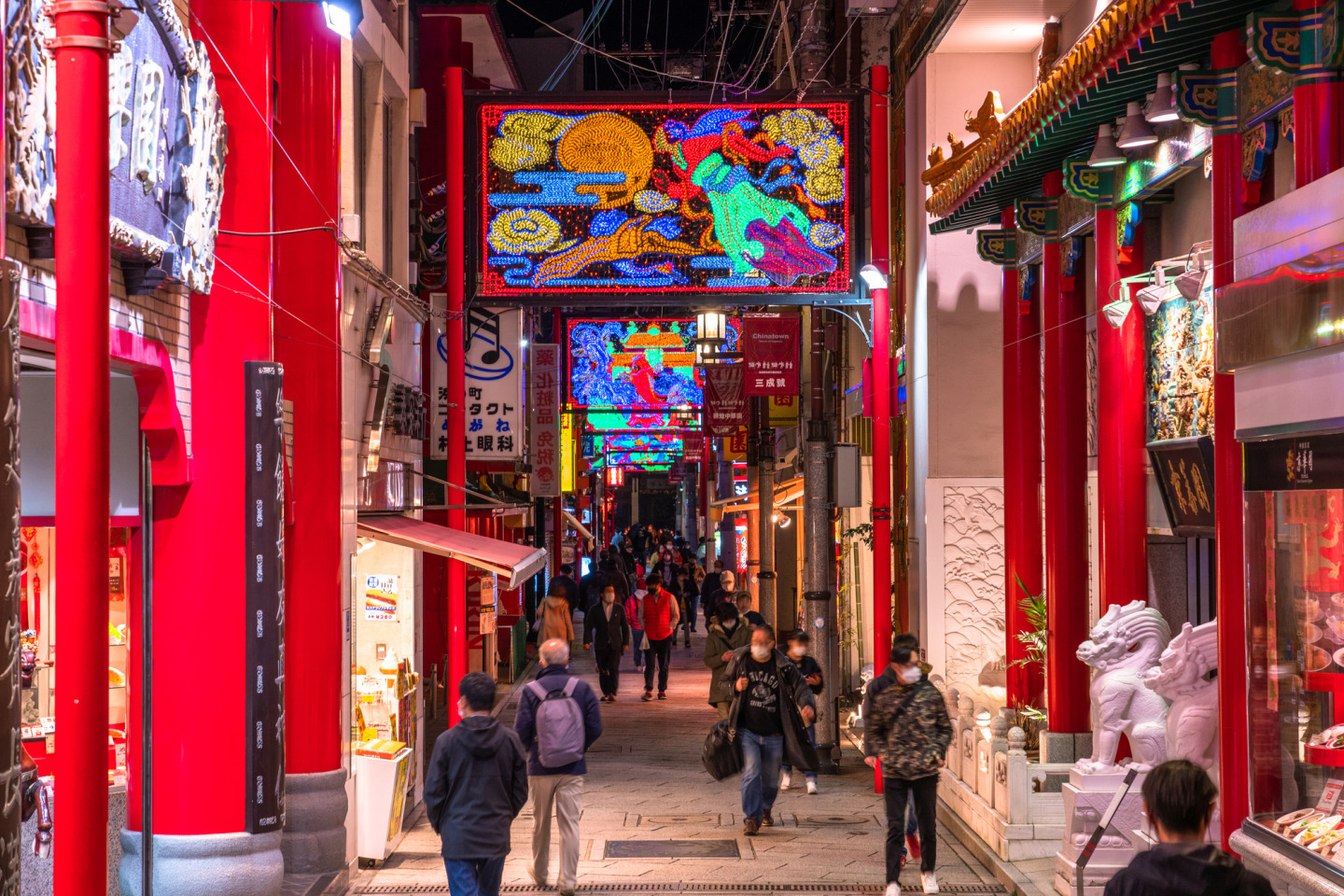
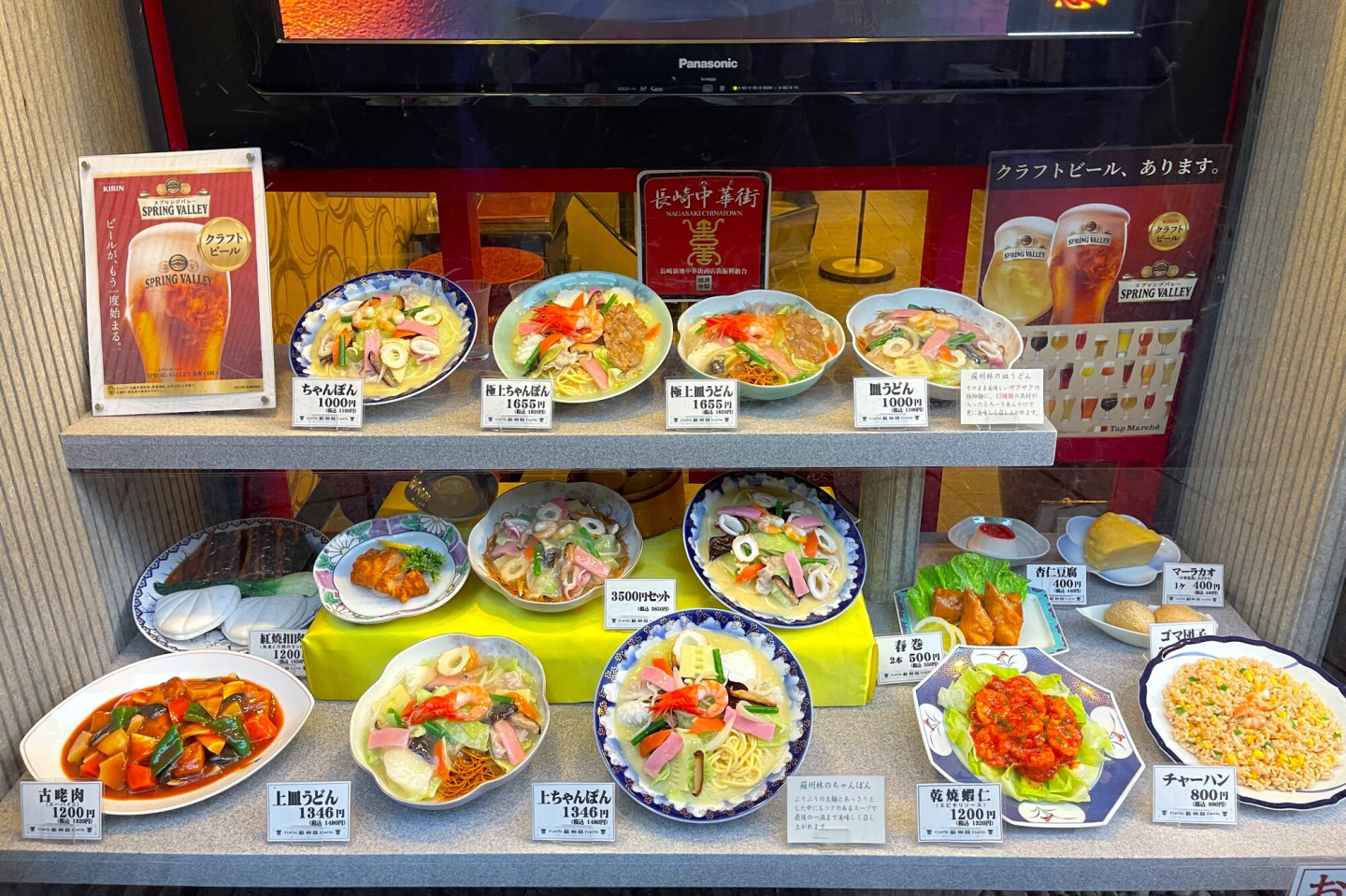
One of Japan's three major Chinatowns alongside Yokohama and Kobe. The vibrant Chinese gates surrounding it evoke an exotic atmosphere. About 40 shops, including Chinese restaurants and variety stores, are packed into a compact crossroads measuring roughly 250m in all directions. For strolling, enjoy hot “kakuni manju” buns and Chinese sweets as you walk. For dinner, why not switch things up from the noodle dishes of the day and try a variety of authentic Chinese cuisine? It's a spot where you can enjoy Nagasaki's lively nightlife and gourmet offerings even in a short time.
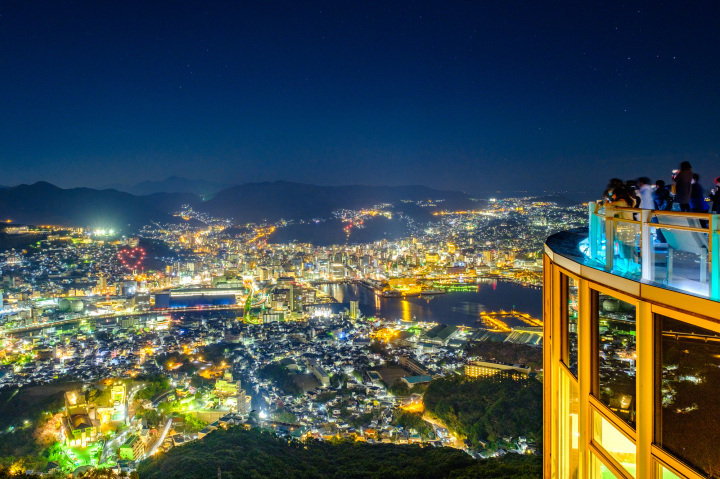
Mount Inasa (Night View)
The world-renowned “10 Million Dollar” glow
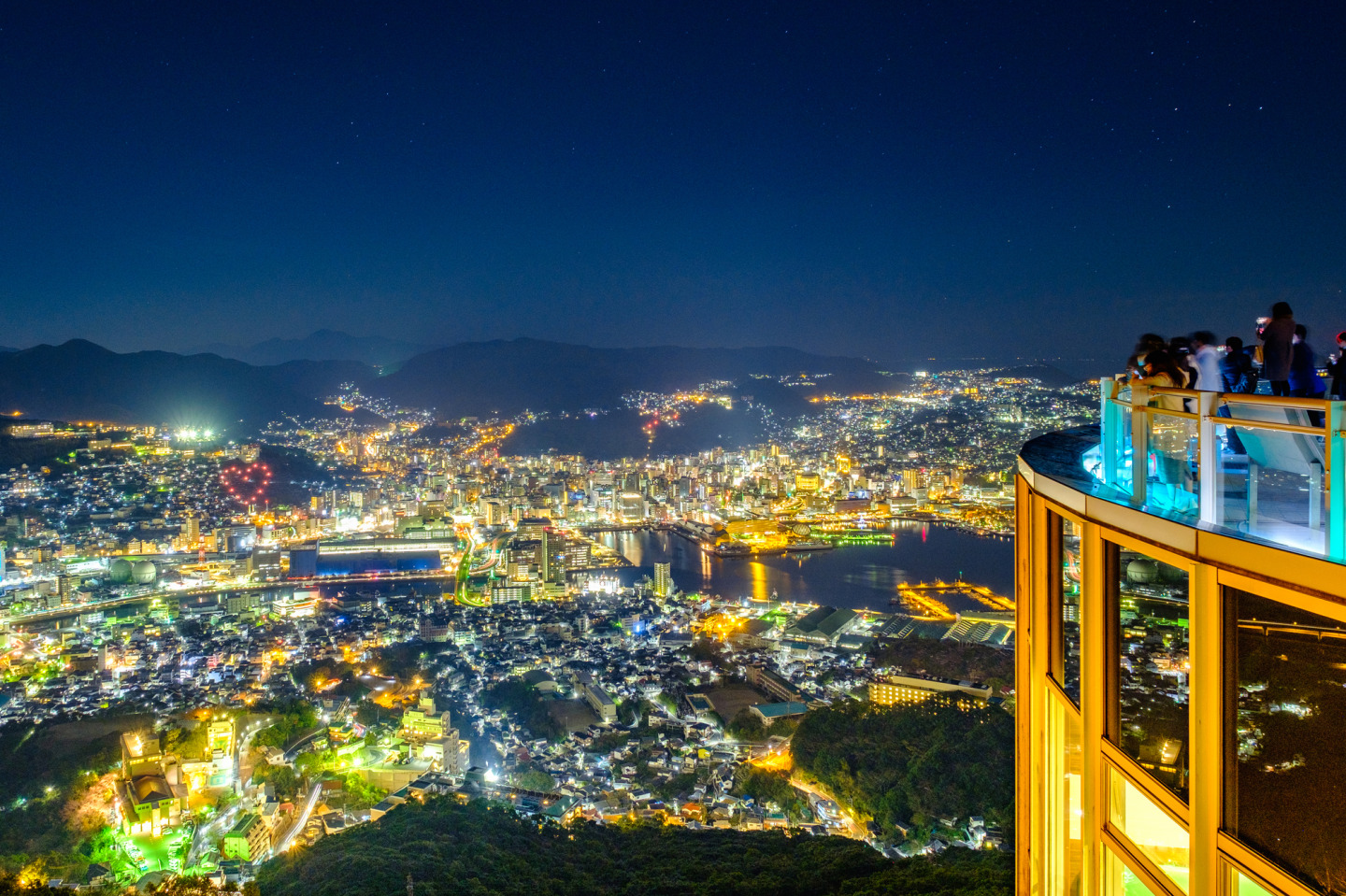
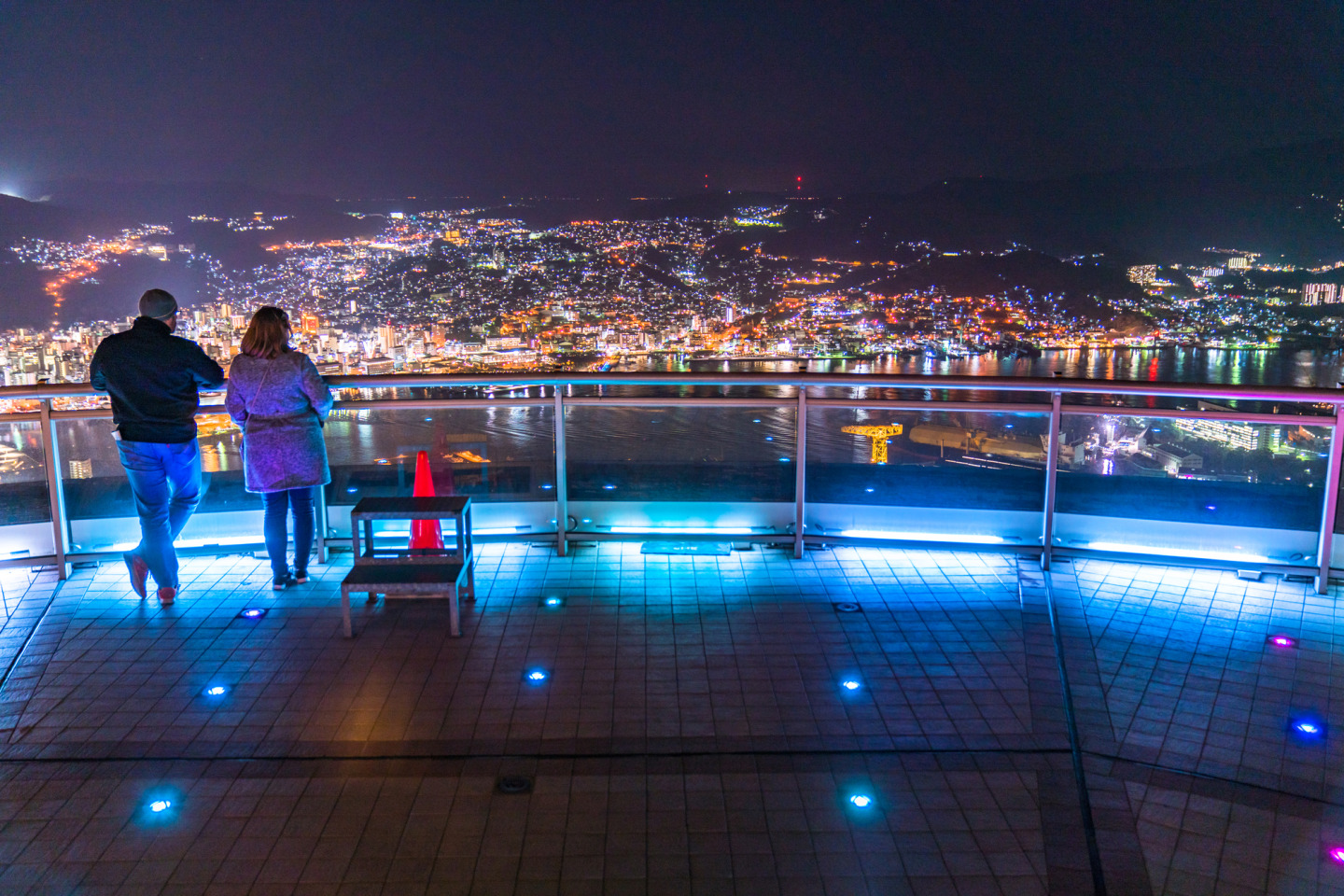
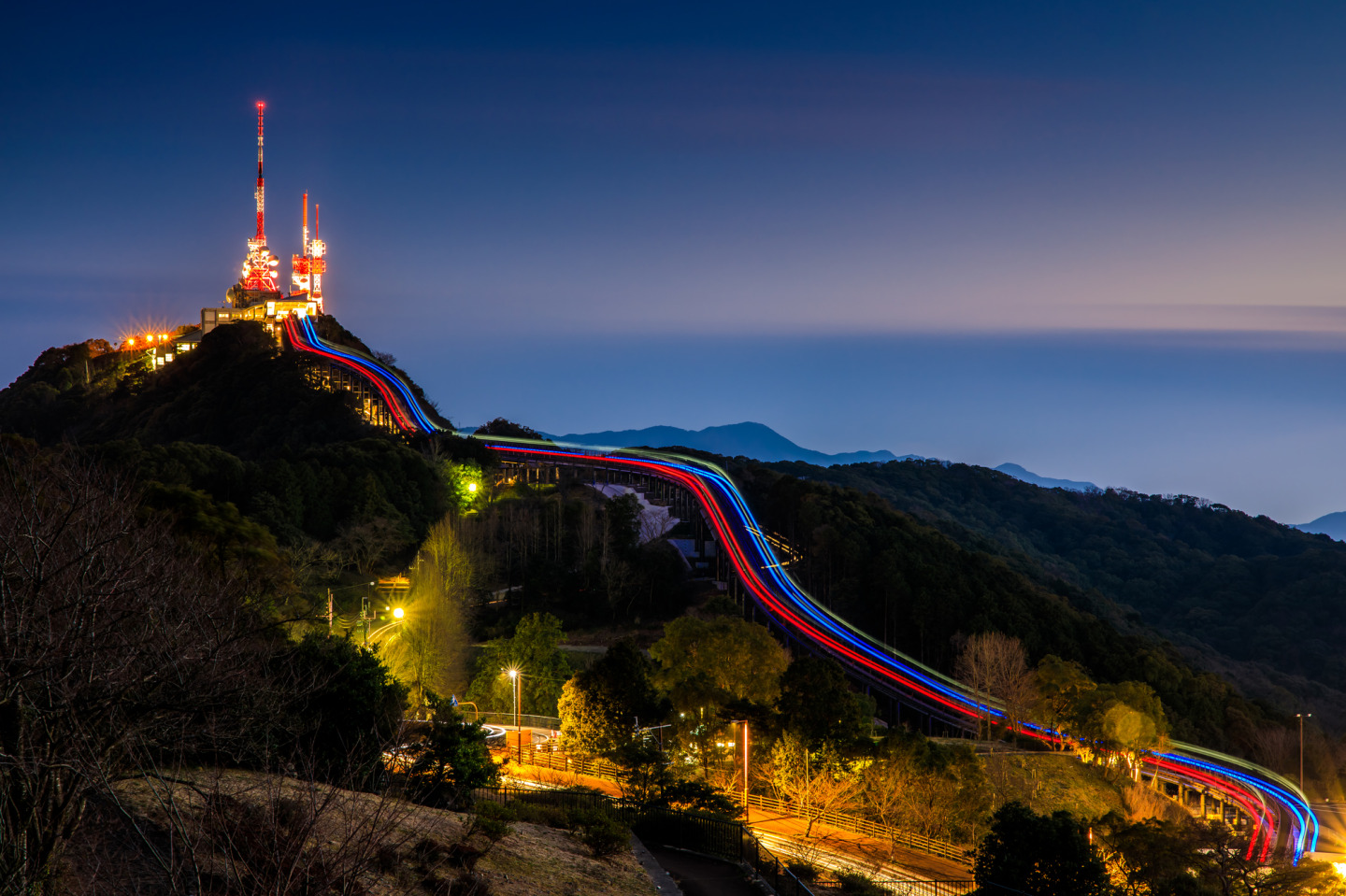
A landmark offering panoramic views of Nagasaki's nightscape. Dubbed the “10 Million Dollar View,” it's recognized alongside Monaco and Shanghai as one of the “New Three Great Night Views of the World.” The bowl-shaped terrain, surrounded by mountains, creates a three-dimensional panorama of lights centered on Nagasaki Port. To reach the summit, you can take the “Ropeway” for a 360-degree aerial stroll, or the “Slope Car” for a leisurely view of the scenery from mid-mountain. Enjoy the spectacular glow that caps off your Nagasaki night.
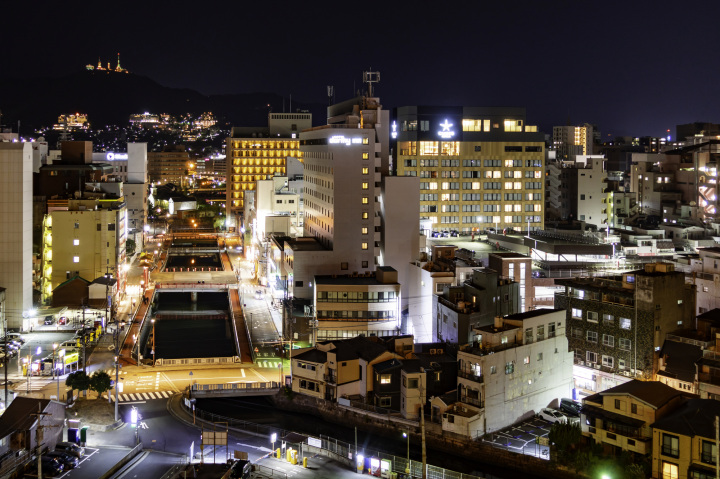
【Accommodation】Nagasaki City Center
After enjoying the night view, relax in the convenient city center.
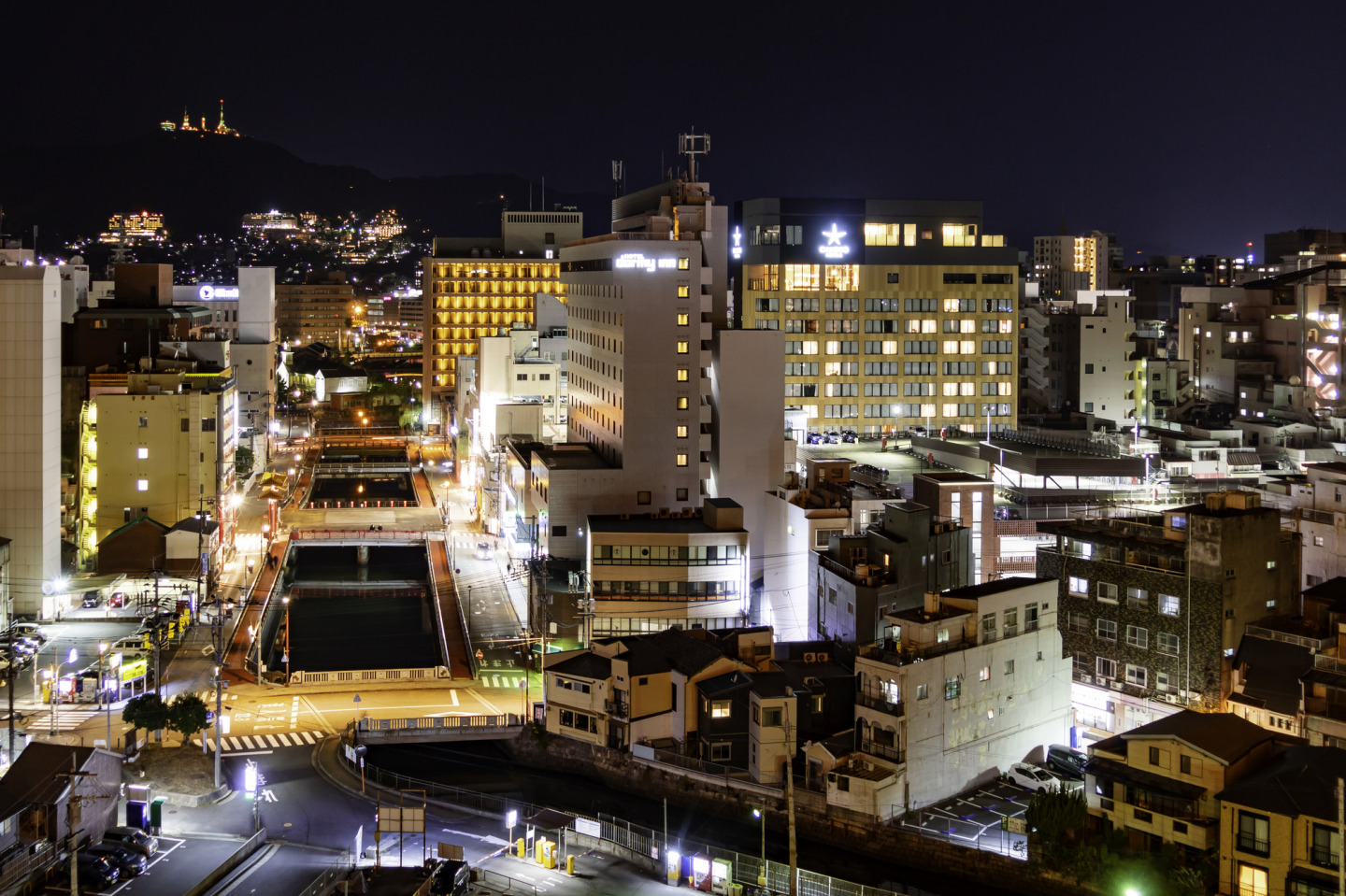
Rest comfortably at a hotel in the city center. This area offers excellent access to Nagasaki Station, a major transportation hub, and tram stops connecting to key locations throughout the city. It's perfect for unwinding while savoring the afterglow of the night view or getting an early rest to prepare for tomorrow.
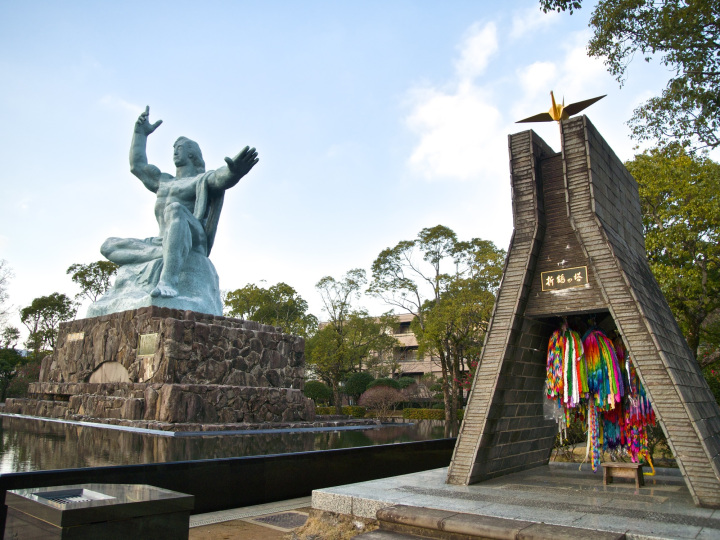
Peace Park
Swearing eternal peace before the statue pointing to the sky
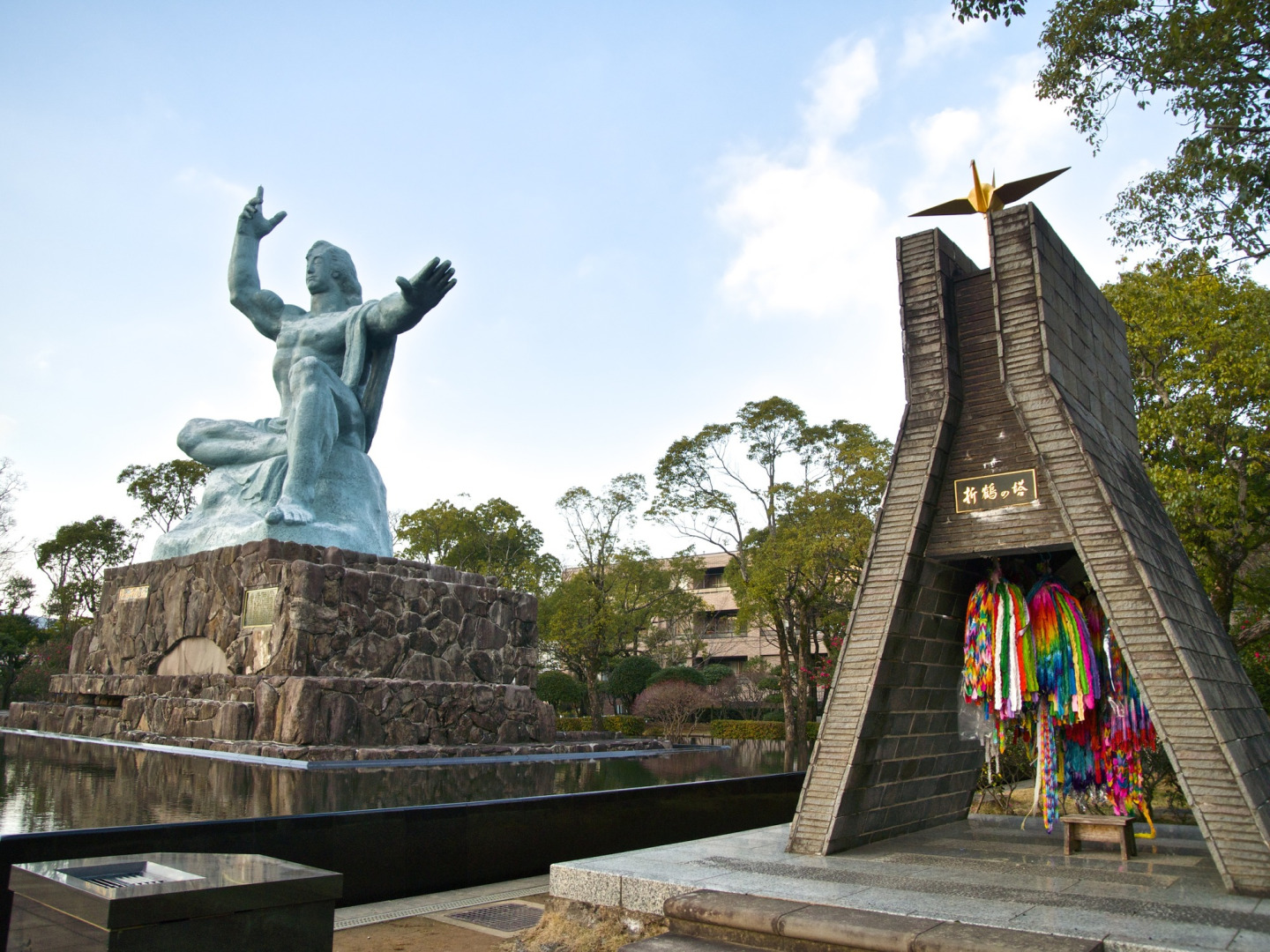
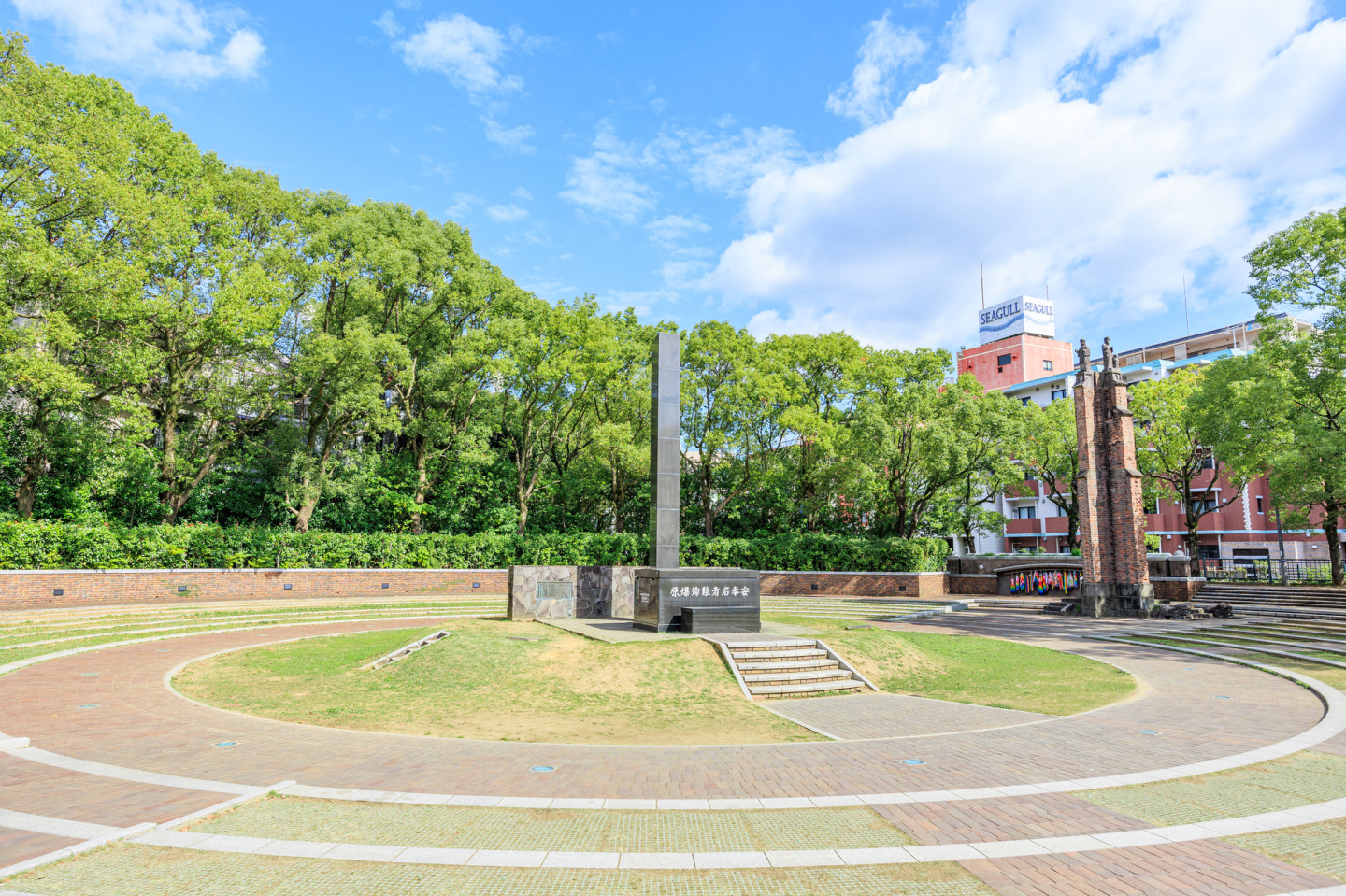
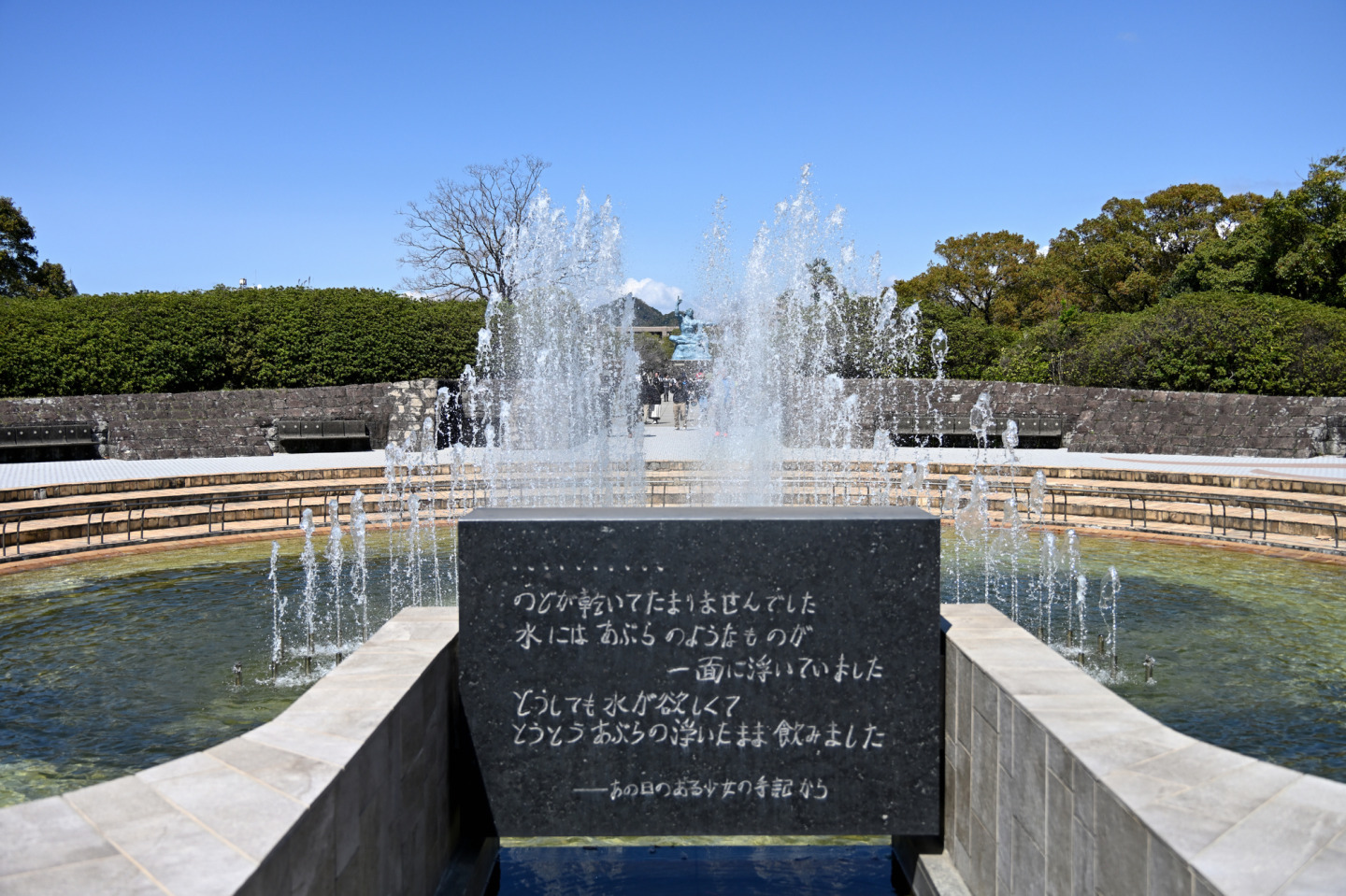
A park built around the epicenter of the atomic bomb dropped on August 9, 1945. The “Peace Memorial Statue” atop the hill raises its right hand toward the sky symbolizing “the threat of the atomic bomb,” extends its left hand horizontally symbolizing “peace,” and its closed eyelids symbolize praying for “the repose of the victims' souls.” The “Fountain of Peace” bears the poignant inscription of a victim who wandered seeking water: “My throat was parched beyond endurance.” At the epicenter where the bomb fell, a black granite monument stands quietly marking the spot. Here, visitors confront history and deeply engrave the preciousness of lasting peace in their hearts.
Nagasaki Atomic Bomb Museum
A place to confront the truth of the atomic bombing
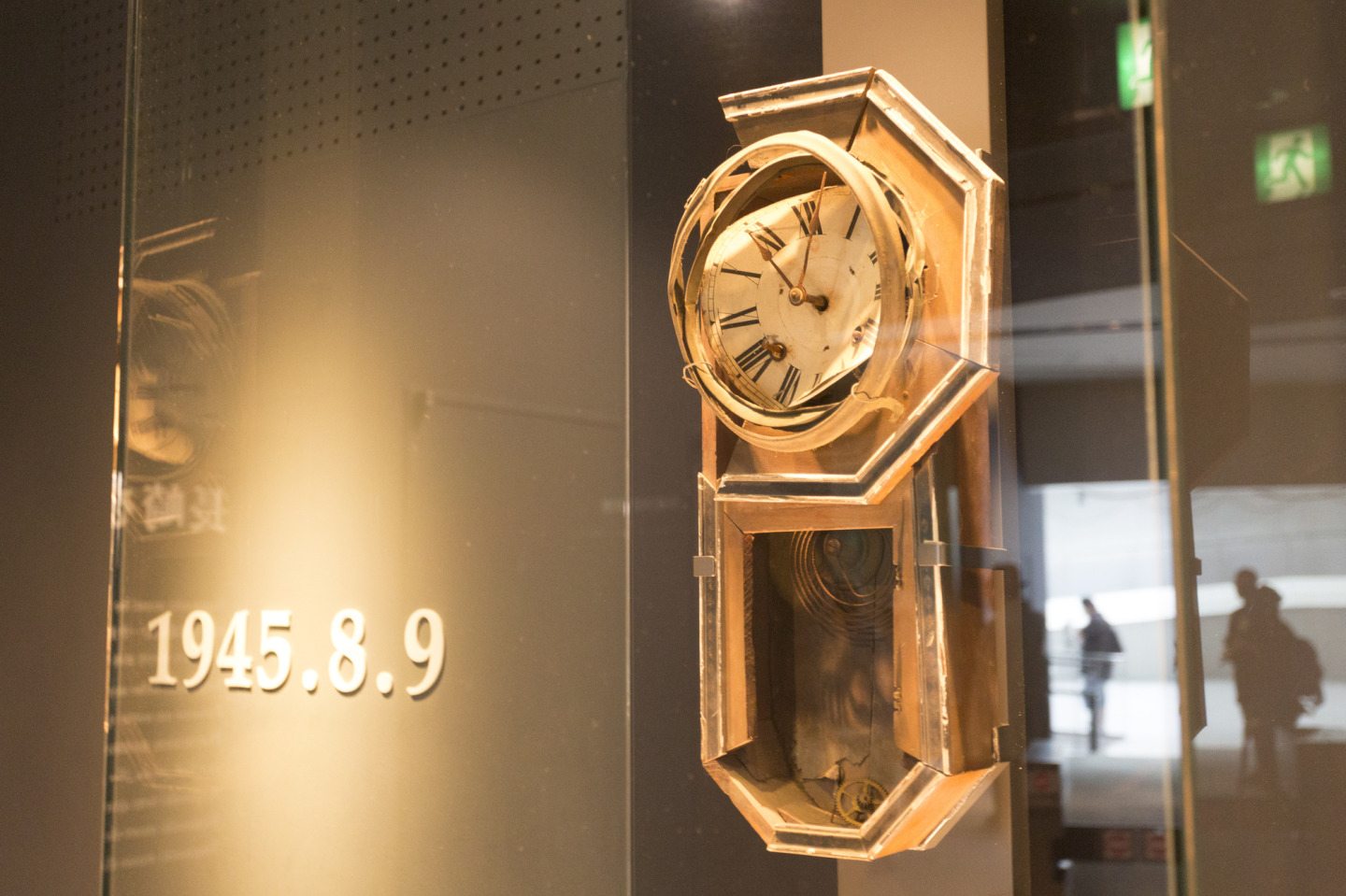
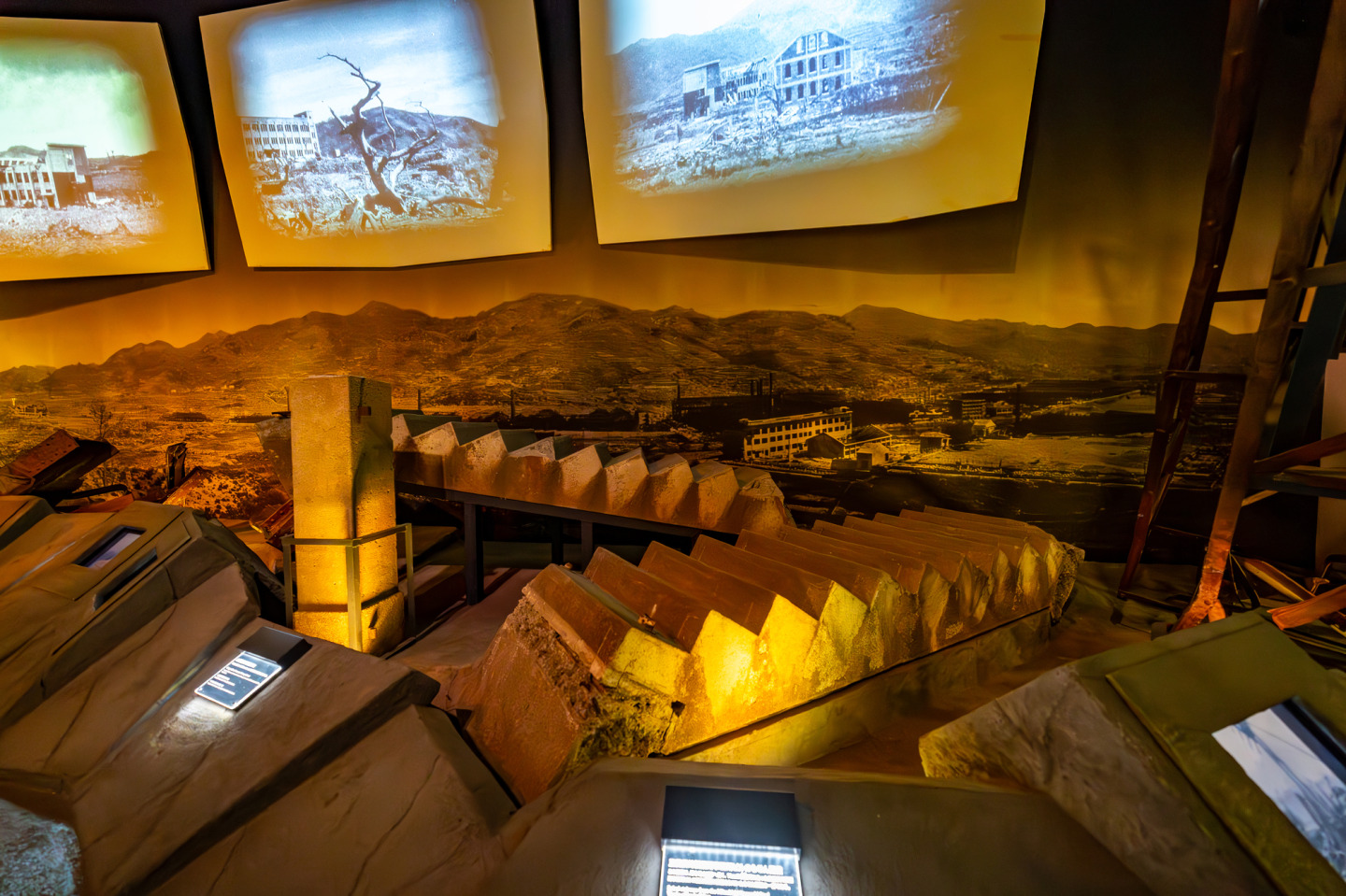
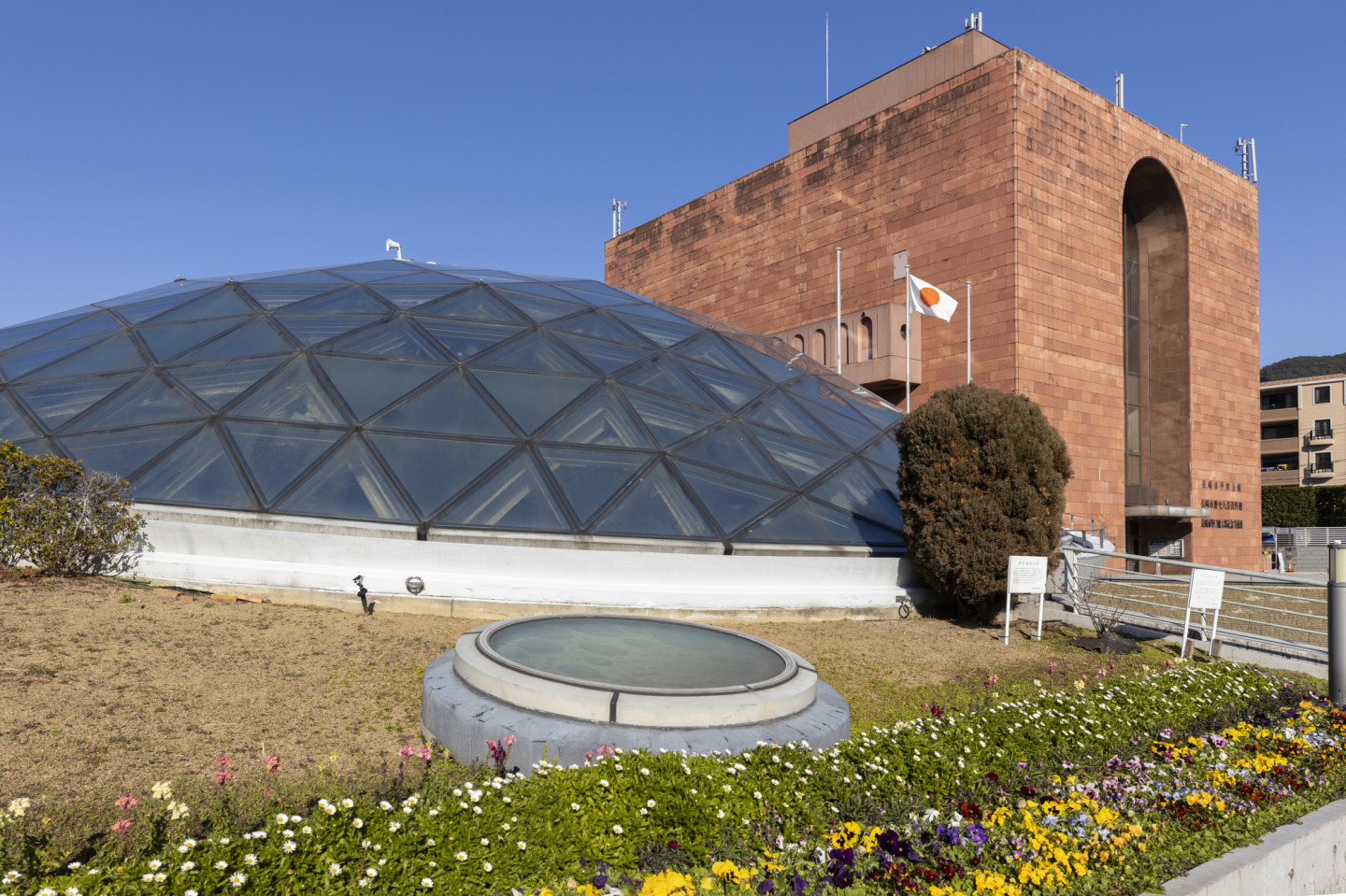
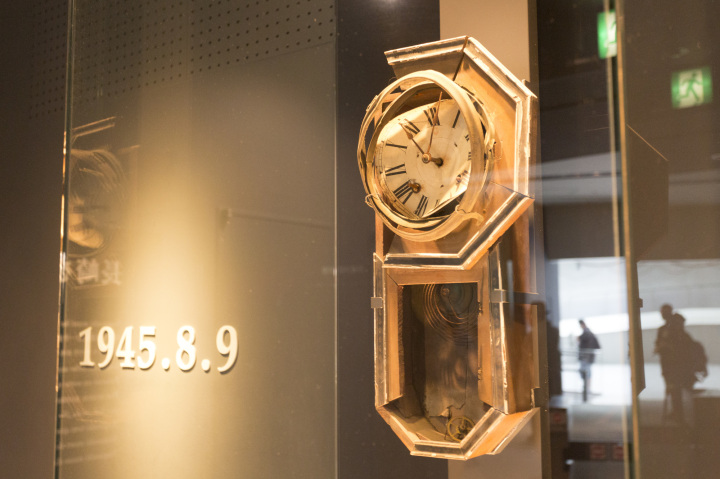
Adjacent to Peace Park, this museum conveys the devastation of the atomic bombing and the preciousness of peace to future generations. Inside, the exhibition begins with scenes of peaceful daily life before the bombing, abruptly transitioning to an area recreating Nagasaki immediately after the blast. Shocking exhibits are displayed, including glass bottles warped by heat rays, charred lunch boxes, and a clock frozen at 11:02. This is a place to deeply learn about the full extent of the damage caused by the atomic bomb, the inhumanity of nuclear weapons, and the preciousness of peace. While some exhibits may be difficult to look at, knowing the facts of what happened in Nagasaki connects us to future peace.
From Kamiyoda Station: Approximately 15 minutes on foot
Arita Ceramic Art Museum
The Beauty and History of Arita Ware: Approximately 400 Years
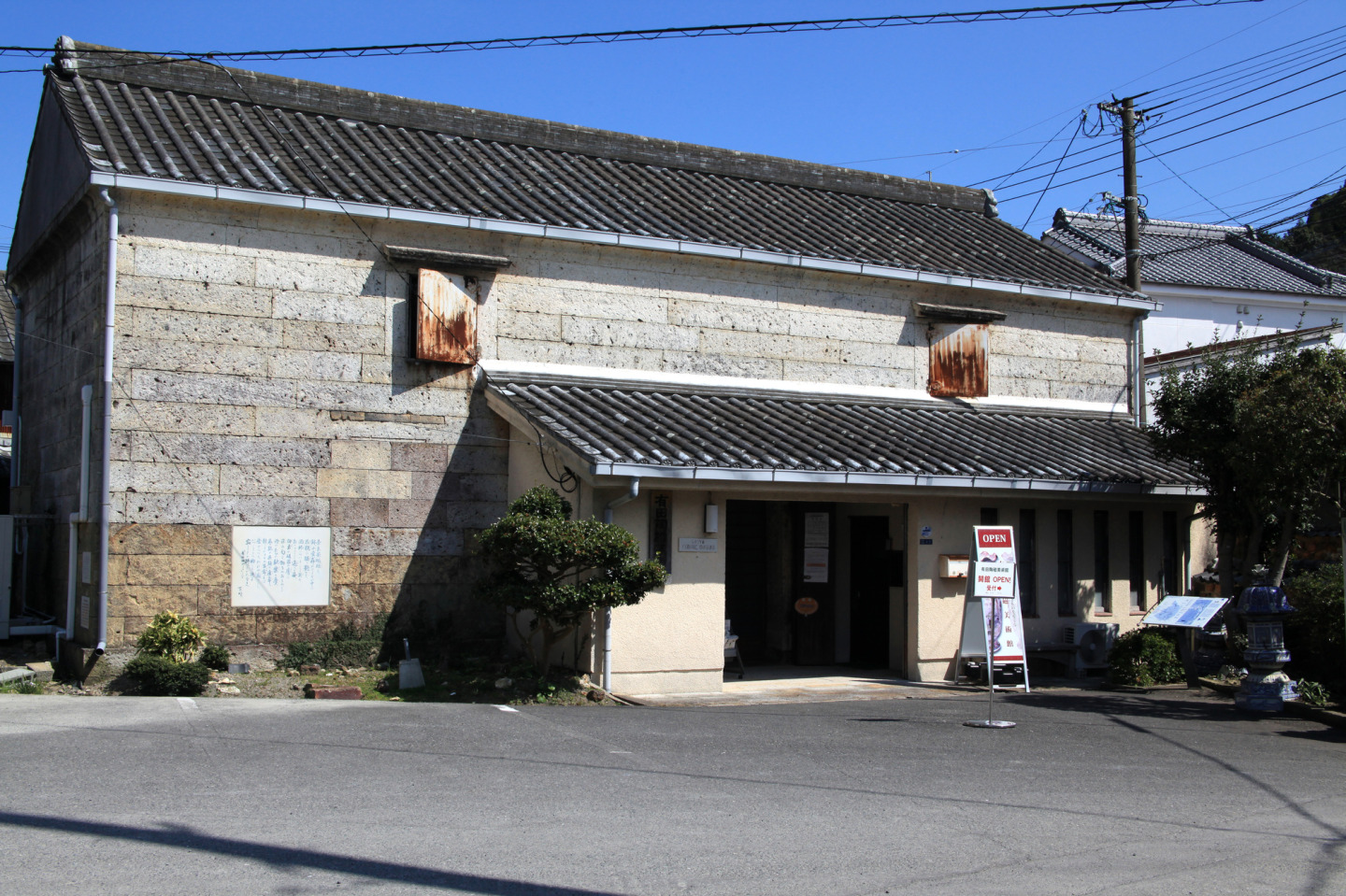
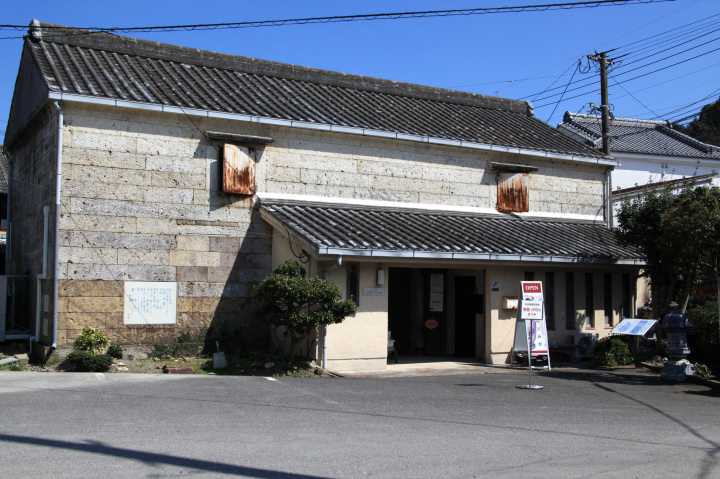
A specialized museum where visitors can experience the essence of Arita ware's history and beauty. Its distinctive feature is the charming building, renovated from an Edo-period stone warehouse. Inside, valuable antique ceramics are systematically displayed, ranging from early simple blue-patterned porcelain to the richly decorated colored porcelain that evolved over time, and culminating in masterpieces created with the highest level of craftsmanship. Particularly noteworthy is the Important Cultural Property “Large Plate Depicting Arita Pottery Makers at Work,” which illustrates the production process of Arita ware at the time. Visitors can thoroughly appreciate the flow of Arita ware's approximately 400-year history and the pinnacle of its craftsmanship.
【Lunch】Saga Beef
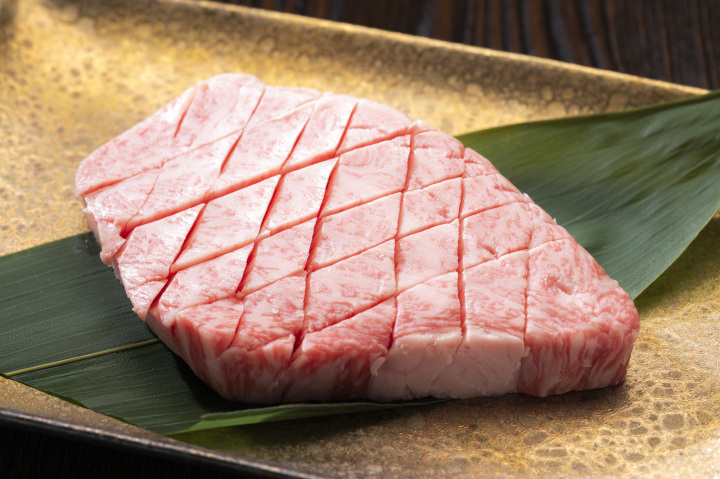
Saga Beef, a brand representing Kyushu. Only black-haired Japanese cattle raised on Saga's fertile land and meeting strict standards can bear this name. Its hallmark is tender lean meat with finely marbled fat known as “lustrous marbling.” When you take a bite, a melt-in-your-mouth texture and rich umami flavor spread across your palate. Within Arita Town, renowned restaurants abound where you can savor Saga Beef in various styles, including steak, yakiniku, and shabu-shabu.
Toyama Shrine
A shrine watched over by the “God of Pottery”
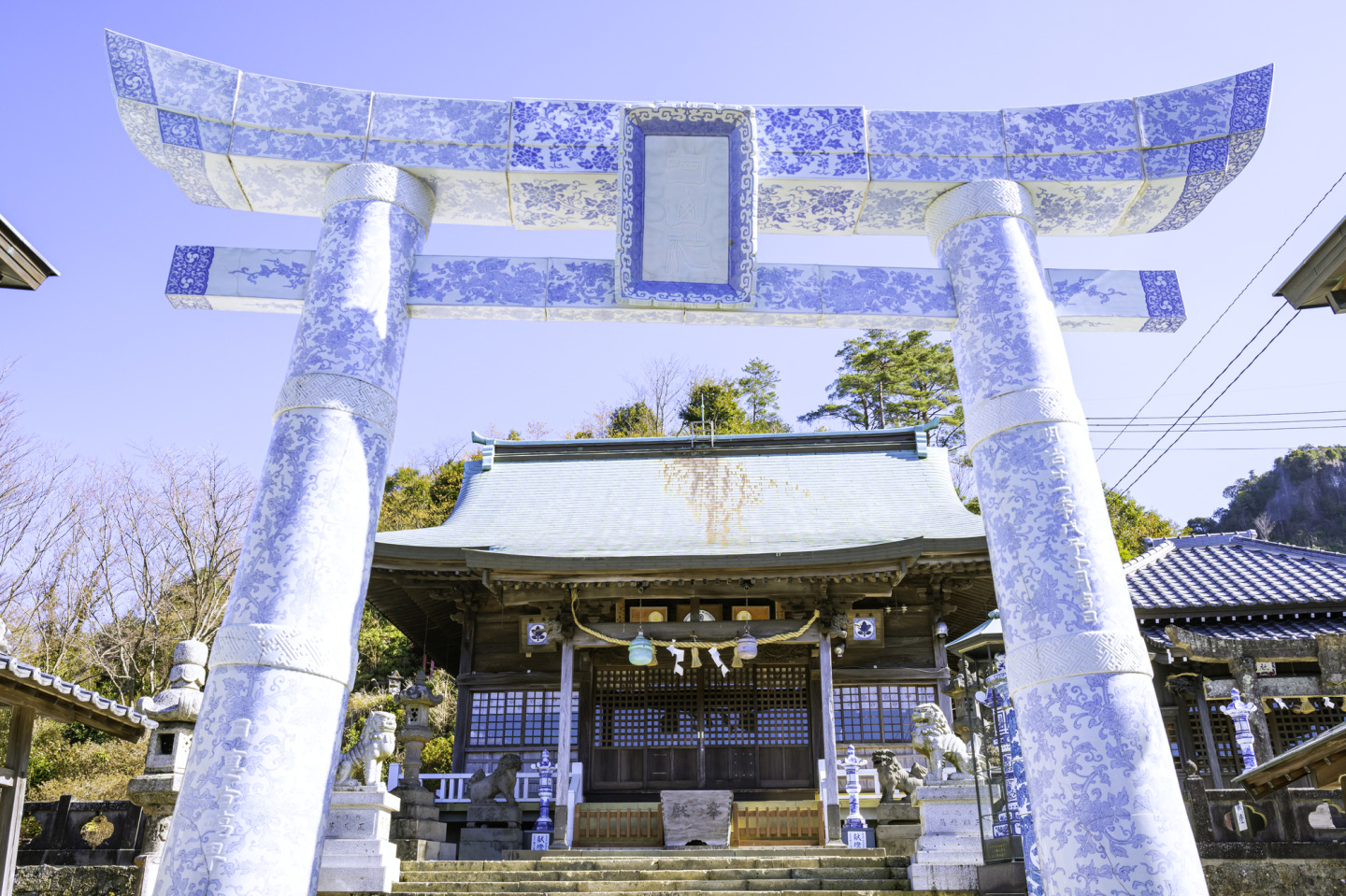
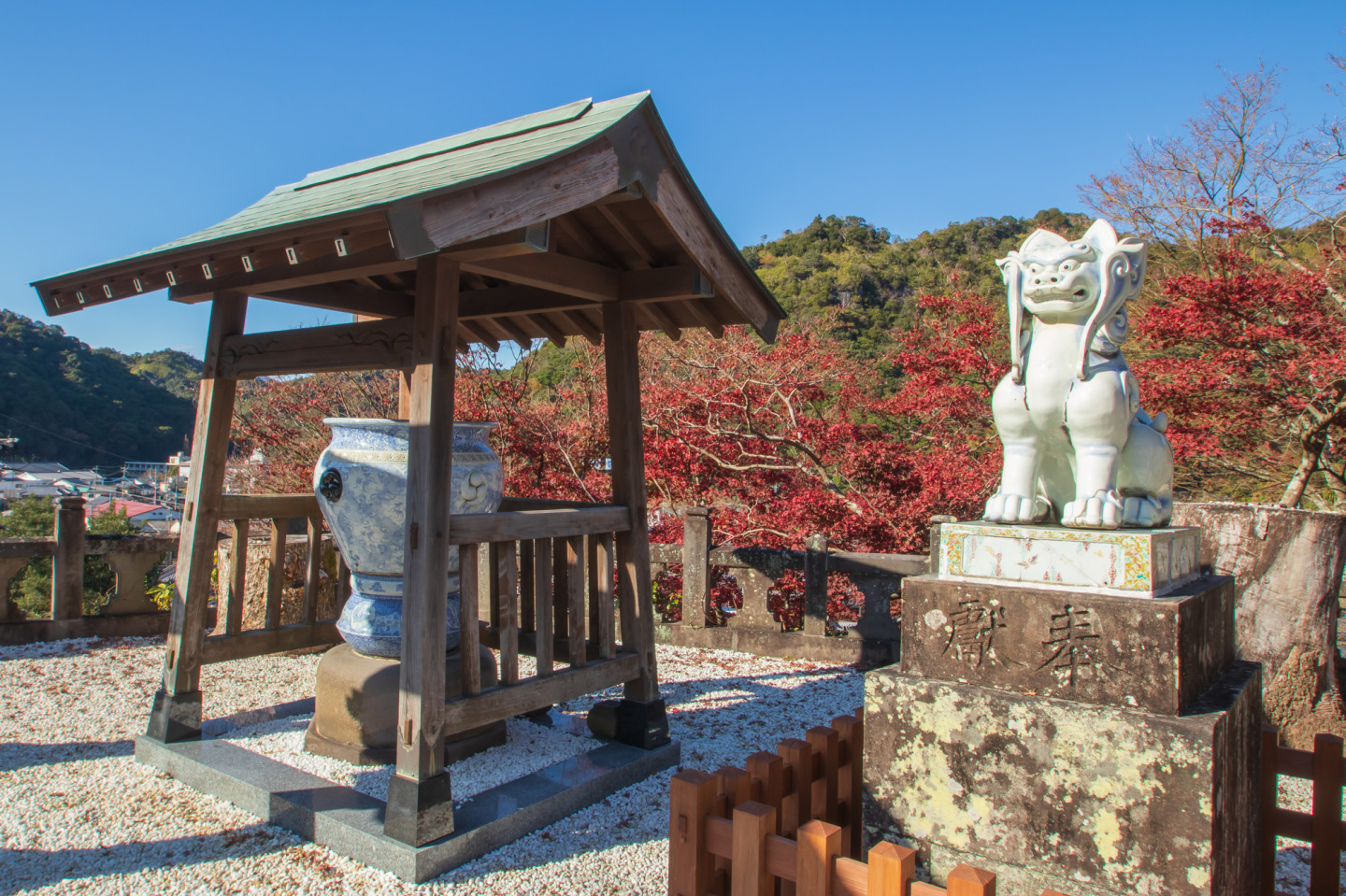
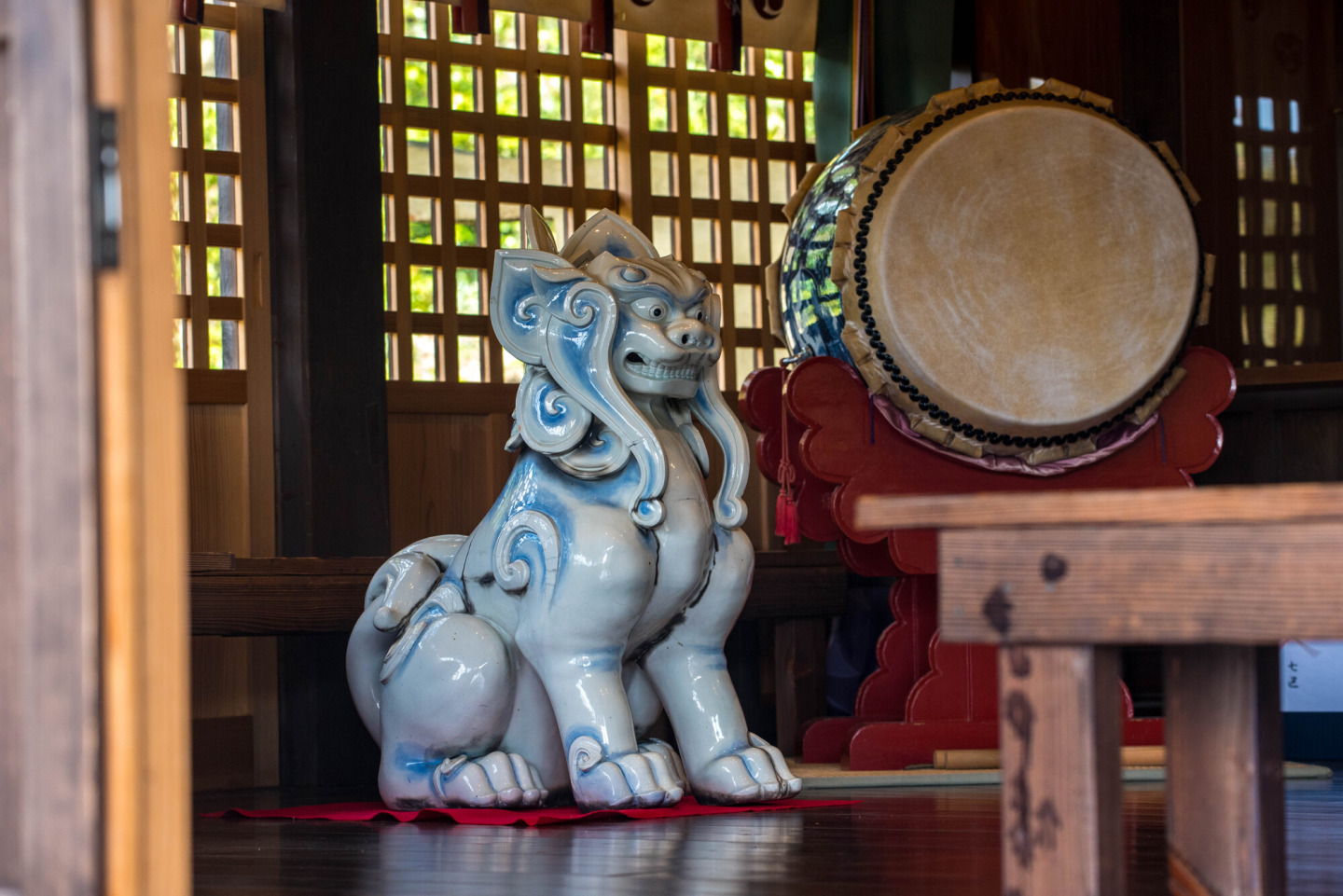
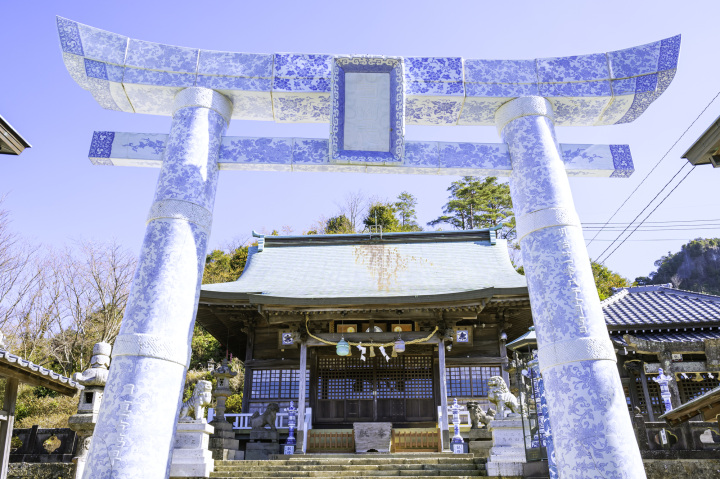
This shrine, unique to the hometown of Arita ware, is characterized by enshrining the “God of Pottery.” Its main attraction is the “Porcelain Great Torii Gate,” also a nationally registered tangible cultural property. The blue patterns stand out beautifully against the smooth white porcelain surface, creating a striking contrast with the blue sky. Additionally, the shrine grounds resemble an open-air museum, featuring Arita ware komainu guardian dogs, large water jars, and lanterns. Rare, adorable porcelain talismans, available only here, are also popular. The grounds offer a panoramic view of Arita town.
Arita Pottery Kiln Tour
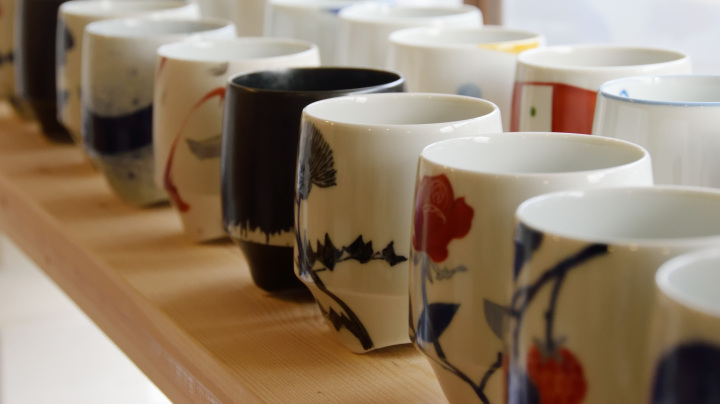
Numerous historic kilns and galleries dot Arita Town. Back alleys lined with red brick chimneys and “tonbai walls” made from recycled old kiln bricks exude charm. Stroll around and visit shops that catch your eye. From traditional Arita ware to modern designs suited for contemporary lifestyles, each kiln and artist offers a distinct personality. Many locations also feature shops, making it a treasure hunt to find that one-of-a-kind favorite piece.
From Kamikamida Station to Hakata Station: Approximately 90 minutes by train (Transfer at Takeo-Onsen Station)
JR Hakata Station
Gateway to Kyushu
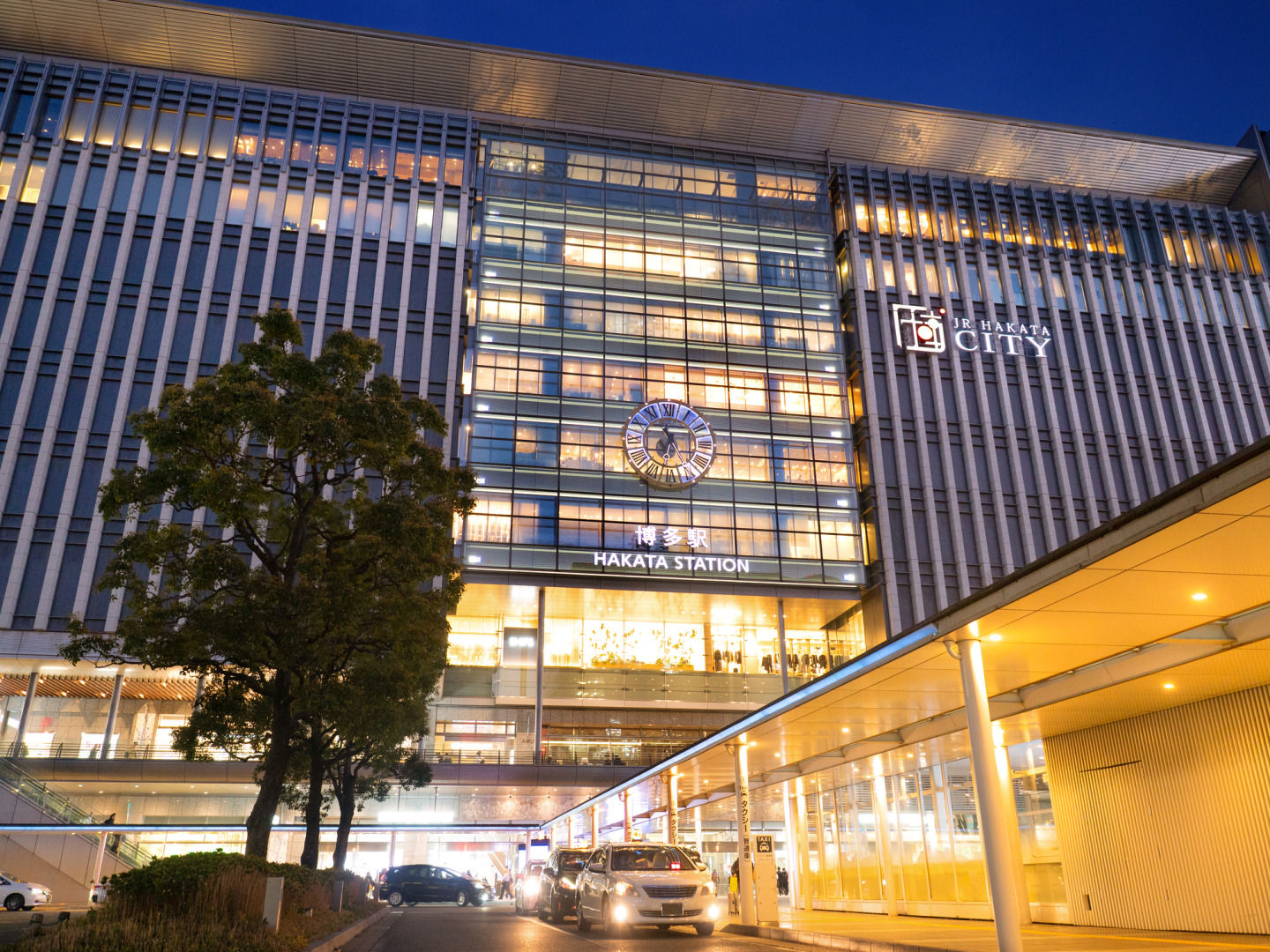
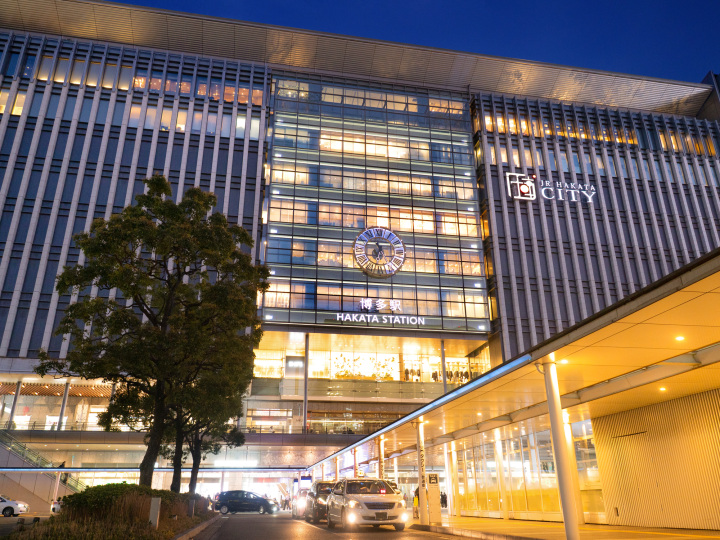
Arriving at Kyushu's largest terminal station in Fukuoka. The station's connected building houses department stores, restaurants, and souvenir shops, letting you enjoy Fukuoka's gourmet offerings right away. The convenient subway provides smooth access to popular food stalls and lively nightlife entertainment districts.