Shinbutsu Shugo: A Unique Culture Combining Two Faiths – Exploring Rokugo-Manzan on Oita Prefecture's Kunisaki Peninsula
Oita Prefecture's Kunisaki Peninsula is the birthplace of Shinbutsu Shugo, a unique culture born from the fusion of Buddhism and Japan’s indigenous beliefs.
To explore the mysterious Shinbutsu Shugo, we spoke with Tatsuhiro Ono of FeEL Product Company, a local guide on the Kunisaki Peninsula. In this article, take a deep dive into why the culture of Shinbutsu Shugo arose and how it developed, and also introduce places connected to it, such as historic shrines and temples, and sacred prayer sites surrounded by nature.
Let's set out on an enriching and intellectual journey so that you can experience this unique culture for yourself.
* Please note that the text shown on this page includes machine translations.
Contents
- Why did Shinbutsu Shugo, an intersection of two faiths, arise?
- Rokugo-Manzan Culture: The Kunisaki Peninsula's unique Shinbutsu Shugo tradition
- Usa Jingu Shrine: The shrine that supported the growth of Rokugo-Manzan
- Unraveling the Rokugo-Manzan mystery: The "Legend of Ninmon Bosatsu"
- Spots Related to Rokugo-Manzan
- Shujo Onie: A traditional festival born from this unique culture
- Mineiri: The mountain ascetic practice of the Rokugo-Manzan culture
- A training experience to engage with the Rokugo-Manzan culture
- "Thoughts on the Rokugo-Manzan culture," as shared by local guide Tatsuhiro Ono
Why did Shinbutsu Shugo, an intersection of two faiths, arise?
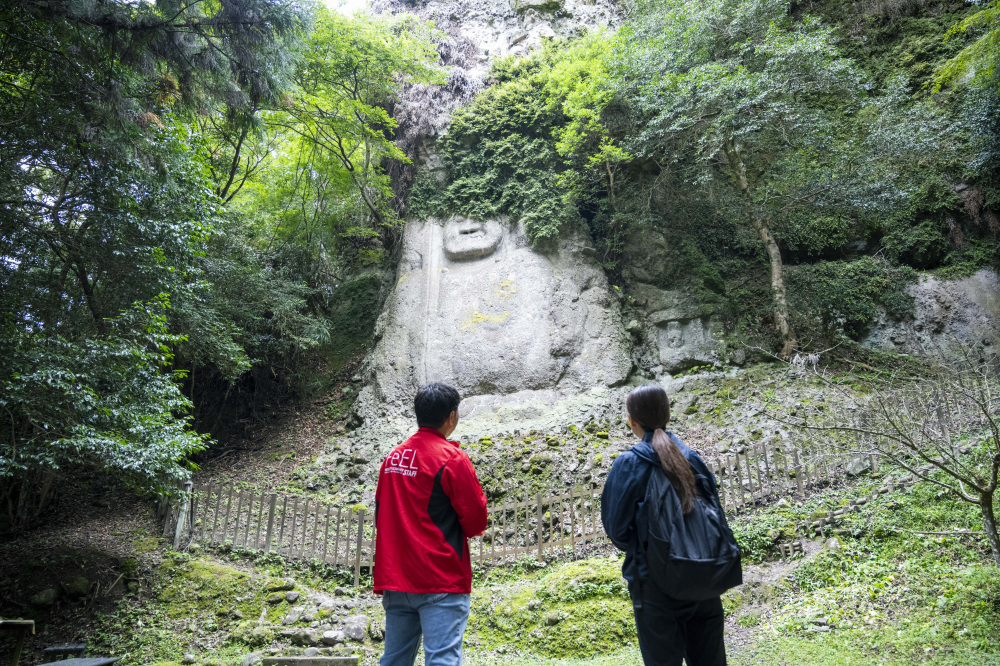
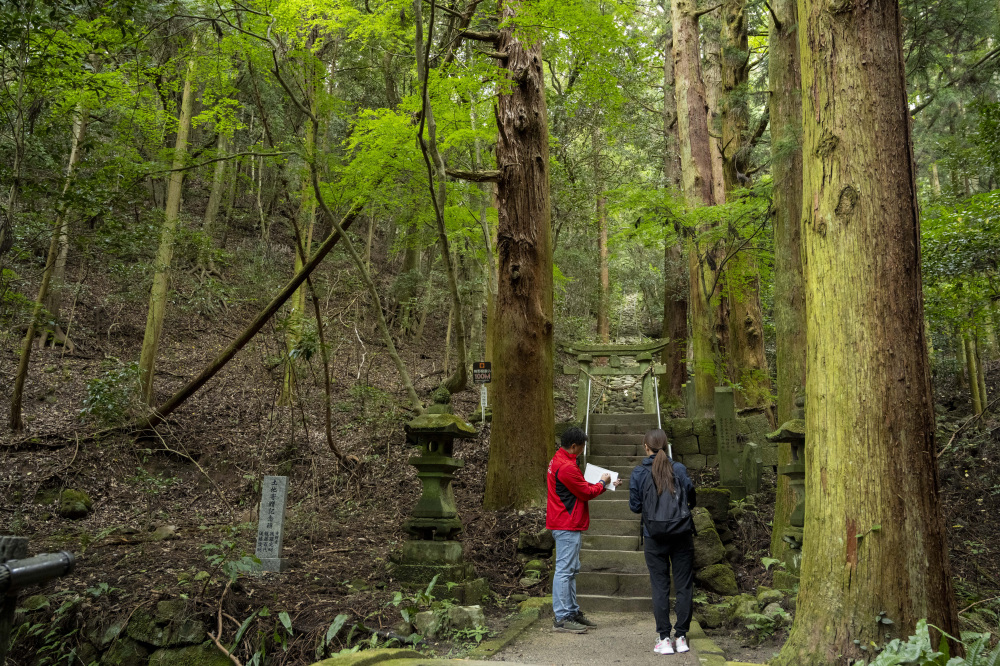
Since ancient times, Japan has practiced sangaku shinko, or mountain worship, which is a belief in reverence for the power of nature and in ascetic practices in mountains to harness their power. This belief is related to the concept of animism, the idea the spirits dwell in all things, a core element of Japanese thought.
Meanwhile, Buddhism was adopted domestically as a form of learning in order to cultivate "elite" Japanese people who could engage with the wider world. Japanese historical records show that Japan sent envoys to China and brought back Buddhism and other cultural influences.
Shinbutsu Shugo was born when Japan's indigenous beliefs blended with Buddhism.
Rokugo-Manzan Culture: The Kunisaki Peninsula's unique Shinbutsu Shugo tradition
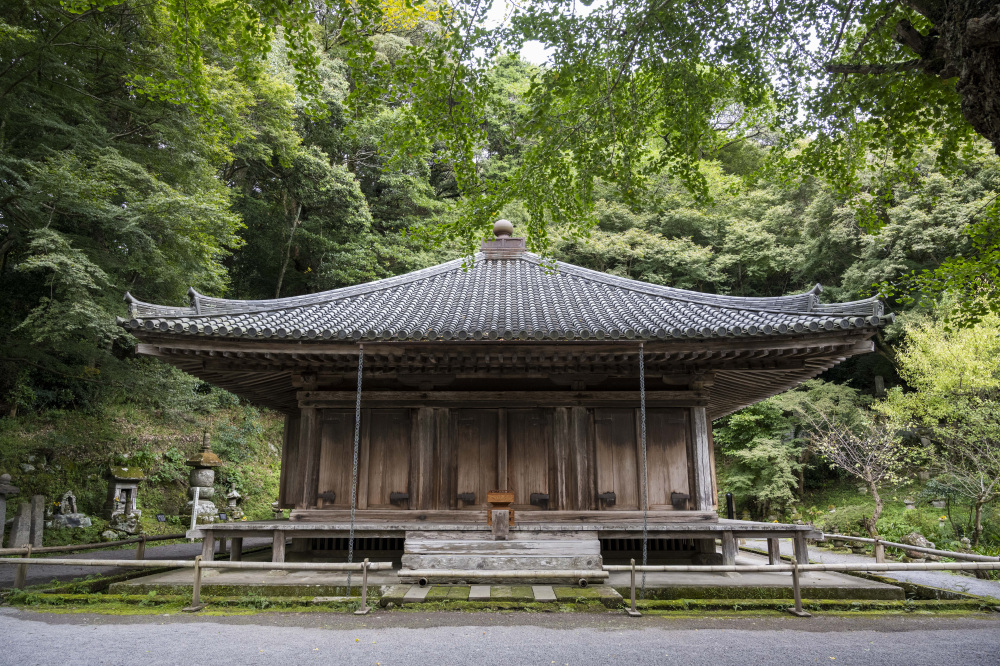
Oita Prefecture's Kunisaki Peninsula is said to be the birthplace of shinbutsu-shugo. The oldest records showing the depth of religious faith in this region date back to around the 5th century and are preserved at Monjusenji Temple in Kunisaki City.
Spiritual training blended together two elements at once: mountain worship, in which practitioners secluded themselves in the mountains to take in the tough energy of great nature, and elements of Buddhist practice, in which they mastered Buddhist teachings, knowledge from the continent. These training grounds are collectively called "Rokugo-Manzan." This vast field of faith included not only temples where Buddhist studies were practiced, but also natural features such as specific rocks and waterfalls in the mountains, which functioned as a Shinbutsu Shugo training ground where the two belief systems were integrated into one.
Usa Jingu Shrine: The shrine that supported the growth of Rokugo-Manzan
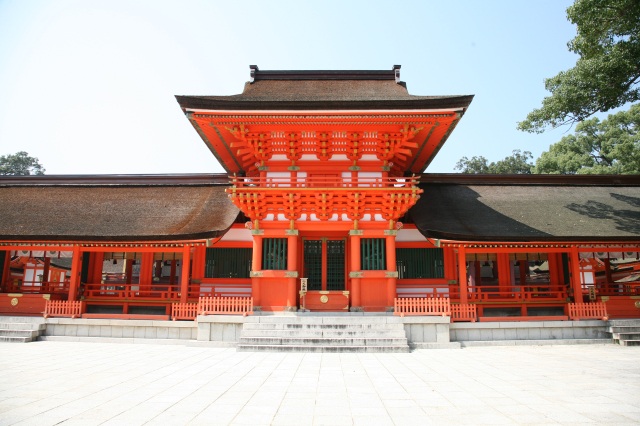
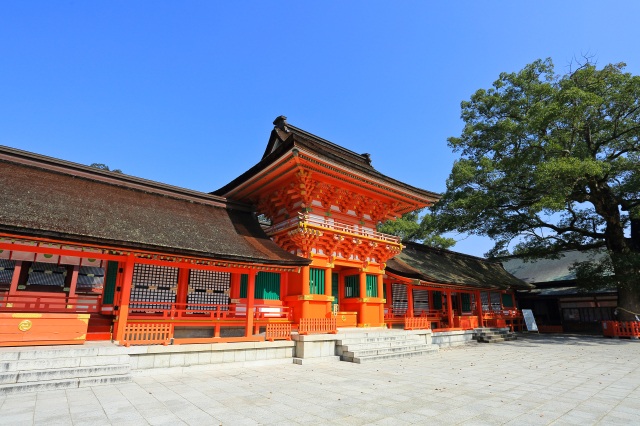
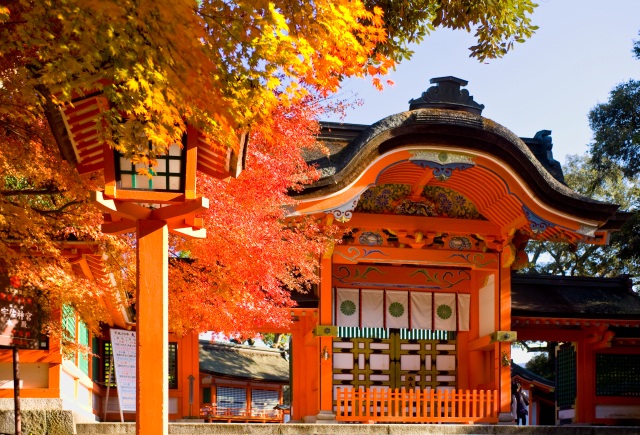
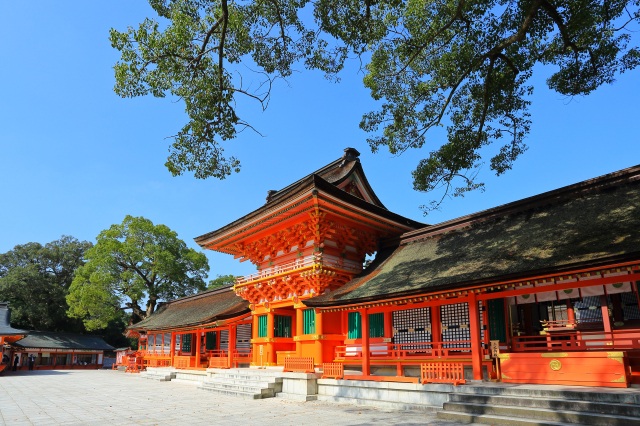
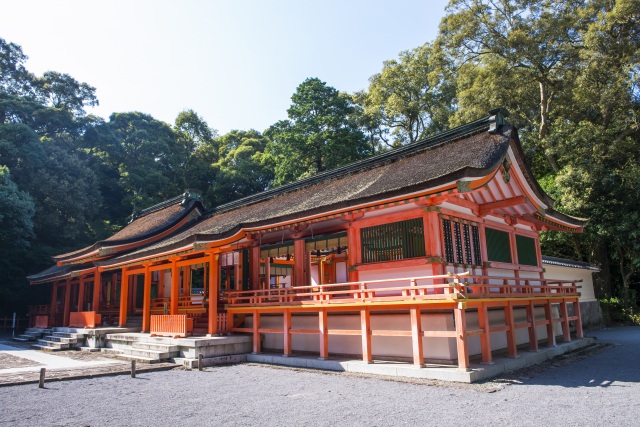
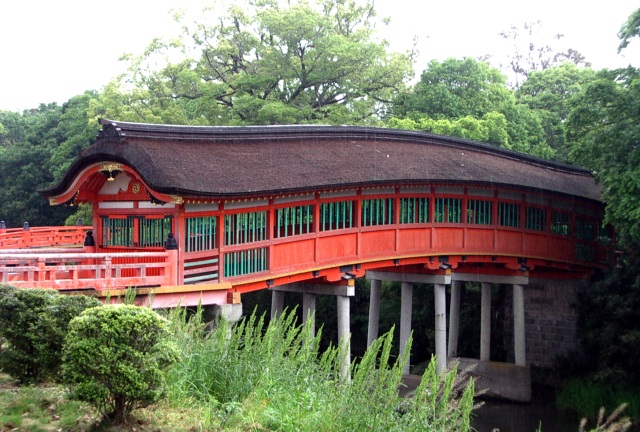
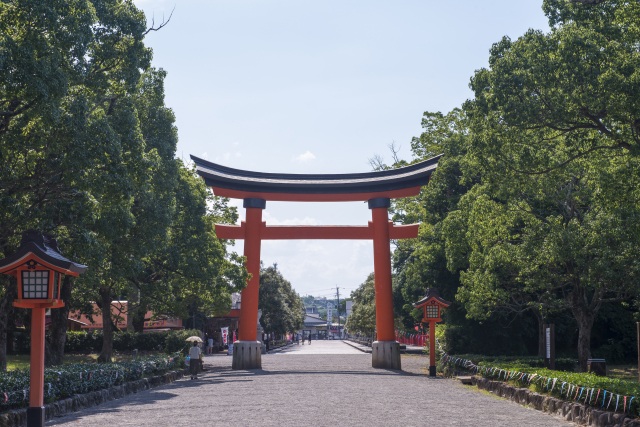
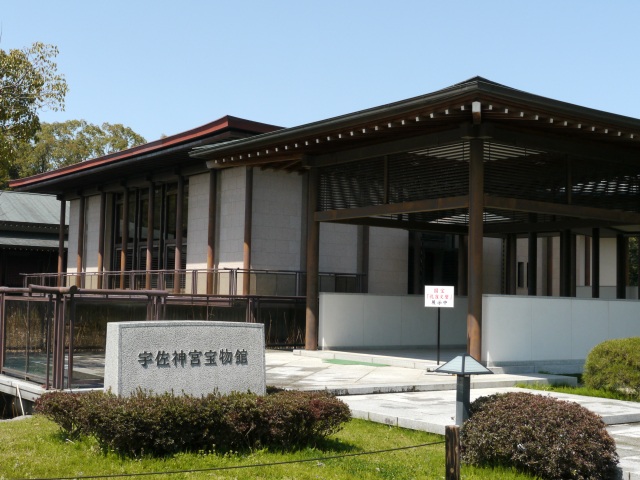
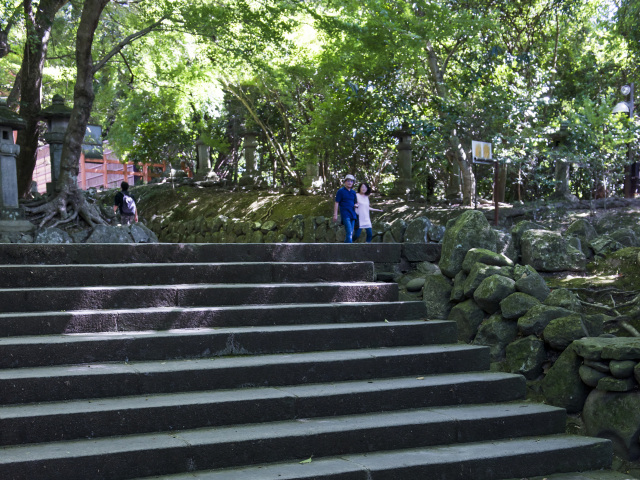
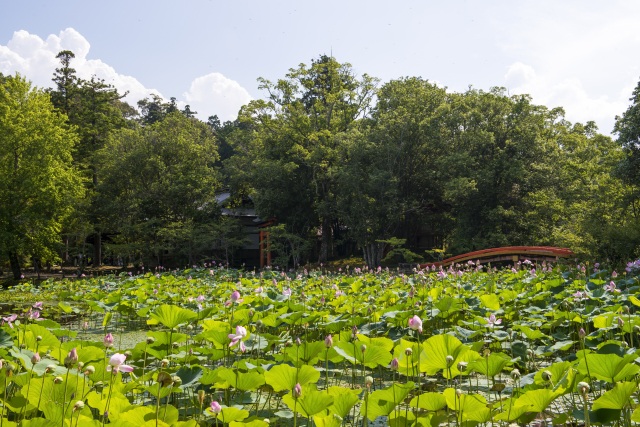
Usa Jingu Shrine in Usa City serves as the head shrine for the roughly 40,000 shrines in Japan that bear the name "Hachiman." Iwashimizu Hachimangu in Kyoto and Tsurugaoka Hachimangu in Kamakura share the same faith as Usa Jingu. These Hachiman shrines are also Shinbutsu Shugo shrines, and on the Kunisaki Peninsula they are said to have contributed to the development of Rokugo-Manzan.
The oldest site within Rokugo-Manzan is the former Sentoji Temple, built in 718, and from there training grounds were established throughout the Kunisaki Peninsula. In 725, Usa Jingu Shrine brought together the Rokugo-Manzan sites scattered across the peninsula into a single unified entity. From that point, it renovated the training grounds of Rokugo-Manzan, where Usa Jingu Shrine's ideas had deeply permeated, into Buddhist temples. Naturally, formally building and maintaining temples required substantial funds and to cover these costs, Usa Jingu began providing funds to Rokugo-Manzan as subsidies, which further strengthened the relationship between Usa Jingu and Rokugo-Manzan.
Unraveling the Rokugo-Manzan mystery: The "Legend of Ninmon Bosatsu"
Indispensable to discussing the formative period of Rokugo-Manzan is Ninmon Bosatsu, a legendary monk who is said to have suddenly appeared in 718 and opened as many as 28 temples and training grounds on the Kunisaki Peninsula. However, despite records of his astonishing achievements, a prevailing view among historians is that "a monk named Ninmon did not actually exist."
So what, exactly, was his true identity? One theory holds that he was an incarnation of "Hachimanshin," the principal deity of Usa Jingu Shrine, or of "Hime Okami," enshrined alongside him. In other words, the idea is that the deity of Usa "appeared in the form of a monk in order to spread Buddhist teachings," and that this was Ninmon Bosatsu. This can truly be called an episode symbolizing Shinbutsu Shugo, in which kami (gods) and buddhas become one.
Ninmon Bosatsu may be less a specific "human being" than a "spiritual symbol for protecting and guiding the Kunisaki Peninsula's Shinbutsu Shugo culture." These complex historical layers – “a god, a buddha, or a person" – are precisely what create Rokugo-Manzan's mysterious appeal.
Spots Related to Rokugo-Manzan
Here we will introduce a handful of Rokugo Manzan-related spots. Why not feel the energy of nature in your body, just like the ancient ascetics?
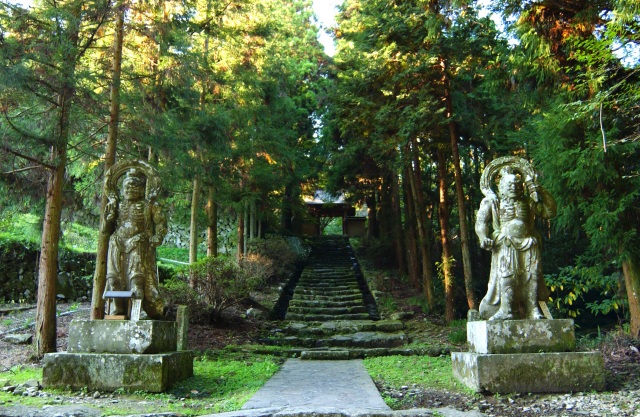
- Futagoji Temple
- Situated on the slopes of Mt. Futago in the Kunisaki Peninsula, Futagoji Temple was established in 718 and holds a rich historic…
- See More
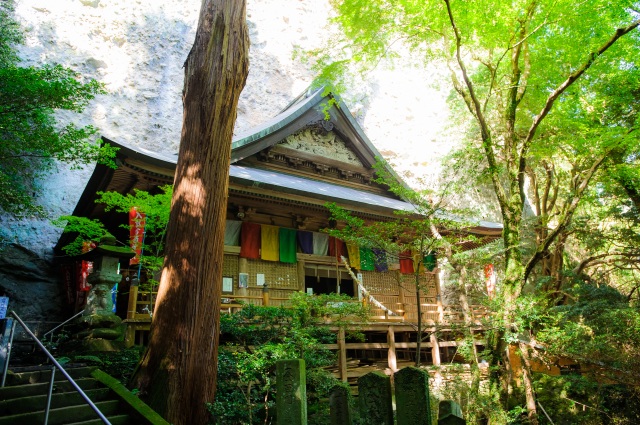
- Monjusenji Temple
- With a history spanning over 1,300 years, Monjusen-ji Temple is nestled on the slopes of Mt. Monju and is renowned as a place fo…
- See More
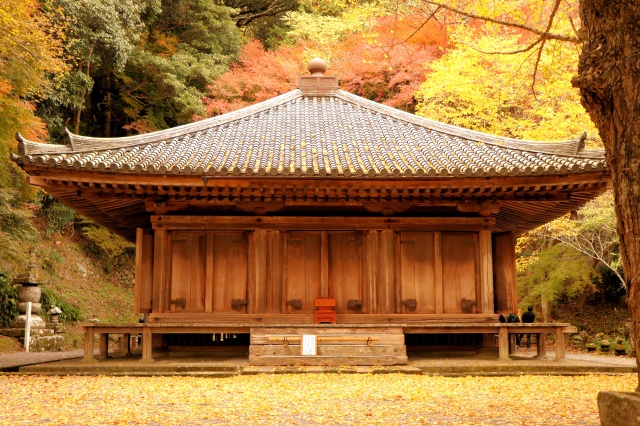
- Fukiji Temple
- Fukiji Temple, believed to have been founded between the 10th and 12th centuries, is a temple of great historical significance, …
- See More
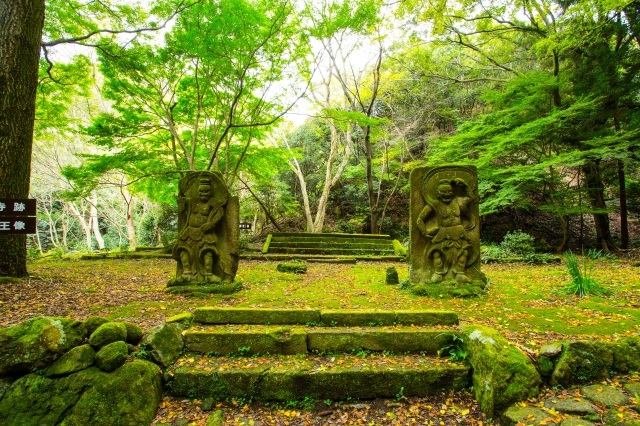
- Ruins of the Former Sentoji Temple
- The former Sentoji Temple flourished in the heart of Mt. Fudo, located in Kunisaki City, Oita Prefecture.At the site where the m…
- See More
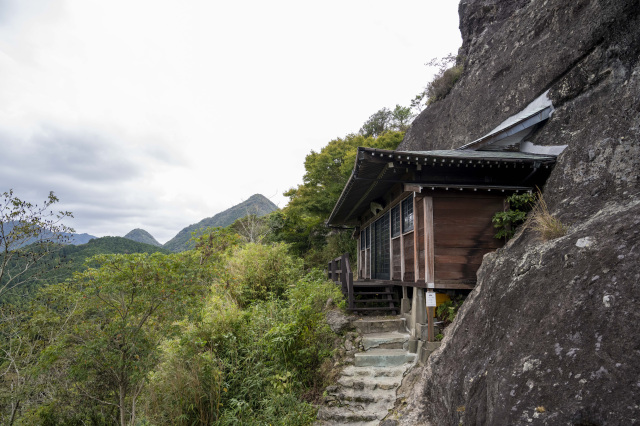
- Itsutsuji Fudo
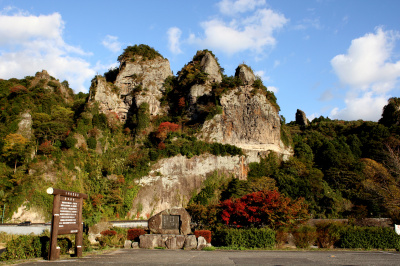
- This is said to be the place where Ninmon Bosatsu trained. The buildings are constructed as if clinging to the exposed rock face of a steep mountain, and Fudo Myoo, a powerful Buddhist guardian, is enshrined here.
- Rokugo Manzan Japan heritage Promotion Council homepage
Shujo Onie: A traditional festival born from this unique culture
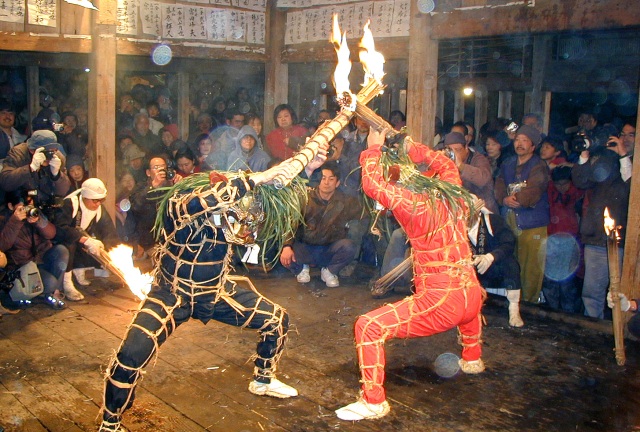
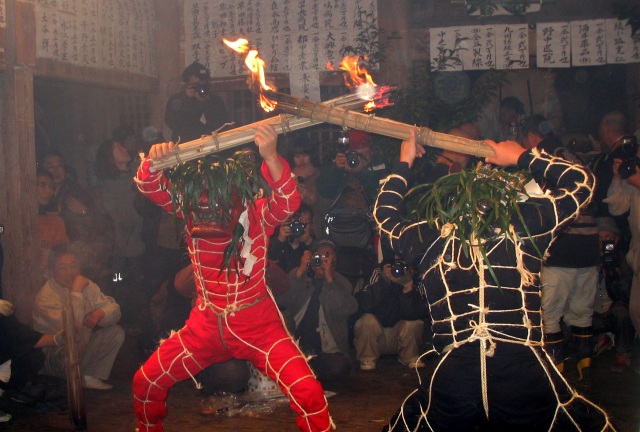
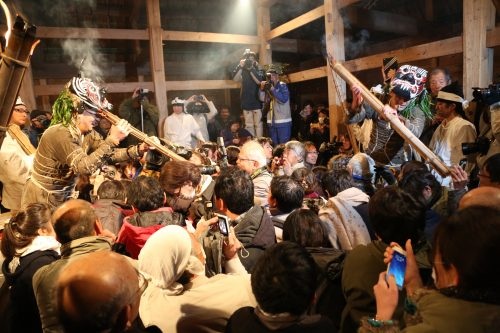
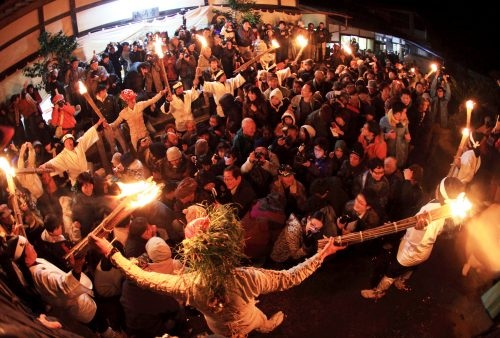
In Japan, the long-held image of oni, or demons, is established as that of villains that torment people. However, the oni that appear in the Shujo Onie fire festival in the Kunisaki Peninsula are completely different. Here, oni are welcomed as incarnations of gods or ancestors who bring happiness to people.
The red and black masks worn by the oni during the festival symbolize fire and water, and it is said that peace comes when opposing elements are brought into harmony. Participants purify their bodies in river water that is freezing cold. After that, they are showered with sparks from fiercely burning torches. This festival, protected by the blessings of both Shinto deities and Buddhist buddhas, is itself the very form of the Kunisaki Peninsula's unique Shinbutsu Shugo.
Mineiri: The mountain ascetic practice of the Rokugo-Manzan culture
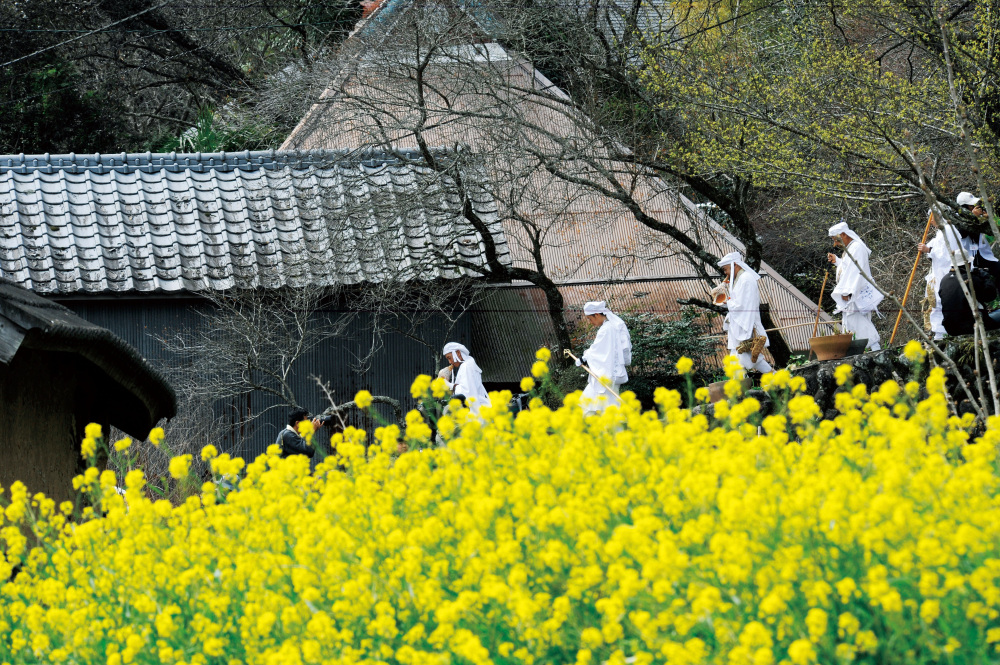
About once every ten years, Rokugo-Manzan monks walk rugged mountain paths and make a circuit of all of Rokugo-Manzan. This austere training is called "mineiri." When living among people in everyday life, even monks can find the energy cultivated through mountain training fading. Therefore, by deliberately placing themselves in a harsh environment once every ten years, they "recharge" the diminished "energy of great nature" within their bodies. They start from Omoto-san at the base of the Kunisaki Peninsula and, following only trackless mountain ridgelines, visit 65 sacred sites. During this time, they never descend into inhabited villages and regain their original strength by enduring nature's harshness with their whole bodies.
The Kunisaki Peninsula Minemichi Long Trail: A training path you can walk
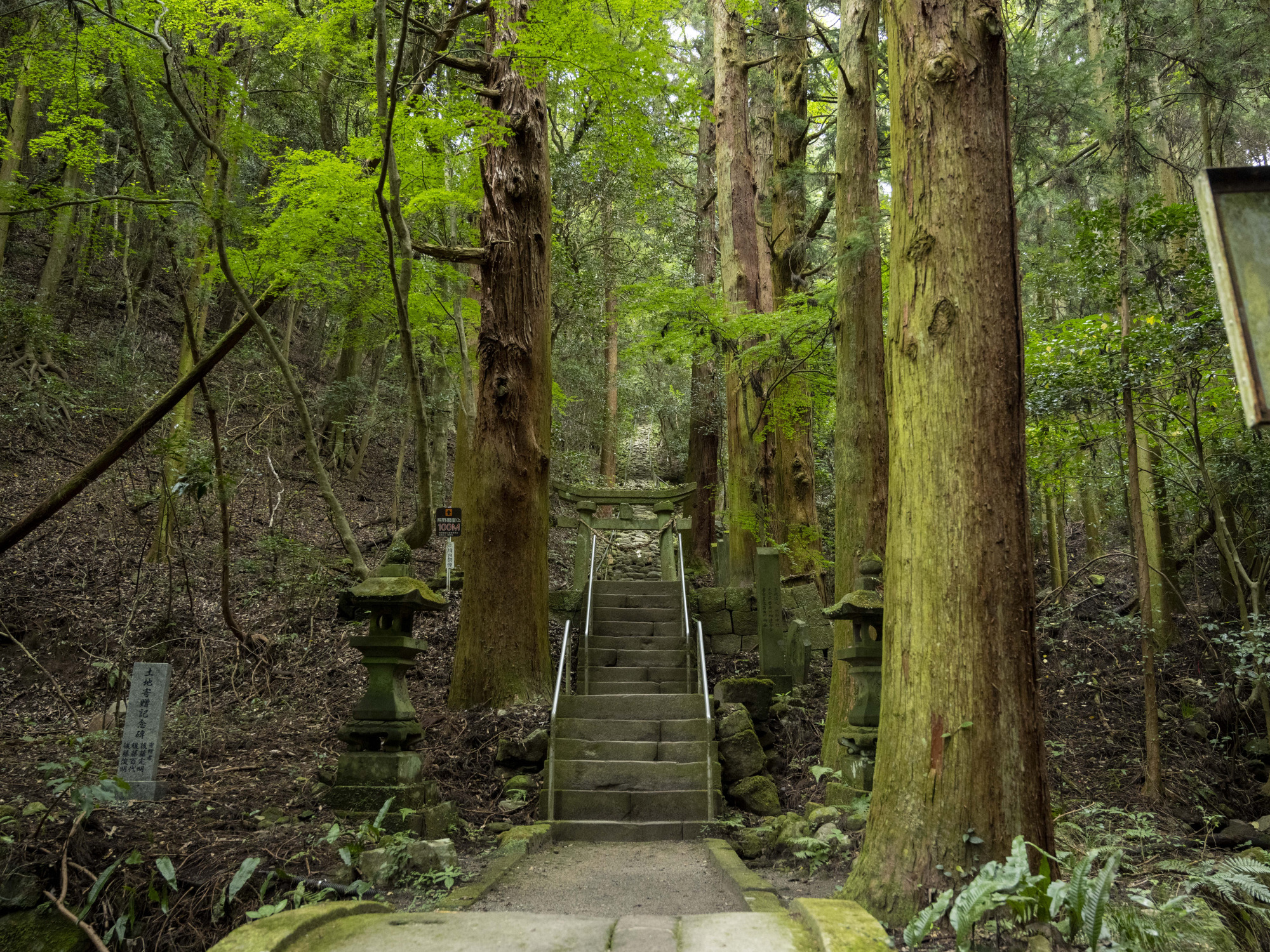
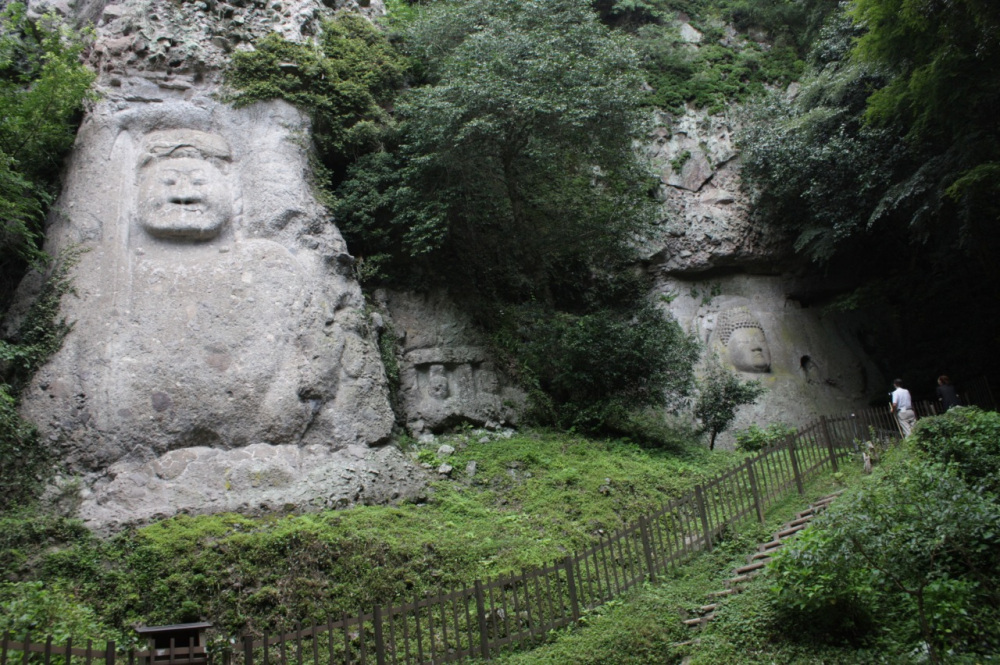
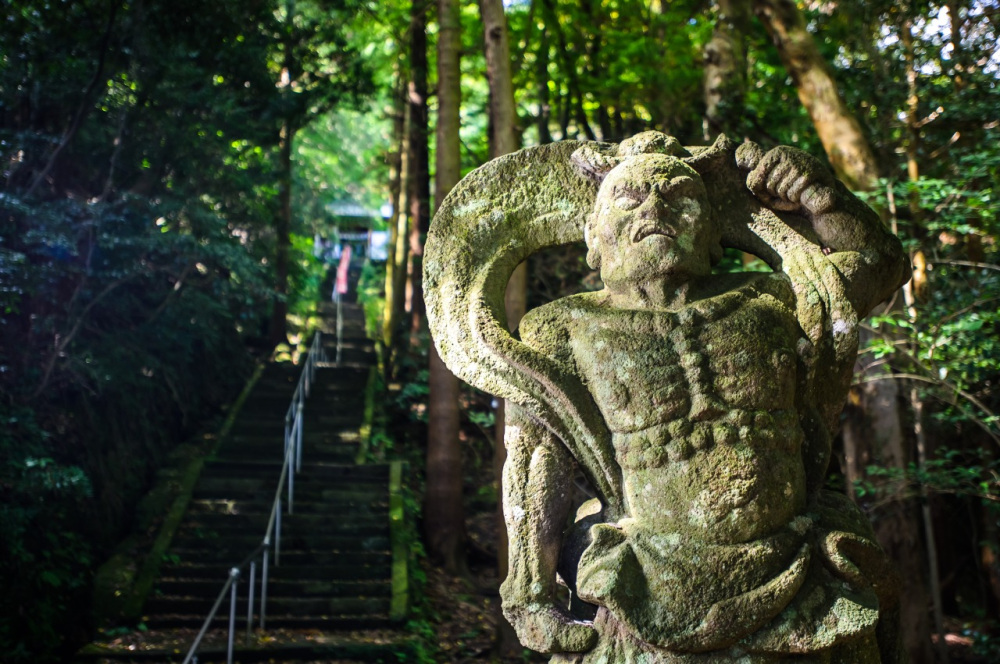
Portions of this training route, once permitted to be walked only by monks, have now been developed as the Kunisaki Peninsula Minemichi Long Trail, welcoming trekkers from around the world. Here, the act of walking itself, through moss-covered stone paving and past cliff-carved Buddha images, becomes prayer and training. Why not experience it yourself?
Note: This is not merely a hiking course, but a sacred place that leads to the path of the Buddha. Because there are many dangerous cliffs and slippery difficult sections, please undertake it with proper mountaineering equipment and respect for nature.
A training experience to engage with the Rokugo-Manzan culture
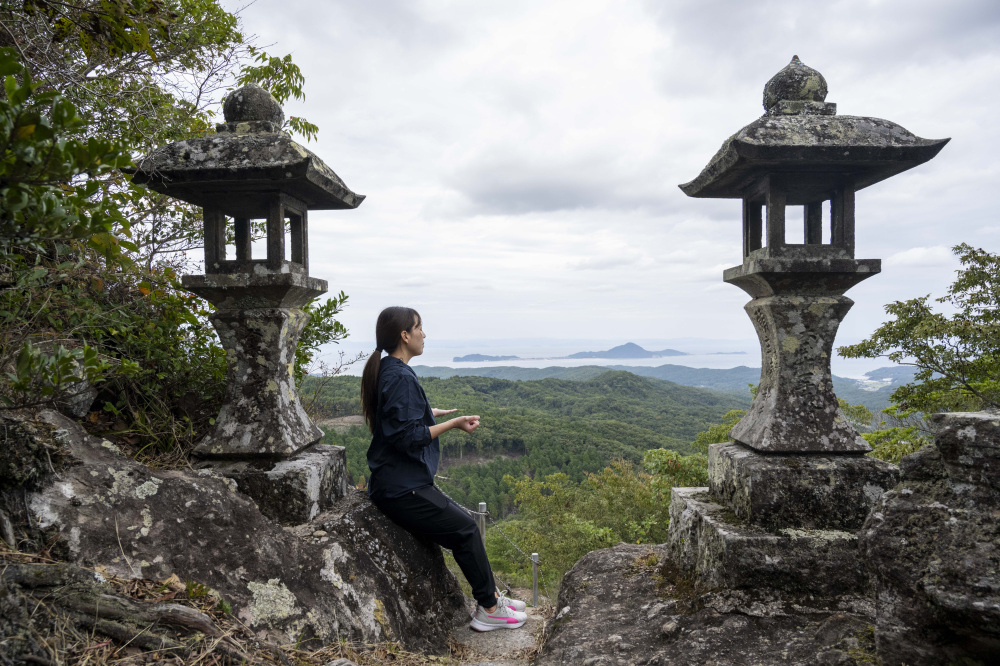

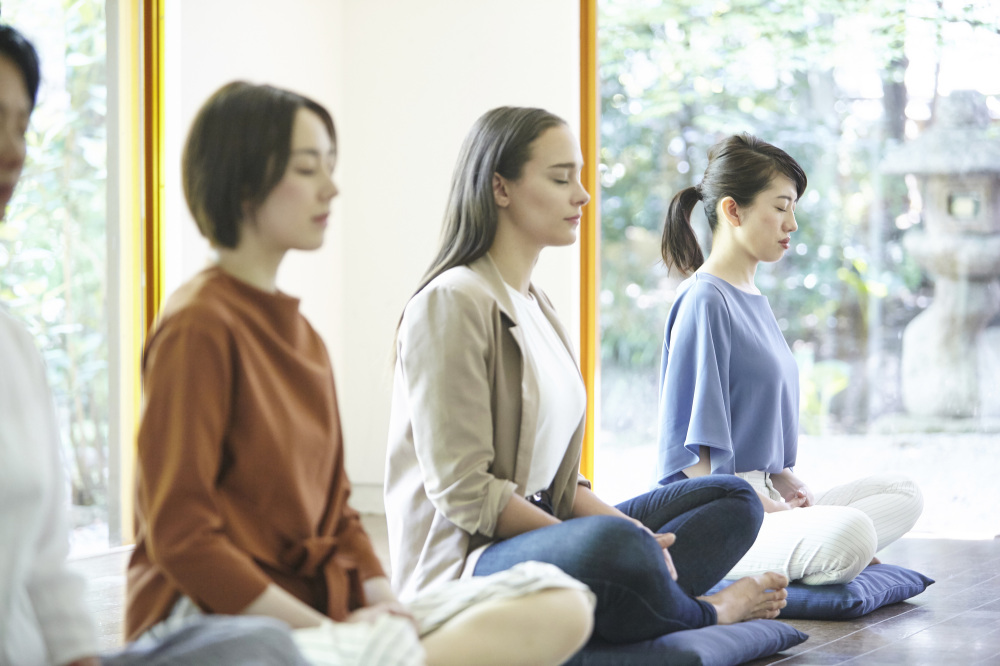
On the Kunisaki Peninsula, you can have special training experiences that you cannot do at temples in Kyoto or Nara. Here, you can encounter practices such as shakyo, copying Buddhist sutras teachings by hand, and zazen, sitting quietly at a temple deep in the mountains to calm the mind, and through a variety of methods based on temple traditions you can take time to bring your mind into order.
There are also places where you can witness goma-daki, a prayer ritual in which special wood called goma is burned.
In addition, unique to Kunisaki Peninsula's sacred sites, where faith in kami (gods) and buddhas has become one, you can have the unusual experience of taking the great power of nature into your body. In a quiet place, close your eyes, turn your palms toward the sky, clench your dominant hand into a fist, and keep the other hand open. If you take deep breaths in this posture, you will feel as if your body is being filled with nature’s energy – give it a try.
For deeper immersion in the culture, stay at a shukubo temple lodging
For those who feel that a day trip isn't enough, we recommend staying at a shukubo temple lodging. At a shukubo you can experience an extraordinary time – tasting traditional shojin ryori cuisine, which uses no meat or fish, and spending the night at a quiet temple wrapped in stillness. The next morning, wake up early and try chanting sutras together with the monks. If you entrust yourself to the sound of the sutras in the crisp morning air of the Kunisaki Peninsula’s great nature, you will feel a refreshing sense of renewal in both body and mind.
"Thoughts on the Rokugo-Manzan culture," as shared by local guide Tatsuhiro Ono
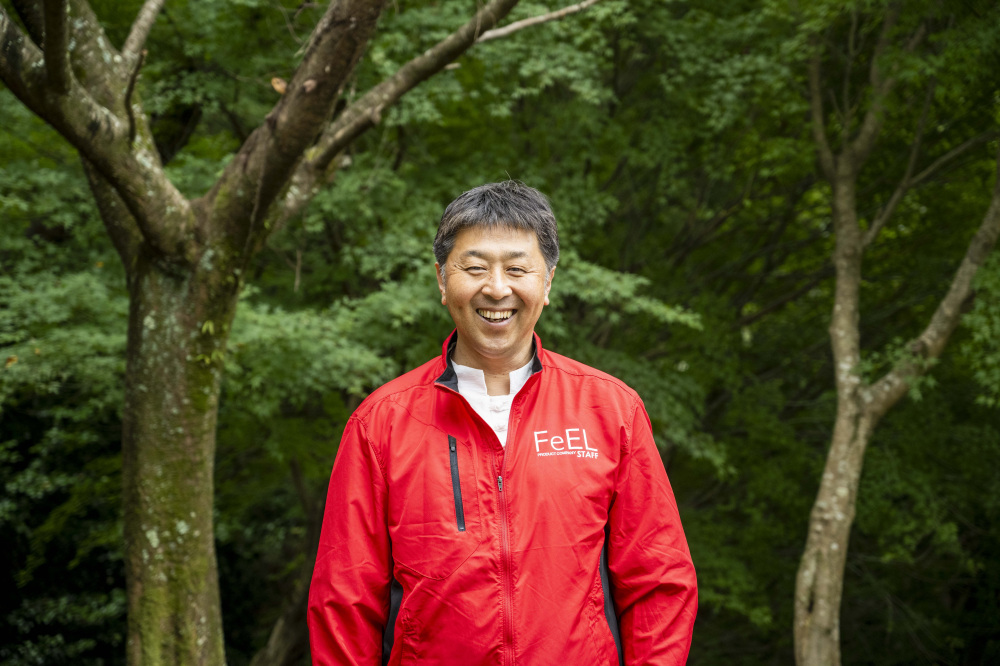
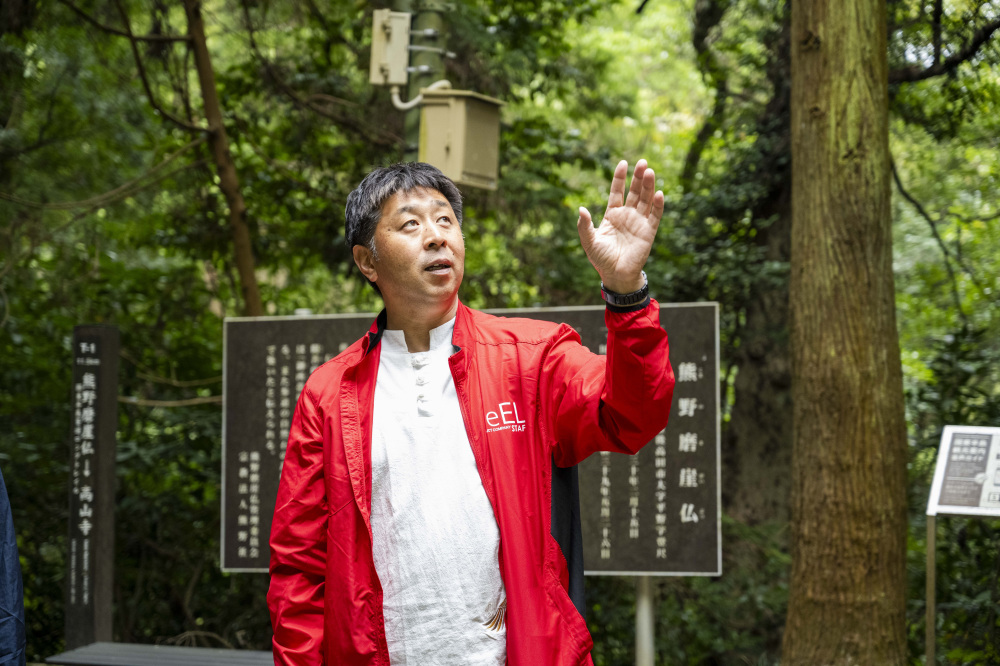
Tatsuhiro Ono, the Rokugo-Manzan culture guide who taught us about Shinbutsu Shugo, had the following to say:
"What I value most is conveying people's 'forms of prayer,' which have changed along with Japan’s history. The temple scenery spreading out before you was not there from the beginning. This land, once a harsh place of nature worship, took on its present form through its encounters with Buddhism. Even after being struck by many disasters, these landscapes and festivals have been preserved to this day because of the local populace's deep commitments. Here, every small path underfoot and each fallen tree is a storyteller of history. Kunisaki's heritage is the memory of nature and humans walking together, and it is a treasure of Japan. With the same passion as the local community, we hope to carry this 'flame' forward and pass it on to all of you, and to the children of the future."
Why not embark on a journey to experience the mysterious Shinbutsu Shugo culture that lies at the heart of the Japanese people?