Get a Taste of Oita's Umami & Hot Springs Savory, sweet, and hot springs beneath your feet
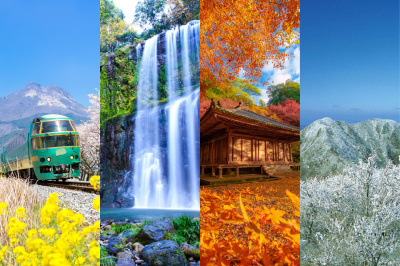
Down on the diverse island of Kyushu, Oita is waiting to give you the warmest of welcomes to Japan with an unforgettable foray into celebrated local activities and culinary specialties. From relaxing and rejuvenating in hot springs to enjoying regional food culture, experience the warmth of local people and culture through all five senses.
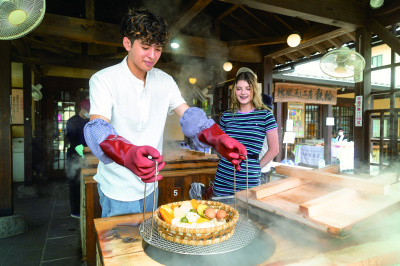
Blessed with an abundance of natural hot springs, Oita Prefecture has become Japan’s most famous destination for onsen hot spring getaways and a food culture that uses unique cooking methods like jigoku-mushi, the art of onsen steam cooking.
Much like the spring steam, rise each morning to new experiences, flavors, and relaxing soaks with a visit to Oita.
* Please note that the text shown on this page includes machine translations.
Welcome to Oita
The reason that Kyushu—and Oita Prefecture itself—has such a prevalence of hot springs is that this region has a number of active volcanoes, creating significant geothermal activity beneath the surface. As a result, it has the highest number of hot spring sources and the greatest volume of spring water in all of Japan, making it a must-visit destination for anyone looking to refresh body and mind in the famed mineral-rich waters.
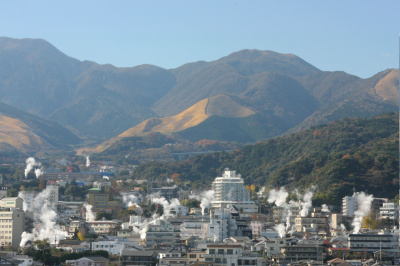
Within Oita, some of the most famous onsen hot spring destinations include Myoban Onsen, known for its traditional production of mineral-rich bath salts, and Beppu onsen town —perhaps Japan’s most famous hot spring region, including Takegawara Onsen—recognized globally for “Beppu’s Seven Hells,” featuring viewing-only springs of bubbling mud pools and colorful waters.
For more details on the Beppu sightseeing tour, read our article on the Beppu Jigoku Tour.
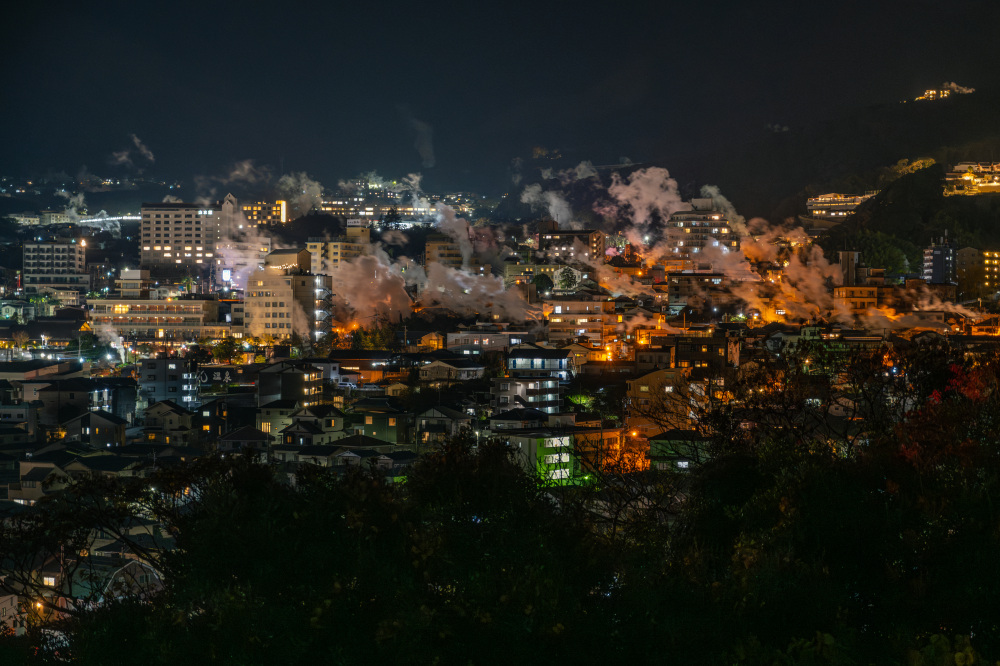
As you might have already guessed, there’s an onsen for every type of traveler and every type of desire. From softer skin to relaxing aching muscles and joints in the naturally heated, mineral-rich waters, Oita has a hot spring for every occasion. One aspect that doesn’t change, however, is onsen etiquette, so make sure you know the local hot springs customs to allow for a dilemma-free dip.
Here are just a few of our recommendations for the best onsen in Oita Prefecture.
Hot springs you need to visit
Before we welcome a few of our recommended Oita onsen, did you know that the hot spring waters aren’t all the same? Some are said to have moisturizing effects and improve blood circulation, while others provide relief from fatigue, shoulder stiffness, high blood pressure, and more. Discover the right onsen for you in Oita Prefecture.
Mikuma Hotel: Hita Onsen experience
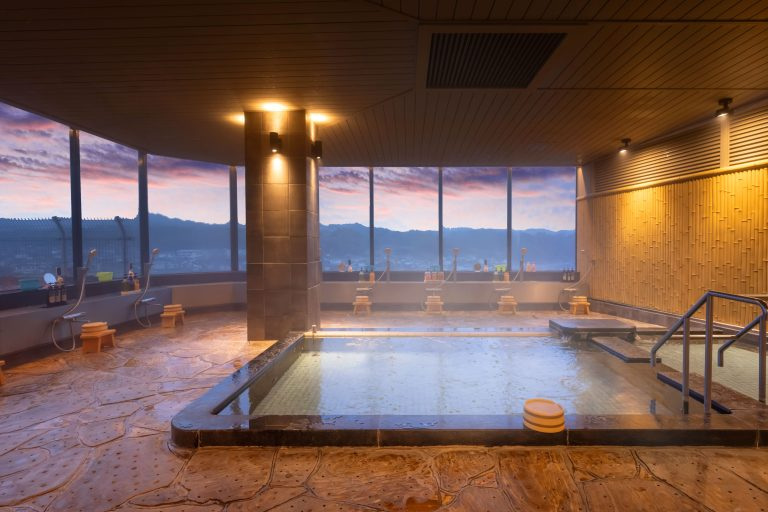
Soak in the natural, mineral-rich waters of Hita, known as the "City of Waters."
Located in Hita City—near the borders of Fukuoka and Kumamoto Prefectures is a historic onsen area that has been cherished for centuries: Hita Onsen.
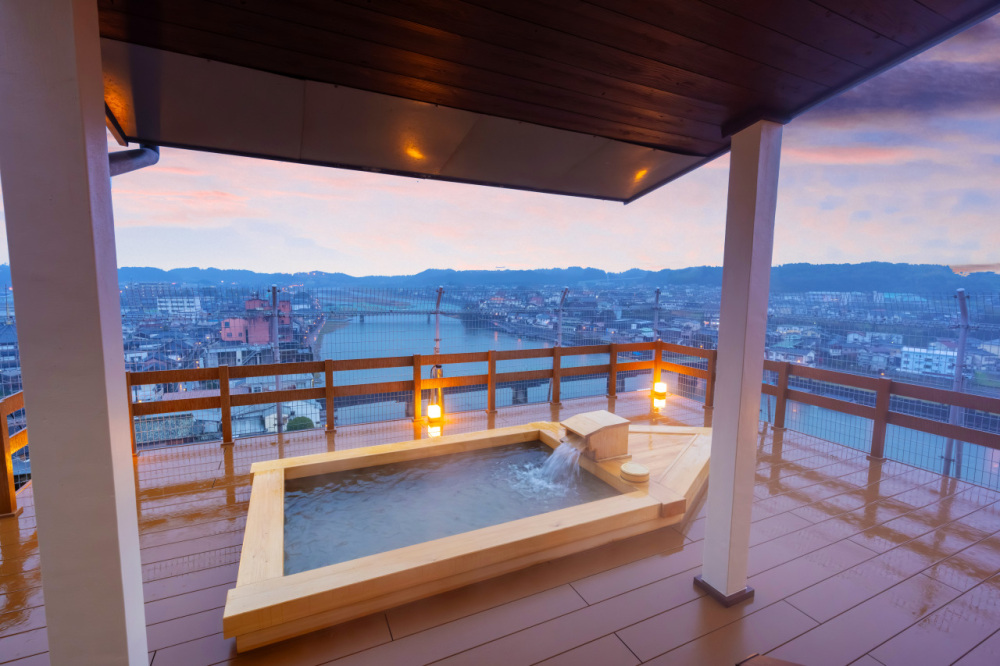
Its waters are said to be effective for rheumatism, neuralgia, and fatigue recovery, leaving skin feeling smooth after bathing. It is also popular as a hot spring with ties to good fortune in fertility.
What makes this onsen town particularly memorable is the scenic Mikuma River, which runs through the center of Hita Onsen and offers a backdrop of gentle, flowing waters. Watch as all your stresses float along the ryokan inn-lined banks of the river, disappearing into the misty mountains that surround this region.
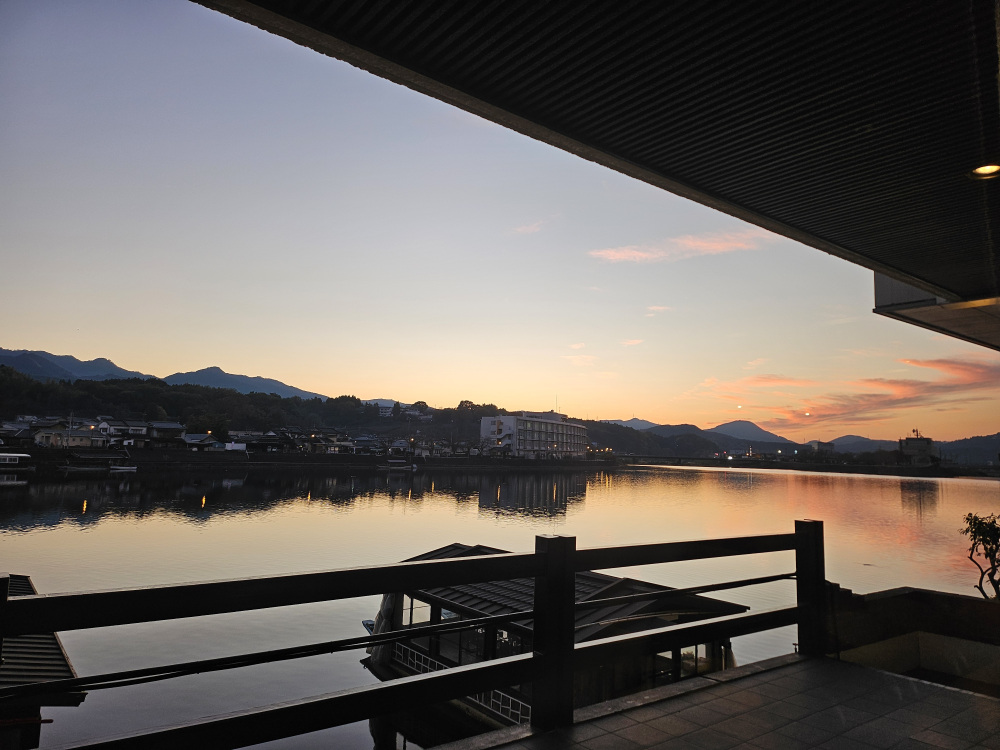
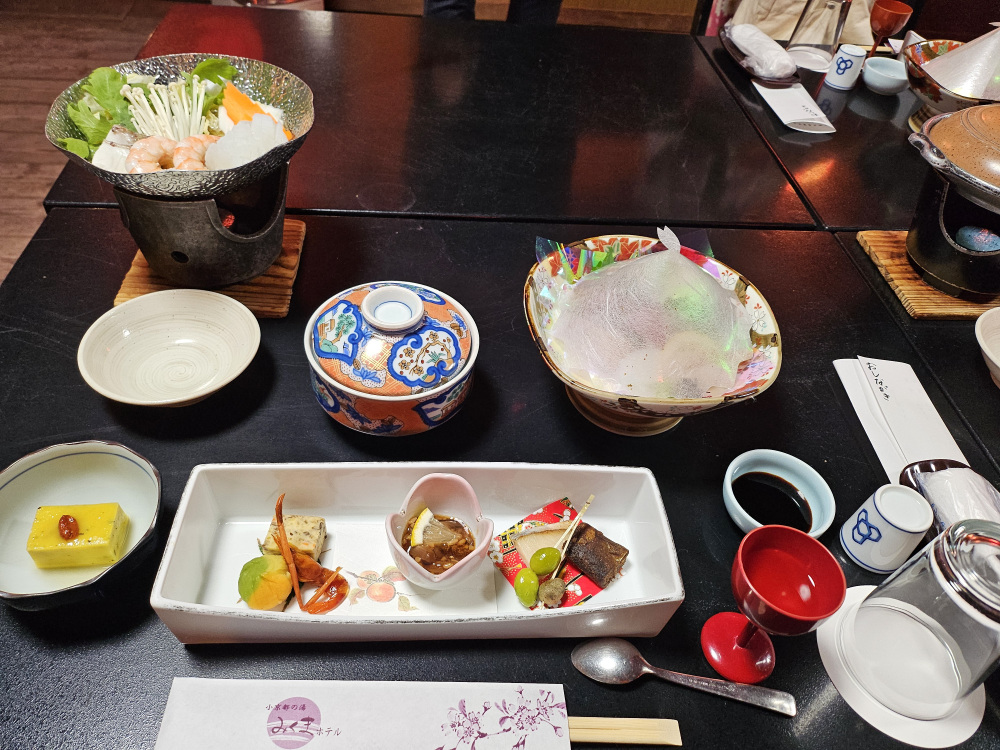
If the waters of Mikuma River look simply too inviting to remain on land, take to its surface on a yakatabune (traditional houseboat) and indulge in a multi-course kaiseki dinner, revealing course after course of local seasonal ingredients and delights.
Yufuin Onsen Town
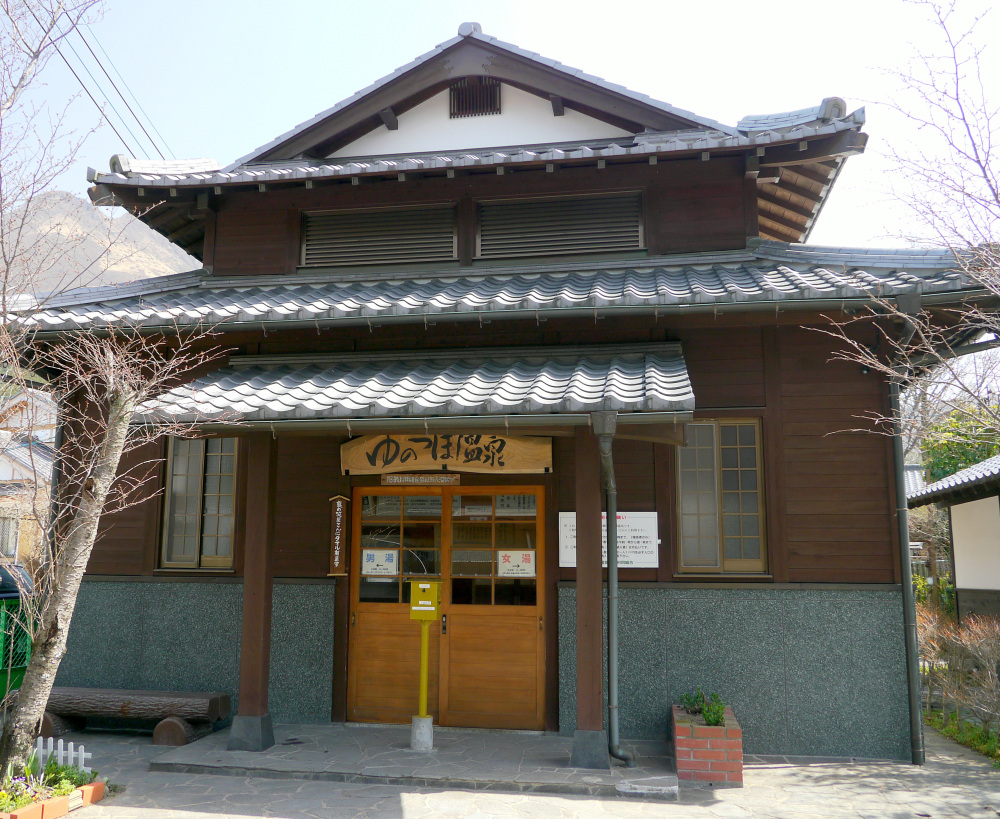
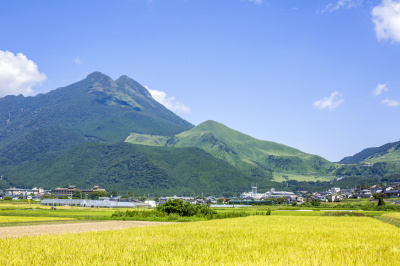
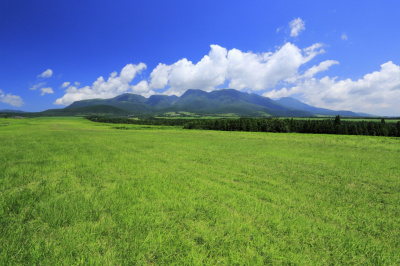
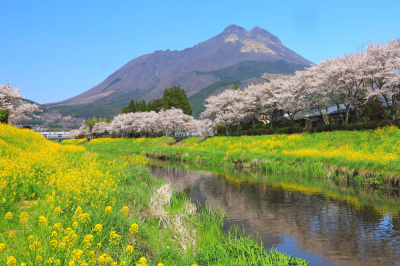
Set against beautiful rural scenery, Yufuin Onsen Town is one of Kyushu’s most beloved hot spring towns. The area is renowned for its picturesque views of Mount Yufu, which rises gently above fields, lakes, and farmland.
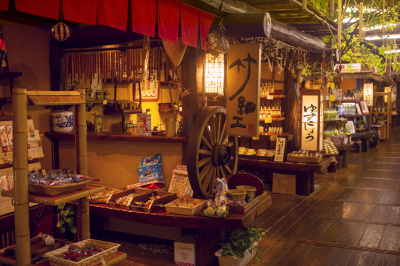
Yufuin has a range of onsen waters for all skin types and ailments, from skin-revitalizing acidic waters to the exfoliating nature of alkaline waters and beyond. In addition to its relaxing baths, Yufuin features a lively shopping street lined with cafes, boutiques, and art galleries. Visitors can enjoy locally made sweets, handcrafted goods, and contemporary art while strolling at a gentle pace.
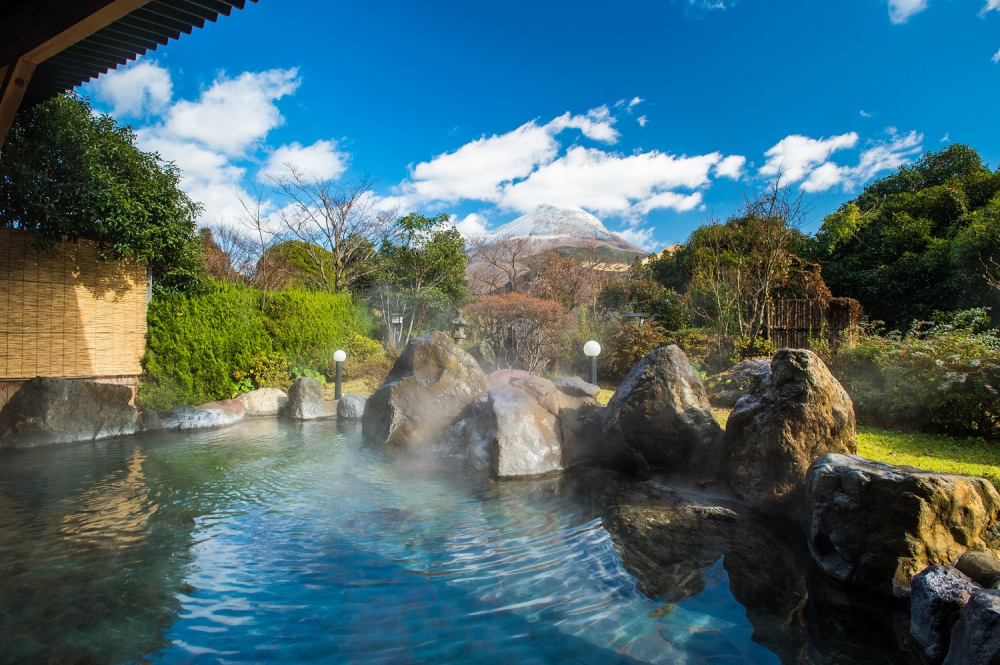
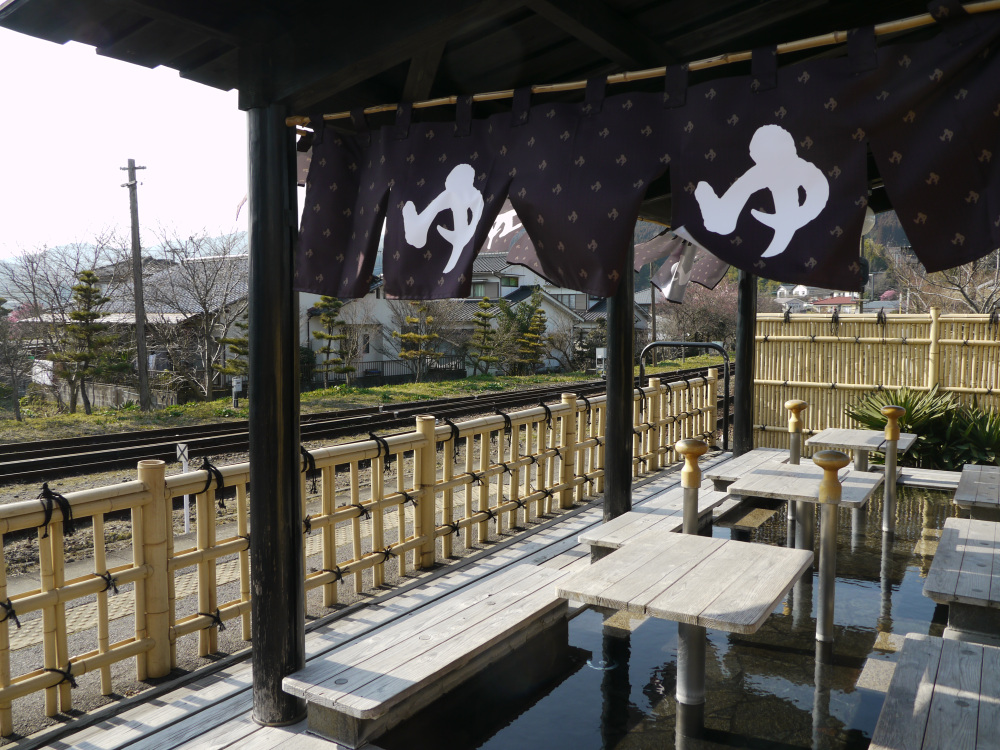
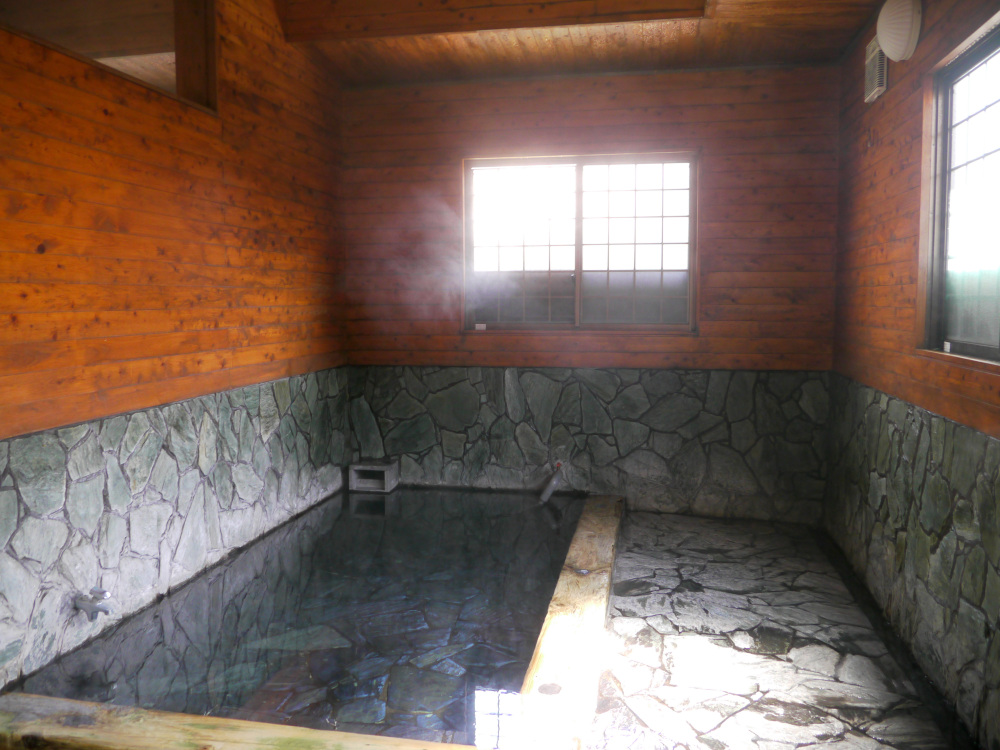
Unlike larger onsen towns, Yufuin maintains a peaceful, refined atmosphere that blends nature, culture, and relaxation. Whether soaking in an open-air bath or enjoying the scenic landscape, Yufuin Onsen Town offers a calming escape that feels both intimate and inspiring.
Beppu Onsen
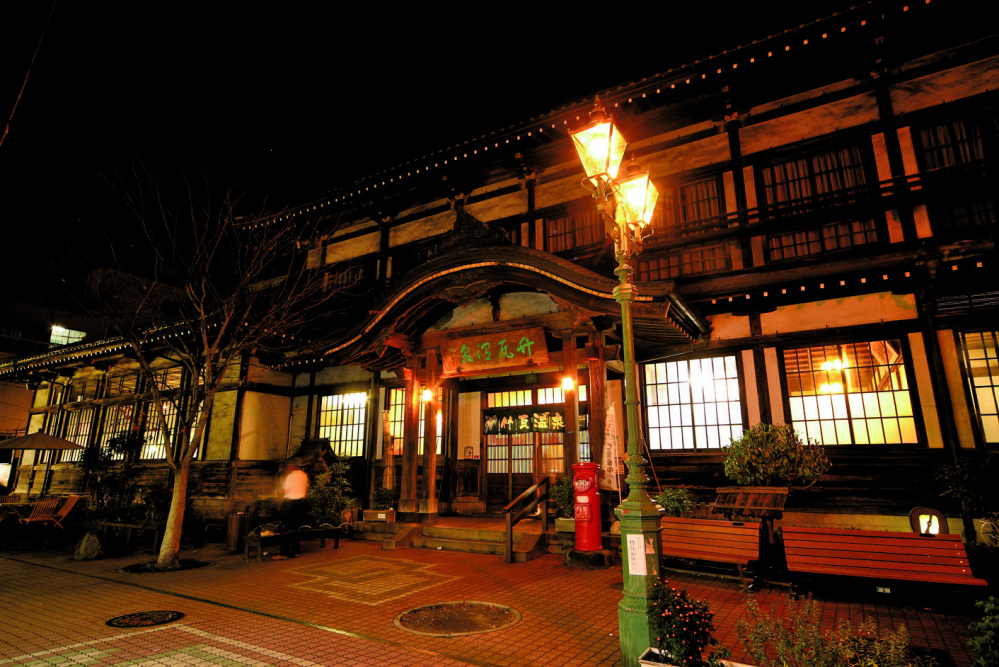
Beppu Onsen is the most famous hot spring town in Japan and a symbol of the country’s rich bathing culture. Located along the coast of Oita Prefecture, Beppu is known for its impressive volume of hot spring water and its eight distinct hot spring areas, collectively called the Beppu Hatto.
Each area has its own character, offering everything from traditional bathhouses to sand baths and steam baths. Beyond soaking, Beppu is also famous for its dramatic geothermal scenery, including colorful steaming ponds known as the “Hells of Beppu.”
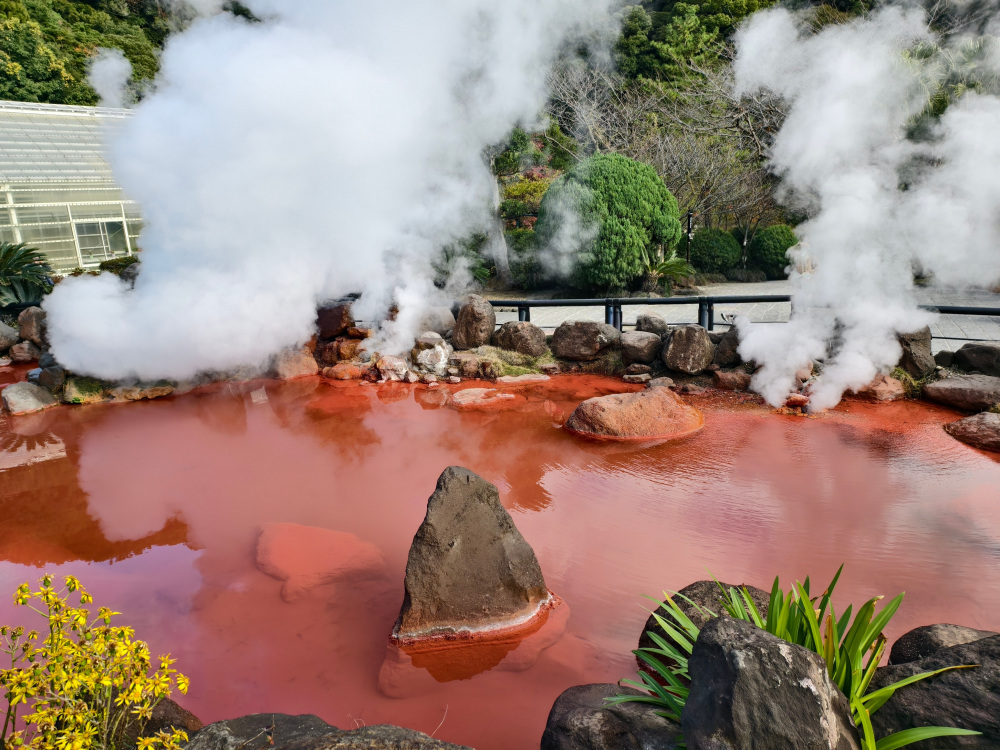
The town blends historic bath culture with a lively urban atmosphere, featuring restaurants, shops, and scenic seaside views. Whether you are a first-time onsen visitor or a seasoned traveler, Beppu offers a diverse and unforgettable hot spring experience unlike anywhere else in Japan.
Saiki Yayoi-no-yu
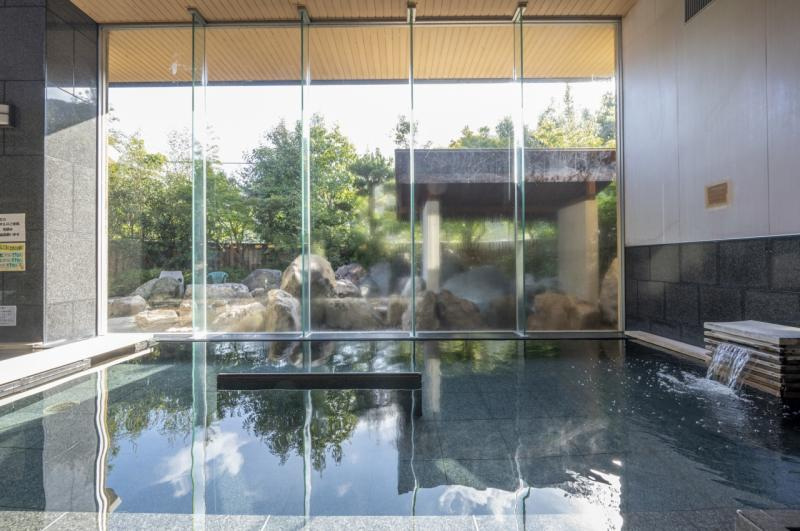
Saiki Yayoi-no-yu is a modern bath and spa facility that combines the comfort of a public bath with the variety of a wellness center. Designed for both relaxation and refreshment, the facility offers multiple warm and cold baths that help ease muscle tension and improve circulation.
One of its standout features is the availability of two distinct sauna types: a traditional Japanese sauna and a Finnish sauna, allowing visitors to choose their preferred style of heat and relaxation. The welcoming atmosphere makes it popular with both locals and travelers looking for an authentic, accessible bathing experience.
Oita’s specialties: Savory & Sweet
Once your body and mind are suitably relaxed, you might hear a distant grumbling from your stomach. That must mean it’s time to experience Oita’s rich, umami-filled savory dishes!
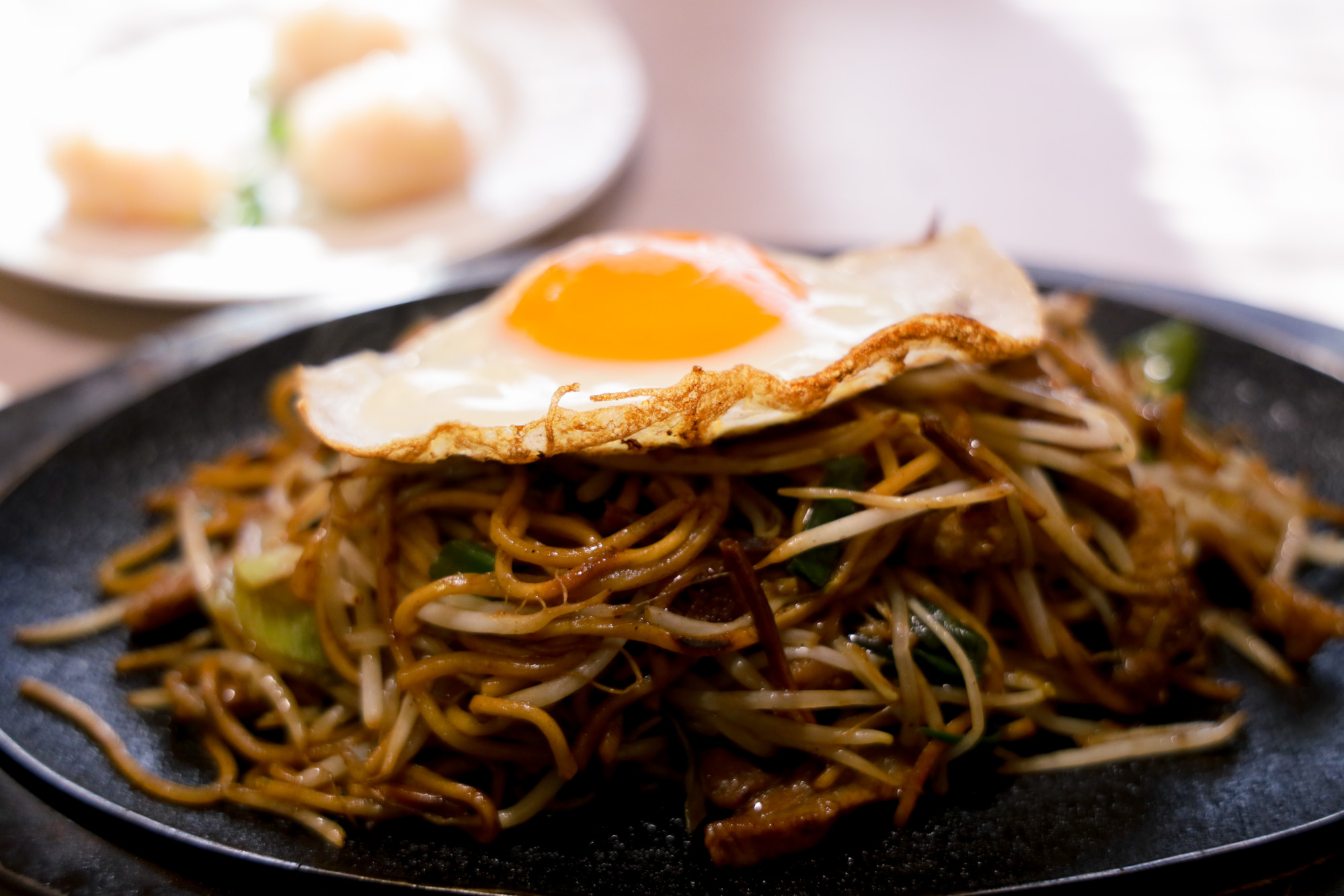
Yakisoba at Sofuren Sohonten
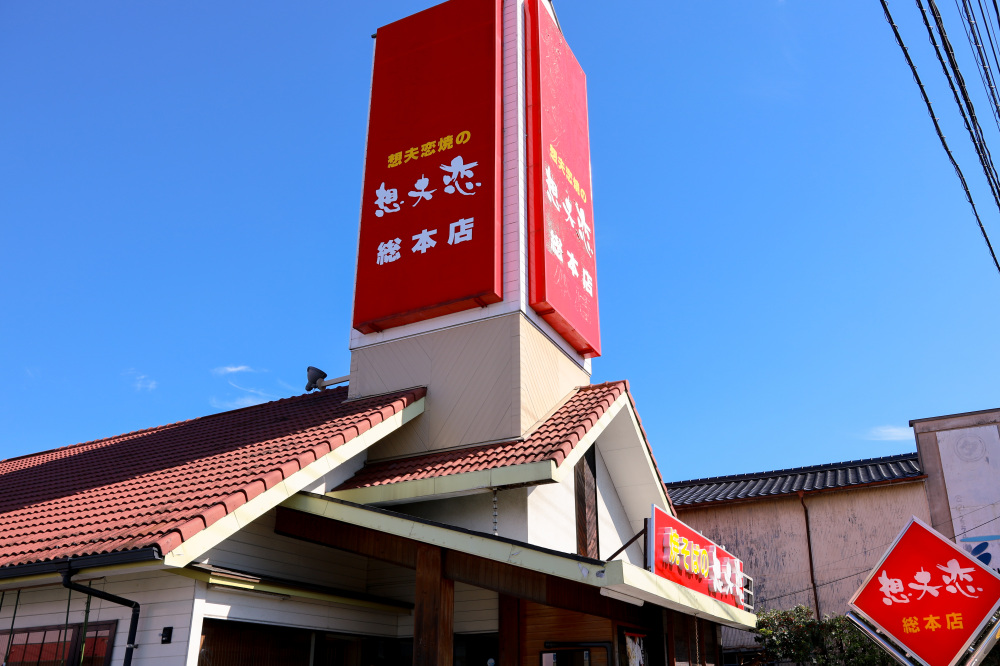
If you’ve been to Japan before, you’ve likely already tried the comforting flavors of yakisoba fried noodles. This humble dish paints a picture of a cozy Japanese home or intimate izakaya bar, sipping on a crisp beer or warm sake after a long day and digging into this hearty dish.
Even so, we can guarantee that you’ve never tried yakisoba quite like that of Sofuren—a chain of Oita-style yakisoba restaurants born in Hita City and reaching as far as Tokyo and Osaka—where you can expect a line of people waiting outside even on your average weekday lunchtime.
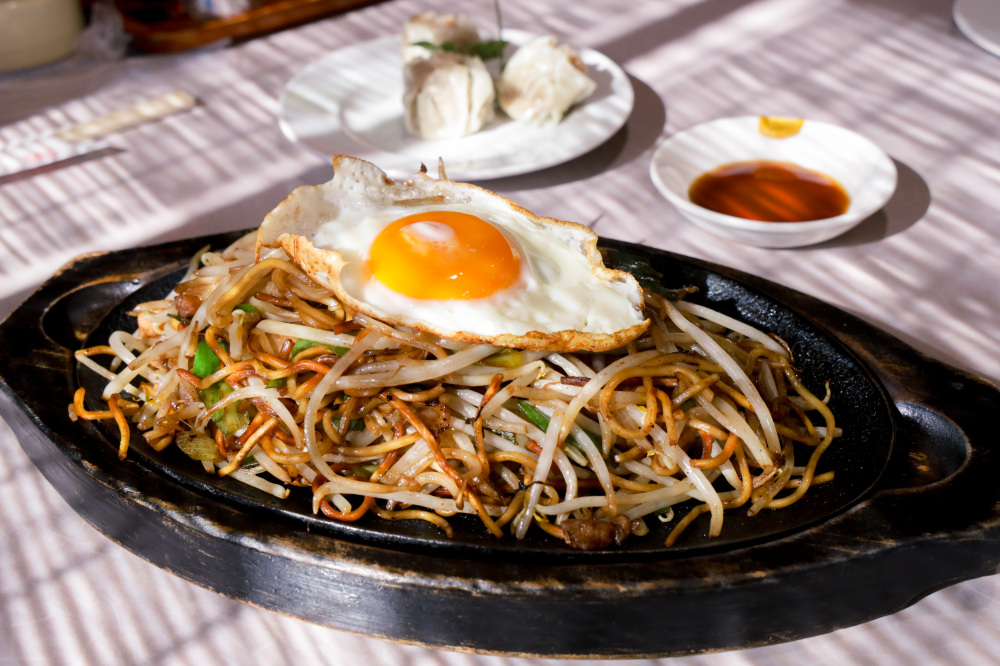
Though some yakisoba can feel somewhat heavy and greasy, Sofuren’s fried noodles are mild and well-balanced, and extremely generous with their bean sprouts. Served in a dish that retains the heat and continues to cook as you eat, you’ll also be blessed with a mouthwatering mix of textures as the noodles become extra crispy and the bean sprouts gain extra crunch.
Alongside your main dish, you can also choose from a variety of toppings and sides, including raw and fried eggs, extra bean sprouts, and a range of juicy shumai dumplings. Since you’ve come all this way to the origin of Sofuren, it’ll be hard to resist…
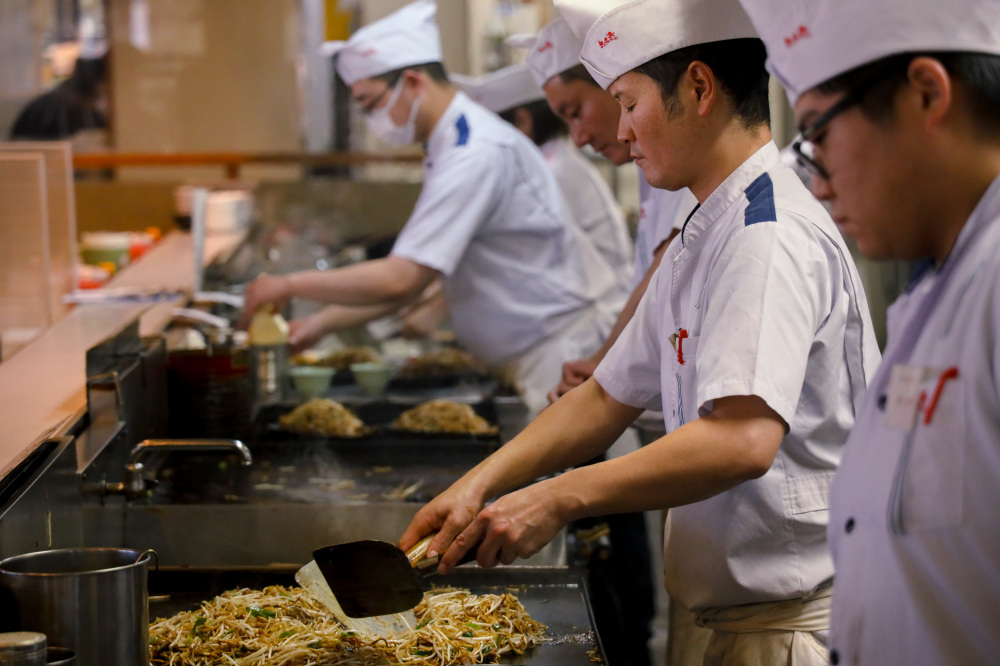
With views directly into the live kitchen and locals chatting and enjoying their meals all around you, you’ll feel immersed in the warmth of Oita from your very first meal.
If you’re taking public transportation, the nearest bus stop is Hita Business Park Bus Stop (日田営業所) on the southward Fukuoka Airport Line. From there, it will take you an eight-minute walk to reach noodle nirvana. However, a rental car or taxi is highly recommended for ease.
Karaage fried chicken in Nakatsu & Usa
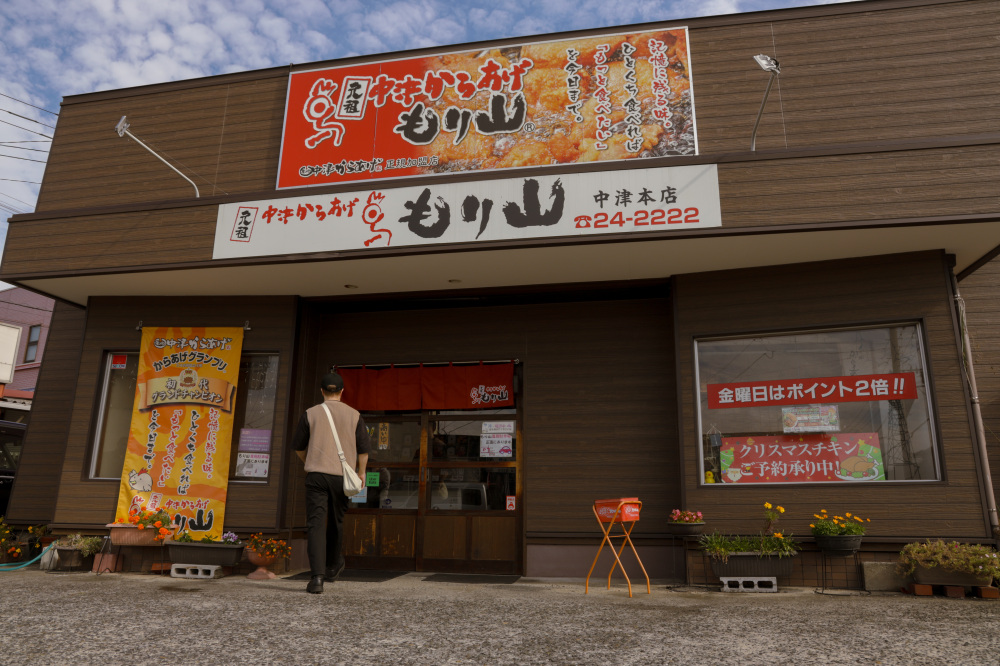
Next up, we’ve got karaage fried chicken from not one, but two renowned Oita spots. First up, there’s Nakatsu Karaage Moriyama (中津唐揚げもり山), a cozy local eatery that keeps things simple—something that’s clearly working for them, considering the wall of trophies and awards that greet you as you enter, recognizing the deliciousness of their karaage.
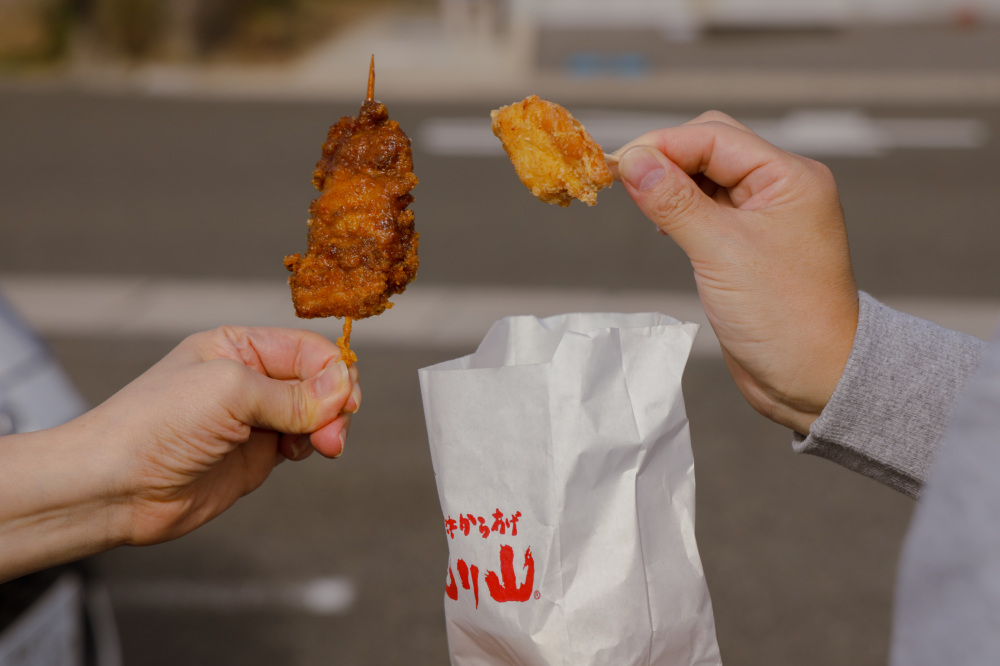
Renowned for its delicate seasoning and perfectly marinated, crispy chicken, it’s no wonder the place is a favorite of many locals, keeping diners guessing with cuts of chicken that vary by day. Some opt for the simple perfection of the Karaage Set Meal, serving fried chicken with rice, miso soup, and pickled vegetables, while others prefer to get their chicken to-go, enjoying every bite with one of Oita’s scenic backdrops.
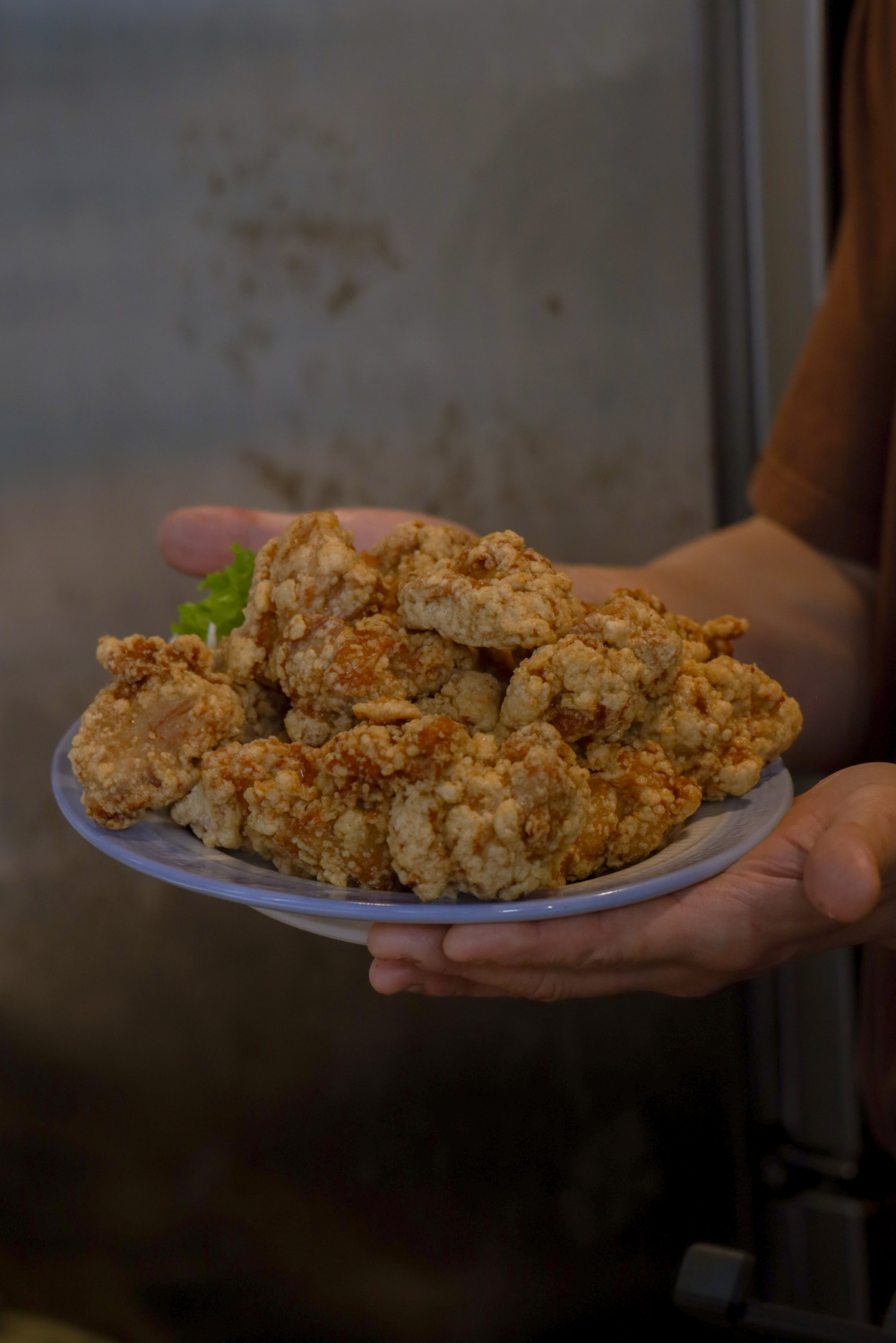
Not quite satiated your need for fried chicken? Don’t worry—now we’re heading to Tenkatori (天下とり), where an equally addictive and award-winning taste of fried chicken awaits. What sets Tenkatori apart is their secret soy sauce-based sauce, made with over a dozen spices, which has remained unchanged since the restaurant opened in 1988. Why mess with perfection, after all?
This tried-and-tested combination of spices has also been designed to ensure that the fried chicken remains irresistible even as it cools, allowing you to save any leftovers for a crunchy karaage snack later in the day.
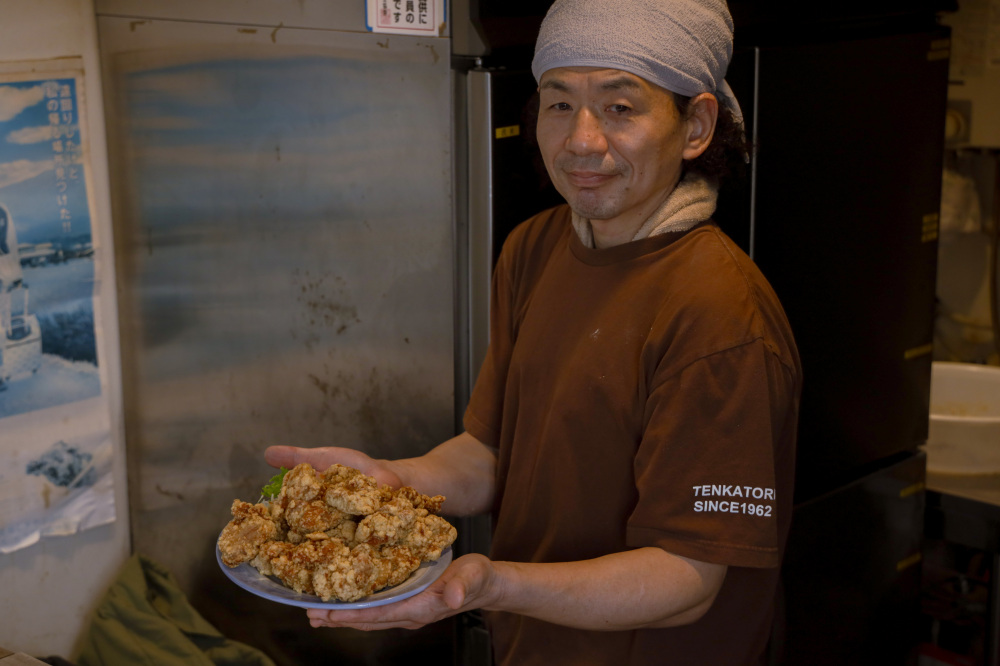
Offering a variety of options, including boneless, bone-in, wings, thigh, and even gizzard, you can truly savor every type of juicy, deep-fried chicken in Usa City, said to be the birthplace of fried chicken specialty restaurants in Japan.
Ironically, though “Usa” is pronounced as “oo-sa,” Tenkatori does have a branch in the US. So, if you happen to be wandering around LA and catch a heavenly aroma of fried chicken on the wind, you might have just discovered Usa City’s most exquisite export.
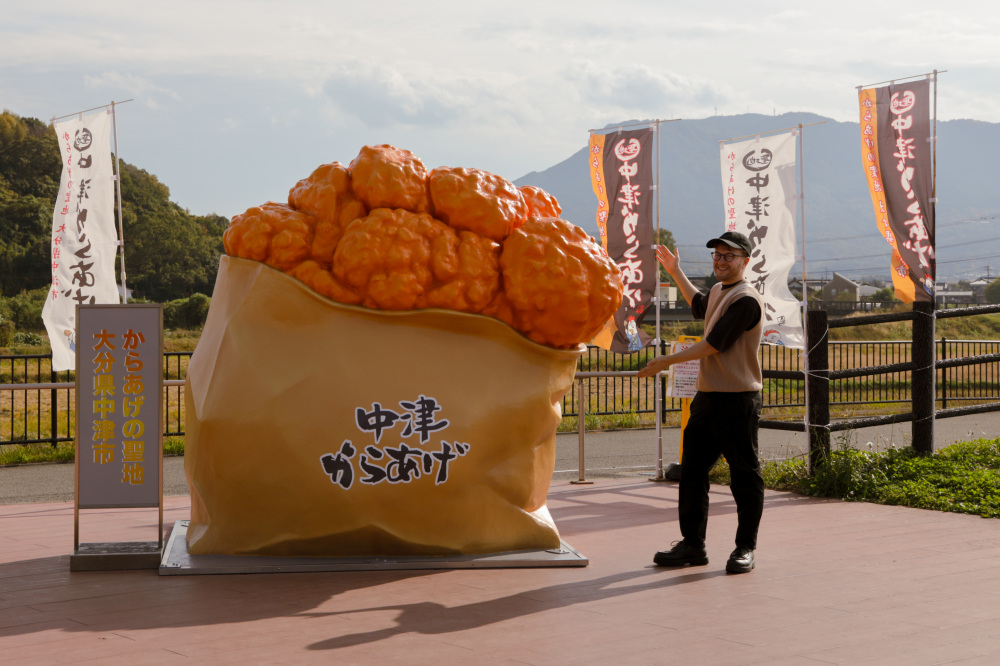
Whether you stop by Nakatsu Karaage Moriyama in Nakatsu or Tenkatori in Usa City, you’ll be stepping onto hallowed ground for fried chicken, both famous as part of the "holy land" for karaage. Make sure you make a stop at the Nakatsu Karaage Monument at Nakatsu Roadside Station before you leave!
Nearby attraction: Usa Jingu
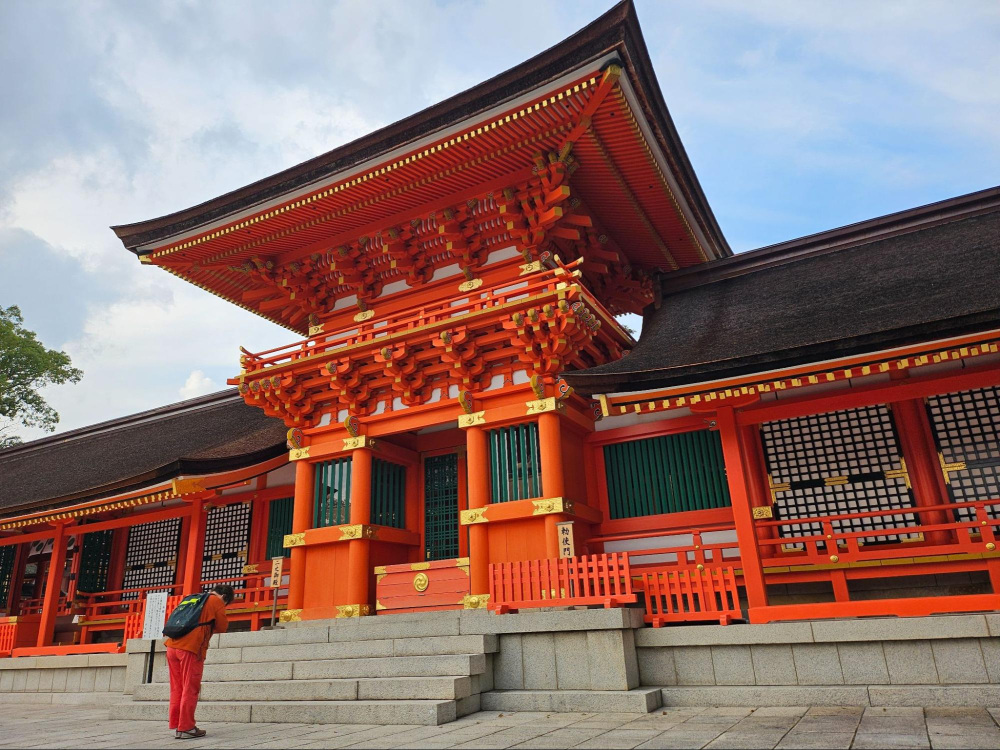
For a short break from the delicacies of Oita Prefecture, head to nearby Usa Jingu shrine for a vermilion-shaded wander into the past. Founded in 725, these expansive grounds boast a 1,300-year history and multiple shrines—the Upper Shrine (Jogu) and Lower Shrine (Gegu), both dedicated to the same three deities.
The shrine’s official name is the Usa Hachimanjingu, and it serves as the head shrine for the 40,000 Hachiman shrines spread throughout Japan. As if that weren’t acclaim enough, Usa Jingu is also considered to be the birthplace of mikoshi, a sacred religious palanquin (sometimes called a “portable Shinto shrine”) that serves as the vehicle to transport a deity between the main shrine and a temporary shrine.
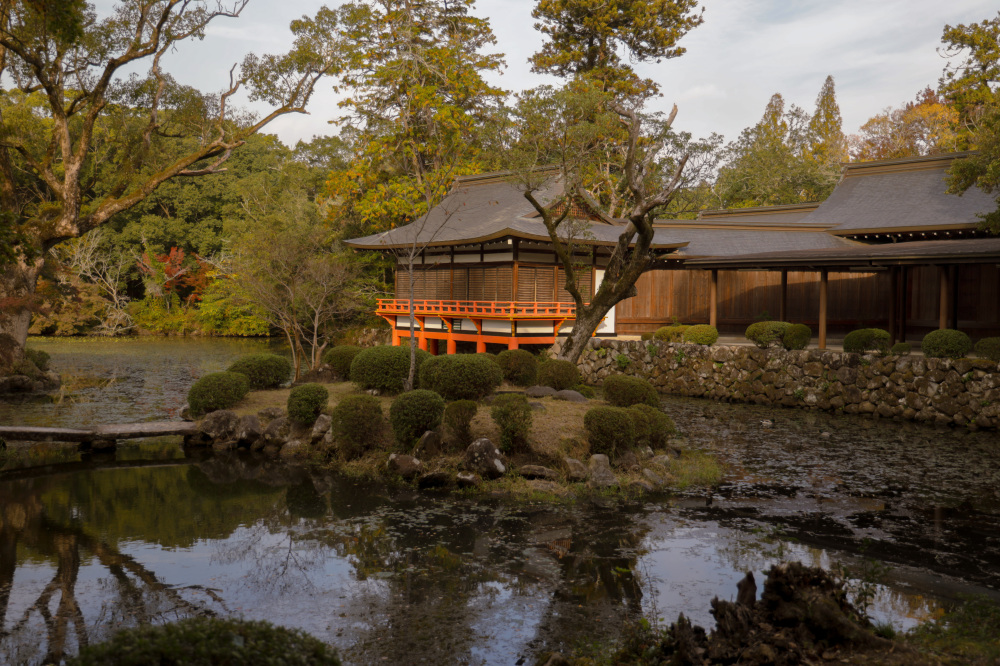
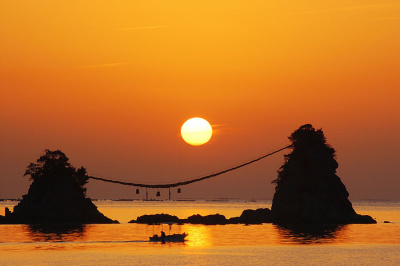
You’ll certainly find yourself transported as you stroll through the aromatic pine forests of these shrine grounds, passing the tranquil waters of Hishigata Pond, the lavishly roofed Kure Bridge, the Treasure Hall—displaying significant cultural artifacts—and the Meoto Iwa (Husband-and-Wife Rocks), believed to bring happiness when stepped on.
Has all that walking built up your appetite for more of Oita’s best foods? Let’s move onto our next umami-filled spot.
Tofu Atelier & Restaurant Hanabishi
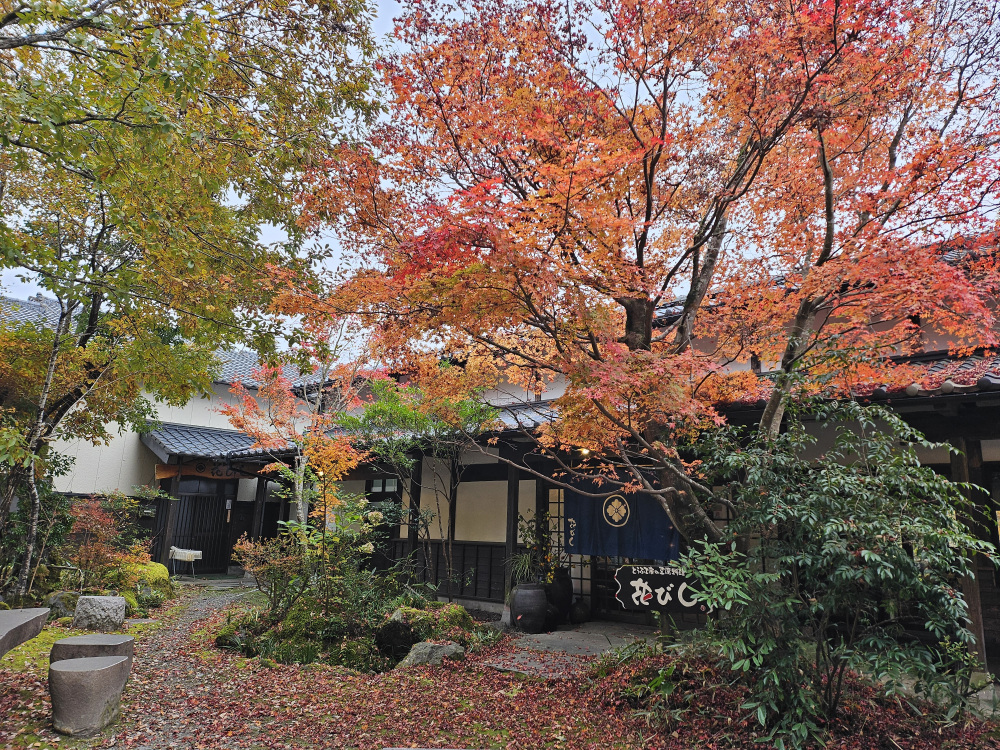
Now let’s take a walk on the plant-based side of Japanese cuisine at Tofu Atelier & Restaurant Hanabishi, where you can discover the true diversity of tofu in a traditional Japanese restaurant, surrounded by Mt. Kuju's serene nature.
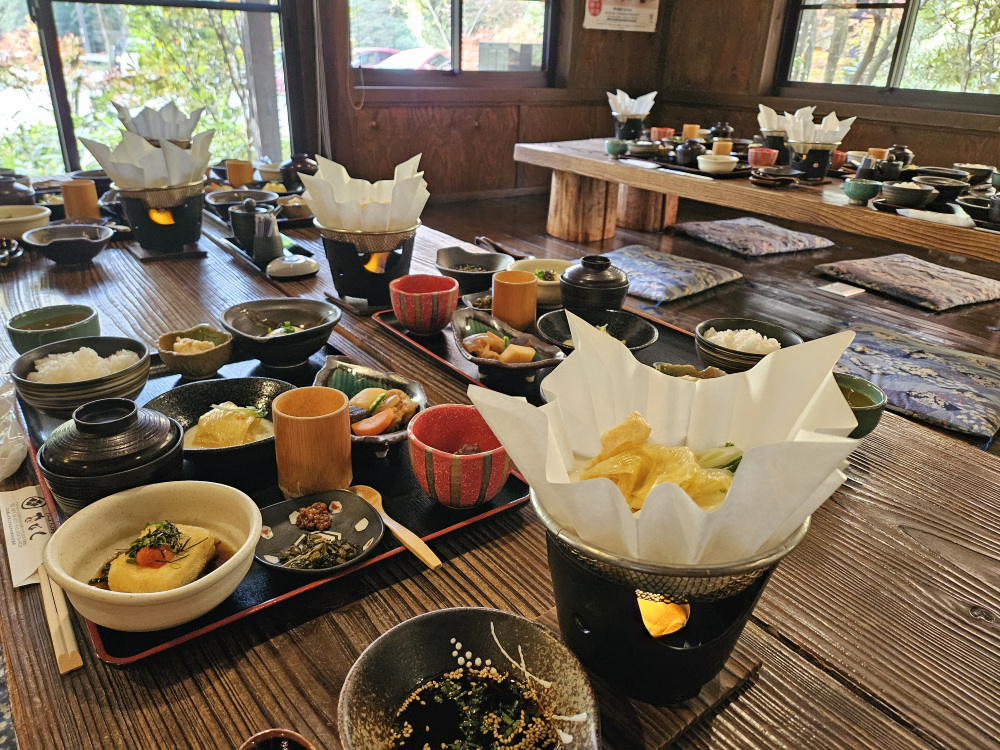
For a journey through all the different flavors, textures, and even temperatures of tofu, choose the Hanabishi Set Meal (花びし定食). You’ll get to experience everything from the traditional hiyayakko cold tofu and deep-fried agedashi tofu in a dashi-based broth to creamy, mashed tofu, vitamin-packed yuba tofu skin, and the real star of the show, yudofu silken tofu, gently bubbling away in a kombu-flavored hot pot.
Paired with fluffy rice, warming miso soup, steamed vegetables, umami-filled chawanmushi (Japanese savory steamed egg custard), and a seasonal dessert like zenzai red bean soup with mochi, you’ll find yourself more satisfied than you might think.
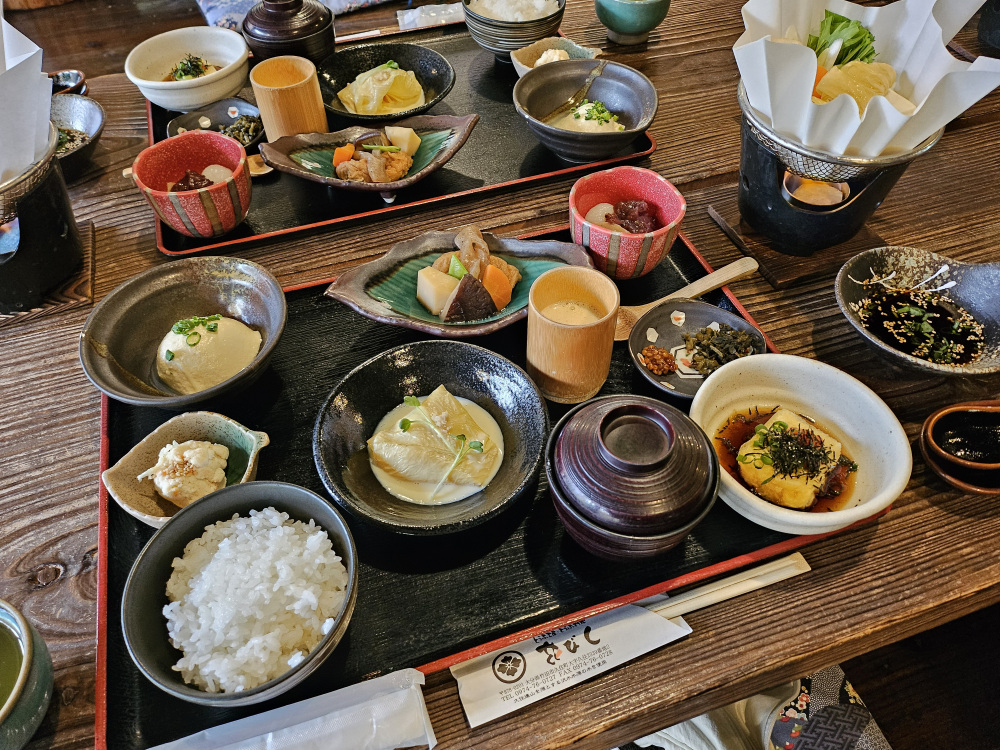
That’s the power of tofu that’s been cultivated in the fresh spring water of Oita’s Kuju Mountain Range.
Got your fill of Oita’s savory dishes? Let’s dig into some sweets.
Amamichaya
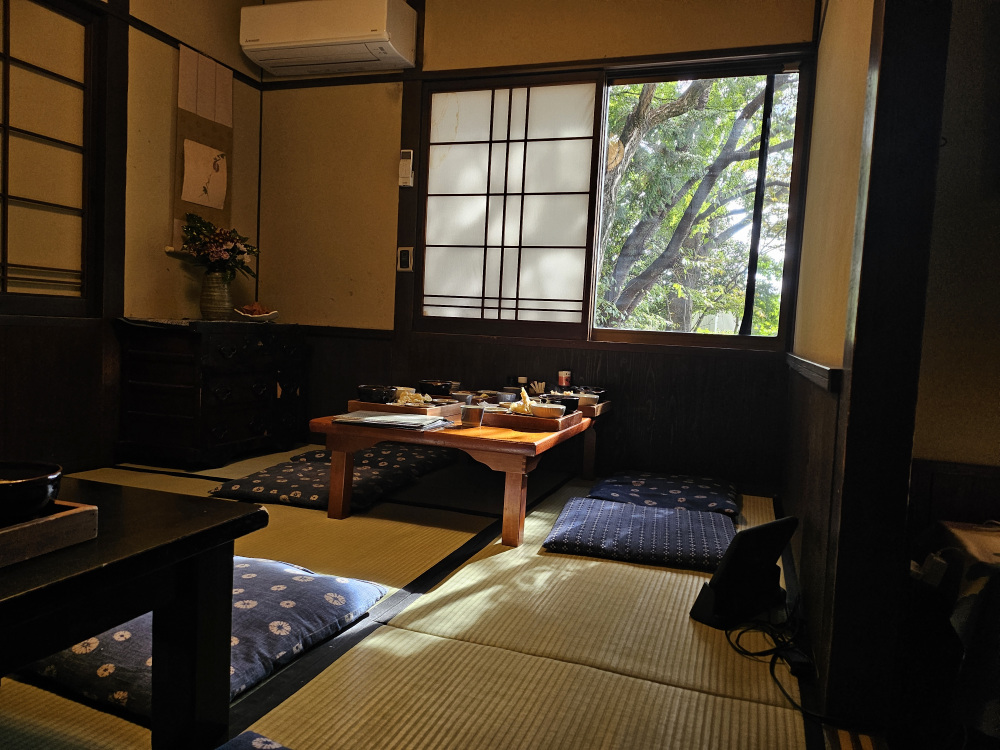
Set in a nostalgic, traditional teahouse, Amamichaya is famous for its heartwarming dango-jiru noodle soup and yaseuma, hand-stretched dumplings covered with soybean flour. The dango soup set meal comes with both, giving you a front-row seat to two of Oita’s memorable regional dishes.
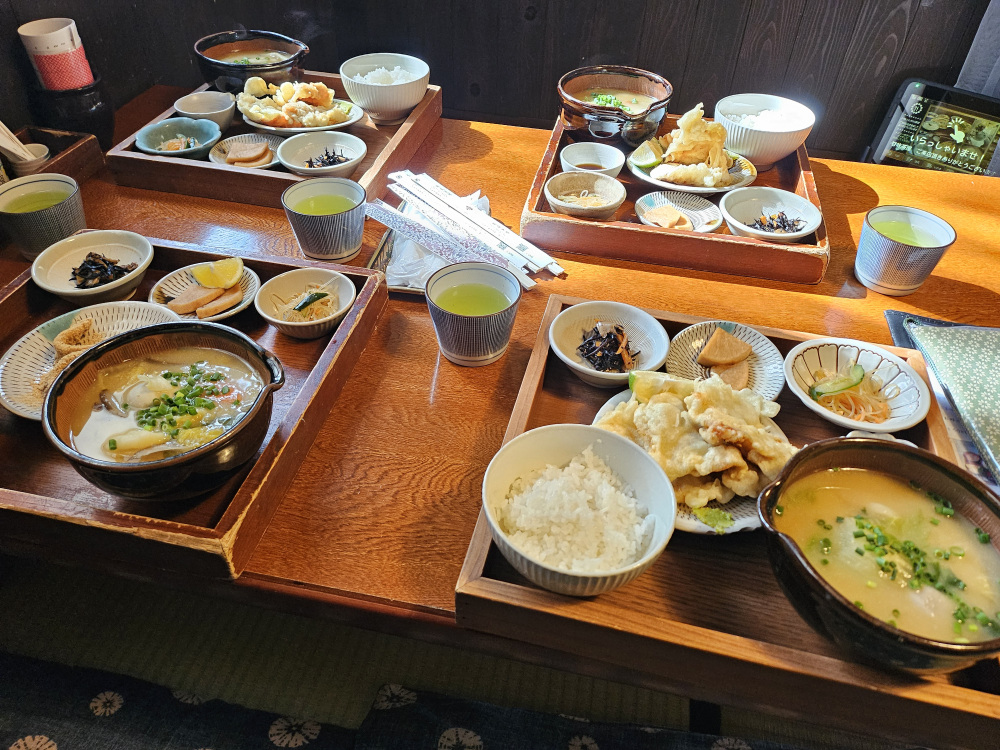
Served in a flavorful miso broth alongside tender pork and fresh vegetables are the uniquely thick, chewy noodles that Oita is famous for—closer in texture to mochi rice cakes than normal noodles, and handmade for each order. As you chew, the relaxing atmosphere of this historic teahouse will surround you, from its tatami floors to its leafy views.
Amamichaya also serves Beppu’s regional specialty of toriten chicken tempura, encasing juicy pieces of chicken in a light, crispy batter. Available in servings of three or six pieces, you may need to try this before you leave, or give yourself a reason to visit again soon…
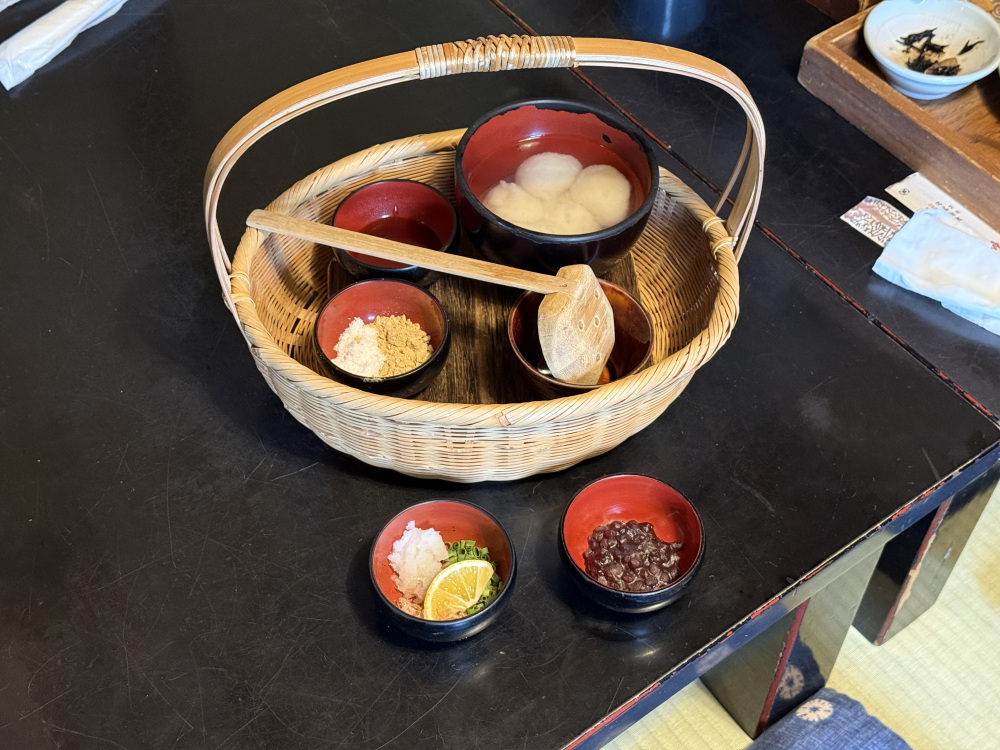
As a specialty spot for sweets, make sure you save room for the traditional, delicate desserts on offer. The most famous local treat is the previously mentioned yaseuma, in which the same hand-stretched dumplings from the miso soup are covered with soybean flour. It is a simple, subtle sweetness that captures generations of Japanese culinary tradition in every bite. Their freshly pounded mochi is also a must-try dessert, combining chewy rice cakes with homemade anko red bean paste and more.
Okamotoya’s Jigoku-mushi®Pudding
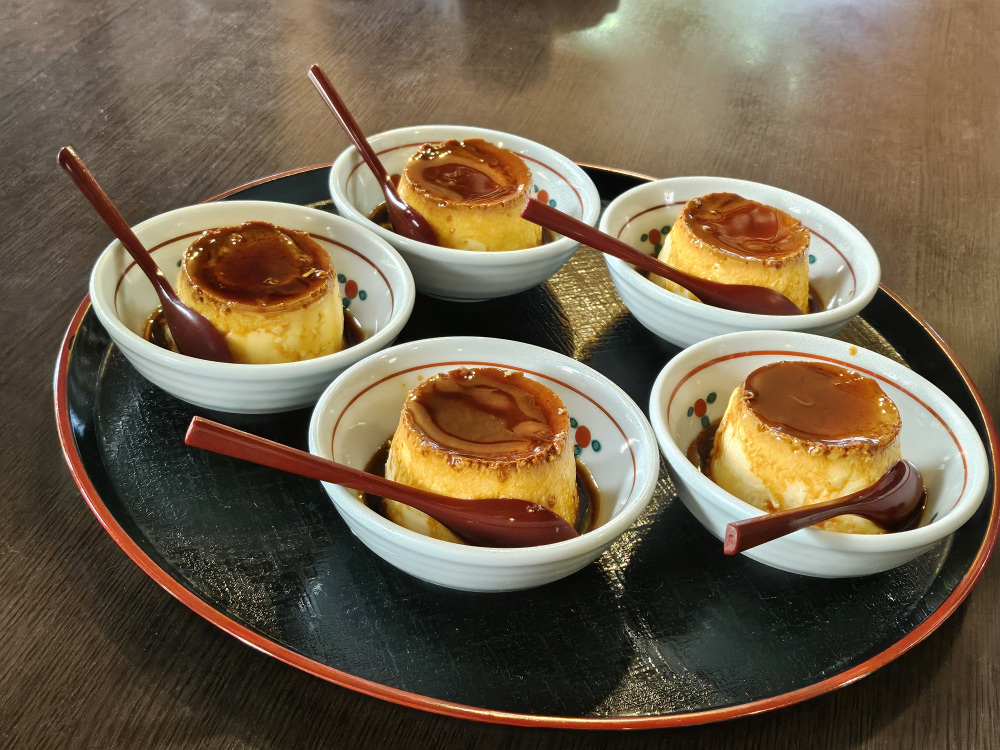
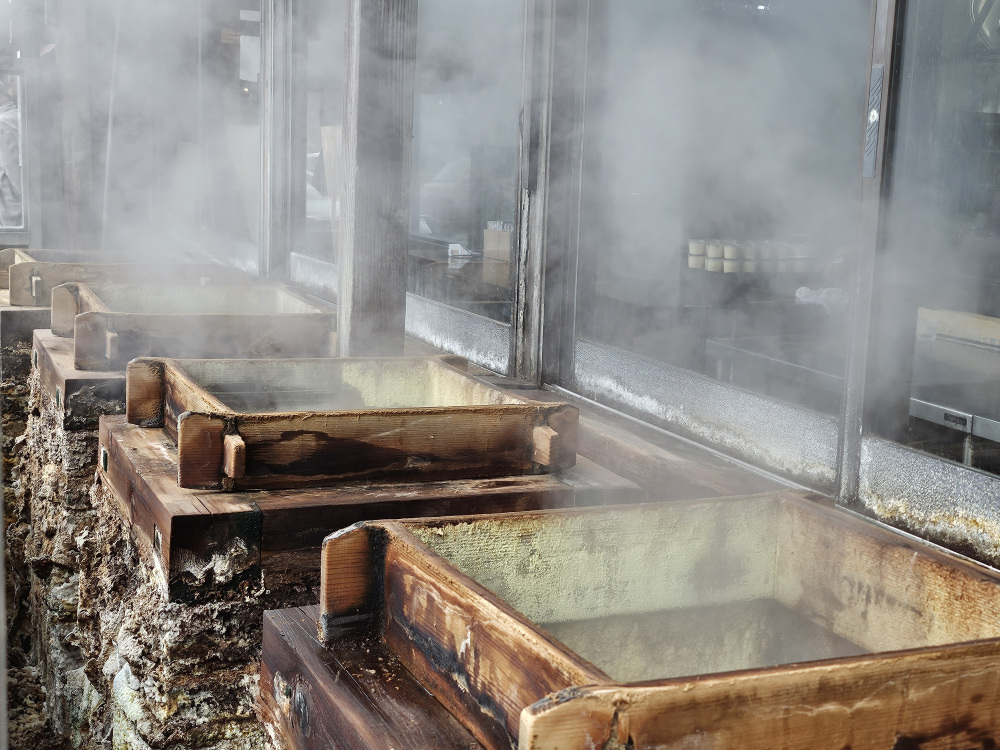
Set against the steamy hills and hot spring baths of Beppu—with just a hint of the hot spring’s sulphur floating on the breeze—is Okamotoya, using the traditional method of jigoku-mushi (“hell steaming”) cooking since 1988. This is a traditional cooking method from Beppu City, using high-temperature, mineral-rich hot spring steam to cook ingredients. Here, you’ll truly "Taste the strength of magma."
If you’re here for a savory dish, you may be tempted by handmade Sanuki udon—a specialty that made its way over from Kagawa Prefecture, previously known as Sanuki, located on the northeast of Shikoku—pork or chicken tempura curry, curry udon, “hell onigiri” rice balls, and a variety of “hell-steamed” dishes, including the humble onsen-tamago, whereby an egg is boiled by the naturally occurring steam of the underground springs.
As delicious as all of these may be, we’re here for the sweets! Move over to the sweet side of the menu for Okamotoya’s Jigoku-mushi®Pudding. This is an elevated twist on Japan’s traditional purin pudding, resembling the Western crème caramel or “flan.” At Okamotoya, however, each pudding is handcrafted and packed with the spices of the hot springs, giving it a pleasantly bitter, rich flavor—like burnt caramel. This is Okamotoya’s spotlight dessert for a reason.
Though you may be able to buy Japan’s famous purin across the country, waiting on the refrigerated shelves of every convenience store, none will taste quite as luxurious as this.
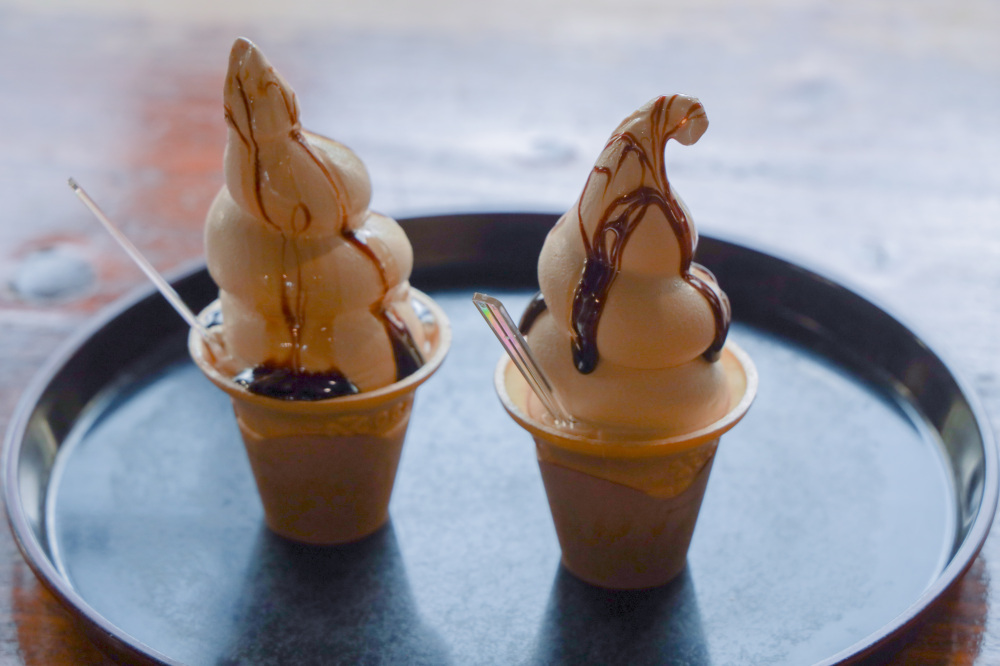
While they’re most well known for the smoky Okamotoya’s Jigoku-mushi®Pudding, another must-try on the menu is their purin soft cream. This ice cream is an addictive creation of purin-blended ice cream, giving you all the same burnt caramel bonanza as the purin, but served in a swirl of ice cream and smothered in caramel sauce.
These are nature-cooked creations worth traveling for.
Drinks worth pairing in Oita
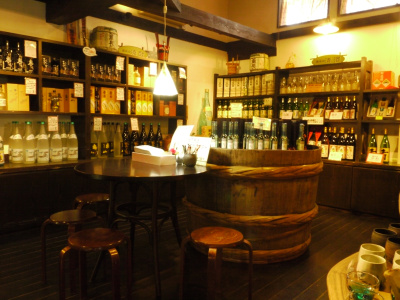
Kuncho Sake Brewery
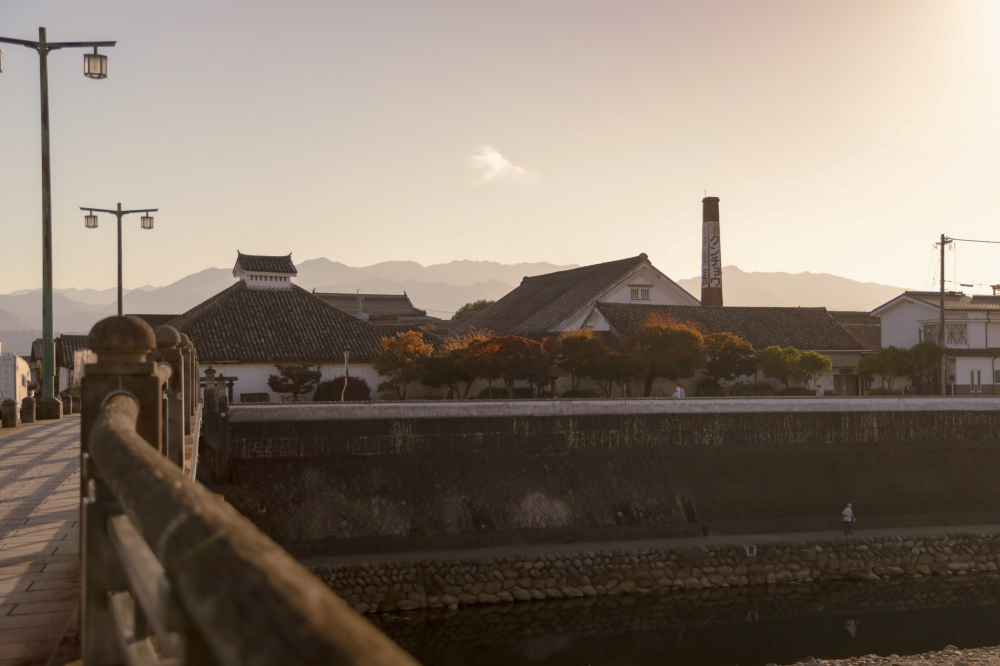
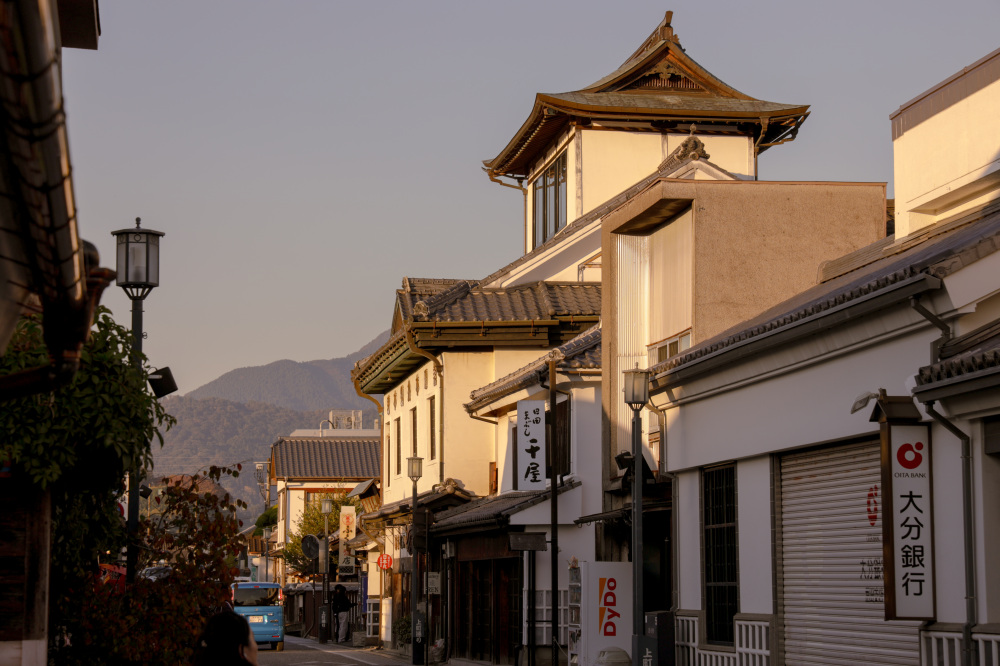
Within walking distance of the charming Mamedamachi Shopping Street, inviting visitors to purchase local wares, taste Oita delicacies, and embrace the simple pleasures of Japan’s past castle towns, is the Kuncho Sake Brewery.

Established in 1826, this historic brewery also functions as a small museum, allowing visitors to explore both the production process and cultural history of sake. Inside, you can observe traditional brewing tools, learn how rice, water, yeast, and time come together to create sake, and gain insight into how the craft has been passed down through generations.
The atmosphere reflects the elegance of Japan’s former castle towns, where daily life once revolved around craftsmanship and community.
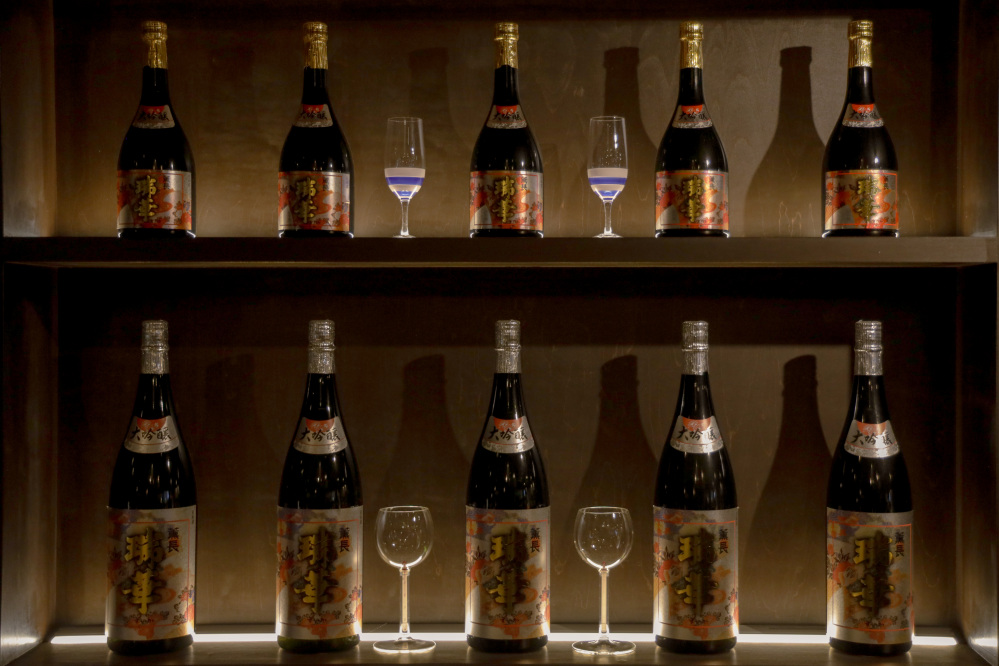
If you find yourself inspired by the history and craftsmanship of Kuncho Sake Brewery, take a wander around the brewery’s shop for a wide selection of sake, shochu, handcrafted sake cups, and limited-edition items. You’re sure to find something worth taking home with you, whether it’s a gift for a loved one or a reminder of the moments enjoyed in Mamedamachi Town.
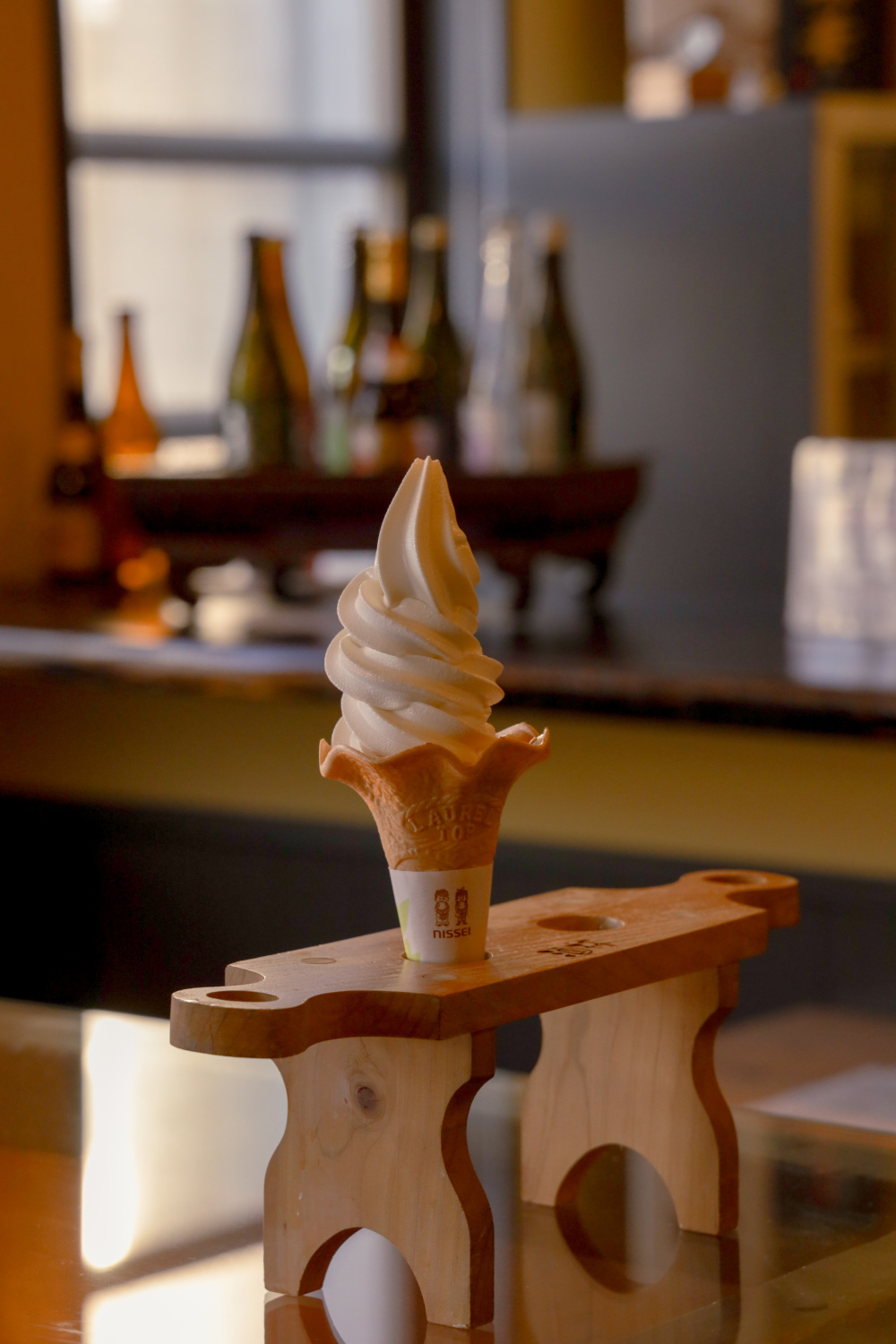
Or, for one last taste of Kuncho Sake Brewery’s expertise, head over to the cafe by the entrance. You can try the unique delights of amazake ice cream, blending the ice cream you know and love with the subtle sweetness of amazake, made using koji mold and rice—a taste and texture you’ll never expect to love.
After your visit, the surrounding streets encourage leisurely exploration, with opportunities to sample local Oita specialties and browse handmade goods. Kuncho Sake Brewery is an ideal stop for travelers seeking to experience Japan’s quieter, more refined pleasures.
Supporting Oita
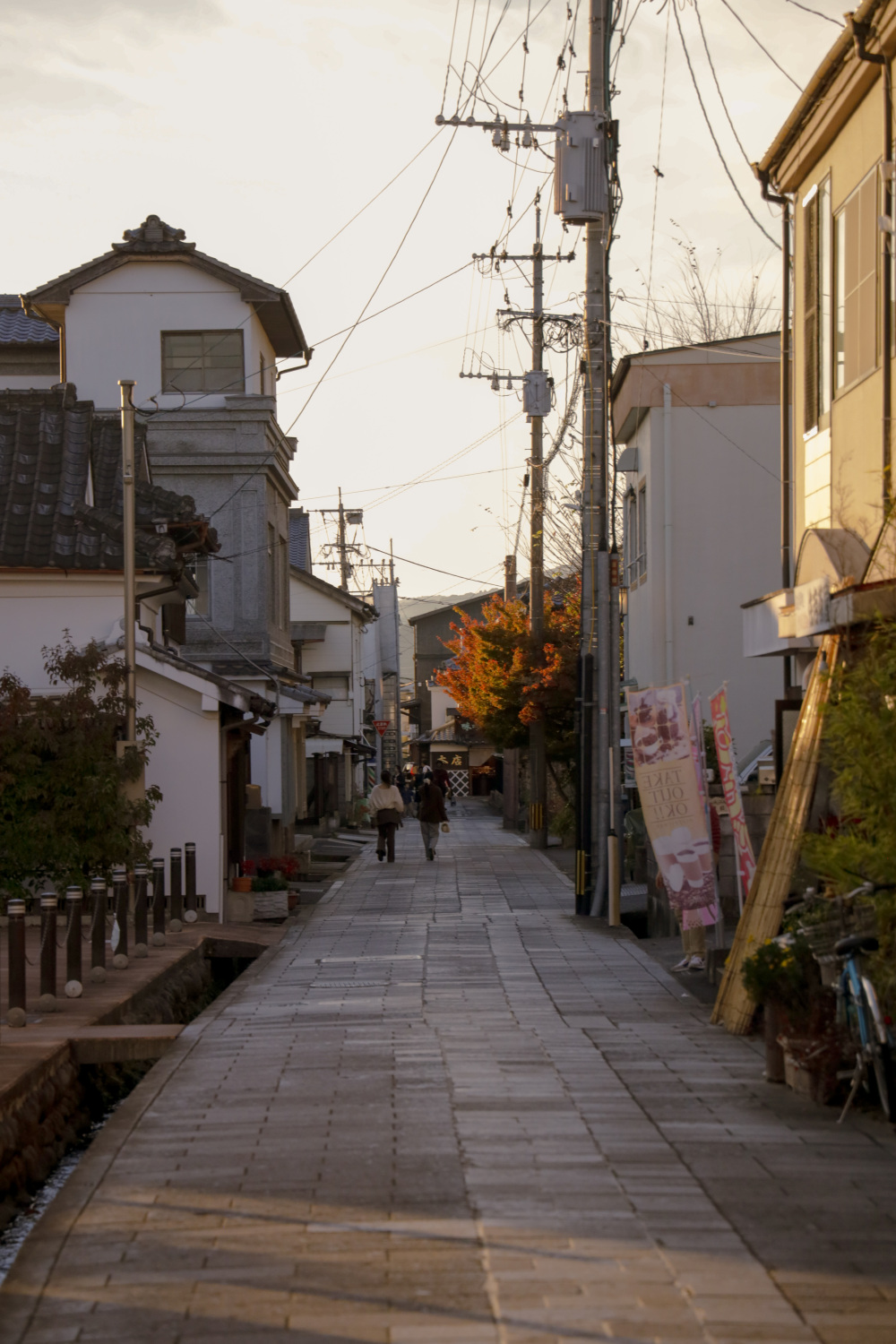
With each experience you enjoy, every dish you taste, and every drink you sip, you're supporting the people and businesses of this warm, welcoming region—one of the many rewards of traveling the lesser known paths of Japan, away from the bright lights and crowds of the cities.
This region of Japan leans towards the slower side of life, more attuned to flavorful meals and long onsen soaks with friends than rushing to the next crowded attraction. If that sounds like your kind of vibe, Oita is the place to be.
Discover flavors and hot springs in Oita
Let the natural beauty of Oita carry you into an unforgettable exploration of a region you may not have visited before. Every moment of your Japan trip will be enhanced with the unique qualities of this picturesque prefecture, from the warming waters of natural hot springs and the uniquely steamed dishes they provide to the mountains, rivers, and steam-filled mornings that frame your time there.