Oita Adventure: Wander Through Japan's Beautiful Nature Explore Oita’s best sights by foot, car, and saddle
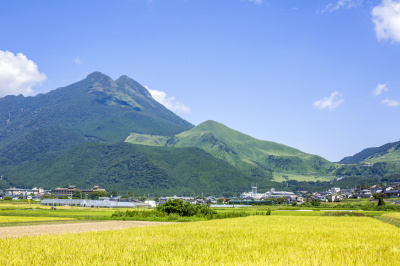
Blessed with dramatic landscapes, soothing hot springs, and a coastline shaped by nature’s rhythm, Oita Prefecture offers some of Japan’s most diverse sightseeing experiences. From rugged gorges to mist-draped mountains and peaceful rural scenery, Oita is a place where visitors can recharge both body and mind.
Outdoor activities—especially cycling—allow travelers to immerse themselves in these rich natural environments at their own pace, creating memorable moments that blend tranquility, exploration, and a sense of adventure.
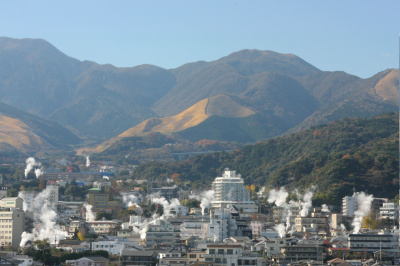
Known for iconic destinations such as Yabakei Gorge, with its sculpted cliffs and forested valleys, and the world-famous Beppu hot springs, Oita is a dream destination for nature lovers and photographers. Every turn reveals a new view, making the prefecture an ideal escape for anyone seeking fresh air, open spaces, and restorative experiences in Japan’s great outdoors.
* Please note that the text shown on this page includes machine translations.
Contents
- Cycle through the seasons
- Maple Yaba Cycling Road (Nakatsu City)
- Tour de Kunisaki A & B Course
- Tsukahara Highlands Cycling (Yufu City)
- Explore Oita’s best sightseeing spots
- Kuju Flower Park
- Meditate at Fukoji Temple
- Harajiri Falls: "Niagara of the East"
- Photography spots
- Morning mists on Lake Kinrin
- Inazumi Underwater Caves
- Kunisaki Peninsula
- Access & Tips
- Wake up to Oita’s spectacles
Cycle through the seasons
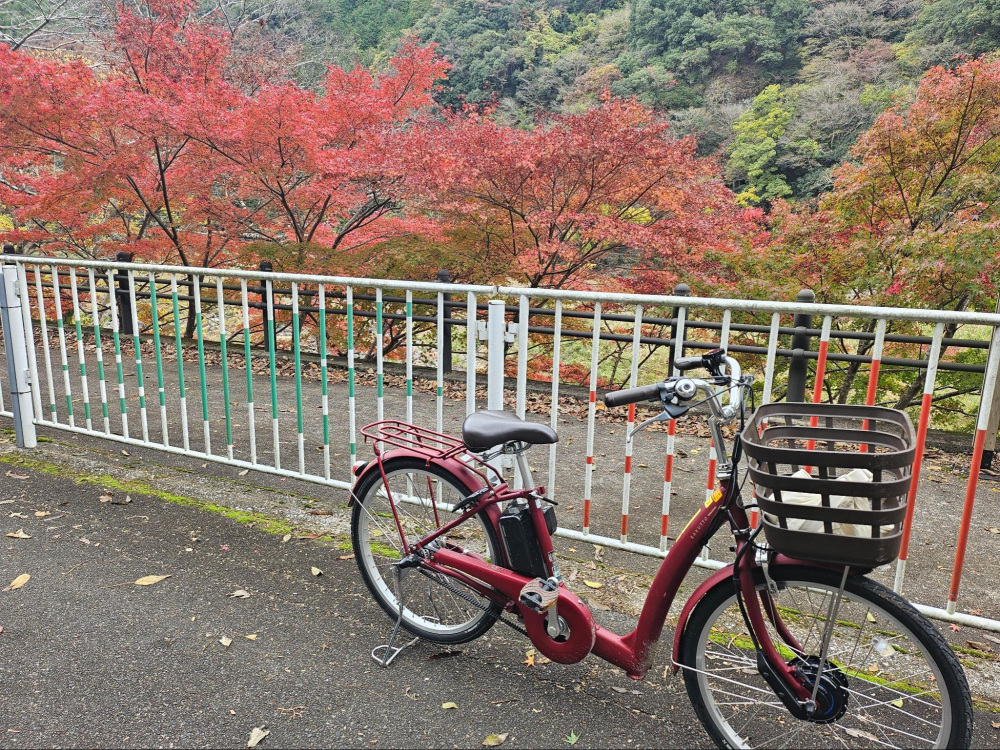
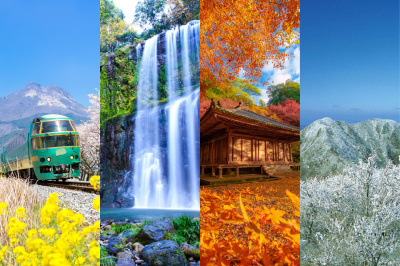
Cycling in Oita is a year-round pleasure, with each season offering distinct colors, moods, and natural spectacles. Spring brings cool, refreshing air and vibrant greenery, accompanied by gentle breezes and soft pastel cherry blossoms that line riversides and rural paths. As temperatures rise, summer invites cyclists to escape the heat along Oita’s scenic coastline, where sea breezes cool the journey and fishing villages add charm to every stretch of road.
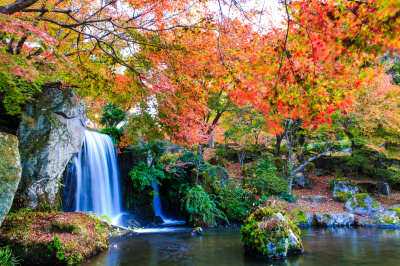
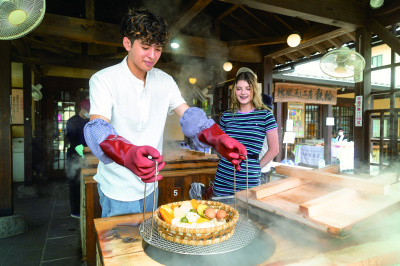
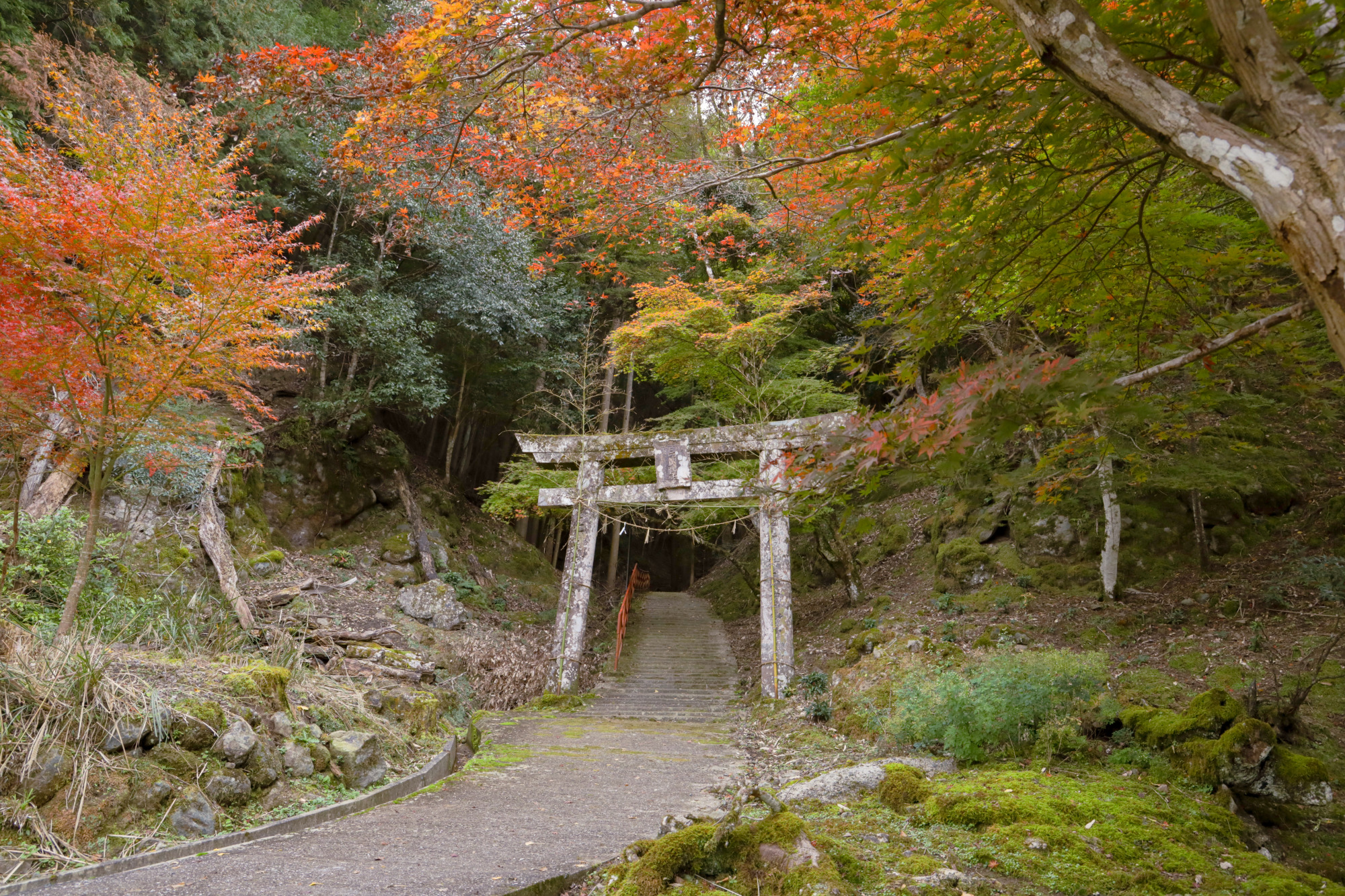
The region’s landscapes turn fiery in autumn, when mountains and valleys erupt in shades of red, yellow, and orange—an unforgettable backdrop for nature lovers on two wheels. Winter transforms Oita into a serene wonderland of crisp skies and quiet countryside, and the chill pairs perfectly with a rejuvenating dip in one of the many steaming onsen. No matter the season, Oita’s natural beauty enhances every ride.
Maple Yaba Cycling Road (Nakatsu City)
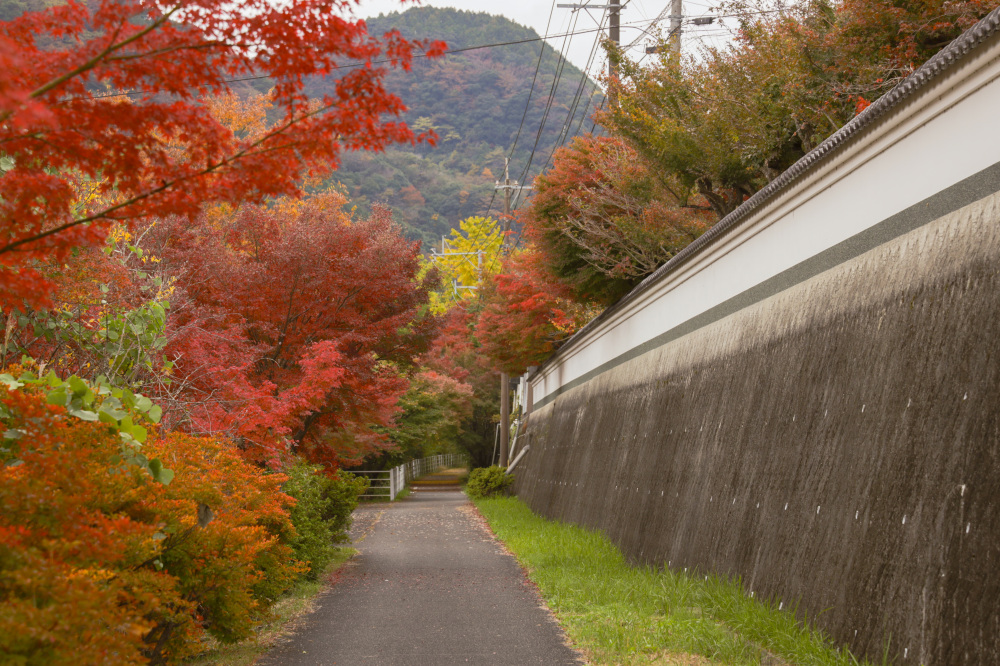
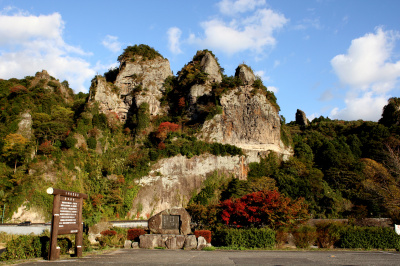
A masterpiece of nature carved over centuries, Yabakei Gorge blends towering cliffs, serene rivers, and dense forests into one breathtaking landscape. Its dramatic rock formations and seasonal colors make it a beloved destination for hikers, cyclists, and photographers seeking tranquil, timeless scenery in the heart of Oita.
The Maple Yaba Cycling Road is among the most scenic, guiding riders through the heart of Yaba-kei Gorge. In spring, the surrounding forests glow bright green, while autumn turns the gorge into a corridor of vivid foliage—ideal for leisurely exploration and photography.
Spanning approximately 36 km, 22 km of which are dedicated, bicycle-only paths, you’ll follow the former Yabakei Railway line, taking you all the way from Nakatsu City to Yamakuni Town. Along the way, expect serene and scenic views, a hidden temple or two, and plenty of photogenic spots worth catching your breath at.
After arriving at Yabakei Cycling Terminal and choosing your bike—of which there are a variety of options, including road bikes, assisted e-bikes, and family-friendly “Mama chariots” with a child seat in the back—you’ll receive a short explanation of the route you’ll be taking, and then you’re good to go!
Within seconds, you’ll find yourself breezing past charming countryside homes, lush rice paddies, and the rise and fall of the mountains that surround Oita. Of course, the most striking feature is where this cycling route gets its name: Yabakei Gorge. Fly over the rushing waters of Yamakuni River and feel your worries melt away, powerless against the restorative effects of a nature-filled cycle.
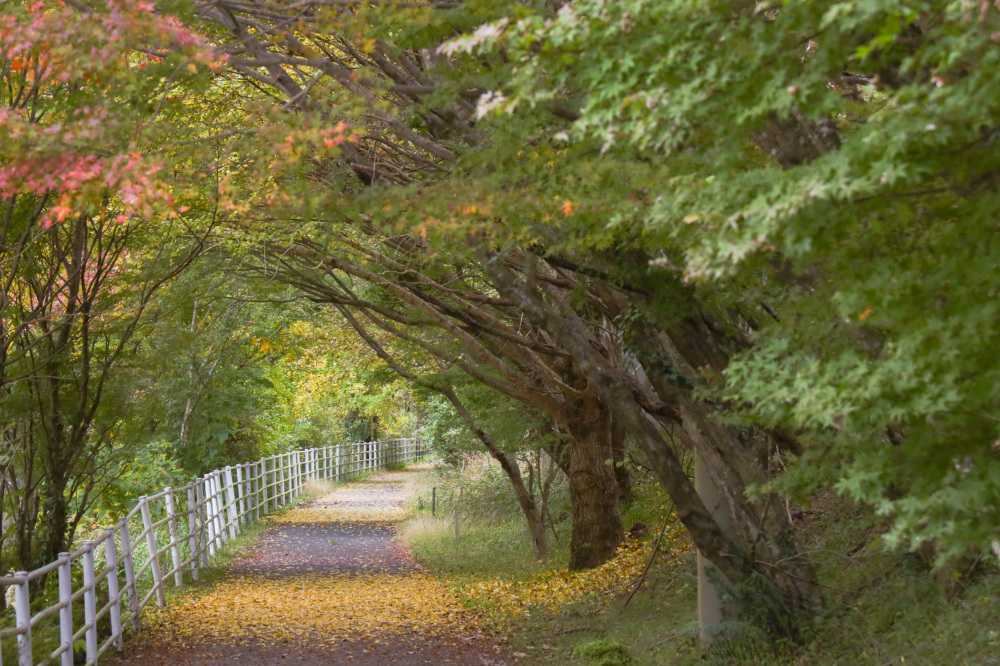
To reach Yabakei Cycling Terminal, you can get on the Daikō Hokubu Bus towards Morizane Onsen from Nakatsu Station. It will take about 40 minutes and you’ll want to hop off at the Yabakei Chuugakkou Mae (耶馬渓中学校前) Bus Stop. From there, it’s just a six-minute walk to the cycling terminal.
Tour de Kunisaki A & B Course
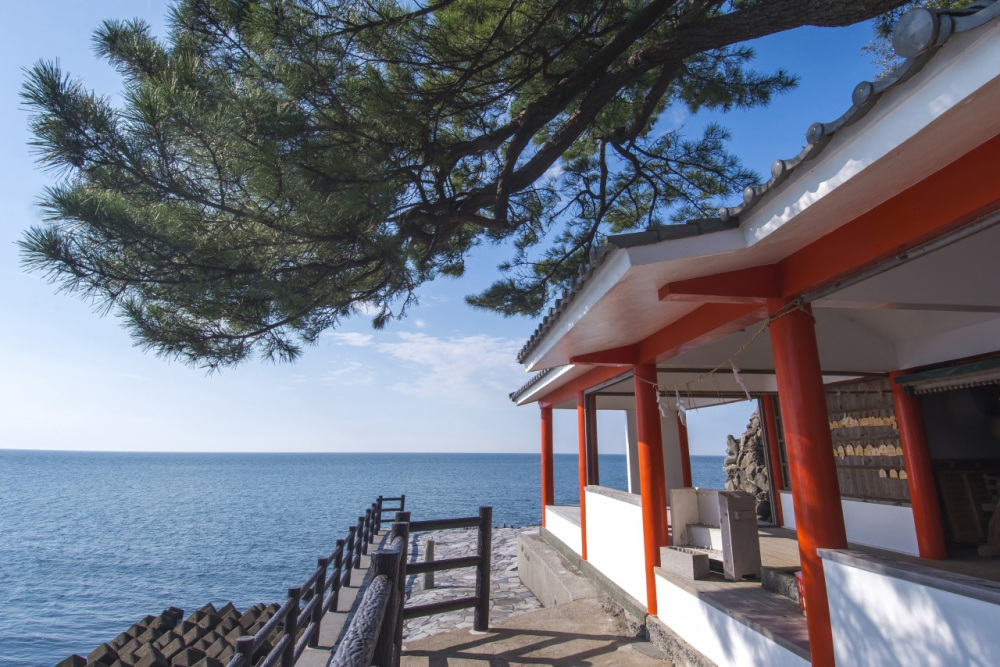
For those seeking another quiet, off-the-beaten-path experience, the Tour de Kunisaki A & B Course provides a diverse journey intended for more advanced cyclists through rural villages, forested hills, and coastal stretches. This lesser-known route highlights Oita’s peaceful countryside and offers a deeper connection to local life and nature.
These cycling routes traverse the Kunisaki Peninsula, located in northeastern Oita Prefecture. More specifically, Course A goes all the way around the peninsula, while Course B runs vertically through the central part of the Kunisaki Peninsula. The Tour de Kunisaki was a popular cycling event that was held 40 times since its inception in 1982 (though it is no longer being conducted), but now it’s your path to releasing the stress of daily life with an unforgettable Japanese bike trip.
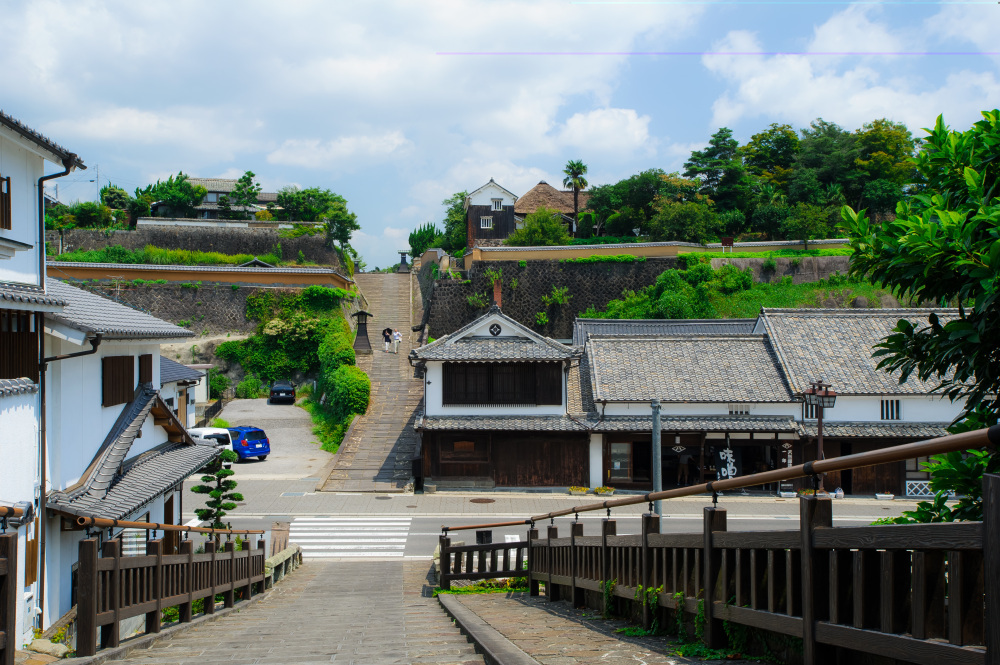
There are two potential routes you can take:
- Tour de Kunisaki A Course: 160km
The A Course allows you to ride along the coastline while enjoying incredible views of the Seto Inland Sea, Japan’s largest inland sea. A highlight of this route is the Orange Road, a wide agricultural road with minimal traffic, offering serene, pastoral landscapes.
- Tour de Kunisaki B Course: Approximately 100km
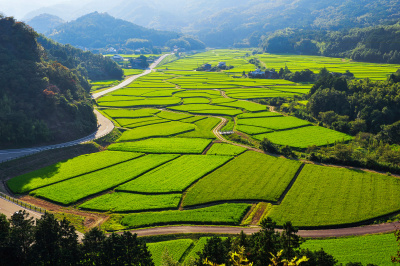
The B Course cuts through the heart of the Kunisaki Peninsula. Cyclists will pass picturesque terraced rice fields reminiscent of Japan’s traditional rural landscapes, ascend to the route’s highest point at Hashirimizu Pass (428m), and finally descend towards the coastal area.
Once you’ve landed at Oita Airport, head to the Oita Kuko Bus Stop (大分空港) and catch the Kunisaki School Line bus towards Kunisaki, getting off at Kurotsuzaki Bus Stop (黒津崎) after about 20 minutes. From there, it’s a gentle four-minute stroll to Kunisaki Cycling Terminal, where your rental bikes are waiting for you.
Find out more: Tour de Kunisaki A & B Courses
Tsukahara Highlands Cycling (Yufu City)
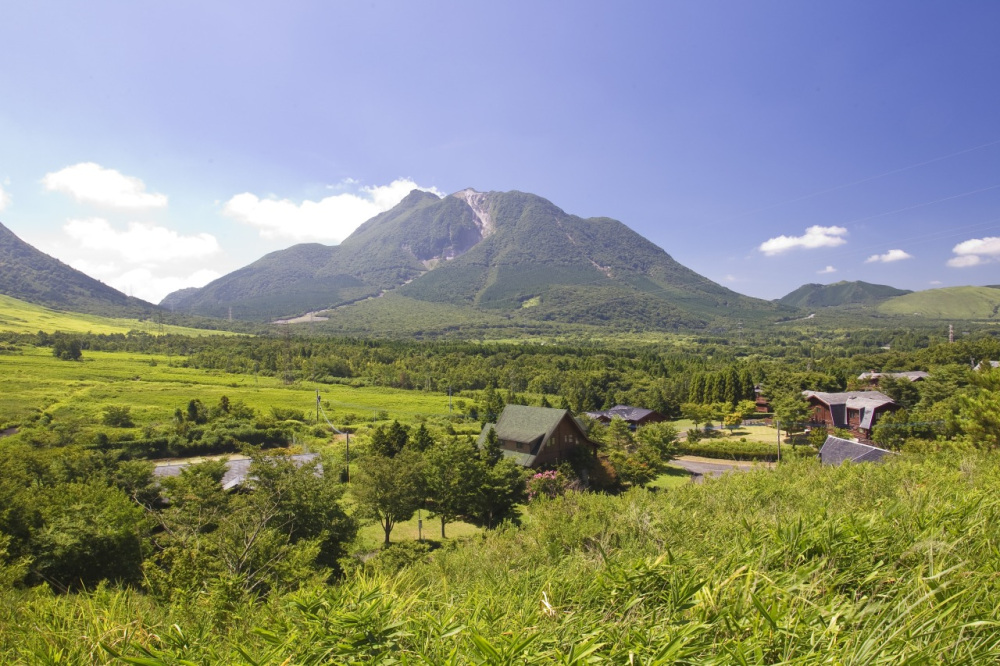
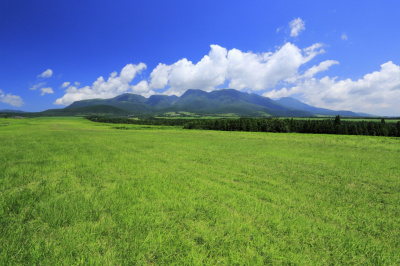
Another rewarding cycling route is the Tsukahara Highlands, where cyclists can rent bikes and ride through vast, open grasslands framed by sweeping views of nearby mountains. The highlands offer refreshing breezes in summer and dramatic skies year-round, creating a sense of freedom unique to high-elevation cycling.
Along the way, you’ll be tempted to stop and explore many local sights, flavors, and crafts, from the peaceful Kirishima Shrine and freshly baked goods of Oni Pain Cafe to the memorable jewelry-making workshops of Ido Art Jewelry Yufuin and rejuvenating coffee break of Coffee Mokuba.
Powered by wheels and your own two feet, discover the very best side of local Oita.
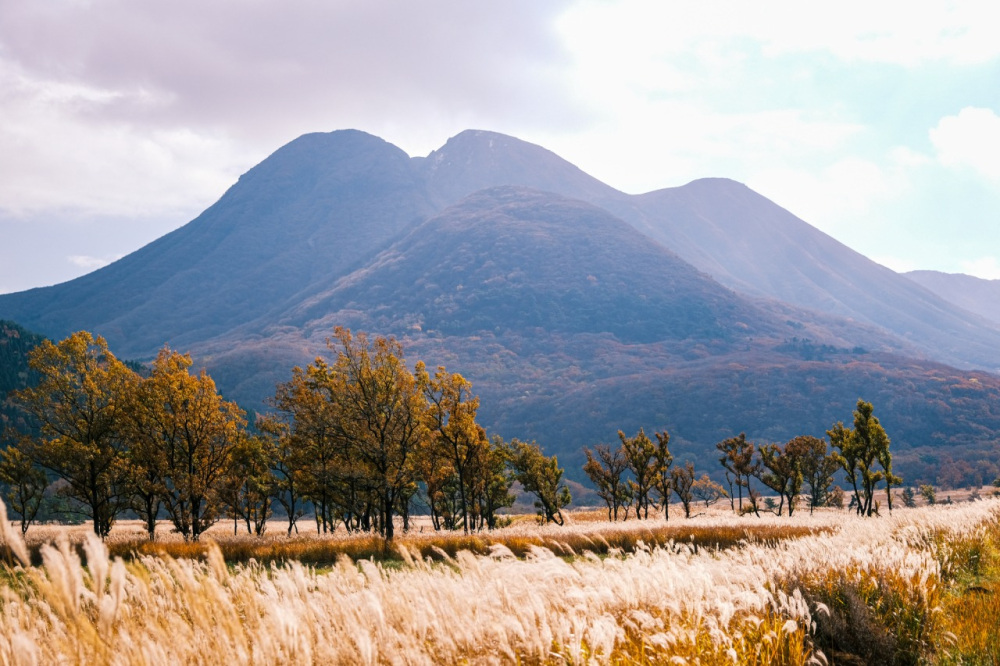
You’ll be renting your bicycles from the Tsukahara Kogen Tourist Information Center. To get here, first catch the Kogen Course bus towards Takeuchi Farm (竹内牧場) from the stop in front of Yufuin Station, Yufuin Eki Mae Bus Stop (由布院駅前). After around 30 minutes, get off at the Dekiri Bus Stop (出切) right next to the information center.
Oita’s network of paths, from coastal routes to volcanic highlands, ensures that riders of all levels can find a course suited to their interests. For more curated routes and detailed recommendations, visit the official Oita tourism cycling guide.
Explore Oita’s best sightseeing spots
Coming up next are some of Oita’s most picturesque nature spots! You’ll need to use public transport or a rental car, but it’ll be so worth it.
Kuju Flower Park
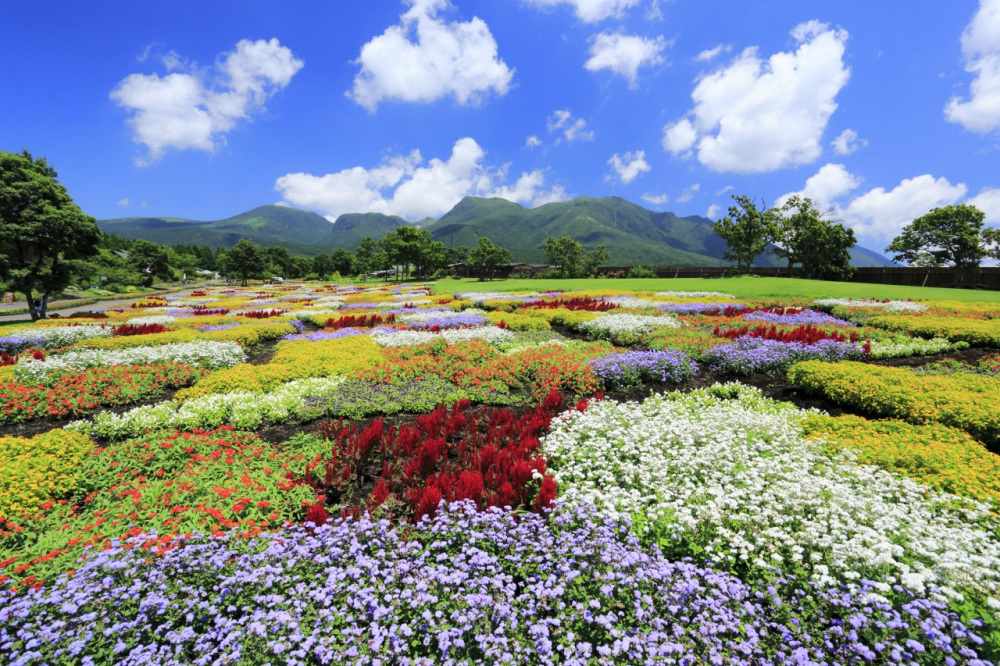
Oita’s landscape is filled with destinations that showcase its remarkable natural diversity, and few places illustrate this better than the Kuju Flower Park. Here, rolling fields burst into color from spring to autumn, with winding paths leading visitors through vibrant displays of lavender, poppies, and seasonal blossoms.
With around 500 flower varieties and five million blossoms each year, the park is vibrant in every season—from spring tulips and poppies to summer lavender and sunflowers, and autumn’s sea of cosmos. Even on rainy days, the greenhouse and plentiful cafes will give you places and menus worth exploring, featuring local ingredients, grilled meats, and a café serving lavender soft serve with mountain views.
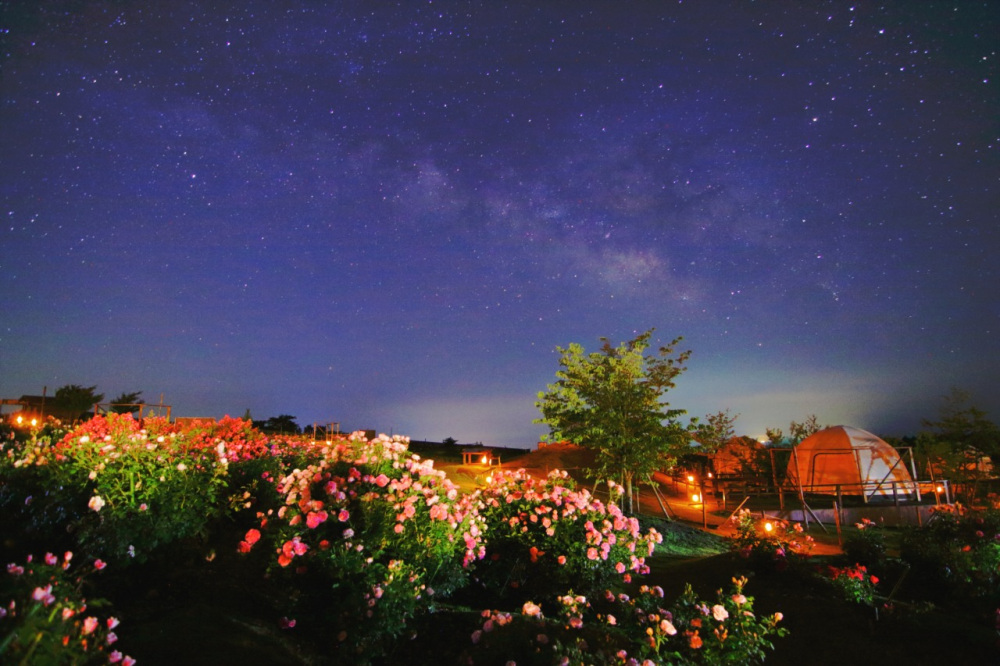
Beyond the gardens, the Kuju Mountains rise dramatically, offering panoramic views and inviting hikers and photographers to experience Oita’s highland beauty firsthand. For those who want to stay a little longer, spend the night in one of the park’s luxurious glamping tents and relax under a sky of endless stars.
To reach Kuju Flower Park, it is easiest to rent a car at Oita Station and take National Route 442 towards the Kuju Highlands. The journey will take just over an hour, rewarding you with plenty of breathtaking views along the way.
Find out more: Kuju Flower Park
Meditate at Fukoji Temple
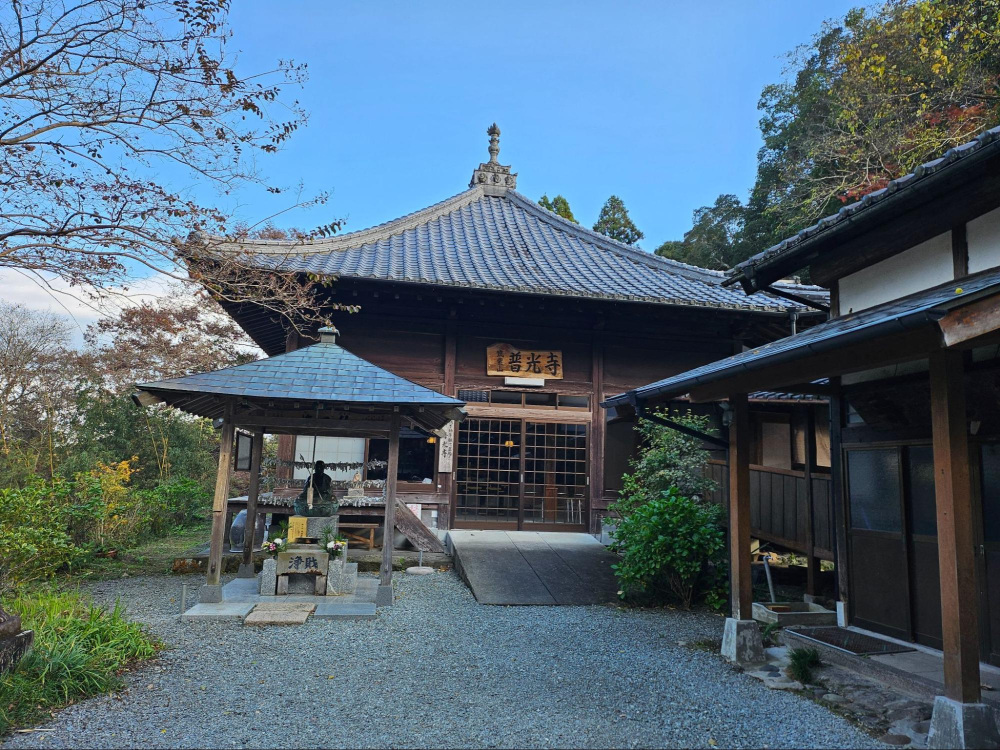
For a more introspective journey, the meditation experience at Fukoji Temple provides a peaceful retreat into Oita’s spiritual heritage. Nestled in nature, this tranquil temple allows visitors to practice authentic meditation guided by local monks. Surrounded by ancient architecture and gentle forest sounds, participants can slow down, breathe deeply, and reconnect with themselves in a way that mirrors the region’s calm atmosphere.
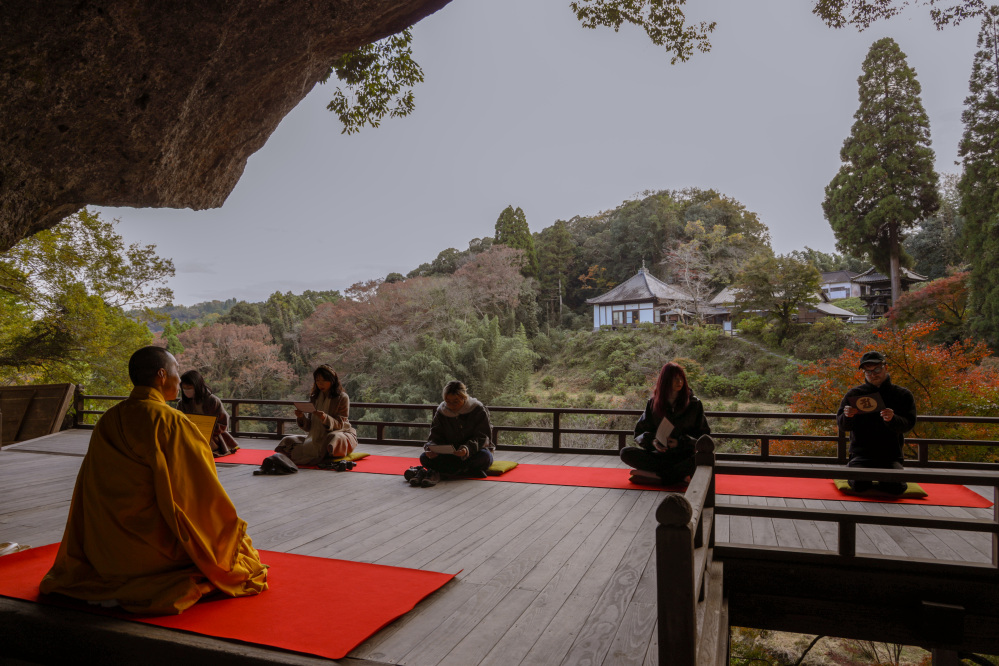
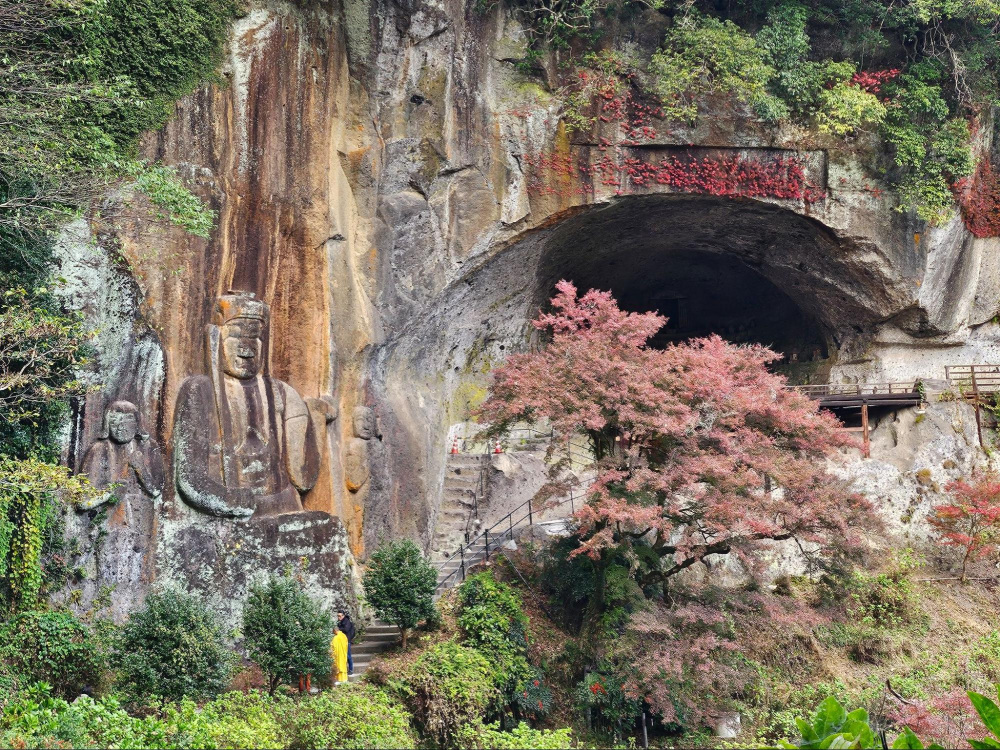
Find inner peace on the observation deck of this unique, cliffside temple, only a few feet from the awe-inspiring 11.3-meter-tall cliff-carved statue of Fudo Myo-o, a colossal magaibutsu (stone Buddha carved into a rock surface)—recognized as one of the largest of its kind in Japan.
Follow along with the traditional Buddhist chants and allow your mind to clear, until your focus floats freely with the breeze and birdsong of this stunning, nature-filled experience.
Due to its tranquil and secluded location, renting a car is the most convenient way to access Fukoji Temple. This also allows you to smoothly visit the rest of Oita's tourist spots.
Harajiri Falls: "Niagara of the East"
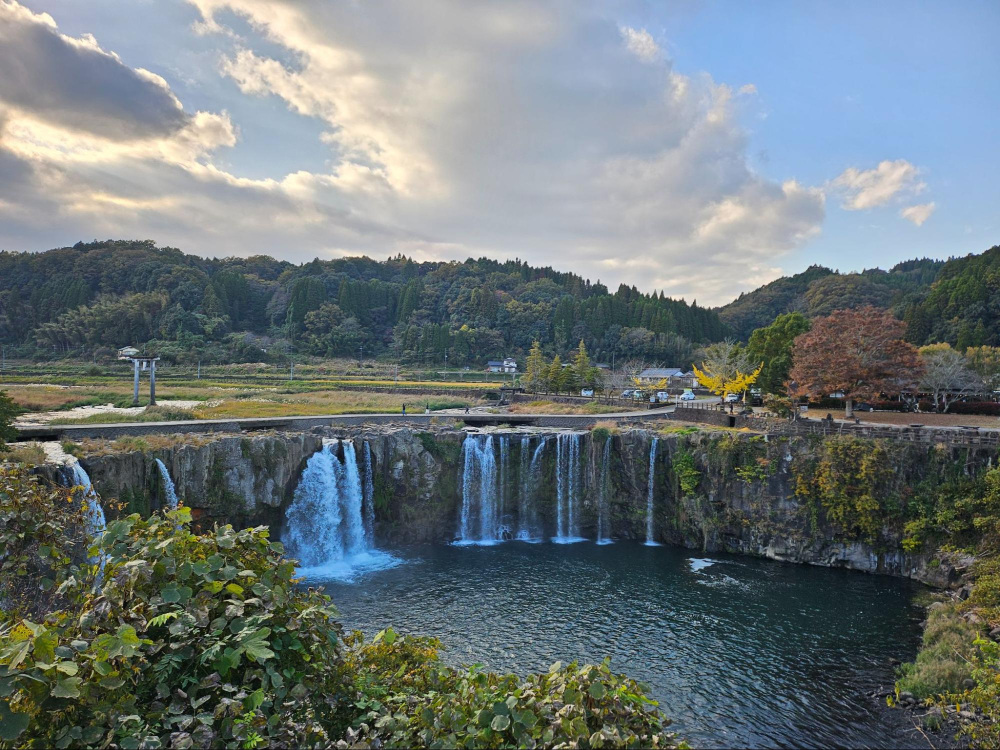
A very different yet equally stunning sight awaits at Harajiri Falls. Often called the "Niagara of the East" this impressive waterfall appears unexpectedly amid quiet farmland, creating a striking contrast between dramatic force and rural serenity. Selected as one of Japan’s Top 100 Waterfalls, Harajiri is especially captivating from its suspension bridge viewpoints, where visitors can watch the water plunge in a perfect arc.
On bright days, sunlight filters through the drifting spray and forms a rainbow arching across the falls. Visitors can stroll along the promenade to reach the waterfall’s summit, then descend to the riverbank to feel the full force of the water as it thunders down from the basin. Every season adds its own appeal: delicate cherry blossoms and golden rapeseed in spring, deep green landscapes in summer, and a vibrant tapestry of autumn colors in fall—all of which can be experienced from the waters with a Harajiri Falls boat tour.
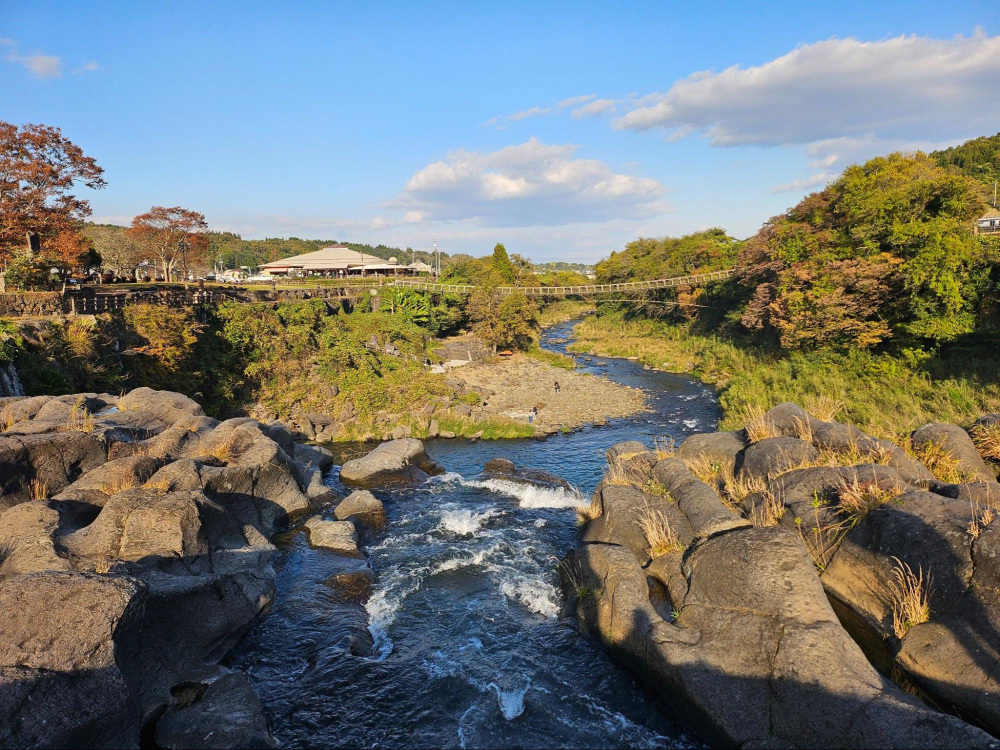
Next to the waterfall, the Harajiri no Taki Roadside Station offers a welcoming stop where travelers can browse fresh local produce, regional shochu, and other specialty goods. It’s also a great place to try soft-serve ice cream and meals prepared with ingredients unique to Oita Prefecture. Just outside, a traditional waterwheel adds to the rustic charm of the area, creating an atmosphere that feels both historic and inviting.
Though it is most convenient to reach this spot using a rental car, it is also extremely accessible via public transport. From Taketa Station, catch the Okajo-Harajiri Falls Line bus towards the Municipal Hospital (市民病院). After about 17 minutes, get off at the Harajiri Falls Bus Stop (原尻の滝) and behold the majesty of the waterfall.
Whether you’re seeking vibrant landscapes, peaceful cultural experiences, or awe-inspiring natural wonders, these spots reflect the unforgettable beauty that defines Oita.
Find out more: Harajiri Falls
Photography spots
For photographers, Oita is an absolute must-visit destination. Its landscape shifts dramatically across regions and seasons, providing endless opportunities to capture scenes that range from mystical to rugged, from tranquil to boldly colorful. The prefecture’s blend of volcanic activity, coastal environments, and lush mountainous terrain creates a natural canvas unlike anywhere else in Japan.
Morning mists on Lake Kinrin
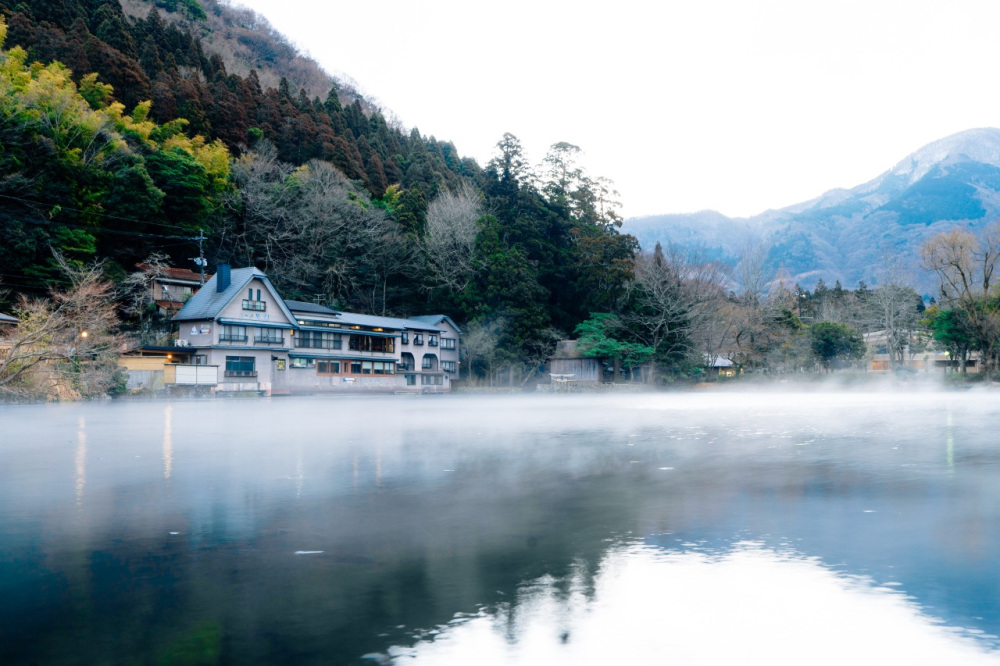
One of Oita’s most iconic photography locations is Lake Kinrin, especially on cold winter mornings. Here, freshwater springs and natural hot springs flow into the lake simultaneously, causing ethereal steam to rise from the surface. Paired with crisp air, soft sunlight, and reflections of surrounding trees, the morning mist creates a dreamlike atmosphere perfect for atmospheric shots.
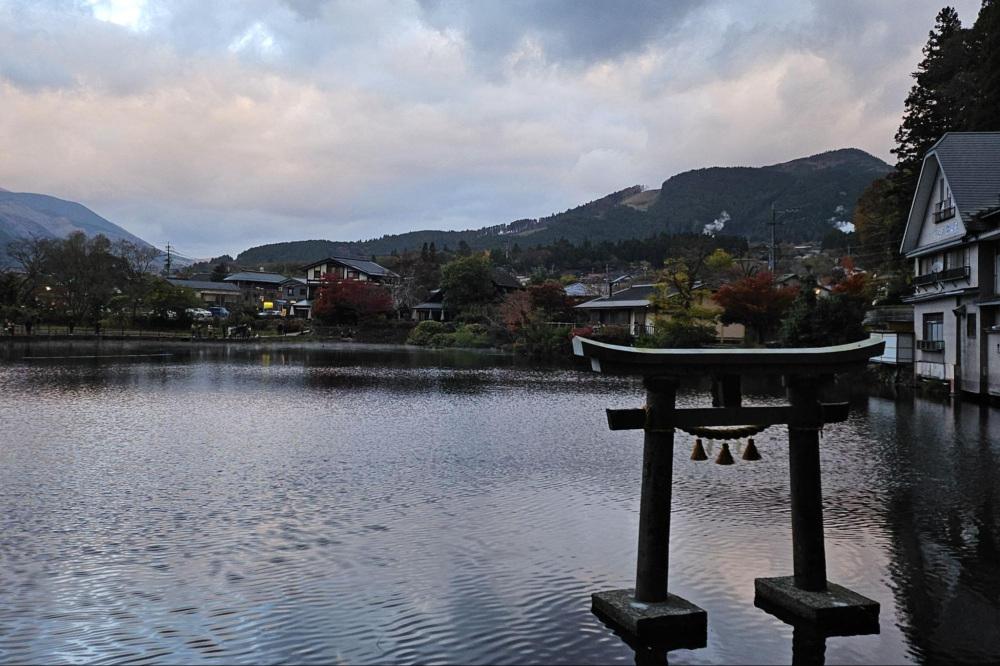
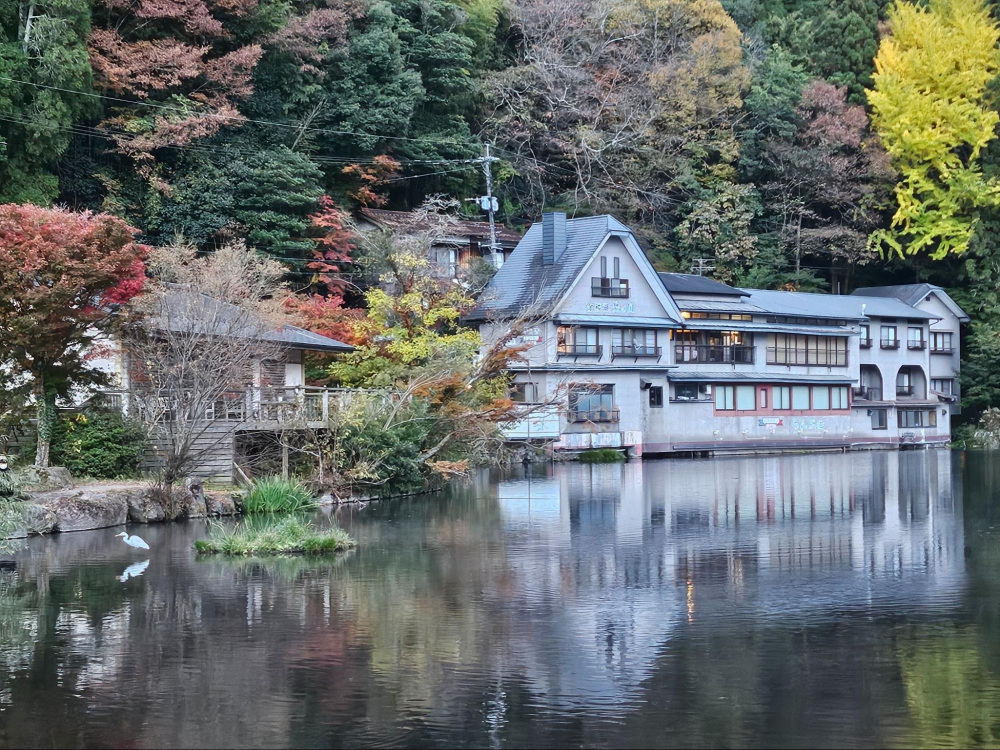
A pleasant walking path encircles the lake, lined with small cafés, traditional shops, and galleries that reflect Yufuin’s relaxed charm. In every season, the scenery shifts beautifully—cherry blossoms in spring, lush greens in summer, fiery foliage in autumn, and serene reflections in winter—making it a beloved spot for peaceful strolls.
Lake Kinrin is easily reached from Yufuin Station, a 20–25 minute walk through the town’s quaint streets. Travelers coming from farther away can take a train or highway bus to Yufuin, then walk or take a short taxi ride.
Inazumi Underwater Caves
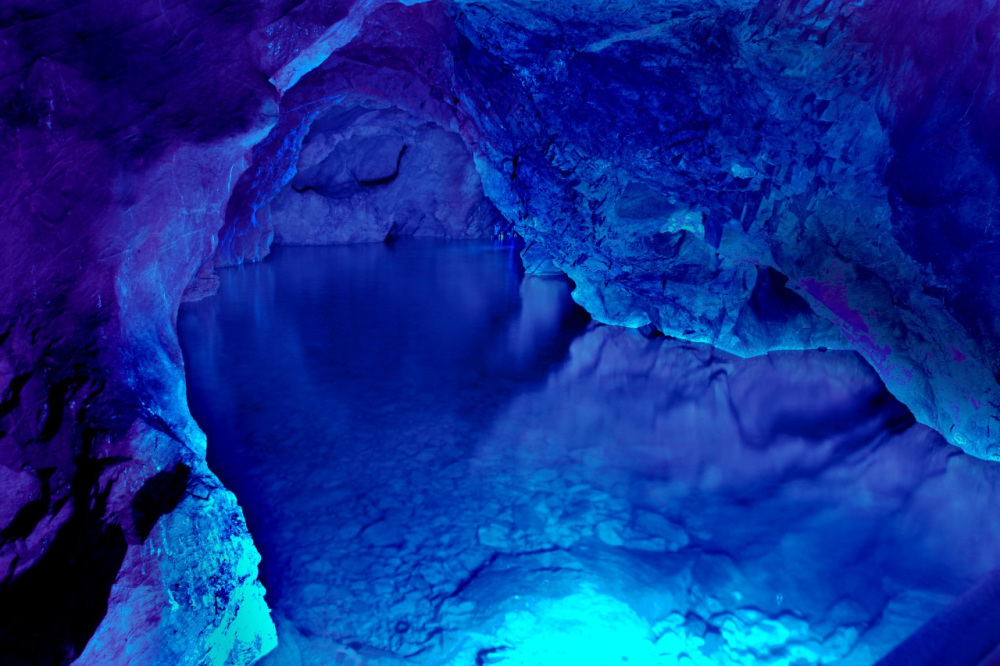
For a more unusual adventure, the Inazumi Underwater Caves offer a rare chance to photograph submerged stalactites formed over tens of thousands of years. The caves’ illuminated passages reveal dramatic geological formations and crystal-clear pools, allowing photographers to capture textures and colors that feel almost otherworldly.
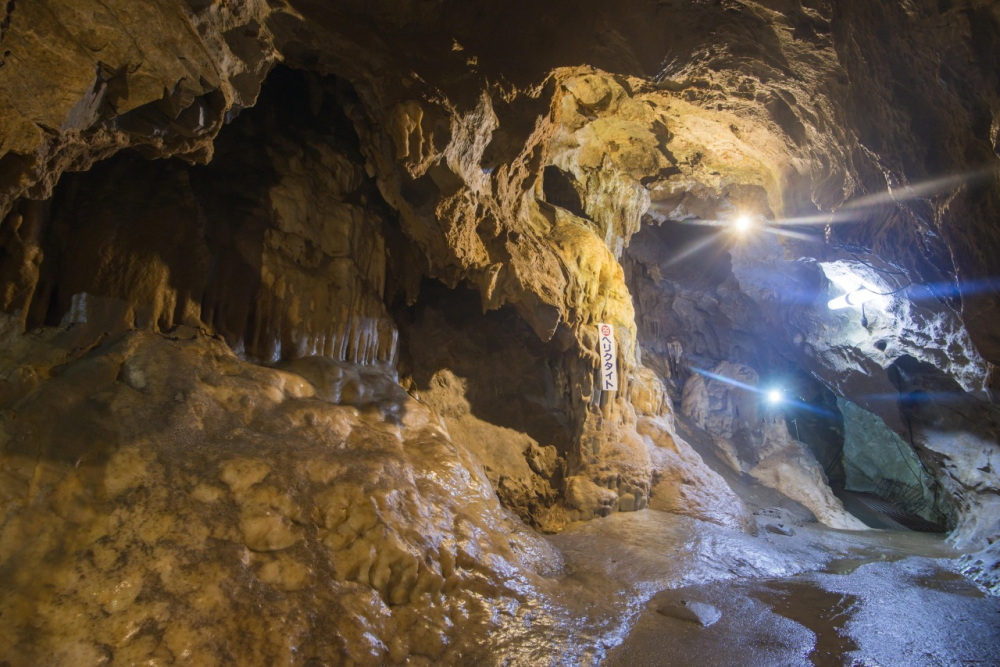
Beneath the walkways, clear spring water drifts softly through the cave, which stays at a steady 16°C throughout the year—cool and refreshing during the summer, yet pleasantly mild in winter. Two walking trails, each roughly 200 meters long, guide visitors through the cavern’s remarkable formations. Along the way, you can admire underwater stalactites, coral-like stones, and other geological shapes that look almost like finely crafted sculptures. In the deeper portions of the cave, snorkeling and scuba diving are offered, where illuminated stalactites cast an enchanting glow.
Near the entrance, you’ll also find an outdoor sauna—the only one in the world situated beside an underwater stalactite cave. With advance reservations, guests can enjoy an indulgent experience: warming up in the high-temperature sauna before slipping into the cave’s cool, crystal-clear waters for an unforgettable contrast.
This spectacle is easiest to reach with a car, so you may want to rent a car from the nearby city of Bungoono and drive for 20 minutes.
Find out more: Inazumi Underwater Caves
Kunisaki Peninsula
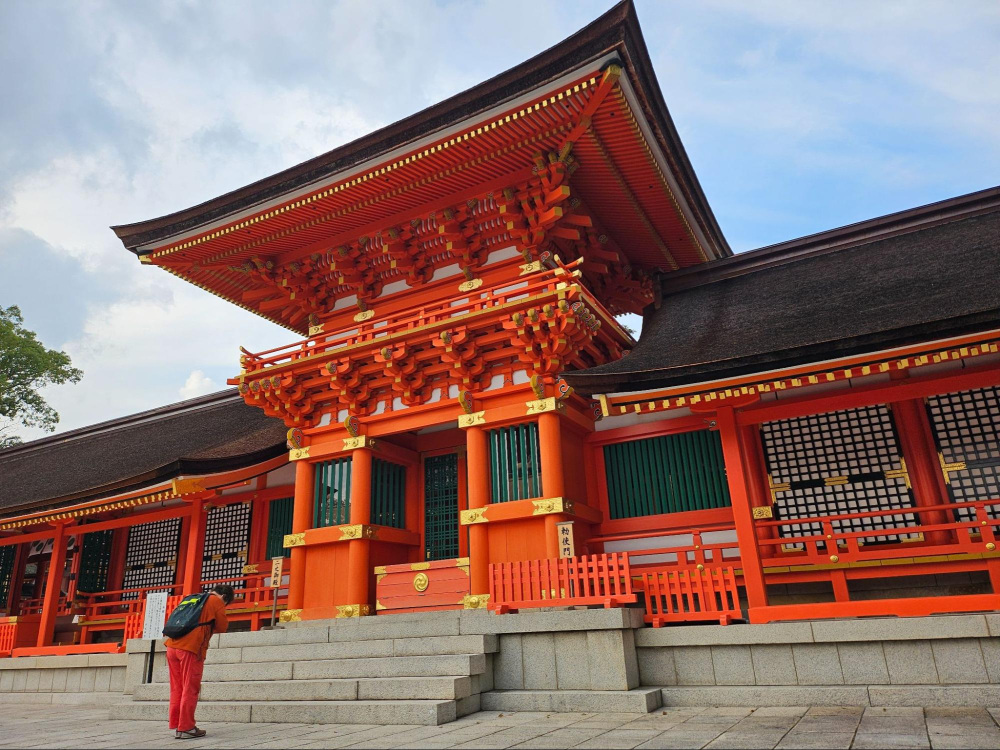
Since you’re already exploring the Kunisaki region by bicycle, don’t forget to bring your camera!
The Kunisaki Peninsula provides yet another perspective: sweeping coastal roads, quiet fishing villages, and forested landscapes dotted with ancient temples and stone statues. Its untouched feel and gentle mix of sea and mountain scenery make it a favorite for both landscape and cultural photography.
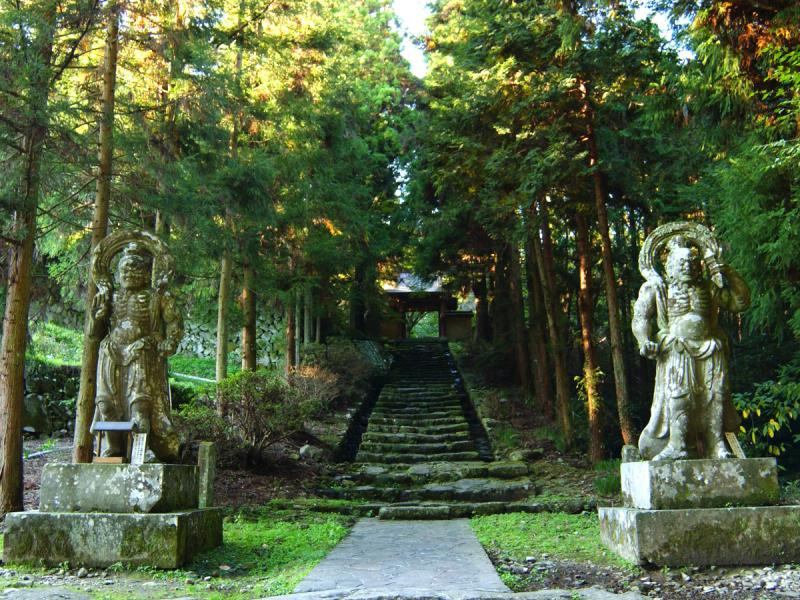
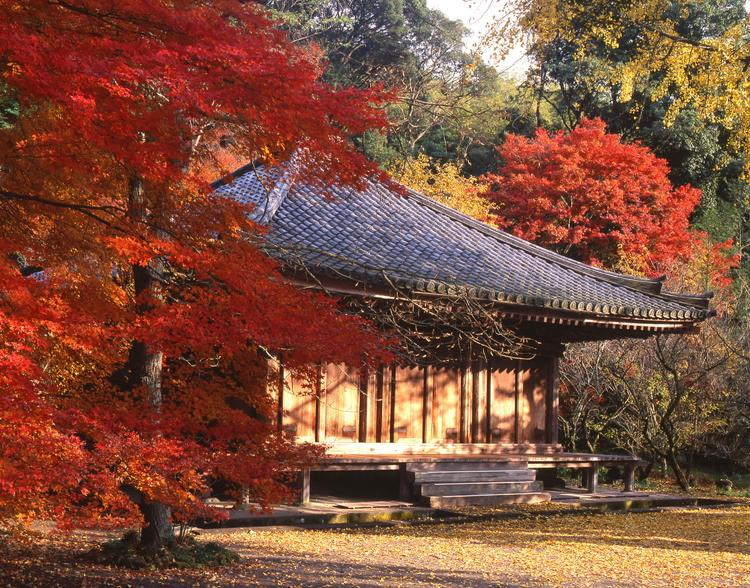
Together, these locations showcase why Oita is a paradise for photographers—rich in diversity, atmosphere, and moments of natural magic.
Access & Tips
Oita is easily reached via Fukuoka or Oita Airport, with convenient bus connections into major cities like Beppu and Oita City. Travelers arriving by train can access the region through Oita Station, a key stop on the JR Kyushu network and a gateway to many of the prefecture’s natural attractions.
For the greatest flexibility—especially when exploring waterfalls, mountain trails, and remote scenic spots—renting a car is highly recommended. Many of Oita’s most beautiful sites are spread out, and having your own vehicle makes it much easier to plan your day and wander at your own pace.
When heading out into nature, pack comfortable walking shoes, a light jacket, and waterproof gear depending on the season. Sunscreen, insect repellent, and plenty of drinking water are also essential, and a small towel is handy for hot springs or sudden changes in weather.
For times when the cycling route takes you onto local residential roads, please remember:
- Keep left: Always ride on the left side of the road, matching vehicle traffic.
- Road vs. Sidewalk: Stick to roads unless you see a sign allowing bikes on the sidewalk. On shared paths, pedestrians have right-of-way, so please slow down or dismount.
- Traffic signals: Obey all traffic lights and signs as if you were driving.
- No side-by-side cycling: Don't ride next to someone unless signs permit.
- No phone or umbrella: Using a phone or holding an umbrella while cycling is not allowed and may result in a fine.
- Wear a helmet: For safety, please wear a helmet when cycling.
Wake up to Oita’s spectacles
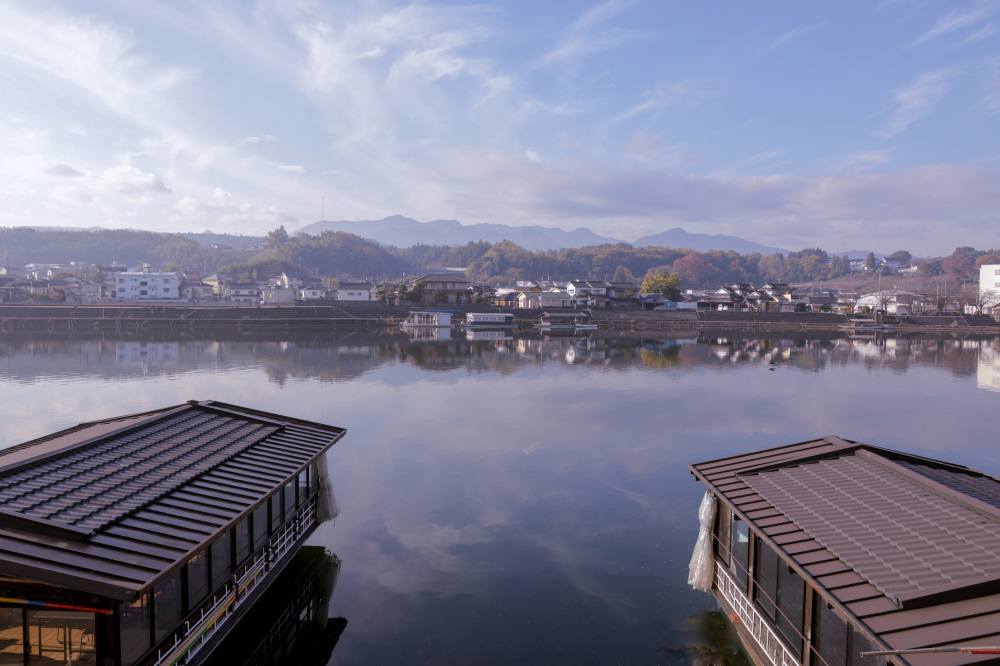
Oita Prefecture stands out as one of Japan’s most naturally beautiful and diverse destinations, offering everything from dramatic gorges and vibrant flower fields to misty lakes, highland panoramas, and soothing hot springs. Its wide range of sightseeing spots and activities ensures that every traveler can find something memorable, whether they seek excitement, relaxation, or artistic inspiration.
Engaging in active experiences—such as cycling, hiking, or exploring rural landscapes—allows visitors to truly connect with Oita’s natural environment. These moments in nature rejuvenate both body and mind, reminding us of the value of slowing down, breathing deeply, and appreciating the world around us.